Vape Flavors and Vape Juice: What You Need to Know
Understanding the health risks of vape flavors, ingredients, and e-cigarette aerosols.
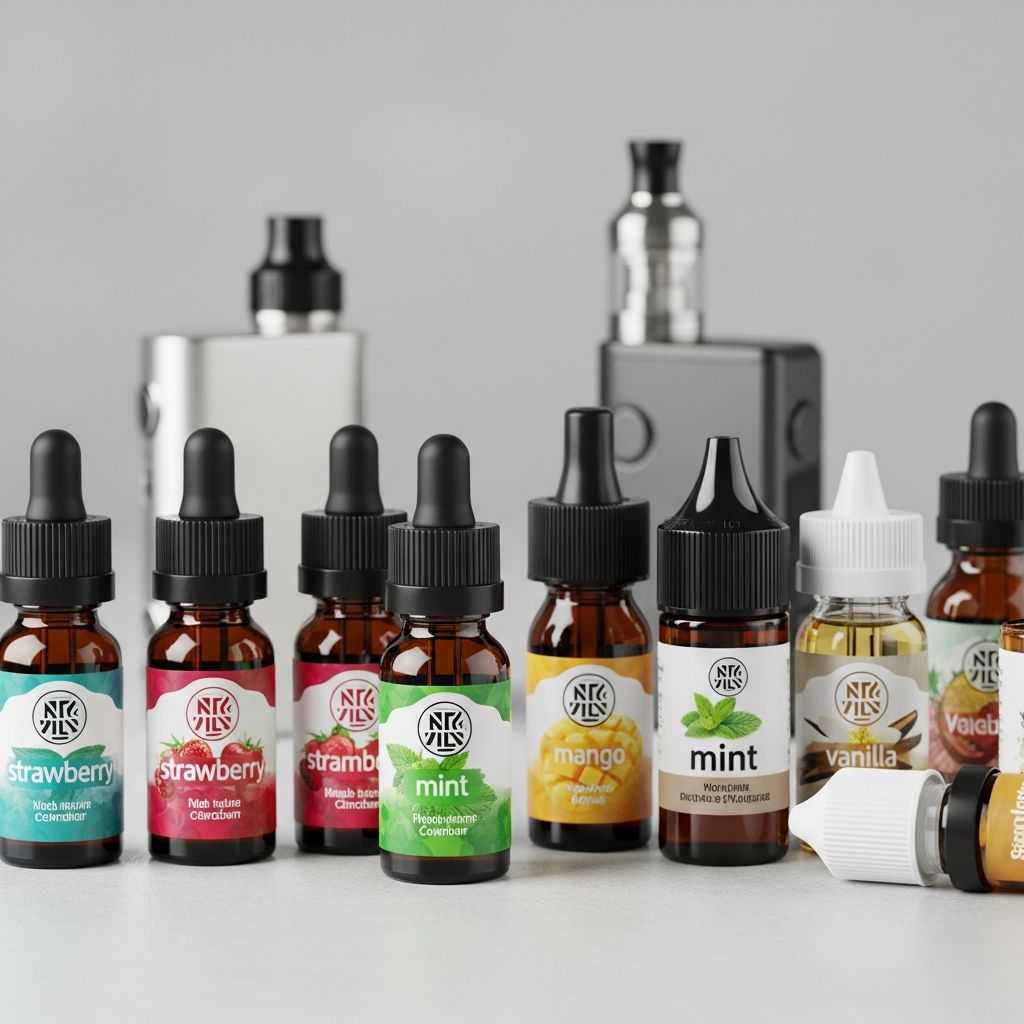
Electronic cigarettes, commonly known as vapes or e-cigarettes, are often marketed as a safer alternative to traditional tobacco cigarettes. However, what many users don’t realize is that the seemingly harmless flavored vapor contains far more than just nicotine and flavoring agents. Behind the appealing names like “Dragon’s Blood” and enticing fruity tastes lies a complex mixture of chemicals, many of which remain unidentified and potentially harmful. Understanding what’s actually in vape juice and how it affects your health is essential, particularly for the millions of teenagers and young adults who use these devices daily.
Understanding Vape Juice and E-Liquids
Vape juice, also called e-liquid, serves as the fuel for electronic nicotine delivery systems. The basic formulation of most vape liquids includes four main components: nicotine, propylene glycol or vegetable glycerin (carrier agents), flavorings, and other proprietary chemicals. When heated by the device’s battery, this liquid transforms into an aerosol—commonly referred to as vapor—that users inhale into their lungs.
The transformation from liquid to aerosol is not a simple heating process. When e-liquid is exposed to the high temperatures generated by vaping devices, it undergoes chemical changes that create entirely new compounds. This means the aerosol you inhale is fundamentally different from the liquid in the cartridge, containing substances that weren’t originally present in the e-liquid formula.
The Flavor Factor: Marketing Appeal and Hidden Costs
One of the primary reasons vaping has become so popular among young people is the vast array of appealing flavors. Approximately 7,700 different flavors are currently used in e-liquids, with tobacco, mint, coffee, and various fruits being among the most popular. Manufacturers use sophisticated marketing strategies with youth-targeting names and descriptions designed to entice younger users. Names like “Dragon’s Blood” are deliberately chosen to capture attention, with marketing descriptions emphasizing exotic ingredients and adventurous taste experiences.
The most popular flavor categories include:
– Fruity flavors (mango, strawberry, watermelon)- Menthol and mint variants- Sweet and candy-inspired tastes- Tobacco-flavored options- Coffee and dessert-inspired combinations
Interestingly, research shows that tobacco-flavored vape aerosols can contain toxic metals in concentrations up to seven orders of magnitude higher than mint or mango flavored products. This significant difference suggests that flavorings themselves may interact with device components to produce varying levels of contaminants.
Hidden Dangers: Toxic Metals in Vape Aerosol
One of the most alarming discoveries in recent vaping research is the presence of toxic metals in e-cigarette aerosols. A comprehensive study tested 194 different e-cigarettes across multiple brands, device types, and flavors, finding that every single device produced aerosol containing heavy metals. The metals identified include:
– Nickel- Lead- Arsenic- Manganese- Chromium- Copper- Cobalt- Aluminum- Iron
These toxic metals are particularly concerning because they’re linked to serious health conditions including cardiovascular disease, kidney disease, lung cancer, and Parkinson’s disease. Some aerosol samples had metal levels that exceeded regulatory health standards established by the US Environmental Protection Agency and other authoritative bodies.
The concentration of metals varies dramatically depending on the device type and settings. Modifiable vaping devices (MODs)—which allow users to adjust power, temperature, and voltage—generated the highest overall metal concentrations. This difference occurs because these adjustable settings can intensify the heating process, causing more metals to leach from device components into the aerosol.
Related Stories



The Unidentified Chemical Mystery
Perhaps even more disturbing than the presence of known toxic metals is the discovery of thousands of unidentified chemicals in vape aerosols. Researchers using advanced mass spectrometry technology—the same equipment used to analyze food, blood, and urine samples—found that e-cigarette aerosols contain numerous compounds that cannot be identified or named using standard laboratory chemical databases.
As one Johns Hopkins researcher stated, “We don’t even know what they are. They’re not even in the normal list of chemicals that can be quantified or named in the lab, and these are going directly into the lungs of people that are vaping.” The number of chemicals actually increases from the liquid stage to the aerosol stage, meaning the heating process creates new, mysterious compounds not originally in the e-liquid.
Among the identified problematic compounds discovered in vape aerosols are:
– Caffeine (possibly added to increase addiction)- Vitamin E acetate (linked to lung injuries)- Condensed hydrocarbon compounds (typically only found in combustion products)- Flame retardants (toxic chemicals used in industrial applications)
The FDA classifies e-cigarettes as “noncombustible tobacco products,” yet researchers have detected condensed-hydrocarbon-like compounds that are normally only produced through combustion processes. This raises serious questions about the true nature of vaping and whether current regulatory classifications adequately describe what actually occurs.
Device Types and Their Differences
Modern vaping devices come in three primary configurations, each with different characteristics and health implications:
MODs (Modifiable Devices) offer customizable settings that allow users to adjust power, temperature, and voltage. While this flexibility appeals to experienced users, it also enables higher power delivery, which can increase metal concentrations in aerosols. MODs generated the highest metal levels overall in research studies.
PODs (Pod Systems) use pre-filled or refillable cartridges with fixed settings that cannot be adjusted. These devices use a low-pH form of nicotine that enables higher nicotine concentration while providing a smoother sensation. Interestingly, PODs showed higher concentrations of some metals, particularly cobalt and nickel, compared to MODs.
Disposable PODs (d-PODs) represent the fastest-growing segment of the vaping market. Users simply discard these devices entirely when the e-liquid cartridge is depleted. Their popularity stems from several factors: the availability of enticing flavors, appealing design aesthetics, and low upfront cost. However, d-PODs pose particular concerns because manufacturers face minimal oversight regarding ingredient quality and chemical composition.
The Gateway Effect and Youth Vulnerability
Adolescent use of vape products is associated with a 350% increased likelihood of progressing to traditional tobacco cigarette smoking. This gateway effect is particularly concerning given that vaping has become increasingly popular among teenagers and young adults, many of whom have never smoked conventional cigarettes.
Manufacturers deliberately target younger demographics through flavor selection, packaging design, and marketing language. The youth-targeting strategy has proven highly effective, with the appealing flavors and sleek device designs creating a product that looks more like consumer electronics than a nicotine delivery system.
Regulatory Gaps and Proprietary Secrecy
A significant problem in the vaping industry is the lack of transparency regarding ingredients. While vape products list four main ingredient categories, the “other chemicals” classification doesn’t require detailed disclosure because these formulations are protected as proprietary information. This means companies can include mysterious substances without informing consumers about their presence or potential health effects.
The FDA has approved certain vaping products for marketing, but its oversight remains limited. For example, the FDA denied approval for flavored varieties of some products because it recognized that youth and young adults typically begin vaping with non-tobacco flavored options. However, this represents only a small step in addressing the broader regulatory vacuum surrounding e-cigarette safety.
Carrier Agents and Additional Risks
Beyond nicotine and flavorings, vaping liquids contain carrier agents—typically propylene glycol or vegetable glycerin—which cigarettes do not contain. These chemicals and compounds carry their own health risks that differ from traditional tobacco smoking. When inhaled repeatedly over time, these carrier agents can accumulate in lung tissue and cause inflammation.
The interaction between carrier agents, flavorings, and the metal components of vaping devices creates a complex chemical environment. Researchers are only beginning to understand how these components interact when heated and how they affect lung tissue over extended use periods.
Long-Term Health Implications
Recent large-scale research has revealed concerning connections between exclusive e-cigarette use and serious health conditions. A Johns Hopkins-led study involving nearly 250,000 people found that exclusive e-cigarette use is linked to higher risk of COPD (Chronic Obstructive Pulmonary Disease) and possibly high blood pressure. These findings suggest that the long-term respiratory and cardiovascular effects of vaping may be more severe than previously understood.
The presence of toxic metals and unknown chemicals in vape aerosols suggests that users are exposing themselves to cumulative health risks over time. Unlike the acute symptoms that might occur from a single exposure, chronic inhalation of these substances could gradually damage lung function and systemic health.
What Users Should Know Before Vaping
If you’re considering vaping or currently use vaping products, several critical facts warrant consideration:
– Every tested e-cigarette brand produces aerosol containing toxic metals- Thousands of unidentified chemicals are present in vape aerosol- Aerosols contain different chemicals than the original e-liquid due to heating- Flavor type significantly affects metal concentrations in aerosol- Device type and user settings influence chemical composition- Vaping is not a proven safe alternative to cigarettes- Young people who vape have dramatically increased risk of progressing to tobacco cigarettes
Frequently Asked Questions
Q: Are all vape flavors equally dangerous?
A: No. Tobacco-flavored vape aerosols contain toxic metals in concentrations up to seven orders of magnitude higher than mint or mango flavors. However, all tested devices produced aerosol containing some level of toxic metals regardless of flavor.
Q: What are the unidentified chemicals in vape aerosol?
A: Researchers have not yet identified thousands of compounds found in vape aerosols. These unknown chemicals cannot be classified using standard laboratory databases and are created during the heating process of e-liquid.
Q: Is vaping safer than smoking traditional cigarettes?
A: While vaping may expose users to fewer combustion byproducts than cigarettes, it introduces different risks including toxic metals, carrier agents, and unknown chemicals. Current research indicates that vaping is not proven to be safe, despite marketing claims.
Q: Do nicotine salt PODs contain more nicotine than regular e-liquids?
A: Yes. Nicotine salt formulations use a low-pH form of nicotine that enables higher nicotine concentrations while maintaining a smoother throat hit, which is why they’re popular in POD systems.
Q: Which device type produces the most toxic metal aerosol?
A: Modifiable devices (MODs) generally produce the highest metal concentrations because their adjustable settings allow users to increase power, temperature, and voltage. However, PODs and disposable PODs showed higher levels of specific metals like cobalt and nickel.
Q: Why does heating e-liquid create new chemicals?
A: When e-liquid is heated to high temperatures by vaping devices, the chemical compounds undergo thermal degradation and recombination, creating new substances not present in the original liquid formulation.
Q: How many flavors are currently available in e-liquids?
A: Approximately 7,700 different flavors are currently used in e-liquids, with fruit, mint, tobacco, coffee, and candy flavors being among the most popular.
References
- Nicotine, Flavor, and More: E-Cigarette Aerosols Deliver Toxic Metals — National Center for Biotechnology Information (NCBI). 2024-02-12. https://pmc.ncbi.nlm.nih.gov/articles/PMC10860703/
- New study finds uncharacterized molecules in vaping aerosols posing new threats to users — Johns Hopkins University research published in Chemical Research in Toxicology. 2021-10-05. https://pmc.ncbi.nlm.nih.gov/articles/PMC8552448/
- How safe is vaping? – JHU Hub — Johns Hopkins University. 2022-10-13. https://hub.jhu.edu/2022/10/13/vaping-risks-and-regulations/
- Colorful Packaging, Hidden Dangers: The Push to Regulate Vape Aesthetics — News Medical Life Sciences. 2024. https://www.news-medical.net/health/Colorful-Packaging-Hidden-Dangers-The-Push-to-Regulate-Vape-Aesthetics.aspx
- Largest-Ever Study of Vaping Ties It to Lung Disease, High Blood Pressure — Johns Hopkins University research. 2024. https://www.hopkinsmedicine.org/news/media-releases/study-confirms-link-between-e-cigarette-use-and-lung-disease
- Understanding E-Cigarette Regulations and Standards — U.S. Food and Drug Administration (FDA). 2024. https://www.fda.gov/tobacco-products/ctp-newsroom/fda-and-e-cigarettes-what-you-need-know
Similar Articles








Read full bio of medha deb