Undefined Vaping Risks: 7 Short-Term Effects And Long-Term Harm
Understanding the health risks and dangers of vaping for lungs, brain, and overall well-being.
What Is Vaping?
Vaping refers to the use of electronic cigarettes (e-cigarettes) or similar devices that heat a liquid (commonly called e-liquid or vape juice) to produce an aerosol, which is then inhaled. These devices are often marketed as a safer alternative to traditional cigarette smoking, but research shows that vaping poses significant health risks.
How Vaping Works
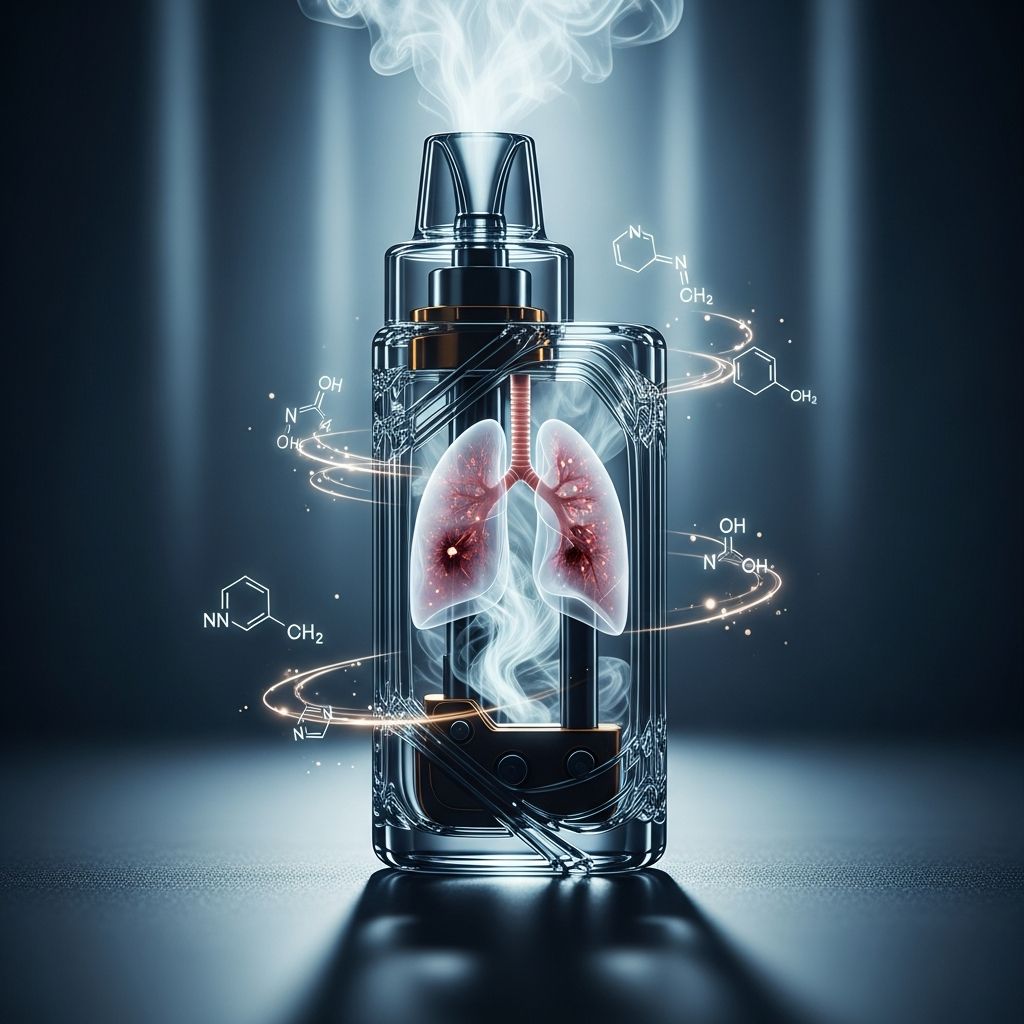
E-cigarettes typically consist of a battery, a heating element, and a cartridge or tank that holds the e-liquid. When the device is activated, the heating element vaporizes the liquid, which contains nicotine, flavorings, and other chemicals. The user inhales the resulting aerosol, which delivers nicotine and other substances to the lungs.
Common Ingredients in Vape Liquids
Vape liquids can contain a variety of ingredients, including:
- Nicotine
- Propylene glycol
- Glycerin
- Flavorings
- Heavy metals (such as arsenic and lead)
- THC (in some products)
Why Is Vaping Dangerous?
Despite being marketed as a safer alternative to smoking, vaping is not without risks. The aerosol produced by e-cigarettes contains harmful chemicals that can damage the lungs and other organs. Research has shown that vaping can lead to serious health problems, including lung injury, addiction, and long-term respiratory issues.
Short-Term Side Effects of Vaping
Some of the short-term side effects of vaping include:
- Coughing
- Shortness of breath
- Wheezing
- Chest pain
- Nausea
- Dizziness
- Headaches
Long-Term Health Risks of Vaping
Long-term use of e-cigarettes can lead to more serious health problems, including:
- Lung damage
- Chronic bronchitis
- Asthma
- Increased risk of heart disease
- Increased risk of cancer
- Impaired cognitive development (especially in adolescents)
E-Cigarette or Vaping Product Use-Associated Lung Injury (EVALI)
EVALI is a serious lung condition that has been linked to the use of e-cigarettes and vaping products. Symptoms of EVALI include:
- Shortness of breath
- Cough
- Fever
- Fatigue
- Weight loss
- Chest pain
Most cases of EVALI have been associated with the use of THC-containing vapes, but it can also occur in people who use nicotine-only products. The condition can be life-threatening and may require hospitalization.
Impact on Adolescents
Adolescents are particularly vulnerable to the dangers of vaping. The developing brain is more susceptible to the effects of nicotine, which can lead to long-term changes in cognitive development and decreased memory capacity. Additionally, teens who vape are more likely to start smoking traditional cigarettes.
Chemicals in Vaping Aerosols
Vaping aerosols contain a variety of harmful chemicals, including:
- Nicotine
- Heavy metals (such as arsenic and lead)
- Flavorings
- THC
- Other toxic substances
Related Stories



These chemicals can irritate the lungs, cause inflammation, and lead to long-term respiratory problems.
Impact on Lung Function
Vaping can impair lung function in several ways:
- Disruption of the airway epithelial barrier
- Increased airway hyperreactivity
- Lung tissue destruction
- Impaired mucus clearance
- Increased risk of asthma and bronchitis
Studies have shown that vaping can lead to a decrease in the diffusing capacity of the lungs for carbon monoxide (DLCO), which suggests long-term impact on lung function.
Impact on Brain and Cognitive Development
Nicotine exposure during adolescence can disrupt the brain’s neurotransmitter systems, leading to long-term changes in cognitive development and decreased memory capacity. This is particularly concerning for teens, whose brains are still developing critical functions such as self-control, emotional maturation, and reward processing.
Impact on Heart Health
Nicotine in e-cigarettes can raise blood pressure and put added strain on the heart. This increases the risk of heart disease and other cardiovascular problems.
Impact on Mental Health
There is growing evidence that vaping may have negative effects on mental health, particularly in adolescents. Teens who vape are more likely to experience anxiety, depression, and attention deficit hyperactivity disorder (ADHD).
Impact on Addiction
Vaping can lead to nicotine addiction, which is difficult to overcome. The stimulant effect of nicotine rewires the brain, building an intense craving for the substance and the feel-good dopamine rush it delivers.
Impact on Cancer Risk
Vaping exposes users to thousands of chemicals, many of which are known to cause cancer. The risk of developing cancer increases with long-term use of e-cigarettes.
Impact on Respiratory Infections
Vaping can weaken the immune system and make users more susceptible to respiratory infections, including viral infections like RSV. The disruption of the airway barrier allows viruses and other pathogens to enter the lungs more easily.
Impact on Pregnancy
Vaping during pregnancy can have serious consequences for both the mother and the developing fetus. Nicotine exposure can lead to low birth weight, premature birth, and developmental problems in the baby.
Impact on Secondhand Exposure
Secondhand exposure to vaping aerosols can also be harmful, particularly for children and people with respiratory conditions. The aerosol contains harmful chemicals that can be inhaled by bystanders.
Impact on Dual Use
Dual use of e-cigarettes and traditional cigarettes is associated with a higher risk of disease, including respiratory illnesses, compared to smoking alone. People who use both products are more likely to experience negative health outcomes.
Impact on Recovery
Some damage to the lungs from vaping can heal or improve with medications, but other types of damage, such as lung scarring, are permanent. Over time, constant irritation to the lungs can lead to chronic health problems that won’t go away.
FAQs About Vaping
Is vaping safer than smoking?
No, vaping is not safer than smoking. Both vaping and smoking expose users to harmful chemicals that can damage the lungs and other organs.
Can vaping cause lung disease?
Yes, vaping can cause serious respiratory illnesses, including lung injury, chronic bronchitis, and asthma.
Can vaping lead to addiction?
Yes, vaping can lead to nicotine addiction, which is difficult to overcome.
Is vaping safe for adolescents?
No, vaping is not safe for adolescents. The developing brain is more susceptible to the effects of nicotine, which can lead to long-term changes in cognitive development and decreased memory capacity.
Can vaping cause cancer?
Yes, vaping exposes users to thousands of chemicals, many of which are known to cause cancer.
Can vaping cause heart disease?
Yes, nicotine in e-cigarettes can raise blood pressure and put added strain on the heart, increasing the risk of heart disease.
Can vaping cause mental health problems?
Yes, there is growing evidence that vaping may have negative effects on mental health, particularly in adolescents.
Can vaping cause respiratory infections?
Yes, vaping can weaken the immune system and make users more susceptible to respiratory infections, including viral infections like RSV.
Can vaping cause pregnancy complications?
Yes, vaping during pregnancy can have serious consequences for both the mother and the developing fetus.
Is secondhand vaping harmful?
Yes, secondhand exposure to vaping aerosols can be harmful, particularly for children and people with respiratory conditions.
Can dual use of e-cigarettes and traditional cigarettes increase health risks?
Yes, dual use is associated with a higher risk of disease, including respiratory illnesses, compared to smoking alone.
Can lung damage from vaping be reversed?
Some damage to the lungs from vaping can heal or improve with medications, but other types of damage, such as lung scarring, are permanent.
References
- Study Shows How Vaping Can Damage Your Airway — Cleveland Clinic News Service. 2024-01-12. https://newsroom.clevelandclinic.org/2024/01/12/study-shows-how-vaping-can-damage-your-airway
- For Vapers, Frightening Health Consequences are Quickly Emerging — Ellen Rome, M.D., MPH, and Humberto Choi, M.D., Cleveland Clinic. 2019-09-05. https://newsroom.clevelandclinic.org/2019/09/05/for-vapers-frightening-health-consequences-are-quickly-emerging
- Chronic E-Cigarette Use Linked with Long-Term Lung Injury in Teens — Lerner CCF. 2020-06-23. https://www.lerner.ccf.org/news/article/?title=Chronic+E-Cigarette+Use+Linked+with+Long-Term+Lung+Injury+in+Teens%2C+Reports+New+Study&id=f4d62e6b900d3e3a676f2ff8717a4c020e696bff
- Can Vaping Cause Lung Disease? — Health Cleveland Clinic. https://health.clevelandclinic.org/vaping-risk-and-illness-on-the-rise
- The Respiratory Epithelium in the Era of Vaping: Insights from In Vitro Studies — PMC. https://pmc.ncbi.nlm.nih.gov/articles/PMC12648270/
- E-cigarette or Vaping Product Use-Associated Lung Injury in Adolescents — Consult QD. https://consultqd.clevelandclinic.org/e-cigarette-or-vaping-product-use-associated-lung-injury-in-adolescents
- Vaping (E-Cigarettes): What It Is, Side Effects & Dangers — Cleveland Clinic. https://my.clevelandclinic.org/health/treatments/21162-vaping
Similar Articles








Read full bio of Sneha Tete