Vapor Rubs: Complete Guide To Uses, Safety, And Application
Discover safe uses, ingredients, and precautions for vapour rubs in everyday health care.
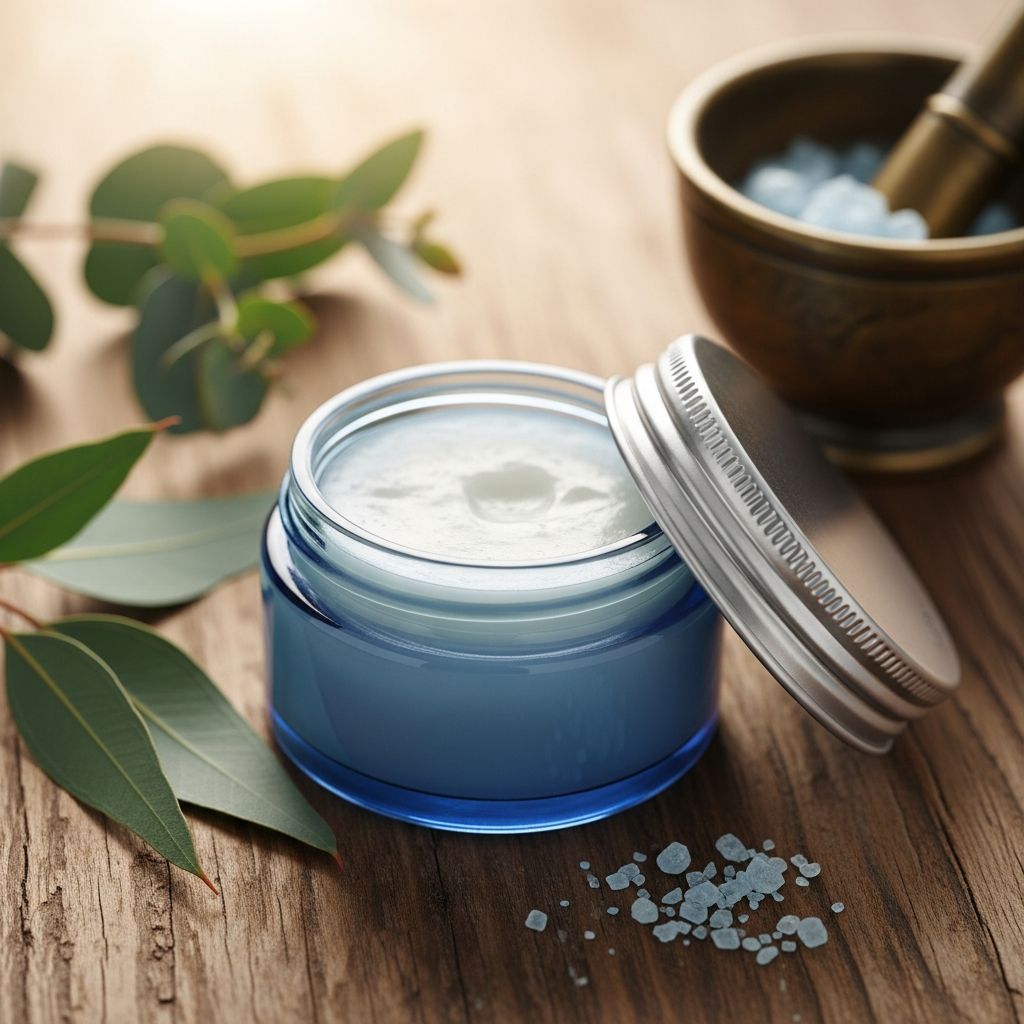
Vapour rubs are popular topical ointments used primarily for easing respiratory discomfort and minor aches. These products deliver a cooling sensation through key ingredients like menthol and camphor, providing temporary relief from symptoms associated with colds and muscle strain.
Key Ingredients in Vapour Rubs
Most vapour rubs contain a blend of active and inactive components that work together to produce their characteristic effects. Menthol offers a cooling feeling by activating cold-sensitive receptors in the skin, while camphor acts as a mild analgesic and counterirritant. Eucalyptus oil contributes antimicrobial properties and a refreshing aroma, and petrolatum serves as a base to lock in moisture and aid delivery. These ingredients create vapors when inhaled or absorbed through the skin, mimicking decongestant effects without actually reducing nasal swelling.
- Menthol: Provides cooling sensation and cough suppression.
- Camphor: Topical pain reliever with anti-inflammatory potential.
- Eucalyptus oil: Adds soothing vapors and minor antifungal action.
- Petrolatum: Moisturizes and protects the skin barrier.
Proven Benefits for Respiratory Relief
Vapour rubs excel at symptom management for upper respiratory tract infections (URTIs). Although not true decongestants, their vapors stimulate nasal receptors, creating an illusion of freer breathing. A 2017 study showed improved subjective sleep quality in adults with colds using vapour rub, attributed to better perceived decongestion overnight. For coughs, applying to the chest and throat can reduce frequency by triggering brain signals that dampen the cough reflex.
Research supports short-term use for these symptoms, particularly at bedtime to enhance rest. However, efficacy is subjective and varies by individual.
Muscle and Joint Pain Management
The analgesic properties of camphor and menthol make vapour rubs suitable for soothing sore muscles and joints. They produce a cooling-to-warming sensation that temporarily masks pain signals, useful after exercise or for mild osteoarthritis. A 2023 review highlighted benefits for knee pain and neuropathic discomfort, though larger trials are needed.
Apply a thin layer to affected areas, massaging gently. Relief typically lasts a few hours, making it a convenient option for on-the-go use.
Skin and Fungal Applications
Beyond respiratory and pain relief, vapour rubs show promise for certain skin conditions. Small studies indicate effectiveness against toenail fungus (onychomycosis) due to thymol’s antifungal effects; daily application over months improved nail appearance in some cases. For pruritus or wound care in conditions like hidradenitis suppurativa, patient surveys report good relief from nodules and itching.
Petrolatum content also softens cracked heels when used overnight with socks, acting as an emollient. However, these uses lack robust clinical backing and should complement, not replace, prescribed treatments.
| Condition | Evidence Level | Application Method |
|---|---|---|
| Toenail fungus | Small studies | Daily to nail bed |
| Cracked heels | Anecdotal | Overnight with socks |
| Pruritus | Survey-based | Thin layer on skin |
Other Common Household Uses
People often explore vapour rubs for creative remedies. For headaches, rubbing on temples provides cooling relief from tension, though evidence is anecdotal. Mosquito repulsion stems from strong scents like eucalyptus, offering mild protection but inferior to DEET. Acne spot treatment leverages antibacterial menthol, but risks pore clogging make it unsuitable for facial use. Minor burns may feel soothed by cooling, yet aloe is preferable to avoid infection. Foot application for coughs lacks science but persists as folklore.
Related Stories



How to Apply Vapour Rubs Effectively
Proper application maximizes benefits while minimizing risks. Use a pea-sized amount rubbed into chest, throat, or back for respiratory issues; avoid over-application to prevent irritation. For muscles, massage into clean, dry skin. Inhale vapors by placing near nose or using in a steam inhaler if directed. Always wash hands after use and keep away from eyes or mucous membranes.
- Clean and dry the area.
- Apply thin layer; do not bandage tightly.
- Use 2-3 times daily, max.
- Combine with hydration and rest for best results.
Safety Precautions and Side Effects
Vapour rubs are generally safe for short-term external use but carry risks. Camphor toxicity can occur if ingested, causing seizures in children; store securely. Skin irritation, rash, or allergic reactions affect sensitive individuals. Not for open wounds, broken skin, or near flames due to flammability.
Pregnant individuals should consult doctors, as absorption may impact safety. Overuse leads to menthol tolerance, reducing efficacy.
Special Guidelines for Children
Children under 2 should not use vapour rubs due to respiratory risks like laryngospasm. For ages 2-11, apply sparingly to chest/back only, under supervision. Studies warn against nasal or facial application in young kids, preferring humidifiers or saline. Always follow age-specific labeling.
When to Avoid or Seek Alternatives
Discontinue if symptoms worsen or persist beyond 7 days; see a doctor for fever, severe cough, or breathing issues. Avoid in asthma without advice, as vapors may trigger attacks. Prescription options like oral decongestants or antifungals outperform for chronic conditions.
FAQs
Can vapour rub cure toenail fungus?
No, it may improve appearance per small studies but isn’t a cure; consult a podiatrist.
Is it safe for babies?
No for under 2 years; use alternatives like humidifiers.
Does it work on headaches?
Anecdotally yes via cooling, but evidence is limited.
Can I use it on my face for acne?
Not recommended; it may clog pores.
How long does relief last?
Typically 4-8 hours, varying by use.
Choosing the Right Vapour Rub Product
Select based on needs: standard for colds, extra-strength for pain. Check for natural variants if preferring fewer synthetics. Brands like Vicks dominate, but generics offer similar formulas at lower cost. Verify Medsafe approval in regulated markets.
References
- 10 Uses for Vicks VapoRub — Healthline. 2023. https://www.healthline.com/health/vicks-vaporub-benefits
- There’s the Rub: a narrative review of the benefits and … — PMC (PubMed Central). 2024. https://pmc.ncbi.nlm.nih.gov/articles/PMC11874951/
- 10 Surprising Uses of Vicks VapoRub You Didn’t Know About! — YouTube (Medical Centric). 2023. https://www.youtube.com/watch?v=_R7XjXbgFno
- Vicks VapoRub: 10 weird ways to use Vicks VapoRub — Chemist-4-U. 2023. https://www.chemist-4-u.com/guides/coughs-cold-flu/vaporub-uses/
- 10 Health Hacks Using Vicks VapoRub — Healthgrades. 2023. https://resources.healthgrades.com/right-care/lifestyle-and-wellness/10-health-hacks-using-vicks-vaporub
- Vicks VapoRub: An effective nasal decongestant? — Mayo Clinic. 2023. https://www.mayoclinic.org/diseases-conditions/common-cold/expert-answers/nasal-decongestant/faq-20058569
Similar Articles








Read full bio of Sneha Tete