Varicoceles: 3 Effective Treatment Options And Outcomes
Discover the causes, symptoms, diagnosis, and effective treatments for varicoceles to protect male reproductive health and fertility.
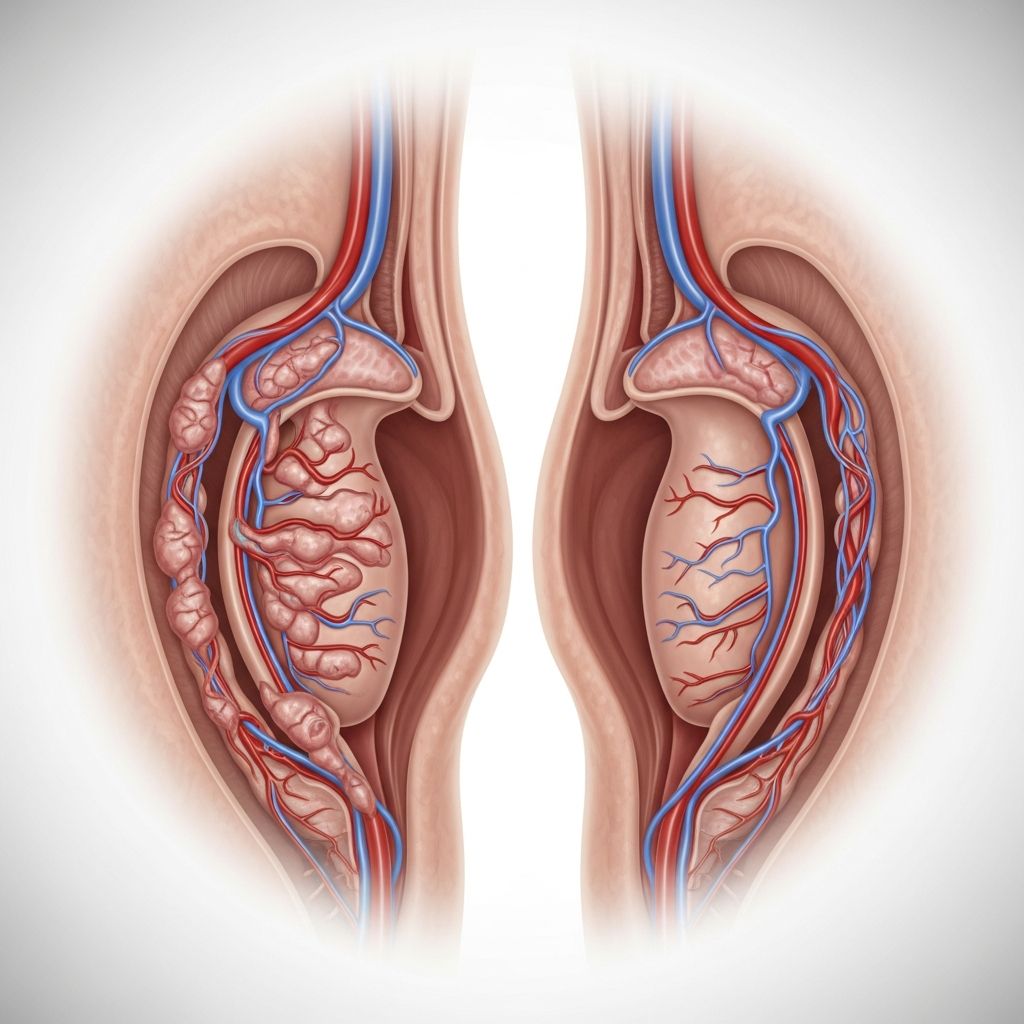
Varicoceles represent a common vascular condition in men, characterized by the enlargement of veins within the scrotum. These dilated veins, part of the pampiniform plexus along the spermatic cord, can lead to discomfort and potential fertility challenges, affecting approximately 15% of adult males.
Understanding the Anatomy and Development of Varicoceles
The scrotum houses the testicles, which rely on a network of veins known as the pampiniform plexus to drain deoxygenated blood back to the heart. Normally, one-way valves within these veins ensure efficient blood flow. When these valves malfunction, blood pools, causing the veins to widen and twist, much like varicose veins in the legs.
This condition typically emerges during puberty due to rapid testicular growth increasing blood demand. It predominantly affects the left side because the left testicular vein connects to the renal vein at a right angle, promoting higher pressure and stagnation compared to the right side’s straighter path to the inferior vena cava.
- Prevalence: Found in 15% of men overall, rising to 40% among those with infertility issues.
- Age Group: Most common between ages 15-25.
- Location: 85-90% on the left; bilateral in 10-15% of cases.
Primary Causes Behind Varicoceles
Although the precise etiology remains unclear, defective venous valves are a leading factor, allowing retrograde blood flow and venous hypertension. Genetic predisposition may play a role, as varicoceles often cluster in families.
Rarely, sudden onset in older men signals underlying pathology, such as a renal tumor compressing the renal vein and obstructing drainage—a critical red flag requiring urgent evaluation.
| Cause | Description | Frequency |
|---|---|---|
| Valve Dysfunction | Impaired one-way flow leads to pooling | Most Common |
| Anatomical Asymmetry | Left vein’s perpendicular drainage | Explains Left-Side Bias |
| Genetic Factors | Familial tendency observed | Moderate |
| Tumor Compression | Kidney or pelvic mass blockage | Rare, in Adults |
Recognizing Varicocele Symptoms
Many varicoceles are asymptomatic, discovered incidentally during routine exams. When present, symptoms include a dull, aching pain or heaviness in the scrotum, worsening with prolonged standing, heat exposure, or physical activity.
Visible signs feature a ‘bag of worms’ texture upon palpation, especially when standing, alongside possible testicular atrophy on the affected side due to elevated local temperatures impairing spermatogenesis.
- Dull scrotal ache or heaviness
- Scrotal swelling or bulge
- Palpable twisted veins
- Testicular size discrepancy
- Fertility concerns (low sperm count/motility)
These symptoms intensify throughout the day and subside when lying down as gravity’s effect diminishes.
Grading the Severity of Varicoceles
Clinicians classify varicoceles by size and palpability to guide management:
- Grade 1: Palpable only during Valsalva maneuver (bearing down).
- Grade 2: Palpable without maneuver, not visible.
- Grade 3: Visible through scrotal skin, easily palpable.
Higher grades correlate with greater fertility risk and discomfort.
How Varicoceles Are Diagnosed
Diagnosis begins with a physical exam, preferably standing, using the Valsalva maneuver to engorge veins. Scrotal ultrasound with Doppler confirms venous reflux, measuring vein diameter (>3mm indicative).
Related Stories



No routine lab tests are needed unless fertility evaluation prompts semen analysis, revealing oligospermia, asthenospermia, or teratospermia.
- History and symptom review
- Standing palpation with Valsalva
- Ultrasound for confirmation and grading
- Semen analysis if infertility suspected
Impact on Fertility and Testicular Health
Varicoceles elevate intratesticular temperature via stagnant blood, disrupting Sertoli cells and spermatogenesis. This results in DNA fragmentation, reduced motility, and abnormal morphology, contributing to 35-40% of primary male infertility cases.
Untreated, they may cause progressive testicular volume loss, particularly in adolescents. Repair often improves semen parameters in 60-70% of cases, with pregnancy rates rising 30-50% post-treatment.
When Treatment Becomes Necessary
Asymptomatic low-grade varicoceles require observation. Intervention is warranted for:
- Pain unresponsive to conservative measures
- Abnormal semen analysis
- Testicular hypotrophy (>20% volume difference)
- Adolescent growth asymmetry
Surgical and Minimally Invasive Treatment Options
Varicocelectomy: Gold standard surgery ligates dilated veins while sparing artery/lymphatics. Microsurgical approach minimizes recurrence (1%) and complications.
Percutaneous Embolization: Catheter-delivered coils or sclerosants occlude veins radiologically, with 90% success and quick recovery.
| Method | Approach | Success Rate | Recovery Time |
|---|---|---|---|
| Microsurgical Varicocelectomy | Open/Microscope | 95-99% | 1-2 Days |
| Laparoscopic | Minimally Invasive | 90% | 1 Day |
| Embolization | Interventional Radiology | 85-90% | Same Day |
Post-op, pain relief occurs in 80-90%, semen improves in 60-70%.
Lifestyle Modifications and Prevention Strategies
While not fully preventable, supportive measures include:
- Avoiding heavy lifting/prolonged standing
- Wearing supportive underwear
- Scrotal elevation during rest
- Anti-inflammatory meds for pain
- Regular fertility check-ups for at-risk men
Maintain ideal weight and avoid overheating the scrotum (hot tubs, saunas).
Common Questions About Varicoceles
FAQs
Can varicoceles resolve without treatment?
Spontaneous resolution is rare; most persist without intervention.
Do all varicoceles cause infertility?
No, only 10-20% impact fertility significantly; monitoring is key.
Is varicocele surgery safe?
Yes, complication rates under 5%; microsurgery safest.
How soon after treatment can fertility improve?
Semen parameters may normalize in 3-6 months.
Can varicoceles recur?
Recurrence is low (1-15%) with modern techniques.
Long-Term Prognosis and Monitoring
Treated varicoceles rarely recur, with sustained fertility benefits. Annual self-exams and urologist follow-ups recommended, especially for adolescents post-puberty.
Early detection via routine exams prevents complications, underscoring urological health’s role in reproductive wellness.
References
- Varicoceles – InformedHealth.org – NCBI Bookshelf — NIH. 2023. https://www.ncbi.nlm.nih.gov/books/NBK279346/
- Varicocele | UM Health-Sparrow — University of Michigan Health-Sparrow. 2024. https://www.uofmhealthsparrow.org/departments-conditions/conditions/varicocele
- Varicocele Diagnosis & Treatment – Aurora Health Care — Aurora Health Care. 2024. https://www.aurorahealthcare.org/services/urology/varicoceles
- Varicocele: Symptoms, Treatment, Diagnosis — UCLA Health. 2024. https://www.uclahealth.org/medical-services/urology/conditions-treated/male-conditions/varicocele-symptoms-treatment-diagnosis
- Varicocele: MedlinePlus Medical Encyclopedia — MedlinePlus (NIH). 2024-02-12. https://medlineplus.gov/ency/article/001284.htm
Similar Articles








Read full bio of Sneha Tete