Varicose Veins: Causes, Symptoms, and Treatment Options
Comprehensive guide to understanding varicose veins, their causes, symptoms, and available treatment options.
What Are Varicose Veins?
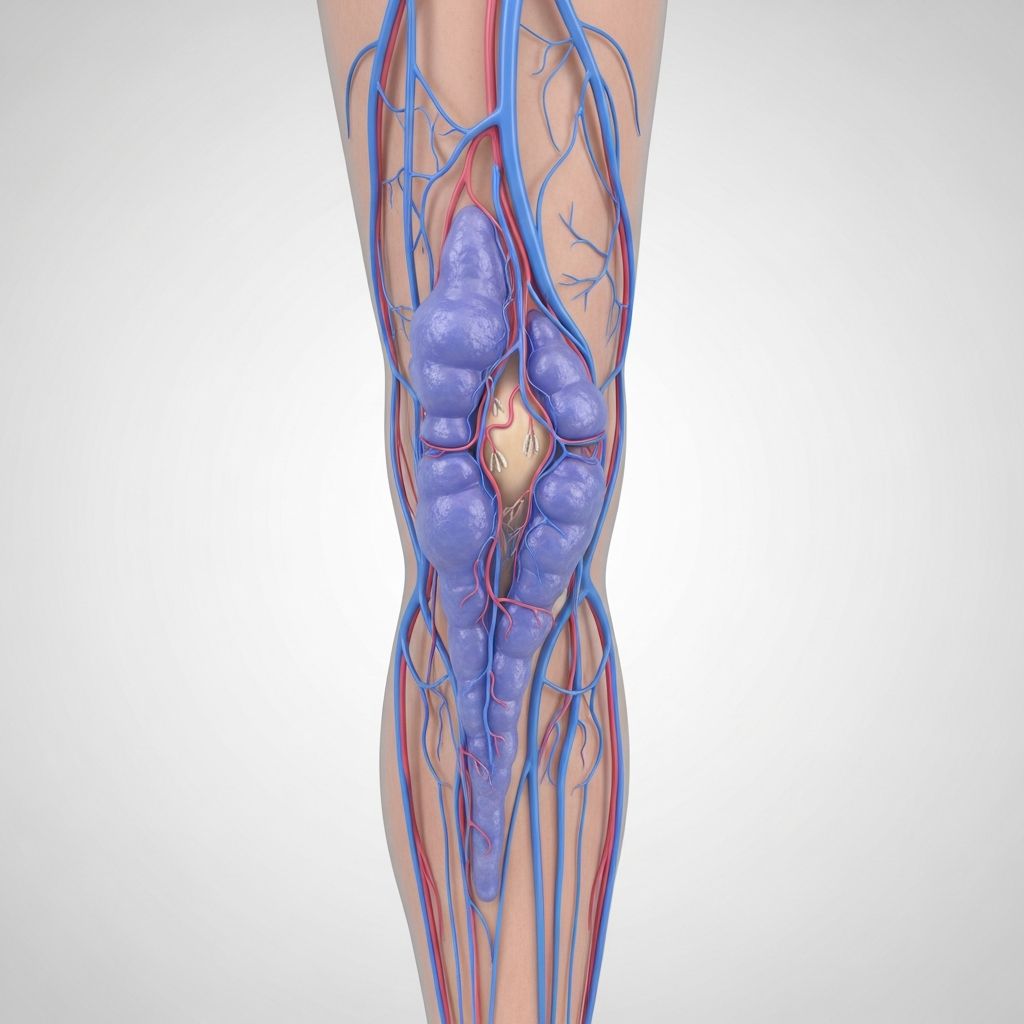
Varicose veins are swollen, twisted veins that usually appear on the legs and feet. They develop when valves within the veins weaken or fail, causing blood to accumulate and pool rather than flow efficiently back toward the heart. This pooling of blood causes the veins to enlarge and become visibly prominent beneath the skin’s surface. These abnormal veins typically appear bluish or purple in color and may resemble cords running just beneath the skin. While varicose veins are primarily a cosmetic concern for many people, they can occasionally lead to more serious circulatory complications if left untreated.
Understanding Venous Anatomy and Function
To understand how varicose veins develop, it’s important to recognize how healthy veins function. Your circulatory system contains an extensive network of blood vessels responsible for transporting blood throughout your body. Veins have a critical responsibility: they must push blood back to your heart against gravity, particularly in the legs. To accomplish this challenging task, veins contain one-way valves that open to allow blood to flow upward toward the heart and then close to prevent backflow.
The venous system includes two main categories: deep veins located within muscle tissue and superficial veins situated closer to the skin’s surface. These two systems are connected by perforating veins. Deep veins are supported by surrounding muscle tissue, which helps propel blood upward. Superficial veins, however, lack this muscular support and depend more heavily on their valves to maintain proper blood flow. This anatomical difference explains why varicose veins more commonly develop in superficial veins.
How Varicose Veins Develop
Varicose veins form when the one-way valves within veins become damaged or weakened. When these valves fail to close properly, blood cannot flow efficiently back to the heart and begins to pool within the affected vein. This accumulation of blood increases pressure within the vein, causing it to stretch and enlarge. As the vein expands, it becomes increasingly twisted and tortuous in appearance. The constant pressure from pooled blood can damage the vein walls further, perpetuating a cycle of progressive deterioration.
Several factors contribute to valve weakness and the development of varicose veins. The condition often results from a combination of genetic predisposition, prolonged sitting or standing, pregnancy, obesity, and age-related changes in vein elasticity. When superficial veins must bear abnormally high pressure—either because of deep vein insufficiency or other circulatory problems—they dilate and become varicose.
Risk Factors and Causes
Multiple factors increase your likelihood of developing varicose veins:
- Family History: If your parents or relatives have varicose veins, your risk increases significantly due to inherited weakness in vein walls or valves.
- Age: The risk increases as you age, as vein walls and valves naturally weaken over time.
- Gender: Women are more likely to develop varicose veins than men, partly due to hormonal factors and pregnancy.
- Pregnancy: Increased blood volume and hormonal changes during pregnancy can weaken vein valves and increase venous pressure.
- Obesity: Excess body weight increases pressure on veins, making valve function more difficult.
- Prolonged Immobility: Long periods of sitting or standing prevent leg muscles from effectively pumping blood back to the heart.
- Occupational Factors: Jobs requiring extended standing or sitting increase varicose vein risk.
- Previous Blood Clots: Deep vein thrombosis can damage valves and increase varicose vein development.
- Tobacco Use: Smoking damages blood vessel walls and impairs circulation.
Related Stories



Symptoms and Clinical Presentation
Varicose veins present with a wide range of symptoms, varying from purely cosmetic concerns to significant physical discomfort. Many people experience no symptoms at all beyond the visible appearance of bulging, twisted veins.
Common symptoms associated with varicose veins include:
- Visible, bulging veins appearing blue or purple
- Leg pain, aching, or heaviness, especially after prolonged standing
- Swelling in the legs, ankles, or feet
- Burning or throbbing sensations in affected areas
- Muscle cramps, particularly at night
- Itching around the affected veins
- Skin discoloration or darkening near affected veins
- Fatigue in the affected limb
Symptoms often worsen as the day progresses and may improve with leg elevation or rest. Some individuals experience significantly worse symptoms during warm weather or after prolonged periods of standing or sitting.
Diagnosis and Evaluation
Diagnosis of varicose veins typically begins with a thorough medical history and physical examination. Your healthcare provider will ask about your symptoms, family history, occupational activities, and any previous medical conditions affecting your circulation. They will examine both legs to assess the location, extent, and appearance of varicose veins.
For a more detailed evaluation, your physician may recommend ultrasound imaging, specifically duplex ultrasound. This non-invasive test uses sound waves to visualize blood flow through your veins and identify areas where valves are not functioning properly. Duplex ultrasound helps determine the severity of venous insufficiency and guides treatment decisions. It can also identify any blood clots or other complications.
Conservative Management and Lifestyle Modifications
For many people with mild to moderate varicose veins, conservative approaches provide symptom relief and prevent progression:
- Compression Stockings: Graduated compression garments squeeze your legs to help veins and leg muscles circulate blood more effectively. These work best when worn daily and are available in various compression levels.
- Elevation: Raising your feet above heart level for 15-30 minutes several times daily reduces leg swelling and improves blood flow back to the heart.
- Regular Exercise: Walking, swimming, and cycling strengthen leg muscles and improve circulation without excessive joint stress.
- Weight Management: Maintaining a healthy weight reduces pressure on your veins and overall cardiovascular strain.
- Avoiding Prolonged Immobility: Change positions frequently, take walking breaks, and avoid crossing your legs when sitting, as this can restrict blood flow.
- Avoiding Tight Clothing: Tight pants, girdles, or boots can restrict circulation and worsen symptoms.
- Skin Care: Keep affected skin clean and moisturized to prevent complications.
Medical and Interventional Treatments
When conservative measures prove insufficient or varicose veins cause significant symptoms, several medical procedures can close or remove affected veins.
Sclerotherapy
Sclerotherapy is the most commonly performed treatment for varicose veins. During this office-based procedure, a physician injects a chemical solution directly into the affected vein, causing it to scar and collapse. The body naturally reroutes blood through healthier veins instead. After sclerotherapy, you wear compression stockings for several weeks to maintain pressure on the treated area. Most patients require multiple treatments, typically spaced 4-6 weeks apart, to completely close a vein. The procedure involves minimal discomfort, primarily from small needle pricks during injection.
Microsclerotherapy
This variation of sclerotherapy uses a smaller needle to treat smaller varicose veins and spider veins with greater precision.
Laser Treatment
Endovenous laser ablation directs laser energy onto the varicose vein from inside the vessel, heating and sealing it closed. This minimally invasive procedure requires no surgical cuts and causes the vein to fade gradually. Laser treatment works particularly well for smaller varicose veins and requires no anesthesia.
Radiofrequency Ablation
Similar to laser treatment, radiofrequency energy heats the inside of the varicose vein to close it off. This technique offers comparable results with potentially less discomfort than laser treatment.
Ambulatory Phlebectomy
This less invasive surgical procedure removes varicose veins close to the skin’s surface through tiny incisions. The area is numbed locally, and you remain awake throughout the procedure. Most patients return home the same day with minimal downtime.
Endoscopic Vein Surgery
For severe cases with significant skin ulceration, endoscopic vein surgery may be recommended. A small camera on a tiny tube allows the surgeon to visualize and close the problematic vein using specialized surgical instruments. Recovery typically takes about 2 weeks.
Vein Stripping and Ligation
Reserved for the most severe cases, this surgical procedure involves making incisions in the skin, tying off affected veins, and removing them. Performed under general anesthesia, this procedure may allow same-day discharge for some patients, though recovery time ranges from 1-4 weeks. Surgeons attempt to preserve the saphenous vein when possible for potential future use in heart bypass surgery.
Potential Complications
While varicose veins are typically not dangerous, complications can occasionally develop. Superficial thrombophlebitis (inflammation and blood clots in varicose veins) can cause leg swelling, redness, pain, and tenderness in the affected area. In rare cases, varicose veins can lead to skin ulcers, particularly near the ankles. If a varicose vein ruptures, direct pressure and leg elevation can control bleeding, but medical evaluation is essential for this potentially serious complication.
Treatment Cost Considerations
Varicose vein treatment costs vary dramatically, ranging from $10 to $100 for compression stockings to thousands of dollars for surgical procedures. Insurance coverage depends on whether treatment is classified as medically necessary or cosmetic. Many insurers cover treatment if it addresses medical symptoms or complications but may not cover purely cosmetic treatment.
When to Seek Medical Attention
Contact your healthcare provider if you experience sudden worsening of varicose vein symptoms, notice bleeding or open sores near varicose veins, develop severe leg swelling or skin changes, or experience significant pain or heaviness in affected areas. Seek immediate medical attention if a varicose vein ruptures or if you develop signs of blood clots, including sudden severe swelling, warmth, or calf pain.
Frequently Asked Questions
Q: Are varicose veins dangerous?
A: Varicose veins are typically not dangerous and often cause only cosmetic concerns. However, they can occasionally lead to complications such as blood clots, skin ulcers, or severe pain requiring medical intervention.
Q: Can varicose veins go away on their own?
A: Varicose veins typically do not resolve without treatment. However, conservative measures like compression stockings, elevation, and lifestyle modifications can prevent progression and manage symptoms.
Q: How long does recovery take after varicose vein treatment?
A: Recovery time varies by procedure. Sclerotherapy requires no downtime, ambulatory phlebectomy allows same-day discharge, endoscopic surgery typically requires 2 weeks recovery, and vein stripping recovery ranges from 1-4 weeks.
Q: Will varicose veins return after treatment?
A: While treated veins typically do not recur, new varicose veins may develop in other areas due to underlying venous insufficiency or risk factors.
Q: Can pregnancy cause varicose veins?
A: Yes, pregnancy increases varicose vein risk due to increased blood volume and hormonal changes that weaken vein valves. Many pregnancy-related varicose veins improve after delivery.
References
- Varicose Vein: A Comprehensive Guide for Healthcare Professionals — ANFA Academy. Accessed 2025. https://www.anfacademy.com/varicose-vein-a-comprehensive-guide-for-healthcare-professionals/
- Understanding Varicose Veins: The Basics — WebMD. Accessed 2025. https://www.webmd.com/skin-problems-and-treatments/understanding-varicose-veins-basics
- Chronic Venous Insufficiency — Brigham and Women’s Hospital Health Library. Accessed 2025. https://healthlibrary.brighamandwomens.org/85,P08250
- Blood Clots and Varicose Veins — Stop the Clot. Accessed 2025. https://www.stoptheclot.org/blood-clots-and-varicose-veins/
Similar Articles








Read full bio of medha deb