Varicose Veins: Causes, Symptoms & Treatment
Comprehensive guide to understanding varicose veins and exploring effective treatment options.
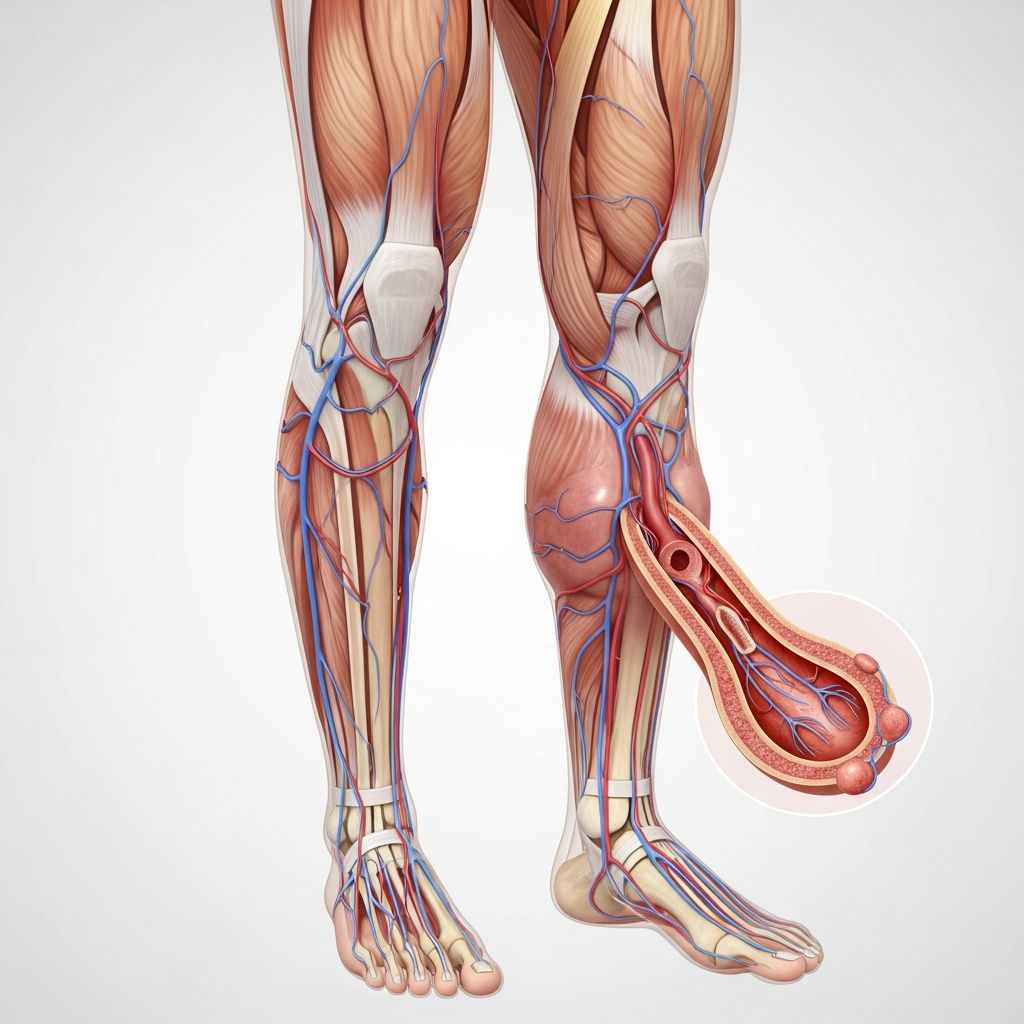
Understanding Varicose Veins: A Comprehensive Guide
Varicose veins are enlarged, twisted veins that typically appear in the legs and feet, creating visible blue or purple bulges beneath the skin’s surface. These swollen veins occur when blood backs up in your leg veins due to weak vein walls or damaged valves, preventing blood from flowing efficiently back to your heart. This common condition affects millions of people worldwide and can range from a cosmetic concern to a serious health issue requiring medical intervention.
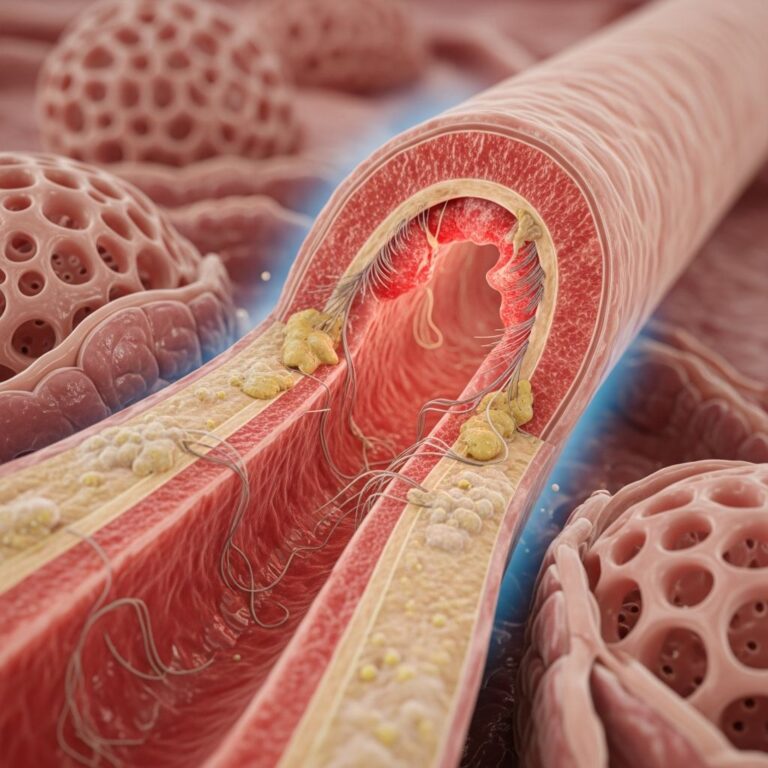
The veins in your body contain one-way valves that are designed to ensure blood flows in the correct direction toward your heart. When these valves become damaged or weakened, blood can pool in the veins instead of moving upward, creating the characteristic swollen appearance associated with varicose veins. Understanding the causes, symptoms, and available treatments can help you make informed decisions about managing this condition.
What Causes Varicose Veins?
Varicose veins develop when the veins in your legs struggle to push blood back to your heart against gravity. Several factors can contribute to the development of varicose veins, including:
- Weakened or damaged vein valves that fail to function properly
- Weak vein walls that cannot maintain adequate pressure for blood circulation
- Prolonged standing or sitting that impairs blood flow
- Pregnancy, which increases blood volume and pressure on veins
- Obesity, which adds extra pressure on leg veins
- Age, as veins naturally lose elasticity over time
- Family history of varicose veins
- Hormonal changes related to menopause or birth control use
Understanding these risk factors can help you take preventive measures and recognize when professional medical evaluation is necessary.
Recognizing Symptoms of Varicose Veins
Varicose veins can present with various symptoms that range from mild to severe. Some people may experience no symptoms at all, while others may suffer from significant discomfort. Common symptoms include:
- Visible, bulging veins that appear blue or purple
- Pain, aching, or heaviness in the legs
- Swelling in the ankles and feet
- Skin discoloration or changes in the affected area
- Itching or burning sensations near the veins
- Muscle cramps, particularly at night
- Restlessness in the legs
- Skin ulcers or open sores in severe cases
If you experience any of these symptoms, particularly if they are accompanied by pain or swelling that interferes with your daily activities, consulting with a vascular specialist is recommended.
Risk Factors and Prevention
Certain factors increase your likelihood of developing varicose veins. Women are more commonly affected than men, particularly after pregnancy. Age plays a significant role, as the risk increases with advancing years. A family history of varicose veins substantially increases your risk, as the condition often runs in families.
Preventive measures can help reduce your risk of developing varicose veins or prevent existing ones from worsening. These include maintaining a healthy weight, exercising regularly to improve circulation, avoiding prolonged periods of standing or sitting, elevating your legs when resting, wearing compression stockings, and maintaining a diet rich in fiber and low in salt. Taking regular breaks during work to move around and keeping your legs elevated above heart level when possible can also help manage symptoms.
Related Stories



Diagnostic Evaluation
Thorough evaluation is critical to achieving the best, customized treatment results. During your initial consultation, a board-certified vascular specialist will examine your leg veins and discuss your symptoms and concerns. Your healthcare provider may perform a vascular ultrasound exam to identify the exact location and depth of affected veins, allowing for precise diagnosis and treatment planning.
State-of-the-art vascular ultrasound technology provides detailed imaging that guides treatment decisions and ensures faster, less-painful procedures with better results. These diagnostic tests help distinguish between varicose veins and other vascular conditions, ensuring you receive appropriate treatment for your specific situation.
Treatment Options for Varicose Veins
Modern medicine offers several effective treatment options for varicose veins, ranging from conservative measures to surgical interventions. The best treatment approach depends on the severity of your condition, your symptoms, your overall health, and your personal goals regarding appearance and symptom relief.
Conservative Lifestyle Measures
For mild cases of varicose veins, lifestyle modifications may provide significant relief. These include wearing compression stockings to help push blood upward, elevating your legs regularly, staying physically active to improve circulation, maintaining a healthy weight, and avoiding prolonged sitting or standing. Compression therapy works by applying gentle pressure to your legs, helping veins and leg muscles move blood more effectively toward your heart.
Sclerotherapy
Sclerotherapy is a minimally invasive procedure that eliminates spider veins and some varicose veins by injecting the affected vein with a special sclerosing agent solution. This chemical solution irritates the vein’s lining, causing it to expand, stick together, and form a scar that closes off the vein. The vein then fades and eventually disappears as your body reabsorbs it.
Most sclerotherapy patients experience significant clearing of veins and positive results. The procedure typically takes 30 to 45 minutes and usually requires multiple sessions to achieve desired results. Spider veins typically respond to treatment within three to six weeks, while larger varicose veins may take three to four months to show complete resolution. Sclerotherapy effectively eliminates pain and discomfort while helping prevent complications such as venous hemorrhage and ulceration, and it is also frequently performed for cosmetic improvement of leg appearance.
Endovenous Thermal Ablation
Endovenous thermal ablation is a minimally invasive procedure that uses laser energy or radiofrequency waves to seal off varicose veins from the inside. During this procedure, your provider guides a thin catheter into the affected vein and delivers controlled heat energy to close the vein. This causes the vein to collapse and seal shut, redirecting blood flow to healthier veins.
This technique is particularly effective for medium to large varicose veins and offers faster recovery times compared to traditional surgical approaches. The procedure typically takes one to three hours and is performed under local anesthesia with sedation. Most patients can return to normal activities within a few days to a week.
Surgical Options
Surgery may be the best treatment when varicose veins are severe or associated with significant symptoms such as pain, swelling, bleeding, or skin changes. Varicose vein stripping and ligation involves making small incisions in your groin and lower leg, locating the affected veins using ultrasound imaging, tying them off, and removing them. This procedure is highly effective even for severe cases or very large varicose veins.
The surgery typically takes one to three hours and is usually performed under general or regional anesthesia. Full recovery generally takes two to four weeks, during which you should avoid strenuous activities and follow your provider’s instructions carefully. Many patients experience immediate and long-lasting relief from pain and improved leg appearance following surgical treatment.
Treatment Efficacy and Expected Results
The goal of any vein treatment procedure is to reduce symptoms and pain, prevent future blood clotting complications, and improve overall appearance. Most patients experience immediate and long-lasting relief from the pain associated with varicose veins, along with significant cosmetic improvement. Treatment results depend on various factors including the severity of your condition, the specific treatment chosen, and your adherence to post-treatment instructions.
Multiple treatments are often required to achieve optimal results, and your vascular specialist may recommend a combination of therapies. Follow-up visits with your healthcare provider help ensure long-lasting results and allow for monitoring of any new vein development. Many patients find that maintaining preventive measures after treatment helps reduce the risk of varicose vein recurrence.
Frequently Asked Questions
Q: Am I a good candidate for spider or varicose vein treatments?
A: Most people with a positive outlook and specific, realistic goals for appearance improvement are good candidates for vein treatment. However, you are not eligible for certain treatments if you are pregnant, breastfeeding, or confined to bed. Pregnant women should wait at least three months after delivery before considering procedures. If you have had a blood clot in the past, your eligibility for vein treatment will be determined on an individual basis. Consulting with a vascular specialist can help determine the best treatment option for your specific situation.
Q: How is vein treatment performed?
A: There is a wide range of treatments available for varicose and spider veins, including conservative measures, sclerotherapy, endovenous thermal ablation, and surgical procedures. Most vein treatments are performed as outpatient procedures, allowing you to return home the same day. Your treatment plan will be customized based on your condition, symptoms, and personal goals.
Q: Will the treatment hurt?
A: Generally, varicose vein and spider vein treatments are minimally invasive or superficial in nature, involving minimal discomfort. Many procedures include local anesthesia to numb the treatment area, and some may include anti-anxiety medication to help you feel relaxed and comfortable throughout the procedure.
Q: What results can I expect?
A: Most patients experience immediate and long-lasting relief from pain associated with varicose veins, as well as improved appearance of their legs. Results typically become more apparent over several weeks to months as your body reabsorbs treated veins. Following your provider’s post-treatment instructions and attending follow-up appointments help ensure optimal, lasting results.
Q: Why seek specialized vein care?
A: Specialized vein centers offer comprehensive evaluation and treatment by board-certified vascular specialists who can determine underlying causes of vein problems and utilize the latest treatment options. Dedicated vein specialists have extensive experience with vascular ultrasound imaging and perform thousands of diagnostic procedures annually using state-of-the-art equipment to guide treatment decisions and ensure the best outcomes.
When to Seek Medical Care
You should schedule an appointment with a vascular specialist if you experience persistent leg pain, swelling that worsens despite elevation, skin changes or discoloration in the affected area, or if varicose veins are interfering with your quality of life. Additionally, if you notice bleeding from varicose veins or develop skin ulcers, seek medical attention promptly. A healthcare provider can evaluate your condition and recommend appropriate treatment options tailored to your needs.
Conclusion
Varicose veins are a common condition that can range from a minor cosmetic concern to a significant health issue. With modern treatment options available, you don’t have to live with pain, swelling, or the appearance of varicose veins. Whether you choose conservative lifestyle measures, minimally invasive procedures like sclerotherapy or endovenous thermal ablation, or surgical intervention, effective solutions exist to help you feel better and improve your leg health. Consulting with a board-certified vascular specialist can help you understand your options and develop a personalized treatment plan that aligns with your health goals and lifestyle needs.
References
- Varicose Veins: Causes & Treatment — Cleveland Clinic. 2024. https://my.clevelandclinic.org/health/diseases/4722-varicose-veins
- Vein Center — Cleveland Clinic. 2024. https://my.clevelandclinic.org/departments/heart/depts/vein-center
- Sclerotherapy: Treatment for Varicose and Spider Veins — Cleveland Clinic. 2024. https://my.clevelandclinic.org/health/treatments/6763-sclerotherapy
- Varicose Vein Stripping & Ligation — Cleveland Clinic. 2024. https://my.clevelandclinic.org/health/treatments/17614-venous-disease-vein-ligation–stripping
- Endovenous Thermal Ablation: Procedure Details and Recovery — Cleveland Clinic. 2024. https://my.clevelandclinic.org/health/treatments/16965-endovenous-thermal-ablation
- Veins: Anatomy and Function — Cleveland Clinic. 2024. https://my.clevelandclinic.org/health/body/23360-veins
Similar Articles








Read full bio of Sneha Tete