Varicose Veins: Symptoms, Causes & 5 Effective Treatments
Understanding the causes, symptoms, diagnosis, and effective treatments for varicose veins to improve leg health and quality of life.
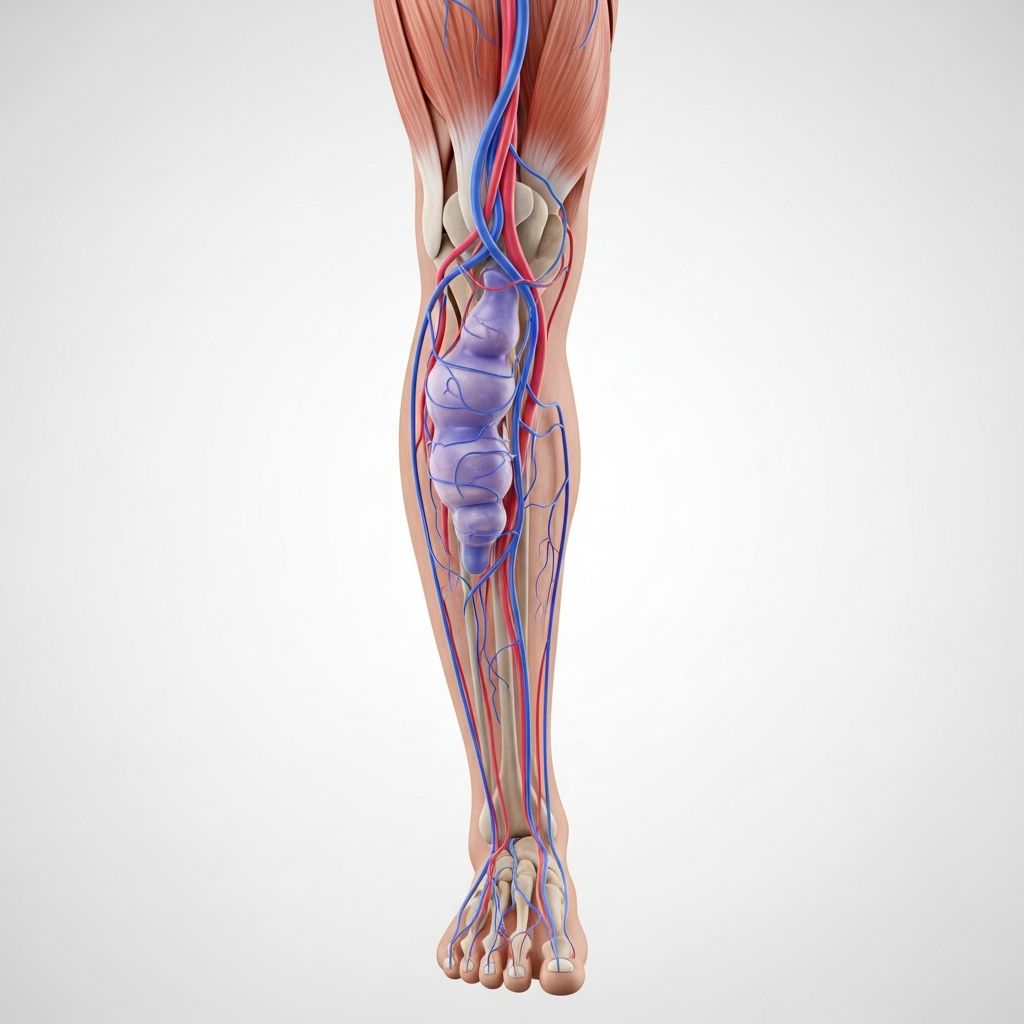
Varicose veins are dilated, tortuous veins most commonly affecting the lower limbs, resulting from chronic venous insufficiency due to valvular incompetence. They affect nearly one-third of adults and manifest as bulging, twisted veins visible near the skin surface, particularly in the calves, ankles, thighs, and buttocks.
What are varicose veins?
Varicose veins occur when veins become enlarged and twisted because the one-way valves within them fail to function properly. Normally, these valves prevent blood from flowing backward as it returns to the heart against gravity. When valves weaken or become damaged, blood pools in the veins, increasing pressure and causing them to dilate and twist. This condition is a key feature of chronic venous insufficiency (CVI), where blood circulation in the legs is impaired.
Superficial veins close to the skin are most affected, while deeper veins remain functional. Over time, this pooling leads to visible varicosities, often described as rope-like structures under the skin. Varicose veins can range from small, thread-like spider veins (telangiectasias) to larger, bulging veins greater than 3 mm in diameter.
Who gets varicose veins?
Varicose veins are prevalent, impacting approximately 30% of adults, with higher rates in women (up to 40%) compared to men (20%). Risk factors include:
- Age: Prevalence increases with age as vein walls lose elasticity.
- Sex: Women are more susceptible due to hormonal influences from pregnancy, menstruation, and menopause.
- Genetics: Family history significantly raises risk.
- Obesity: Excess weight adds pressure on leg veins.
- Prolonged standing or sitting: Occupations like teaching, nursing, or desk jobs promote venous stasis.
- Pregnancy: Increased blood volume and abdominal pressure strain pelvic and leg veins.
- Other factors: Smoking, hypertension, and prior leg injury or surgery.
These factors contribute to valvular damage, making certain populations more prone to developing symptomatic varicose veins.
What causes varicose veins?
The primary cause is venous valvular incompetence, where one-way valves in the saphenous veins (great and small) and tributaries fail. This leads to venous reflux, allowing blood to flow retrograde and pool. Contributing mechanisms include:
- Weakened vein walls due to loss of elasticity.
- Increased venous pressure from gravity during prolonged standing.
- Hormonal changes weakening vein valves.
- Thrombosis or inflammation damaging valves.
In CVI, superficial veins become varicose as collaterals recruit to bypass incompetent segments. Deep vein issues, like post-thrombotic syndrome, can also contribute.
What are the clinical features of varicose veins?
Varicose veins present with both cosmetic concerns and symptoms that worsen with standing and improve with leg elevation.
Symptoms
Common symptoms include:
- Achy, heavy, or tired legs, especially end-of-day.
- Burning, throbbing, itching, or cramping.
- Leg swelling (edema), restlessness, and discomfort while walking.
Symptoms are often bilateral but can be unilateral.
Signs
Physical findings:
- Dilated, tortuous veins >3 mm, blue-purple hue.
- Corona phlebectatica (fan-shaped veins around ankles).
- Edema, skin hyperpigmentation (hemosiderin staining), eczema, or lipodermatosclerosis.
- Rarely, ulcers near medial malleolus.
Diagnosis of varicose veins
Diagnosis begins with history and physical exam: inspecting legs while standing, noting vein distribution, edema, skin changes, and palpating for tenderness or the tourniquet test (vein filling distal to occlusion suggests superficial reflux).
Related Stories



Investigations
Duplex ultrasound is the gold standard, assessing valve function, reflux duration (>0.5 seconds), vein diameter, and clots. It’s non-invasive, taking 20-30 minutes per leg.
Other tests: plethysmography for venous volume or rarely venography. Use CEAP classification (Clinical, Etiology, Anatomy, Pathophysiology) for staging severity.
Complications of varicose veins
Though often benign, complications include:
- Skin changes: Hyperpigmentation, stasis dermatitis, lipodermatosclerosis.
- Ulcers: Chronic, non-healing at ankles.
- Thrombophlebitis: Superficial clot inflammation, painful, red cords.
- Bleeding: Rare rupture causing hemorrhage.
- Deep vein thrombosis (DVT): If superficial clots extend.
Prompt treatment prevents progression.
Management of varicose veins
Treatment is indicated for symptoms, complications, or cosmetics. Options range from conservative to interventional.
Conservative management
- Compression therapy: 20-30 mmHg stockings reduce symptoms but lack strong evidence without ulcers.
- Lifestyle: Exercise, weight loss, leg elevation, avoid prolonged standing, high-fiber diet.
- Medications: Limited role; venoactive drugs like diosmin may help symptoms.
Do not delay intervention for compression trial if reflux is documented.
Interventional treatments
First-line: Endovenous thermal ablation (laser/radiofrequency) under local anesthesia seals incompetent veins, with high success, minimal downtime.
| Treatment | Description | Best For | Pros/Cons |
|---|---|---|---|
| Endovenous Laser Ablation (EVLA) | Catheter-delivered laser heat collapses vein | Large saphenous veins | Outpatient, effective; minor bruising |
| Radiofrequency Ablation (RFA) | Similar to EVLA using RF energy | Saphenous reflux | Less pain than surgery |
| Sclerotherapy | Inject sclerosant to scar vein | Spider/reticular veins | Simple; hyperpigmentation risk |
| Ambulatory Phlebectomy | Micro-incisions remove varicosities | Residual veins | Cosmetic; local anesthesia |
| Surgery (Ligation/Stripping) | Tie and remove vein | Advanced cases | Less used now; longer recovery |
Surface laser for small veins; complications rare (pain, discoloration, clots).
Prevention of varicose veins
- Maintain healthy weight and fitness.
- Avoid static postures; take walking breaks.
- Wear compression during pregnancy/long stands.
- Elevate legs, promote circulation.
Frequently Asked Questions
Q: Do varicose veins go away on their own?
A: No, they typically worsen without treatment. Early intervention prevents complications.
Q: Are compression stockings enough?
A: They relieve symptoms but do not fix underlying reflux. Ablation is needed for cure.
Q: Is treatment painful?
A: Minimally invasive options use local anesthesia; most patients resume activities quickly.
Q: Can varicose veins lead to DVT?
A: Rarely, superficial thrombophlebitis can extend; ultrasound monitors risk.
Q: Who should treat varicose veins?
A: Vascular specialists like interventional radiologists or surgeons.
References
- Varicose Veins: Diagnosis and Treatment — American Academy of Family Physicians. 2019-06-01. https://www.aafp.org/pubs/afp/issues/2019/0601/p682.html
- Varicose Veins Symptoms & Treatment — UCSF Radiology. Accessed 2026. https://radiology.ucsf.edu/patient-care/services/varicose-veins-treatments
- Varicose Veins: Diagnosis and Treatment – PubMed — National Library of Medicine. 2019. https://pubmed.ncbi.nlm.nih.gov/31150188/
- Varicose veins – Diagnosis and treatment — Mayo Clinic. Accessed 2026. https://www.mayoclinic.org/diseases-conditions/varicose-veins/diagnosis-treatment/drc-20350649
- Varicose Veins Symptoms & Diagnosis — UCLA Health. Accessed 2026. https://www.uclahealth.org/medical-services/surgery/venous-care/conditions-treatments/varicose-veins/varicose-veins-symptoms-diagnosis
- Varicose Veins — Society for Vascular Surgery. Accessed 2026. https://vascular.org/your-vascular-health/vascular-conditions/common-conditions/varicose-veins
Similar Articles








Read full bio of Sneha Tete