Vascular Dementia: Causes, Symptoms, and Treatment
Understanding vascular dementia: How blood vessel damage affects brain function and cognition.
Understanding Vascular Dementia
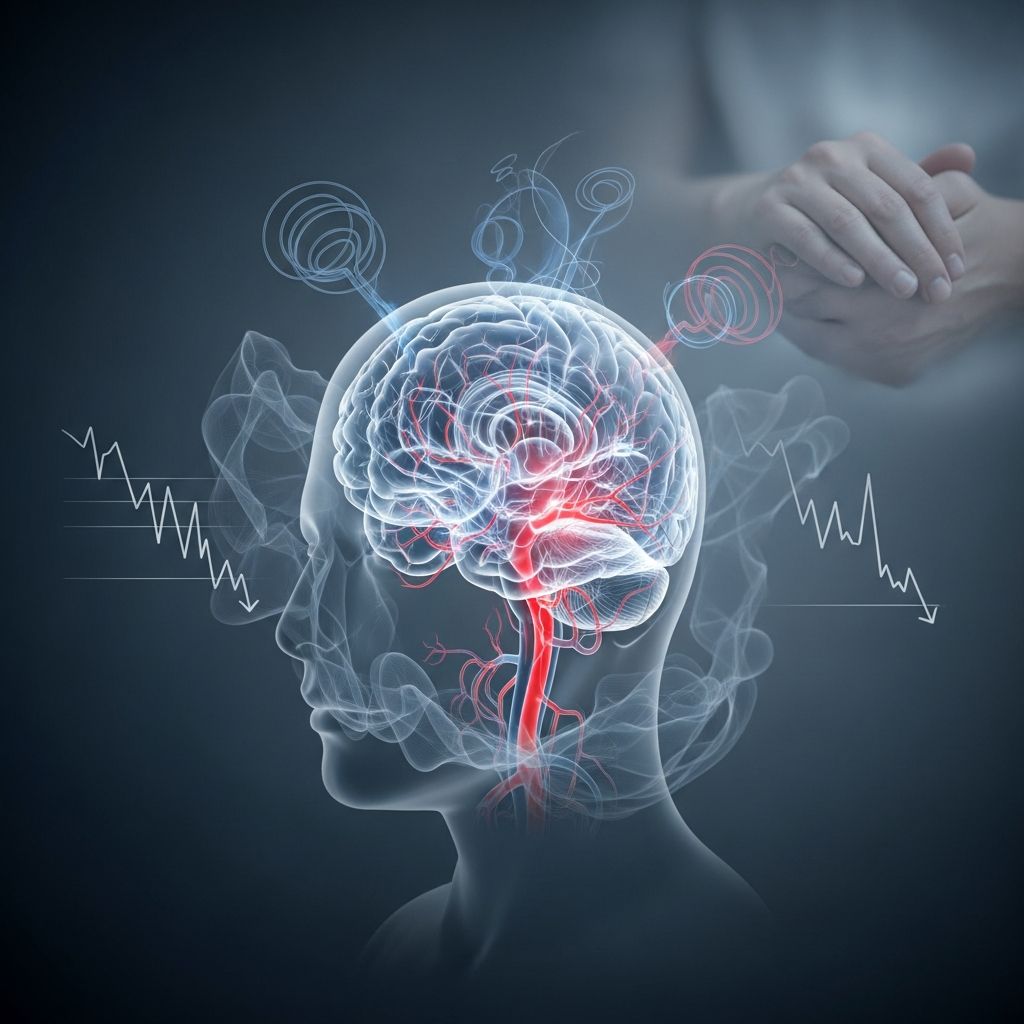
Vascular dementia is a progressive condition characterized by changes in memory, thinking, and behavior that result from impaired blood flow to the brain. This type of dementia occurs when conditions affecting the brain’s blood vessels interrupt the supply of oxygen and nutrients to brain cells, ultimately leading to cell death and cognitive decline. The severity and progression of vascular dementia depend significantly on the size, location, and extent of vascular changes in the brain.
As one of the most common forms of dementia affecting individuals over age 65 in North America and Europe, vascular dementia accounts for approximately 5% to 10% of all dementia cases when occurring in isolation. However, it frequently coexists with Alzheimer’s disease or other forms of dementia in a condition known as mixed dementia, which can complicate symptom presentation and progression patterns.
What Causes Vascular Dementia?
Vascular dementia develops when conditions damage blood vessels in the brain and disrupt the normal flow of blood and oxygen. This vascular damage can manifest in several distinct ways, each contributing to cognitive impairment through different mechanisms.
Primary Causes of Vascular Damage
The primary causes of vascular dementia include the following conditions that interrupt blood supply to the brain:
- Stroke: A major stroke that suddenly cuts off blood supply to a significant portion of brain tissue represents one of the most direct causes of vascular dementia. However, individuals who experience a single major stroke do not automatically develop dementia, as cognitive impact depends on the stroke’s location and extent.
- Mini-strokes (TIAs): Transient ischemic attacks, commonly called mini-strokes, cause temporary interruptions in blood flow. Multiple mini-strokes can accumulate widespread but subtle damage throughout the brain, leading to progressive cognitive decline.
- Blood Vessel Narrowing: Atherosclerosis and other degenerative conditions progressively narrow blood vessels in the brain, reducing oxygen delivery and gradually damaging brain tissue over time.
- Small Vessel Disease: Damage to the smallest blood vessels in the brain, often visible as white matter hyperintensities on MRI scans, contributes significantly to vascular cognitive impairment.
- Cerebral Hypoperfusion: Chronically reduced blood flow to the brain deprives cells of essential oxygen and nutrients, leading to gradual neuronal death.
Risk Factors for Vascular Dementia
Multiple medical conditions increase the likelihood of developing vascular dementia by damaging blood vessels or increasing stroke risk:
- Hypertension (High Blood Pressure): Elevated blood pressure causes progressive damage to blood vessel walls, increasing vulnerability to rupture and reducing blood flow efficiency.
- Diabetes: High blood sugar levels damage blood vessels throughout the body, including those in the brain, significantly increasing stroke and vascular dementia risk.
- High Cholesterol: Cholesterol and other substance buildup in arteries (atherosclerosis) narrows blood vessels and restricts blood flow to brain tissue.
- Heart Disease: Cardiovascular conditions including atrial fibrillation increase stroke risk through irregular heartbeats and clot formation that can travel to the brain.
- Smoking: Tobacco use damages blood vessel walls and increases clot formation risk.
- Age: Advancing age naturally increases blood vessel vulnerability and stroke risk.
Recognizing Symptoms of Vascular Dementia
Vascular dementia symptoms vary considerably depending on which brain regions have been affected by vascular damage. Some individuals experience sudden symptom onset following a stroke, while others develop symptoms gradually through multiple small vascular events. The progression pattern, severity, and specific cognitive deficits differ from person to person.
Cognitive and Mental Symptoms
The cognitive changes associated with vascular dementia include:
- Confusion and disorientation
- Memory problems and difficulty recalling information
- Impaired concentration and attention span
- Difficulty organizing thoughts and planning
- Trouble finding the right words or communicating clearly
- Slowed thinking and processing speed
Behavioral and Mood Changes
Related Stories



Beyond cognitive symptoms, vascular dementia frequently produces behavioral and emotional changes:
- Depression or apathy (lack of interest or motivation)
- Restlessness and agitation
- Personality changes
- Mood swings and emotional instability
- Reduced social engagement and withdrawal
Physical Symptoms
Vascular dementia also manifests through physical and neurological symptoms:
- Unsteady gait or poor balance
- Frequent or uncontrollable urination
- Weakness or numbness on one side of the body
- Sudden severe headache
- Difficulty walking or moving
- Facial drooping or slurred speech
How Vascular Dementia Is Diagnosed
Healthcare providers use comprehensive diagnostic criteria and imaging studies to confirm vascular dementia and distinguish it from other forms of cognitive impairment. Accurate diagnosis is essential for appropriate treatment planning and prognostication.
Diagnostic Evaluation Process
The diagnostic workup typically includes:
- Medical History and Cognitive Assessment: Detailed evaluation of symptom onset, progression pattern, and cognitive function through standardized testing.
- Brain Imaging (MRI): Magnetic resonance imaging reveals abnormalities including evidence of prior strokes, white matter changes, blood vessel narrowing, and areas of reduced blood flow. MRI findings are critical for vascular dementia diagnosis, as nearly all individuals with this condition show detectable brain abnormalities.
- Neurological Examination: Physical examination assesses reflexes, balance, coordination, and other neurological functions affected by brain vascular disease.
- Cardiovascular Evaluation: Assessment of heart function and blood vessels to identify conditions contributing to stroke risk and vascular damage.
- Laboratory Testing: Blood tests evaluate cholesterol levels, blood sugar, blood pressure, and other cardiovascular risk factors.
Diagnostic Criteria
Healthcare providers apply specific diagnostic criteria suggesting that cognitive impairment results from vascular damage rather than other causes. These criteria typically require evidence of cognitive decline combined with neuroimaging findings demonstrating vascular abnormalities in locations consistent with cognitive symptoms.
Treatment Approaches for Vascular Dementia
Unlike some other conditions, vascular dementia currently has no cure or treatment that reverses existing brain damage. However, multiple evidence-based approaches can slow disease progression, prevent additional brain damage, and help individuals adapt to cognitive changes.
Primary Treatment Goals
Treatment focuses on three main objectives:
- Preventing future strokes and additional brain damage
- Managing underlying medical conditions and risk factors
- Helping individuals compensate for existing cognitive deficits
Medication Management
Several medication categories help prevent complications and manage vascular dementia:
Stroke Prevention Medications: Blood thinners such as aspirin or warfarin reduce clot formation risk and help maintain blood vessel patency, decreasing stroke likelihood. These medications are often prescribed as primary stroke prevention in individuals at elevated risk.
Blood Pressure Control: Antihypertensive medications reduce blood pressure to target levels, protecting blood vessels from further damage and reducing stroke risk. Blood pressure management represents one of the most important modifiable risk factors.
Cholesterol-Lowering Medications: Statins reduce cholesterol levels and may stabilize atherosclerotic plaques, reducing blood vessel narrowing and stroke risk.
Diabetes Management: Medications controlling blood sugar prevent further blood vessel damage and reduce complications in individuals with diabetes.
Heart Rate and Rhythm Medications: In individuals with atrial fibrillation or other cardiac arrhythmias, medications maintain regular heart rhythm, reducing clot formation and stroke risk.
Symptom Management Medications: While the FDA has not approved medications specifically for vascular dementia, evidence suggests that medications treating Alzheimer’s disease symptoms may provide modest benefits for some individuals with early vascular dementia, particularly in improving memory and thinking.
Lifestyle Modifications
Sustainable lifestyle changes significantly impact disease progression and long-term outcomes:
- Regular Physical Activity: Exercise improves cardiovascular health, blood flow, and cognitive function. Moderate activity for at least 150 minutes weekly supports brain health.
- Healthy Diet: Mediterranean and DASH diets emphasize fruits, vegetables, whole grains, and lean proteins while limiting saturated fats and sodium, supporting cardiovascular and brain health.
- Smoking Cessation: Quitting smoking dramatically reduces stroke and cardiovascular disease risk.
- Weight Management: Maintaining healthy weight reduces strain on the cardiovascular system and improves blood flow.
- Cognitive Engagement: Mental stimulation through reading, puzzles, learning, and social interaction may help maintain cognitive reserve and slow decline.
- Social Connection: Maintaining meaningful relationships and social engagement supports mental health and cognitive function.
Rehabilitation and Support Services
Comprehensive care includes rehabilitation services and adaptive strategies:
- Speech therapy for communication difficulties
- Physical therapy for balance and mobility problems
- Occupational therapy for daily living activities
- Cognitive rehabilitation strategies
- Memory aids and organizational systems
- Caregiver education and support
Risk Factor Management and Prevention
While vascular dementia cannot be completely prevented in all individuals, aggressive management of modifiable risk factors substantially reduces incidence and slows progression. Healthcare providers work with patients to optimize control of blood pressure, cholesterol, blood sugar, and cardiac conditions through medications and lifestyle changes.
Substantial evidence demonstrates that controlling cardiovascular risk factors improves outcomes and may postpone or prevent cognitive decline. Individuals should work closely with their healthcare team to develop personalized treatment plans addressing their specific risk factors and circumstances.
Living with Vascular Dementia
Individuals diagnosed with vascular dementia benefit from comprehensive support systems including family education, caregiver resources, and community services. Memory support programs, support groups, and counseling help individuals and families adapt to cognitive changes and maintain quality of life.
Early diagnosis and aggressive risk factor management offer the best opportunity to slow disease progression and preserve cognitive and functional abilities. Regular follow-up with healthcare providers ensures treatment optimization and timely adjustment of management strategies as needs evolve.
Frequently Asked Questions About Vascular Dementia
Q: Is vascular dementia reversible?
A: No, vascular dementia is not reversible. Brain damage from reduced blood flow cannot be fully repaired. However, treatment can sometimes slow progression and prevent additional damage by managing underlying conditions and risk factors.
Q: Can someone have both vascular dementia and Alzheimer’s disease?
A: Yes, many individuals have mixed dementia, combining vascular dementia with Alzheimer’s disease or other forms. This occurs in a significant percentage of dementia cases and may affect symptom presentation and progression patterns.
Q: What is the difference between a stroke and vascular dementia?
A: A stroke is an acute event where blood flow to brain tissue is suddenly blocked. Vascular dementia refers to cognitive decline resulting from reduced blood flow, which may result from strokes, small vessel disease, or other vascular conditions causing cumulative brain damage.
Q: Can vascular dementia be prevented?
A: While vascular dementia cannot always be prevented, aggressive management of risk factors such as high blood pressure, diabetes, high cholesterol, and heart disease significantly reduces risk and slows progression when diagnosed.
Q: What medications treat vascular dementia symptoms?
A: The FDA has not approved medications specifically for vascular dementia. However, blood pressure medications, cholesterol reducers, blood thinners, and diabetes medications prevent further damage. Medications treating Alzheimer’s symptoms may provide modest benefit in some cases.
Q: What is the prognosis for vascular dementia?
A: Prognosis depends on the extent of vascular damage, how quickly treatment begins, and how well underlying risk factors are managed. Early intervention and aggressive risk factor control can significantly slow progression and improve long-term outcomes.
References
- Vascular Dementia: Causes, Symptoms, and Treatments — National Institute on Aging (NIA), U.S. National Institutes of Health. 2024. https://www.nia.nih.gov/health/vascular-dementia/vascular-dementia-causes-symptoms-and-treatments
- Vascular Dementia: Symptoms, Treatment & Prognosis — Cleveland Clinic. 2024. https://my.clevelandclinic.org/health/diseases/22216-vascular-dementia
- What Is Vascular Dementia? — Alzheimer’s Disease Education and Referral (ADEAR) Center, National Institute on Aging. 2024. https://www.alzheimers.gov/alzheimers-dementias/vascular-dementia
- Vascular Dementia — NHS (National Health Service), United Kingdom. 2024. https://www.nhs.uk/conditions/vascular-dementia/
- Vascular Cognitive Impairment and Vascular Dementia — Mayo Clinic. 2024. https://www.mayoclinic.org/diseases-conditions/vascular-dementia/diagnosis-treatment/drc-20378798
- Vascular Dementia: Symptoms & Treatments — Alzheimer’s Association. 2024. https://www.alz.org/alzheimers-dementia/what-is-dementia/types-of-dementia/vascular-dementia
Similar Articles








Read full bio of medha deb