Vascular Dementia Symptoms: 5 Types, Early Signs, Treatment
Recognizing early signs of vascular dementia: from cognitive changes to mood shifts and prevention strategies for better brain health.
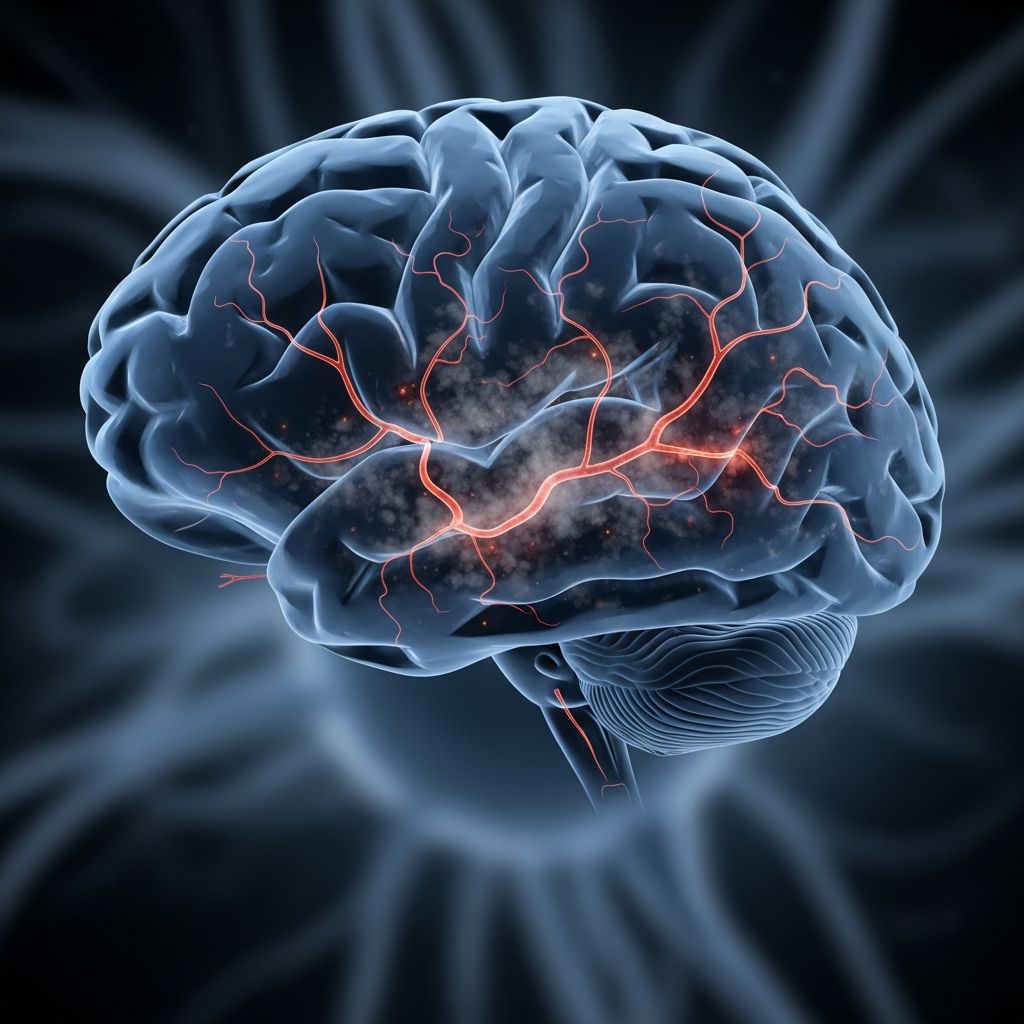
Vascular dementia is the second most common form of dementia after Alzheimer’s, caused by reduced blood flow to the brain due to damaged blood vessels. Symptoms often develop suddenly after a stroke or gradually from small vessel disease, affecting thinking, memory, mood, and daily function.
What Is Vascular Dementia?
Vascular dementia occurs when conditions impair blood flow and oxygen to the brain, leading to cognitive changes. Unlike Alzheimer’s, where memory loss dominates early on, vascular dementia frequently starts with issues in planning, problem-solving, and processing speed. It can appear alone or mixed with other dementias like Alzheimer’s, known as mixed dementia.
The condition affects brain regions variably based on vascular damage location, size, and extent. MRI scans often reveal strokes, white matter changes, or small vessel disease in affected individuals.
Early Symptoms of Vascular Dementia
Early signs differ from Alzheimer’s, emphasizing executive function over memory. Common initial symptoms include:
- Problems with planning, organizing, decision-making, or solving problems
- Difficulty following steps, like cooking a meal
- Slower thinking speed and processing
- Concentration issues, including sudden confusion episodes
- Mild memory problems, such as forgetting recent events or names
- Language difficulties, like less fluent speech or word-finding issues
These symptoms may step-wise worsen after strokes or TIAs (transient ischemic attacks), unlike Alzheimer’s gradual decline.
Symptoms by Stage
Vascular dementia progresses variably, without fixed stages, but symptoms intensify over time.
Early Stage
Focuses on cognitive slowdown and executive dysfunction. Individuals manage daily tasks but struggle with complex ones like managing finances or learning new routines.
Middle Stage
Worsening memory, confusion, and disorientation emerge. Physical symptoms like unsteady gait appear. Behavioral changes intensify.
Late Stage
Severe impairment leads to dependency. Profound memory loss, inability to communicate, swallowing difficulties, and immobility occur. Vulnerability to infections increases.
Thinking and Communication Changes
Core symptoms impact cognition:
- Confusion and disorientation
- Trouble finding words or using incorrect ones
- Attention and concentration deficits
- Difficulty organizing thoughts, planning, or sequencing actions
- Slowed thinking and uncertainty in decision-making
- Memory issues, more pronounced in later stages
- Problems with reading, writing, or following instructions
Post-stroke, symptoms may onset abruptly as post-stroke dementia.
Mood and Behavior Changes
Mood alterations are common, often due to brain areas controlling emotions being affected.
- Depression, anxiety, or apathy
- Mood swings, tearfulness, or exaggerated emotions
- Agitation, aggression, or restlessness
- Personality shifts, loss of interest in activities
- Sleep disturbances
- Inappropriate behaviors from disinhibition
These may stem from frustration with cognitive losses or direct brain damage.
Physical Symptoms
Vascular issues cause motor problems:
- Unsteady gait or balance issues
- Weakness, especially post-stroke
- Urinary urgency or incontinence
- Difficulty swallowing in advanced stages
Delusions and Hallucinations
Less common than in Lewy body dementia but possible:
- Delusions like theft beliefs or expecting deceased loved ones
- Visual or auditory hallucinations, sometimes distressing
These arise from perception changes due to brain damage.
Types of Vascular Dementia
Several subtypes exist based on vascular pathology:
- Multi-infarct dementia: Multiple strokes in various brain areas cumulatively impair function.
- Post-stroke dementia: Dementia symptoms within 6 months post-stroke, persistent.
- Mixed dementia: Combined with Alzheimer’s or other dementias, common in older adults.
- Subcortical ischemic vascular dementia: Small vessel damage in white matter, affecting attention, planning, and movement early.
- Vascular mild cognitive impairment (VaMCI): Milder symptoms not disrupting daily life.
Related Stories



Causes and Risk Factors
Primarily from cerebrovascular disease interrupting brain blood supply:
- Strokes (ischemic or hemorrhagic), including silent ones
- Small vessel disease and white matter hyperintensities
- High blood pressure, the top modifiable risk
- Atherosclerosis, heart disease, diabetes, high cholesterol
- Smoking, obesity, atrial fibrillation
Cardiovascular health strongly links to brain health via VCID research.
| Risk Factor | Impact Level | Modifiable? |
|---|---|---|
| Hypertension | High | Yes |
| Diabetes | High | Yes |
| Smoking | High | Yes |
| Age | High | No |
| Stroke History | High | Partial |
Diagnosis
No single test; involves:
- Medical history and symptom assessment
- Cognitive tests (e.g., MMSE, MoCA)
- Brain imaging: MRI/CT for vascular damage
- Blood tests ruling out other causes
- Neurological exams for physical signs
Differentiating from Alzheimer’s or mixed types requires imaging evidence of vascular changes.
Treatment and Management
No cure, but targets underlying causes and symptoms:
- Medications: Antihypertensives, statins, antiplatelets (aspirin); cholinesterase inhibitors for cognition
- Lifestyle: Healthy diet (Mediterranean), exercise, smoking cessation
- Manage comorbidities like diabetes, heart disease
- Therapies: Cognitive rehabilitation, occupational therapy
- Mood treatments: Antidepressants for depression
Early intervention slows progression by preventing further vascular events.
Prevention
Up to 40% of dementias may be preventable via vascular risk control:
- Maintain blood pressure <130/80 mmHg
- Control cholesterol and blood sugar
- Exercise 150 minutes weekly
- Quit smoking and limit alcohol
- Heart-healthy diet rich in fruits, vegetables, whole grains
Living with Vascular Dementia
Caregivers play key roles:
- Create safe home environments (remove trip hazards)
- Use calendars, reminders for memory aids
- Encourage social activity to combat apathy
- Seek support groups and respite care
Advance care planning addresses later-stage needs.
Frequently Asked Questions (FAQs)
What is the main early symptom of vascular dementia?
Problems with planning, organizing, and slower thinking, rather than prominent memory loss.
How does vascular dementia differ from Alzheimer’s?
Vascular symptoms often step-wise after strokes, affecting speed and executive function first; Alzheimer’s starts with memory.
Can vascular dementia be prevented?
Yes, by controlling blood pressure, diabetes, cholesterol, smoking, and maintaining heart health.
Is vascular dementia reversible?
Rarely fully, but managing risks can halt progression and improve symptoms.
What imaging shows vascular dementia?
MRI reveals strokes, white matter changes, or small vessel disease.
References
- Symptoms of vascular dementia — Alzheimer’s Society. 2023. https://www.alzheimers.org.uk/about-dementia/types-dementia/symptoms-vascular-dementia
- Vascular Dementia: Causes, Symptoms, and Treatments — National Institute on Aging (NIA), NIH. 2024-05-15. https://www.nia.nih.gov/health/vascular-dementia/vascular-dementia-causes-symptoms-and-treatments
- Vascular cognitive impairment and vascular dementia — Mayo Clinic. 2024-08-20. https://www.mayoclinic.org/diseases-conditions/vascular-dementia/symptoms-causes/syc-20378793
Similar Articles








Read full bio of Sneha Tete