Vascular Parkinsonism: What Patients Need To Know
Discover the causes, symptoms, diagnosis, and management strategies for vascular parkinsonism, a condition mimicking Parkinson's due to brain vascular issues.
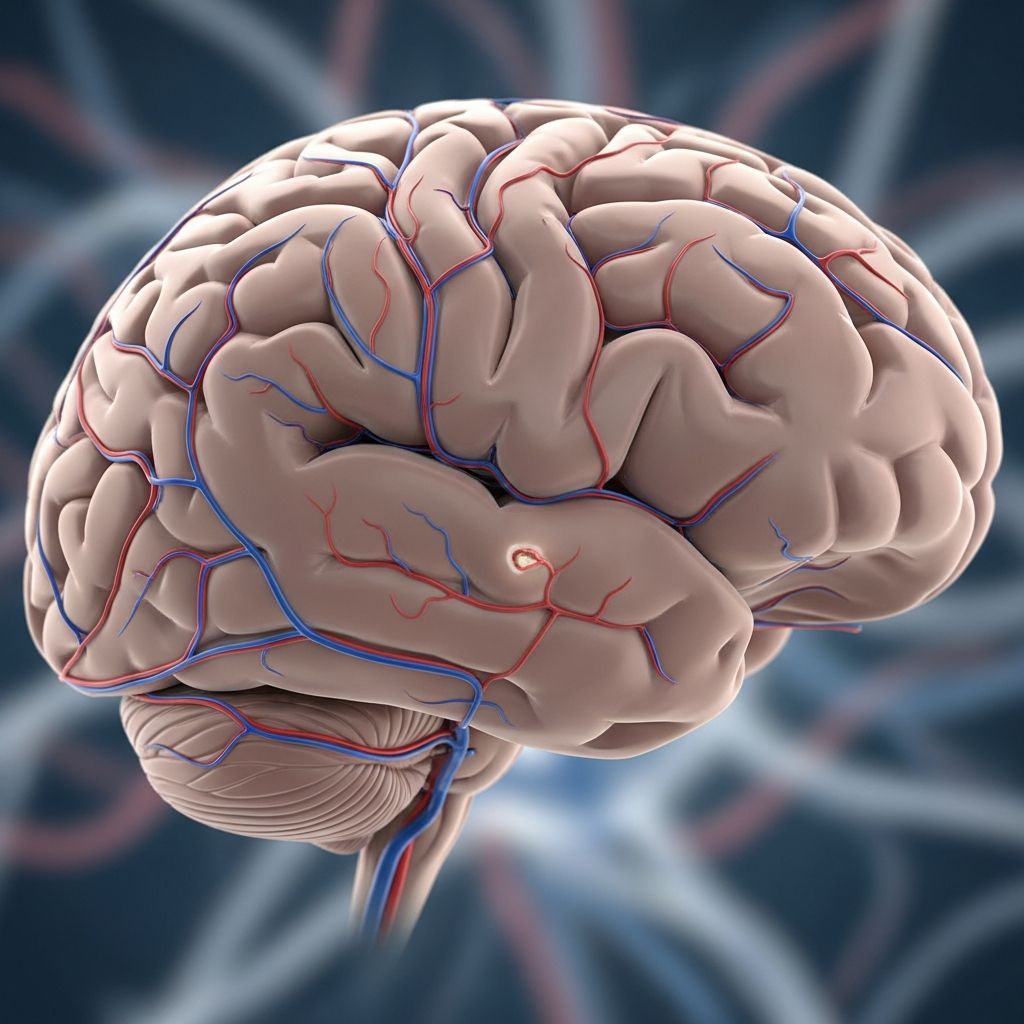
Vascular parkinsonism is a movement disorder triggered by impaired blood flow to critical brain areas, leading to symptoms that resemble those of Parkinson’s disease but stem from vascular damage rather than neurodegeneration.
Defining Vascular Parkinsonism and Its Place Among Movement Disorders
This condition falls under the umbrella of parkinsonism syndromes, which mimic Parkinson’s disease (PD) through features like bradykinesia, rigidity, and gait disturbances, yet arise from diverse causes. Unlike PD, where dopamine-producing neurons degenerate, vascular parkinsonism results from cerebrovascular events disrupting blood supply to basal ganglia and related structures.
Parkinsonism encompasses several variants: drug-induced forms from medications blocking dopamine receptors, multiple system atrophy affecting autonomic functions, progressive supranuclear palsy impacting eye movements, and normal pressure hydrocephalus causing gait issues via cerebrospinal fluid buildup. Vascular parkinsonism specifically accounts for 4.4% to 12% of parkinsonism cases, often linked to small vessel disease.
Core Symptoms and How They Manifest
Symptoms primarily target lower body functions, distinguishing it from the more uniform body involvement in PD. Key manifestations include:
- Gait abnormalities: Shuffling steps, freezing mid-stride, or wide-based stance, heightening fall risk.
- Balance instability: Postural responses falter, leading to frequent stumbles.
- Muscle rigidity and slowness: Predominantly in legs, causing stiffness and slowed movements.
- Limb weakness: Especially lower extremities, contrasting with PD’s arm-dominant early signs.
Tremors, classic in PD as resting shakes, are rare or late-onset in vascular parkinsonism, appearing in only some cases. Additional issues may involve speech slurring, cognitive slowdowns, or urinary incontinence from associated strokes.
| Feature | Vascular Parkinsonism | Parkinson’s Disease |
|---|---|---|
| Primary Affected Areas | Lower body (legs, gait) | Whole body, starting arms |
| Tremor Type | Rare, non-resting | Common resting tremor |
| Onset Pattern | Sudden or gradual post-stroke | Insidious progression |
| Response to Levodopa | Poor or absent | Strong initially |
Root Causes: The Role of Cerebrovascular Damage
Cerebrovascular disease underlies this condition, with lacunar strokes—small blockages in deep brain arteries—being prime culprits. These affect basal ganglia regions like the caudate, putamen, and thalamus, vital for motor control.
Two main patterns emerge: acute onset from a single strategic infarct, or insidious progression from cumulative micro-ischemia in subcortical white matter. Risk escalates with factors impairing vessel health:
- Hypertension narrowing arteries.
- Diabetes damaging vessel walls.
- Hyperlipidemia promoting plaque buildup.
- Smoking, heart arrhythmias, sleep apnea, or family stroke history.
Not all strokes provoke parkinsonism; those hitting nigrostriatal pathways or globus pallidus are most disruptive.
Diagnostic Approaches for Accurate Identification
Diagnosis hinges on clinical history, neurological exams, and imaging. Vascular risk factors or stroke history strongly suggest it over PD.
Key Steps:
- Clinical Assessment: Evaluate lower-body emphasis, gait freezing, and corticospinal signs like hyperreflexia.
- Neuroimaging: MRI reveals lacunar infarcts, white matter hyperintensities, or enlarged perivascular spaces.
- Dopamine Transporter Imaging (DaTscan): Often normal in vascular cases, unlike PD’s dopamine deficit.
- Levodopa Trial: Minimal improvement differentiates it from PD.
Related Stories



Subtypes include acute post-stroke, gradual vascular, or mixed with neurodegeneration, guiding prognosis.
Management Strategies: Controlling Progression and Symptoms
No cure exists, but interventions target vascular risks and symptom relief.
Vascular Risk Reduction:
- Blood pressure management with antihypertensives.
- Statins for cholesterol, antidiabetics for glucose control.
- Antiplatelets like aspirin to prevent clots.
- Lifestyle: Quit smoking, exercise, Mediterranean diet.
Symptom Management: Levodopa yields poor results, but physical therapy excels for gait—balance training, cueing techniques. Occupational therapy aids daily tasks; speech therapy for dysphonia.
In select dopa-responsive cases from specific lesions (e.g., substantia nigra), levodopa may help mildly. Botulinum toxin targets dystonia; deep brain stimulation is experimental.
Living with Vascular Parkinsonism: Practical Tips
Daily adaptations enhance quality of life. Home safety: Install grab bars, remove rugs to prevent falls. Mobility aids like canes or walkers support stability.
Caregivers should monitor for new strokes (FAST: Face drooping, Arm weakness, Speech difficulty, Time to call emergency). Support groups via organizations like Michael J. Fox Foundation provide resources.
Mental health matters—depression and sleep issues are common; counseling or antidepressants help.
Research Horizons and Future Directions
Ongoing studies probe pathology: Autopsy findings show lacunar infarcts and small vessel disease exceeding controls. Trials explore neuroprotective agents and advanced rehab tech like robotic gait trainers.
Early vascular risk intervention may halt progression, emphasizing prevention.
Frequently Asked Questions (FAQs)
What differentiates vascular parkinsonism from Parkinson’s?
Vascular parkinsonism emphasizes lower-body gait issues from strokes, with poor levodopa response, versus PD’s dopamine loss and tremor.
Can vascular parkinsonism be reversed?
Not fully, but risk control prevents worsening; therapy improves function.
Is surgery an option?
Rarely; deep brain stimulation is investigational for refractory cases.
How to prevent it?
Manage hypertension, diabetes, cholesterol; avoid smoking; stay active.
Does it always progress?
Progression ties to new strokes; stabilization possible with care.
Vascular parkinsonism demands vigilant vascular health and multidisciplinary care for optimal outcomes.
References
- Vascular Parkinsonism: Symptoms, Causes, and Treatment — Healthline. 2023. https://www.healthline.com/health/parkinsons/vascular-parkinsonism
- Vascular Parkinsonism: What It Is, Symptoms & Treatment — Cleveland Clinic. 2024-02-01. https://my.clevelandclinic.org/health/diseases/vascular-parkinsonism
- Vascular Parkinsonism: A Review on Management updates — PMC (PubMed Central). 2018-12-20. https://pmc.ncbi.nlm.nih.gov/articles/PMC6327701/
- Vascular Parkinson’s disease: Symptoms, causes, and … — Medical News Today. 2023. https://www.medicalnewstoday.com/articles/vascular-parkinsons-disease
- Ask the MD: What Is Vascular Parkinsonism? — Michael J. Fox Foundation. 2023. https://www.michaeljfox.org/news/ask-md-what-vascular-parkinsonism
Similar Articles








Read full bio of medha deb