Vasculitis: Symptoms, Causes, Diagnosis, Treatment
Understand vasculitis: inflammation of blood vessels causing diverse symptoms, from fever to organ damage. Learn types, diagnosis, and treatments.
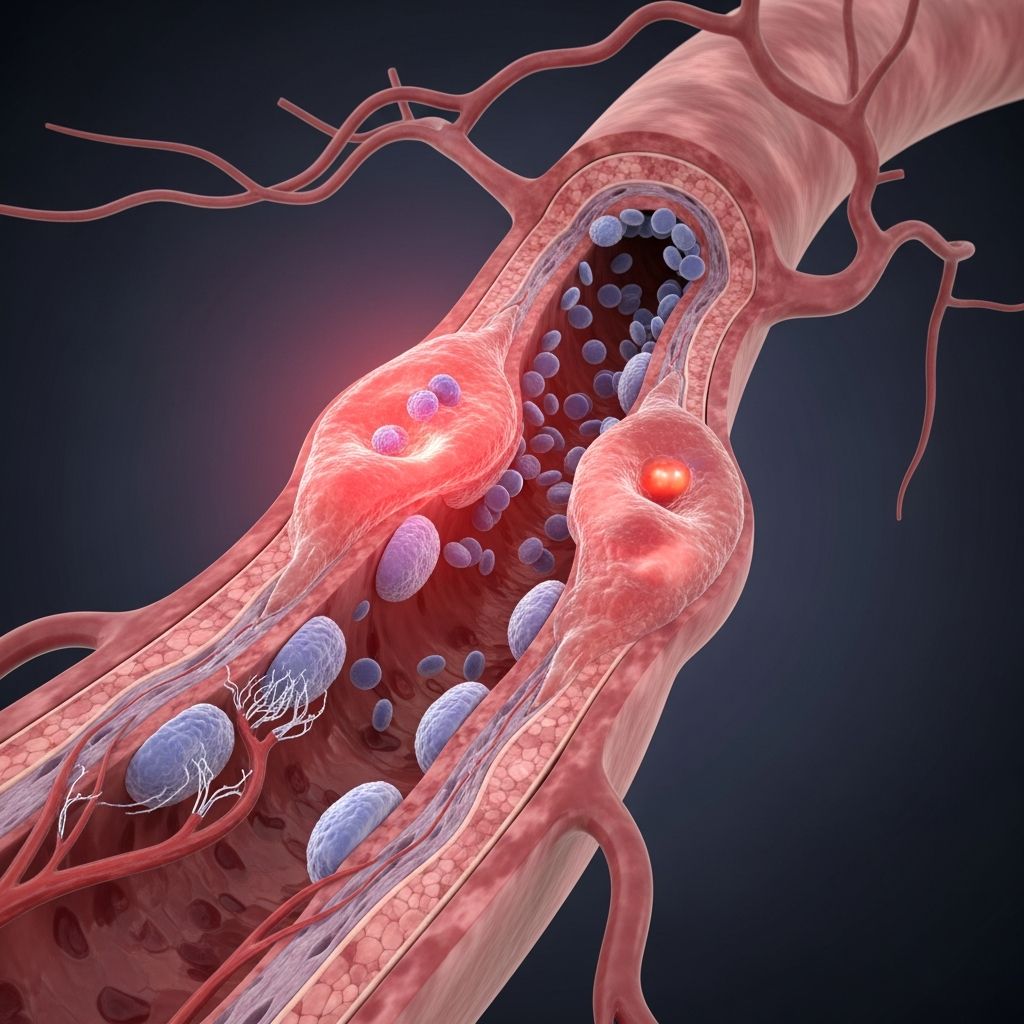
Vasculitis refers to a group of over 30 rare disorders characterized by inflammation of blood vessels, which can damage vessel walls, restrict blood flow, and affect organs throughout the body. This inflammation causes thickening, narrowing, or weakening of vessels, potentially leading to clots, aneurysms, or tissue damage.
What Is Vasculitis?
Vasculitis, also known as angiitis, involves the immune system mistakenly attacking blood vessel walls, leading to swelling and irritation. The condition can be acute or chronic, primary (idiopathic), or secondary to infections, medications, or autoimmune diseases. Depending on the vessels involved—large, medium, or small—and their location, symptoms vary widely, from skin rashes to life-threatening organ failure.
The endothelium, the inner lining of blood vessels, plays a key role in pathogenesis through cytokine-mediated changes, adhesion molecule expression, and leukocyte activation. Reduced blood flow deprives tissues of oxygen and nutrients, increasing risks of clots and aneurysms.
Symptoms of Vasculitis
Common systemic symptoms include fever, fatigue, weight loss, joint and muscle pain, and numbness or weakness. Specific manifestations depend on the vessels and organs affected.
General Symptoms
- Fever and night sweats
- Unexplained weight loss and loss of appetite
- Muscle and joint aches
- Fatigue and malaise
- Numbness, tingling, or weakness in limbs
Severe cases may cause organ damage, vision loss, or infections due to immunosuppressive treatments.
Symptoms by Type
Different vasculitides present unique signs based on vessel size and location.
Large Vessel Vasculitis
Affects the aorta and major branches, such as Takayasu’s arteritis and giant cell arteritis.
- Takayasu’s arteritis: Arm/chest pain, high blood pressure, stroke risk, absent pulses.
- Giant cell arteritis: Headaches, jaw pain, vision loss, scalp tenderness.
Medium Vessel Vasculitis
Includes polyarteritis nodosa (PAN) and Kawasaki disease, targeting visceral arteries.
- PAN: Abdominal pain, skin lesions, nerve damage, kidney issues.
- Kawasaki: Fever, rash, conjunctivitis, coronary artery aneurysms in children.
Small Vessel Vasculitis
Impacts capillaries and venules, often causing skin and kidney problems.
- Granulomatosis with polyangiitis (GPA): Sinusitis, lung hemorrhage, kidney failure.
- Microscopic polyangiitis (MPA): Rapid kidney decline, lung involvement.
- Eosinophilic granulomatosis with polyangiitis (EGPA, Churg-Strauss): Asthma, eosinophilia, nerve damage.
- Cryoglobulinemic vasculitis: Purpura, joint pain, glomerulonephritis.
- Cutaneous small-vessel vasculitis (CSVV): Palpable purpura on legs, resolves in weeks.
Variable Vessel Vasculitis
- Behçet’s disease: Oral/genital ulcers, eye inflammation, vascular thrombosis.
Single-Organ Vasculitis
Limited to one site, e.g., primary central nervous system vasculitis: Headaches, confusion, seizures.
Causes and Risk Factors
The exact causes are often unknown (primary vasculitis), but triggers include genetic factors, infections (hepatitis B/C), medications, or other autoimmune conditions. Pathogenic mechanisms involve immune complexes, ANCA antibodies (in GPA/MPA/EGPA), or T-cell responses.
Risk factors: Age (giant cell arteritis >50 years), gender (some types more common in females), and associations with rheumatoid arthritis or Sjögren’s syndrome.
Diagnosis of Vasculitis
Diagnosis combines history, physical exam, labs, imaging, and biopsy. Suspicious signs: Constitutional symptoms with multiorgan dysfunction, purpura, neuropathy, or hematuria.
Lab Tests
- ESR/CRP: Elevated inflammation markers.
- ANCA: Positive in GPA/MPA.
- ANA, RF: For secondary causes.
- Urinalysis: Hematuria/proteinuria for kidney involvement.
- Complement levels, cryoglobulins.
Related Stories



Imaging
- Angiography: Vessel narrowing/aneurysms.
- Ultrasound, CT/MRI angiography, PET-CT.
Biopsy
Gold standard: Skin, kidney, lung, or nerve tissue showing vessel inflammation.
| Test Type | Purpose | Examples |
|---|---|---|
| Laboratory | Detect inflammation/autoantibodies | ESR, CRP, ANCA, CBC |
| Imaging | Visualize vessel damage | Angiogram, MRI, Ultrasound |
| Biopsy | Confirm inflammation | Skin, kidney, temporal artery |
Treatment Options
Treatment aims to suppress inflammation and immune overactivity using glucocorticoids and immunosuppressants. Tailored by type and severity.
Corticosteroids
First-line: Prednisone or methylprednisolone to rapidly reduce inflammation.
Immunosuppressants
- Cyclophosphamide (Cytoxan): Severe cases.
- Azathioprine (Imuran), methotrexate: Maintenance.
- Rituximab: ANCA-associated vasculitis.
- Mycophenolate mofetil, IVIG, plasma exchange: Specific indications.
Supportive Care
- Treat triggers: Stop offending drugs, antibiotics for infections.
- Symptom management: Pain relief, blood pressure control.
For CSVV, removing triggers often suffices; severe cases need steroids.
Prognosis and Complications
Prognosis varies: Early treatment improves outcomes, but risks include infections from therapy, relapses, and organ damage. In ANCA-vasculitis, 5-year survival is 78%, with 2.6x higher mortality than general population. Complications: Aneurysms, blindness (giant cell arteritis), heart failure.
Long-term monitoring prevents flares; lifestyle includes smoking cessation, healthy diet.
Prevention and Living with Vasculitis
No sure prevention, but managing autoimmune risks and prompt infection treatment helps. Patients should adhere to meds, attend follow-ups, report new symptoms.
Frequently Asked Questions (FAQs)
What causes vasculitis?
Often unknown; triggers include infections, drugs, or autoimmune responses leading to vessel inflammation.
Is vasculitis curable?
Not always curable but manageable with treatment to achieve remission and prevent damage.
Can vasculitis affect the skin only?
Yes, cutaneous small-vessel vasculitis affects only skin, causing purpura without systemic involvement.
What are early signs of vasculitis?
Fever, fatigue, weight loss, joint pain, and purpura.
How is vasculitis diagnosed?
Via blood tests, imaging, and biopsy confirming vessel inflammation.
References
- Vasculitis: Treatment, symptoms, causes, and types — Medical News Today. 2023-10-01. https://www.medicalnewstoday.com/articles/189281
- Vasculitis – Symptoms and causes — Mayo Clinic Staff. 2025-02-05. https://www.mayoclinic.org/diseases-conditions/vasculitis/symptoms-causes/syc-20363435
- Vasculitis — StatPearls, NCBI Bookshelf. 2023-08-08. https://www.ncbi.nlm.nih.gov/books/NBK545186/
- Cutaneous Small-Vessel Vasculitis — Vasculitis Foundation. 2024-01-15. https://vasculitisfoundation.org/education/vasculitis-types/cutaneous-small-vessel-vasculitis/
- Learning About Vasculitis — Kaiser Permanente. 2024-05-20. https://healthy.kaiserpermanente.org/health-wellness/health-encyclopedia/he.learning-about-vasculitis.abq3686
Similar Articles








Read full bio of medha deb