Vasodilators: Types, Uses, and Side Effects
Complete guide to vasodilator medications: how they work, types, benefits, and side effects.
Understanding Vasodilators: A Complete Guide
Vasodilators are medications that work by opening your blood vessels, allowing blood to flow more freely throughout your body. Healthcare providers prescribe these medications to treat various conditions that affect blood flow, including high blood pressure, chest pain, and heart failure. Most people who take vasodilators use them as part of a comprehensive treatment plan that includes nutritious diet, regular exercise, and stress management to optimize heart health.
What Are Vasodilators?
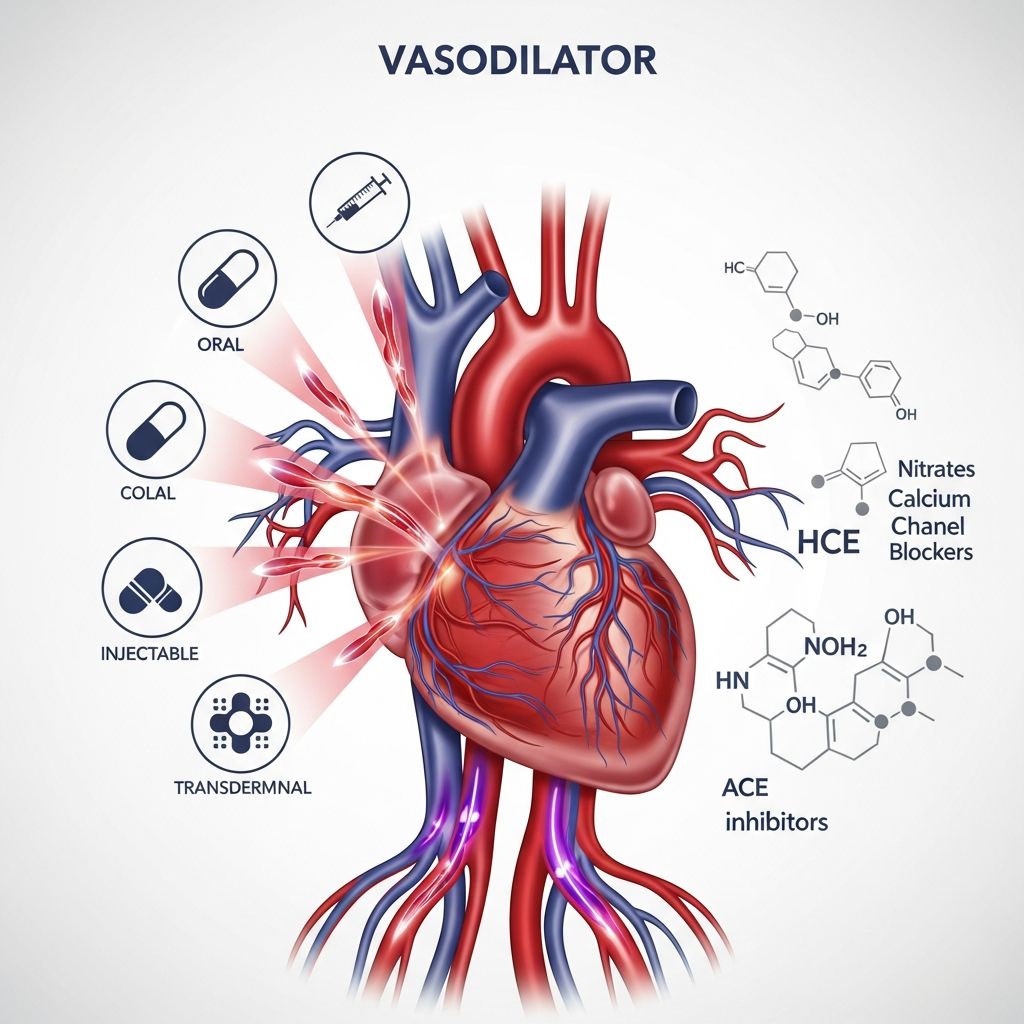
Vasodilators are medicines that dilate, or open, your blood vessels. These drugs work by preventing your arteries and veins from narrowing or contracting shut. The process of blood vessel widening is called vasodilation, which occurs when the muscles in your blood vessel walls relax. When you take a vasodilator medication, the innermost part of the blood vessel, called the lumen, widens to allow increased blood flow.
How Do Vasodilators Work?
There are several types of vasodilator medications, and they all work through slightly different mechanisms. Understanding how each type functions helps explain why your healthcare provider might recommend one over another.
Direct Vasodilators
Direct vasodilators work by directly affecting the muscle cells that line your blood vessels. These medications cause your muscle cells to relax, allowing blood vessels to open more quickly. Because they work rapidly, direct vasodilators can cause more significant side effects. Healthcare providers typically use direct vasodilators only when other treatments have failed to control symptoms adequately.
Other Vasodilator Types
Other vasodilators control the chemical signals that make your blood vessels expand or contract. These medications are effective but work more slowly than direct vasodilators, often resulting in fewer side effects for many patients.
Types of Vasodilators
Healthcare providers may prescribe various vasodilator medications depending on your underlying condition and individual health needs. Common types include:
- ACE Inhibitors: Control enzymes that affect blood vessel constriction
- Angiotensin II Receptor Blockers (ARBs): Block chemicals that narrow blood vessels
- Beta-Blockers: Reduce heart rate and blood pressure by relaxing blood vessels
- Calcium Channel Blockers: Prevent calcium from entering vessel muscle cells, promoting relaxation
- Nitrates: Release nitric oxide to relax blood vessel muscles
- Hydralazine: A direct vasodilator often used in combination therapy
- Phosphodiesterase Inhibitors: Used for pulmonary hypertension and other vascular conditions
Medical Conditions Treated with Vasodilators
Healthcare providers may prescribe vasodilators to treat conditions that affect blood flow, including:
- High blood pressure (hypertension)
- Coronary artery disease
- Angina (chest pain)
- Heart failure with reduced ejection fraction
- Pulmonary hypertension
- Peripheral arterial disease
- Raynaud’s phenomenon
- Preeclampsia during pregnancy
Benefits of Vasodilators
Opening your blood vessels through vasodilator therapy can provide several important health benefits. These medications can reduce your blood pressure, decrease the workload on your heart, improve blood flow to vital organs, reduce chest pain and shortness of breath, and improve exercise capacity. For many patients with heart conditions, vasodilators serve as essential components of comprehensive cardiovascular treatment plans.
Related Stories



Side Effects of Vasodilators
While vasodilators are effective treatments, they can cause side effects that vary depending on the specific medication and individual response. Direct vasodilators are particularly strong medicines that may cause more severe side effects than other vasodilator types.
Common Side Effects
When taking vasodilators, you may experience:
- Dizziness or lightheadedness
- Fatigue or weakness
- Headaches
- Flushing or redness of the skin
- Rapid heartbeat (tachycardia)
- Palpitations
- Swelling in the legs and ankles
- Nasal congestion
Severe Side Effects and Complications
Some types of vasodilators can cause more severe effects, and these effects can vary significantly from person to person. In certain cases, side effects become severe enough that you may need additional medications to manage them. For example, a vasodilator may cause water retention, which can increase blood pressure and lead to congestive heart failure. In such situations, your doctor may prescribe a diuretic to help your body release the additional fluid.
You and your healthcare provider may need to try several medications to find one that works well with the fewest side effects. Direct vasodilators require careful monitoring because of their potency and potential for significant adverse reactions.
Drug Interactions and Contraindications
Vasodilators can interact with other medications, potentially reducing their effectiveness or increasing side effects. Important vasodilator interactions to watch for include:
- Sildenafil (Viagra) and other erectile dysfunction medications can dangerously lower blood pressure when combined with nitrate vasodilators
- NSAIDs may reduce vasodilator effectiveness and increase kidney problems
- Diuretics can increase the risk of dizziness and hypotension
- Tricyclic antidepressants may amplify vasodilator effects
- Other blood pressure medications may cause excessive blood pressure reduction
Generally, you may not be able to take certain types of vasodilators if you are pregnant, have severe liver or kidney disease, have recently had a heart attack, have uncontrolled hyperthyroidism, or have certain blood pressure conditions. Always inform your healthcare provider about all medications and supplements you take.
Duration of Vasodilator Treatment
How long you need to take vasodilators depends on what condition the medication is treating. For example, if you take vasodilators to treat preeclampsia during pregnancy, you may stop taking the drug after you give birth. However, if you have a chronic condition such as pulmonary hypertension or heart failure with reduced ejection fraction, your provider may keep you on vasodilators long-term. Your healthcare provider will monitor your chronic conditions and guide your treatment options accordingly, adjusting medications as your condition changes.
Natural Ways to Promote Vasodilation
Vasodilators are not the only way to open blood vessels and improve blood flow. Several natural factors can cause vasodilation and support cardiovascular health:
- Regular exercise: Physical activity naturally promotes blood vessel flexibility and dilation
- Healthy diet: Foods rich in nitrates, antioxidants, and omega-3 fatty acids support vascular health
- Weight management: Maintaining a healthy weight reduces strain on your cardiovascular system
- Stress reduction: Chronic stress narrows blood vessels; meditation and relaxation techniques promote vasodilation
- Adequate sleep: Quality sleep supports cardiovascular function
- Limiting alcohol: Moderate alcohol consumption may support vascular health
- Avoiding smoking: Smoking constricts blood vessels; quitting promotes vasodilation
Lifestyle Modifications to Support Vasodilator Therapy
For most people, vasodilators are one part of an overall heart treatment plan. You can keep your heart healthier by adopting healthy lifestyle habits alongside medication. Consider losing weight if necessary, exercising regularly for at least 150 minutes per week, eating a heart-healthy diet low in sodium and saturated fats, managing stress through meditation or yoga, limiting alcohol consumption, avoiding smoking and secondhand smoke, and getting adequate sleep each night. These lifestyle modifications enhance the effectiveness of vasodilator medications and improve your overall cardiovascular health.
When Are Vasodilators Recommended?
Vasodilators are not right for everyone. Your cardiologist will determine if you are a good candidate for vasodilator therapy based on your medical history, current conditions, and other medications you take. Healthcare providers consider vasodilators especially useful for patients with elevated blood pressure, those experiencing chest pain or angina, individuals with heart failure symptoms, and those with conditions causing restricted blood flow to vital organs. If you have risk factors for heart disease or have been diagnosed with a cardiovascular condition, discuss with your cardiologist whether vasodilators might benefit your treatment plan.
Comparing Vasodilators to Other Treatments
| Treatment Type | Mechanism | Speed of Action | Side Effects | Long-term Use |
|---|---|---|---|---|
| Direct Vasodilators | Directly relax muscle cells in blood vessels | Fast | More severe | Limited due to tolerance |
| ACE Inhibitors | Block enzymes affecting constriction | Moderate | Mild to moderate | Suitable for long-term |
| Calcium Channel Blockers | Prevent calcium entry into muscle cells | Moderate | Mild to moderate | Suitable for long-term |
| Beta-Blockers | Reduce heart rate and pressure | Moderate | Mild to moderate | Suitable for long-term |
| Lifestyle Changes | Natural vasodilation through behavior | Slow | None | Permanent when sustained |
Frequently Asked Questions
Q: How quickly do vasodilators work?
A: The speed varies by type. Direct vasodilators work quickly, sometimes within minutes, while other types like ACE inhibitors may take days to weeks to show full effects. Your doctor will discuss expected timelines for your specific medication.
Q: Can I stop taking vasodilators once my blood pressure is controlled?
A: This depends on your condition. For chronic conditions like hypertension or heart failure, you’ll typically need to continue long-term to maintain control. Never stop without consulting your doctor, as blood pressure may rebound dangerously.
Q: Are vasodilators safe for long-term use?
A: Many vasodilators are safe for long-term use, particularly ACE inhibitors, ARBs, beta-blockers, and calcium channel blockers. Direct vasodilators may require more careful monitoring. Your doctor will assess safety based on your individual circumstances.
Q: What should I do if I experience side effects?
A: Contact your healthcare provider immediately. Don’t stop taking medication without medical guidance. Your doctor may adjust your dose, change the medication, or add another drug to manage side effects.
Q: Can vasodilators interact with supplements?
A: Yes, certain supplements like ginseng, licorice, and excessive calcium can interact with vasodilators. Always inform your doctor about supplements you take.
Q: Is it safe to take vasodilators with over-the-counter pain relievers?
A: NSAIDs like ibuprofen can interact with vasodilators and reduce their effectiveness. Consult your doctor before taking any OTC medications.
When to Contact Your Doctor
Contact your healthcare provider if you experience severe dizziness, chest pain, shortness of breath, swelling in your legs or feet that worsens, rapid or irregular heartbeat, fainting episodes, severe headaches, or allergic reactions such as rash or difficulty breathing. Regular follow-up appointments help your doctor monitor your response to vasodilators and make adjustments as needed.
Conclusion
Vasodilators are important medications that help open blood vessels and improve blood flow to treat various cardiovascular conditions. While effective, they require careful management and monitoring. Work closely with your healthcare provider to determine which vasodilator is right for your condition, understand potential side effects, and monitor your response over time. Combined with lifestyle modifications including regular exercise, a heart-healthy diet, stress management, and smoking cessation, vasodilator therapy can significantly improve your cardiovascular health and quality of life. Your cardiologist remains your best resource for questions about whether vasodilators are appropriate for your individual health situation.
References
- Response and Tolerance to Oral Vasodilator Uptitration after Intravenous Vasodilator Therapy in Advanced Heart Failure — National Center for Biotechnology Information (NCBI). 2015. https://pmc.ncbi.nlm.nih.gov/articles/PMC4654128/
- Vasodilators: Types and Side Effects — Cleveland Clinic. 2022-06-09. https://my.clevelandclinic.org/health/drugs/23207-vasodilators
- Vasodilation: What Causes Blood Vessels to Widen — Cleveland Clinic. https://my.clevelandclinic.org/health/diseases/23352-vasodilation
Similar Articles








Read full bio of medha deb