Common Triggers of Vasovagal Syncope and Fainting Prevention
Understanding vasovagal syncope triggers and practical strategies to reduce your fainting risk.
Understanding Vasovagal Syncope: Causes and Prevention
Vasovagal syncope, also known as neurocardiogenic syncope, is the most common form of fainting episodes affecting people worldwide. This condition occurs when your body overreacts to certain triggers, causing a sudden drop in heart rate and blood pressure, which leads to reduced blood flow to the brain and temporary loss of consciousness. Unlike other types of syncope that may indicate serious cardiac conditions, vasovagal syncope is generally harmless and typically requires no treatment. However, understanding the triggers and implementing prevention strategies can significantly reduce your risk of fainting and potentially serious injuries associated with falls.
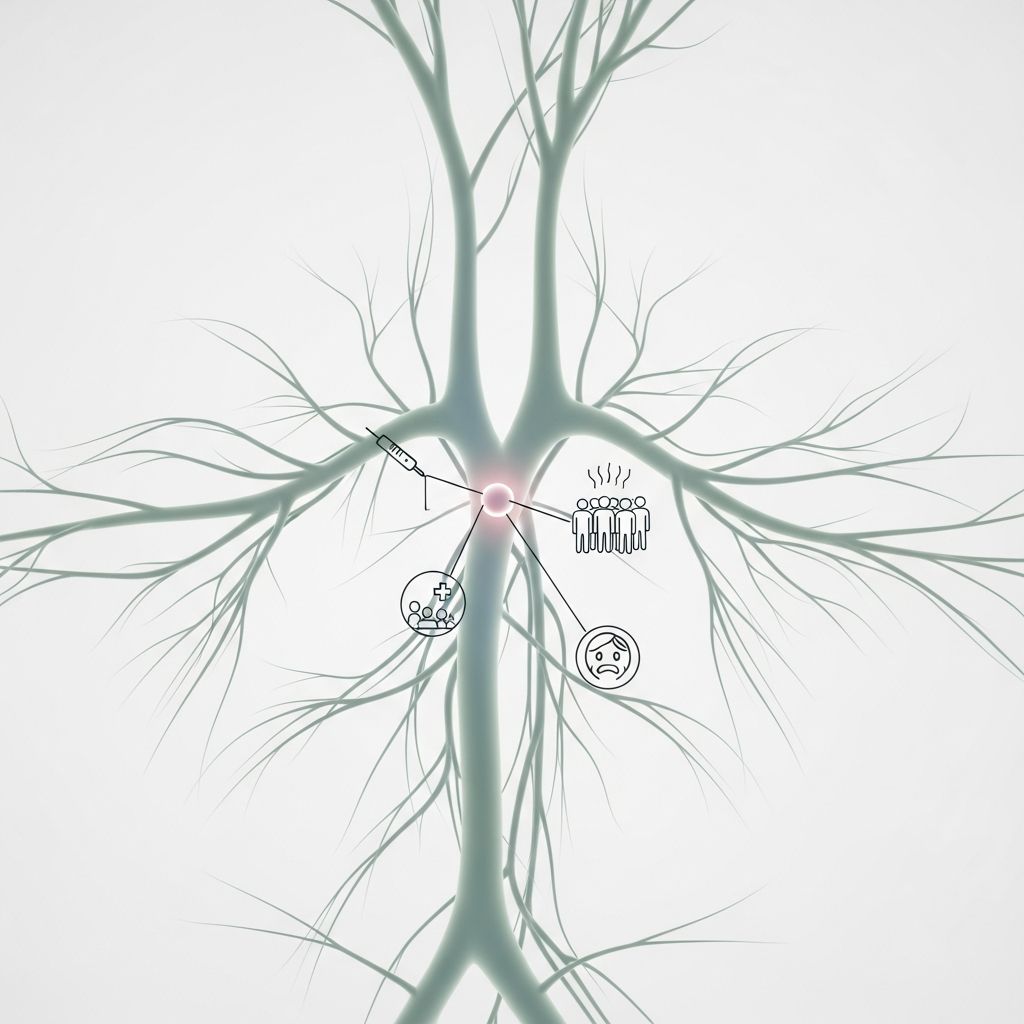
The mechanism behind vasovagal syncope involves an overreaction of the part of your nervous system that regulates heart rate and blood pressure. During an episode, your heart rate slows dramatically, and blood vessels in your legs widen, allowing blood to pool in your lower extremities. This pooling effect lowers your blood pressure and reduces blood flow to your brain, resulting in fainting. While the condition is usually benign, it’s important to identify your personal triggers and develop strategies to prevent episodes before they occur.
Common Triggers of Vasovagal Syncope
Recognizing the specific triggers that can cause vasovagal syncope is the first step toward prevention. While some individuals cannot identify a specific trigger, most people experience fainting in response to particular situations or stimuli. Understanding these triggers can help you avoid them or take preventive measures when exposure is unavoidable.
Physical and Environmental Triggers
Prolonged Standing: One of the most common triggers for vasovagal syncope is standing for extended periods. Orthostatic stress, particularly when standing for more than 30 seconds without movement, is typically the main trigger for vasovagal episodes. When you remain upright without activity, blood tends to pool in your legs due to gravity, reducing the amount of blood returning to your heart and brain. This is especially problematic in warm environments where blood vessels naturally dilate further.
Heat Exposure: Elevated temperatures can trigger vasovagal syncope by causing blood vessels to dilate, which reduces blood pressure. Heat exposure is particularly dangerous when combined with other risk factors such as dehydration or prolonged standing. Warm environments can accelerate the pooling of blood in your legs and exacerbate the condition’s effects.
Dehydration: Insufficient fluid intake reduces blood volume, making your cardiovascular system less able to maintain adequate blood pressure and cerebral perfusion. Dehydration is a significant risk factor that can lower your fainting threshold, particularly when combined with heat exposure or standing for long periods.
Sight and Medical-Related Triggers
Seeing Blood: The sight of blood is a well-documented trigger for vasovagal syncope, particularly in individuals with a predisposition to this response. This trigger often involves both a physical component and an emotional or psychological reaction to the stimulus.
Blood Draws and Medical Procedures: Having blood drawn is one of the most frequently reported triggers for vasovagal syncope. The combination of needle anxiety, pain perception, and the sight of blood creates a potent trigger for susceptible individuals. Similar medical procedures involving injections or other invasive techniques can also provoke fainting episodes.
Emotional and Psychological Triggers
Fear and Anxiety: Fear of bodily injury, intense pain anticipation, and severe anxiety can trigger vasovagal responses. Psychological stress activates your nervous system in ways that can precipitate the cascade of events leading to syncope. Emotional distress and panic can be particularly powerful triggers in vulnerable individuals.
Related Stories



Extreme Emotional Distress: Witnessing traumatic events, receiving shocking news, or experiencing intense emotional reactions can provoke vasovagal syncope. The emotional component of these situations can trigger the same neural pathways responsible for vasovagal episodes.
Straining and Other Triggers
Straining Activities: Physical straining, such as when attempting to pass stool or during intense coughing, can increase intrathoracic pressure and potentially trigger vasovagal syncope. These situational triggers involve changes in blood pressure and nervous system activity that can precipitate fainting.
Unidentified Triggers: It’s important to note that vasovagal syncope can occur without any identifiable trigger. Some individuals experience episodes spontaneously, making prevention more challenging. Additionally, certain medications that alter heart rate or vascular tone may exacerbate syncope symptoms in susceptible individuals.
Warning Signs and Symptoms
Before a vasovagal syncope episode occurs, most people experience prodromal symptoms—warning signs that an episode is imminent. Recognizing these symptoms is crucial because they provide a brief window of time during which you can take preventive action.
Common warning signs include lightheadedness, tunnel vision (where your field of vision narrows), feeling warm or flushed, nausea, upset stomach, cold and clammy sweating, and blurred vision. Some individuals also report ringing in their ears or a sensation of warmth spreading through their body. These symptoms typically precede fainting by several seconds to a few minutes, providing time to sit down, lie flat, or implement other preventive measures.
During the fainting episode itself, observers may notice jerky movements, a slow and weak pulse, dilated pupils, pallor (paleness), and profuse sweating. Recovery typically begins within less than a minute, with most people regaining consciousness naturally. However, it’s important not to stand up too quickly after fainting, as doing so within 15 to 30 minutes of the episode significantly increases your risk of experiencing another syncope event.
Strategies to Reduce Your Fainting Risk
While you cannot always prevent vasovagal syncope, several evidence-based strategies can substantially reduce your risk of experiencing episodes. These prevention techniques involve both lifestyle modifications and specific physical maneuvers that help maintain adequate blood pressure and cerebral perfusion.
Immediate Prevention Techniques
Recognize Early Warning Signs: Learning to identify your personal warning symptoms allows you to take immediate action. When you feel lightheadedness, tunnel vision, or warming sensations, take steps immediately to prevent fainting. Lie down flat if possible, or sit down and place your head between your knees to promote blood flow to your brain.
Physical Counter-Pressure Maneuvers: Research has shown that specific physical maneuvers can help counteract the blood pressure drop associated with vasovagal syncope. Leg crossing and lower body muscle tension—achieved by standing with your legs crossed and tensing your leg and abdominal muscles—can effectively increase blood pressure during prodromal symptoms. Upper body tension techniques, such as gripping your fists or tensing your arms, may also provide some benefit.
Change Your Position: If you feel faint while standing, immediately sit or lie down. Lying flat is more effective than sitting, as it eliminates the effects of gravity on blood distribution. Elevating your legs while lying down further promotes blood return to your heart and brain.
Long-Term Lifestyle Modifications
Adequate Hydration: Maintaining proper fluid intake is essential for preventing vasovagal syncope. Drink water consistently throughout the day, especially before situations where you anticipate standing for prolonged periods. Avoid excessive caffeine and alcohol, as both can contribute to dehydration and blood pressure fluctuations.
Maintain Regular Physical Activity: Regular exercise strengthens your cardiovascular system and improves your body’s ability to regulate blood pressure. Activities such as walking, swimming, or cycling performed regularly can reduce your overall syncope risk. However, avoid intense exercise immediately before situations with known triggers.
Avoid Prolonged Standing: When possible, avoid standing for extended periods without movement. If you must stand for a long time, shift your weight frequently, bend your knees, or walk around periodically to prevent blood pooling in your legs. Consider sitting down if you feel any warning symptoms.
Manage Heat Exposure: Limit time in hot environments, particularly when combined with other risk factors. Stay in air-conditioned spaces when possible, wear light clothing, and increase your fluid intake during hot weather. Be especially cautious during outdoor events or medical procedures in warm settings.
Gradual Exposure to Triggers: For some individuals, gradual exposure to specific triggers (such as the sight of blood) combined with relaxation techniques can help reduce the fainting response over time. This desensitization approach should be discussed with your healthcare provider.
Medical Interventions
If lifestyle modifications prove insufficient, your healthcare provider may recommend medical treatments to prevent recurrent episodes. These may include midodrine (which increases blood pressure), fludrocortisone (which helps retain salt and fluid), beta-blockers (which slow heart rate), or selective serotonin reuptake inhibitors (SSRIs). Your doctor will determine the most appropriate treatment based on your specific situation and the frequency of your episodes.
Special Considerations Before Medical Procedures
If you know you’re susceptible to vasovagal syncope triggered by blood draws or medical procedures, inform your healthcare provider in advance. Several strategies can help:
Lie down during blood draws or injections whenever possible, as this eliminates gravity’s effects and makes fainting less likely to result in injury. Practice relaxation techniques such as deep breathing or meditation before the procedure. Avoid excessive fasting before blood work, as low blood sugar can exacerbate fainting risk. Consider requesting that a family member or friend accompany you for emotional support. Your healthcare provider may also recommend preventive medications or physical counter-pressure maneuvers specific to your situation.
When to Seek Medical Attention
While vasovagal syncope is generally benign, you should consult your healthcare provider if you experience recurring fainting episodes, fainting without warning symptoms, fainting during exertion, or if you injure yourself during an episode. Your doctor may recommend diagnostic tests such as a resting 12-lead electrocardiogram, tilt-table testing, or Holter monitoring to rule out more serious cardiac conditions. These evaluations help ensure that your fainting is indeed vasovagal syncope and not caused by dangerous heart rhythm abnormalities or other serious conditions.
Frequently Asked Questions
Q: Is vasovagal syncope dangerous?
A: Vasovagal syncope itself is generally harmless and doesn’t indicate a serious heart condition. However, falling during an episode can cause injuries. The main risk is injury from the fall rather than the fainting itself.
Q: How quickly can I recover after fainting?
A: Recovery typically begins within less than a minute after fainting. However, you should rest for 15-30 minutes before standing, as getting up too quickly significantly increases your risk of fainting again.
Q: Can vasovagal syncope be prevented entirely?
A: While you cannot always prevent vasovagal syncope completely, recognizing triggers and implementing preventive strategies can substantially reduce your episode frequency and severity.
Q: Are certain people more susceptible to vasovagal syncope?
A: Yes, females faint more frequently than males, and about 14% of all syncopal episodes are vasovagal in nature. Age, genetics, and individual nervous system sensitivity also play roles in susceptibility.
Q: What should I do if I feel a fainting episode coming on?
A: Immediately sit or lie down, elevate your legs if possible, take slow deep breaths, and tense your leg muscles. These actions can often prevent complete loss of consciousness by maintaining adequate blood flow to your brain.
References
- Vasovagal Syncope: Symptoms and Causes — Mayo Clinic. 2024. https://www.mayoclinic.org/diseases-conditions/vasovagal-syncope/symptoms-causes/syc-20350527
- Vasovagal Syncope — UM Health-Sparrow. 2024. https://www.uofmhealthsparrow.org/departments-conditions/conditions/vasovagal-syncope
- Vasovagal Episode — National Center for Biotechnology Information, StatPearls. 2024. https://www.ncbi.nlm.nih.gov/books/NBK470277/
- Vasovagal Syncope Handout — Dysautonomia Support Network. 2022. https://www.dysautonomiasupport.org/wp-content/uploads/2022/02/Vasovagal-Syncope-Handout.pdf
- Understanding Vasovagal Syncope — UMass Memorial Health. 2024. https://myhealth.umassmemorial.org/Library/Healthsheets/3,S,90476
- Vasovagal Syncope — Cedars-Sinai. 2024. https://www.cedars-sinai.org/health-library/diseases-and-conditions/v/vasovagal-syncope.html
Similar Articles








Read full bio of medha deb