Vegan Collagen Vs Regular Collagen: Key Differences Guide
Uncover the key differences between vegan and animal-derived collagen supplements, their benefits, effectiveness, and which might suit your health goals best.
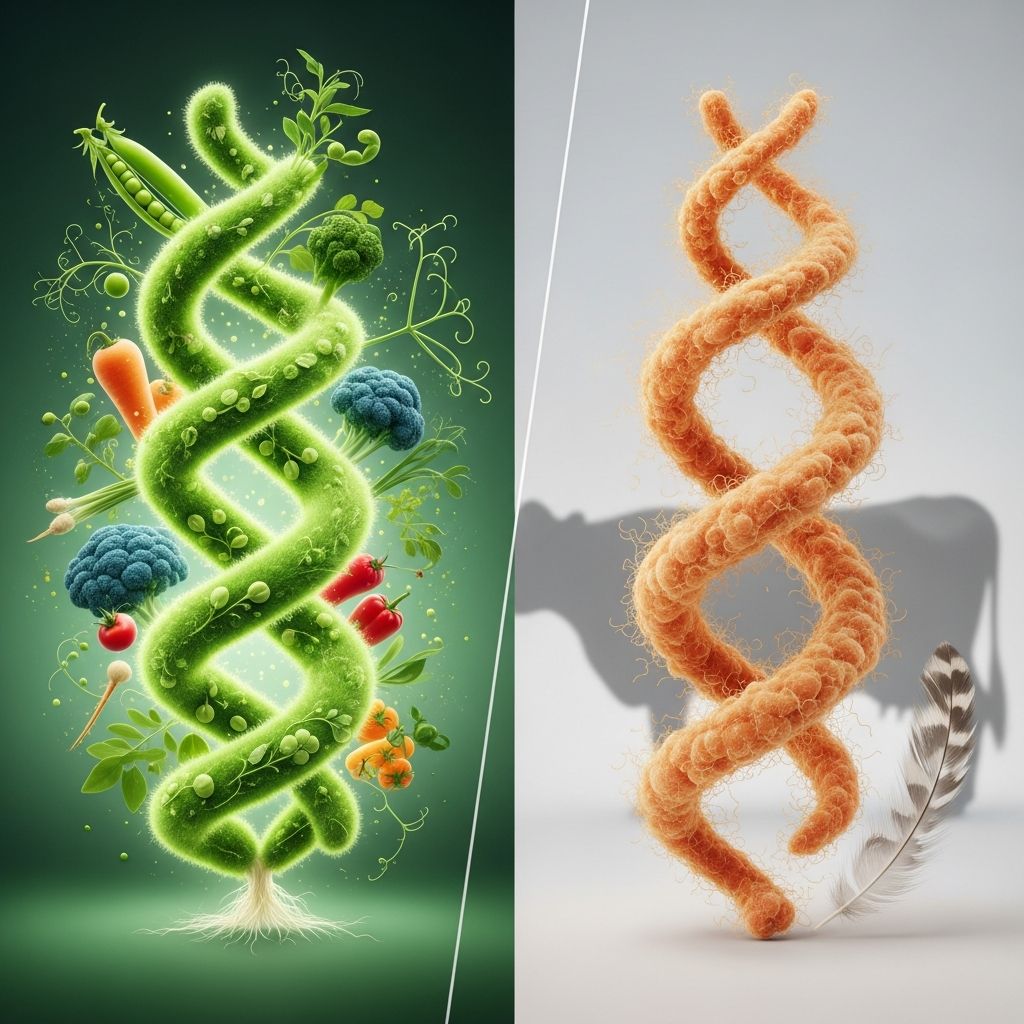
Collagen supplements have surged in popularity as people seek to combat aging signs like wrinkles, joint pain, and brittle bones. But with options split between
vegan collagen
(plant-based boosters) andregular collagen
(animal-derived), understanding their differences is key to choosing effectively. This article breaks down sources, mechanisms, clinical evidence, benefits, and more to help you decide.What Is Collagen?
Collagen is the most abundant protein in the human body, making up about 30% of total protein and providing structure to skin, bones, tendons, ligaments, and cartilage. It forms a fibrous network that maintains skin elasticity, joint cushioning, and bone strength. As we age, natural collagen production declines—dropping significantly by age 60—leading to wrinkles, sagging skin, and joint issues.
The body synthesizes collagen from amino acids like glycine, proline, hydroxyproline, arginine, and alanine, with vitamin C as a crucial cofactor for enzymes that assemble these into collagen fibers.
What Is Regular (Animal-Derived) Collagen?
**Regular collagen** comes directly from animal sources, primarily bovine (cow hides/skin), marine (fish scales/skin), or poultry (chicken cartilage). It’s hydrolyzed into smaller peptides for better absorption, typically around 5,000 daltons molecular weight, optimizing uptake to skin, bones, and joints.
- Bovine collagen: Rich in types I and III; supports skin, bones, and overall body health. Sourced from EU cattle free of antibiotics/hormones.
- Marine collagen: High in type I; smaller peptides for 1.5x better absorption. Sustainable from wild-caught fish, low greenhouse emissions.
- Chicken collagen: Type II for joint/cartilage support; undenatured form requires smaller doses.
These provide pre-formed collagen peptides that the body absorbs quickly (up to 90% bioavailability), directly boosting muscle protein synthesis and tissue repair.
What Is Vegan Collagen?
**Vegan collagen** isn’t true collagen—plants don’t produce it—but a ‘booster’ formula mimicking human collagen structure via fermented amino acids (e.g., from sugarcane glucose), key collagen aminos (glycine, proline, etc.), vitamin C, ginseng, and nutrients like biotin, zinc, and vegan D3. Produced through sustainable fermentation, it’s gluten/wheat-free and complete protein with tryptophan (lacking in animal collagen).
It supplies raw materials for your body to produce its own collagen, avoiding animal sourcing risks like contaminants, hormones, or allergies.
How Do Vegan and Regular Collagen Differ?
The core difference: Animal collagen delivers
ready-made peptides
; vegan providesbuilding blocks
for endogenous production. Here’s a comparison:| Aspect | Vegan Collagen | Regular (Animal) Collagen |
|---|---|---|
| Source | Plant/fermented (sugarcane, etc.) | Bovine, marine, chicken |
| Composition | Amino acids + cofactors (vitamin C, etc.); complete protein | Hydrolyzed peptides; incomplete (low tryptophan) |
| Absorption | Stimulates natural synthesis | 90% direct peptide uptake |
| PDCAAS Score | Higher (complete profile) | Zero (lacks tryptophan) |
| Sustainability | High (low emissions, plant-based) | Variable (marine better than bovine) |
Animal collagen risks mutations from harsh processing or contaminants from factory farming. Vegan minimizes these, matching human amino profiles better.
Sources of Regular Collagen
- Bovine: Type I/III for skin/bones; EU-sourced, allergen-free.
- Marine: Optimal for skin hydration/elasticity; pescatarian-friendly.
- Chicken: Type II for joints; synergizes with type I.
Related Stories



How Is Vegan Collagen Made?
Fermentation of plant glucose (sugarcane/molasses/corn) yields vegan peptides like VeCollal, plus boosters (ginseng, vitamin C). Includes hard-to-get vegan nutrients: choline, biotin, zinc, D3.
Collagen Absorption and Bioavailability
Hydrolyzed animal peptides absorb at 90% vs. 27% for native collagen, due to enzymatic breakdown into bioavailable fragments. Marine’s low molecular weight enhances this. Vegan relies on amino delivery for synthesis, with studies showing effective uptake via cofactors.
Vegan Collagen vs. Regular Collagen for Skin
Both improve skin, but differently. Vegan: 4.7% collagen density increase, 5.1% elasticity boost (8 weeks); 27.5% wrinkle reduction, 20.1% texture improvement, 12.3% pore shrinkage. Animal (esp. marine): Matches or exceeds in hydration/elasticity.
Vegan Collagen vs. Regular Collagen for Hair
Vegan boosters increased hair growth 38.54-50.37%, density +19.64%, thickness +20.51% (10g dose). Animal supports via peptides but less hair-specific data.
Vegan Collagen vs. Regular Collagen for Joints
Animal (type II chicken) excels in cartilage support, reducing pain. Vegan aids via synthesis but less direct evidence.
Vegan Collagen vs. Regular Collagen for Bones
Animal substantially boosts bone mineral density in postmenopausal women. Vegan supports indirectly; less studied.
Which Is Better?
No clear winner—depends on goals.
Vegan
for skin/hair, sustainability, ethics (complete protein, no contaminants).Animal
for bones/joints, direct peptides. Blends may optimize both.Side Effects and Precautions
Animal: Allergy risks, digestive issues, contaminants. Vegan: Rare, generally safe; consult for interactions.
Should You Take Collagen Supplements?
Yes, if aging concerns exist. Choose based on diet (vegan for plant-based), goals, and evidence. Combine with diet rich in vitamin C.
Frequently Asked Questions (FAQs)
Q: Is vegan collagen real collagen?
A: No, it’s a booster with amino acids/cofactors to stimulate your body’s production, unlike animal-derived actual collagen.
Q: Is vegan collagen better than animal collagen?
A: For skin/hair and sustainability, often yes; animal better for bones/joints. Both effective per studies.
Q: Can vegans take collagen supplements?
A: Yes, vegan boosters provide equivalent benefits without animal sources.
Q: How long until collagen supplements work?
A: 8-12 weeks for noticeable skin/joint improvements.
Q: Are collagen peptides better than regular collagen?
A: Yes, hydrolyzed peptides absorb 90% better, enhancing efficacy for skin, joints, bones.
References
- Vegan Collagen Peptides vs Traditional Collagen — Goldman Laboratories. 2024. https://goldmanlaboratories.com/blogs/blog/vegan-collagen-peptides-vs-traditional-collagen
- What is Vegan Collagen – Benefits, Risks, Comparison Guide — Feel. 2024. https://wearefeel.com/en-us/blogs/learn/what-is-vegan-collagen-benefits-risks-comparison-guide
- Bovine, Marine or Vegan: What’s the Difference? — Ancient and Brave. 2024. https://ancientandbrave.earth/blogs/news/bovine-marine-or-vegan-what-s-the-difference
- Plant VS Animal Collagen: Which Has The Most Benefits? — Revive Collagen. 2024. https://us.revivecollagen.com/blogs/news/plant-vs-animal-collagen-which-has-the-most-benefits
- Animal, Plant, Collagen and Blended Dietary Proteins: Effects on Muscle and Bone — PMC (PubMed Central). 2020-10-14. https://pmc.ncbi.nlm.nih.gov/articles/PMC7551889/
Similar Articles








Read full bio of medha deb