Vegan Diet To Manage Heart Disease: 7-Day Meal Plan & 3 Recipes
Discover how a vegan diet can effectively manage and even reverse heart disease through science-backed strategies and meal ideas.
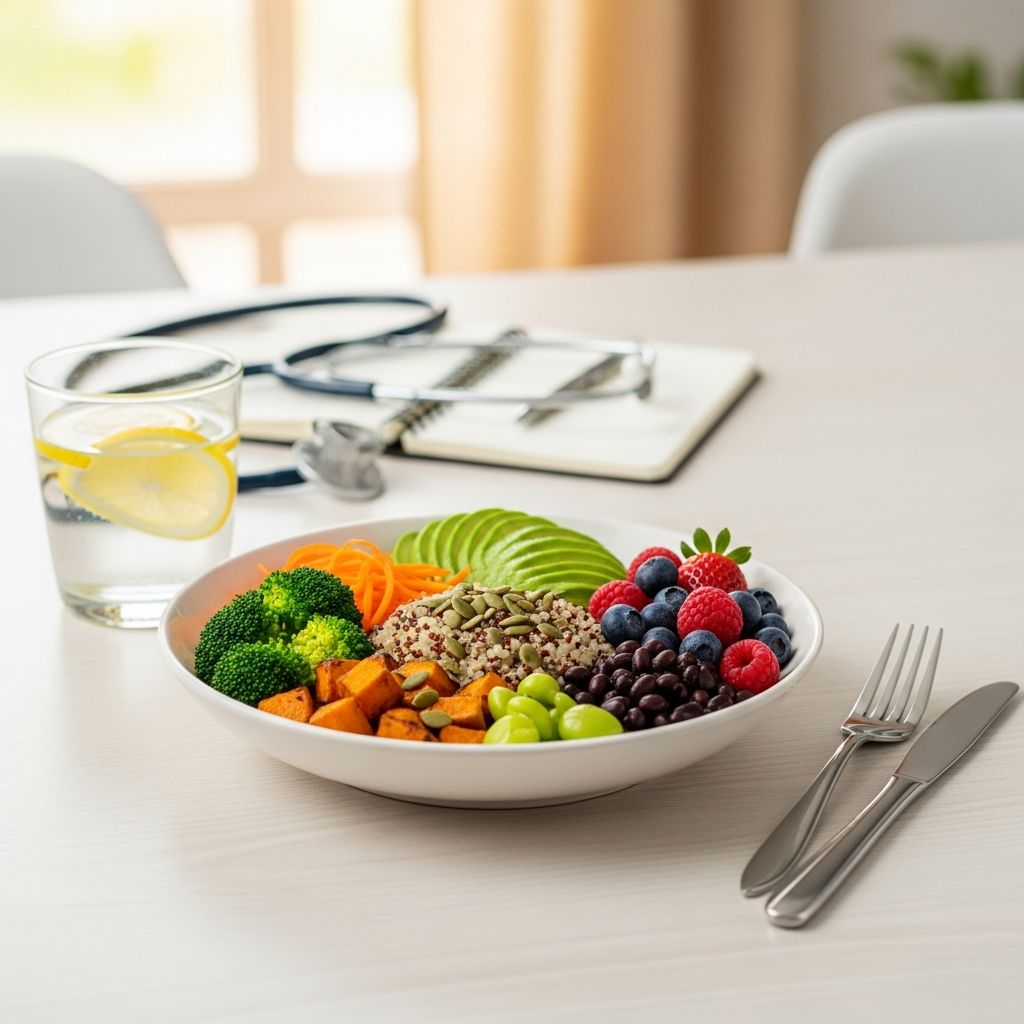
A vegan diet, rich in whole plant foods, significantly improves cardiovascular health markers like LDL cholesterol, blood pressure, and body weight, offering a powerful tool for managing heart disease.
What Is Heart Disease?
Heart disease, or cardiovascular disease (CVD), encompasses conditions affecting the heart and blood vessels, including coronary artery disease (CAD), where plaque buildup narrows arteries, leading to chest pain, heart attacks, or strokes. Risk factors include high LDL cholesterol, hypertension, obesity, diabetes, and inflammation. According to the American Heart Association, CVD remains the leading cause of death globally, but lifestyle changes like diet can reverse progression in many cases.
The pathology involves atherosclerosis: oxidized LDL particles damage artery walls, triggering inflammation and plaque formation. Plant-based diets counteract this by reducing saturated fats and cholesterol while boosting fiber, antioxidants, and anti-inflammatory compounds.
How Does a Vegan Diet Help with Heart Disease?
Vegan diets exclude all animal products, emphasizing fruits, vegetables, legumes, whole grains, nuts, and seeds. This composition lowers saturated fat and eliminates dietary cholesterol, directly targeting plaque buildup. Key mechanisms include:
- Reduced LDL Cholesterol: Vegans typically have 20-30% lower LDL levels due to lower saturated fat intake and higher fiber, which binds bile acids and excretes cholesterol.
- Lower Blood Pressure: High potassium, magnesium, and fiber content promote vasodilation and endothelial health, reducing systolic and diastolic pressure by 4-5 mmHg on average.
- Weight Loss and Insulin Sensitivity: Calorie-dense whole plants promote satiety and fat loss; studies show vegans lose 4+ pounds more than omnivores in short trials, improving insulin response.
- Anti-Inflammatory Effects: Phytonutrients like beta-carotene, vitamin C/E, and polyphenols combat oxidative stress and inflammation, key drivers of CVD.
A Stanford twin study demonstrated these benefits in just 8 weeks: vegan twins saw LDL drop from 110.7 to 95.5 mg/dL, 20% lower fasting insulin, and greater weight loss compared to omnivores.
Foods to Eat and Avoid
To optimize heart health, prioritize nutrient-dense plants while avoiding processed items.
Foods to Eat
- Vegetables: Leafy greens (spinach, kale), broccoli, carrots for fiber and nitrates that lower BP.
- Fruits: Berries, apples, citrus for antioxidants and pectin that traps cholesterol.
- Legumes: Lentils, beans, chickpeas for soluble fiber and plant protein.
- Whole Grains: Oats, quinoa, brown rice for beta-glucan that reduces cholesterol absorption.
- Nuts/Seeds: Walnuts, flaxseeds, chia for omega-3s (ALA) and healthy fats.
Foods to Avoid or Limit
- Animal products: Meat, dairy, eggs high in saturated fat/cholesterol.
- Processed vegan foods: Fried items, refined oils, sugary snacks.
- Added sugars/salt: Excess promotes hypertension and inflammation.
| Category | Heart-Healthy Picks | Swap Out |
|---|---|---|
| Protein | Tofu, tempeh, lentils | Red meat, cheese |
| Fats | Avocado, nuts | Butter, palm oil |
| Grains | Oats, barley | White bread |
Sample 7-Day Vegan Meal Plan for Heart Health
This plan provides ~1,800-2,200 calories daily, focusing on low-sodium, high-fiber meals to support CVD management. Adjust portions as needed.
| Day | Breakfast | Lunch | Dinner | Snacks |
|---|---|---|---|---|
| Monday | Oatmeal with berries & flax | Chickpea salad wrap | Stir-fried tofu & veggies | Apple with almonds |
| Tuesday | Smoothie: spinach, banana, chia | Lentil soup & quinoa | Baked sweet potato with black beans | Carrot sticks & hummus |
| Wednesday | Whole-grain toast with avocado | Kale salad with tahini | Veggie stir-fry with tempeh | Orange & walnuts |
| Thursday | Chia pudding with kiwi | Bean burrito bowl | Broccoli & mushroom stir-fry | Pear & pumpkin seeds |
| Friday | Berry overnight oats | Quinoa tabbouleh | Lentil curry with spinach | Celery & almond butter |
| Saturday | Green smoothie bowl | Falafel pita (baked) | Stuffed peppers with rice & beans | Mixed berries |
| Sunday | Tofu scramble with veggies | Sweet potato & black bean salad | Zucchini noodles with pesto | Yogurt alternative & nuts |
Related Stories



3 Heart-Healthy Vegan Recipes
1. Golden Turmeric Lentil Soup (Serves 4)
Anti-inflammatory and fiber-packed.
- 1 cup red lentils, 1 onion, 2 carrots, 2 garlic cloves, 1 tbsp turmeric, 4 cups veg broth, ginger, spinach.
Sauté onion/garlic/ginger; add turmeric, lentils, broth. Simmer 20 min; stir in spinach. Per serving: 250 cal, 15g fiber, low sodium.
2. Berry Oatmeal Bake (Serves 6)
Cholesterol-lowering breakfast.
- 2 cups oats, 2 cups plant milk, 2 cups berries, 1 banana, cinnamon, chia seeds.
Mix, bake at 350°F for 30 min. Per serving: 300 cal, beta-glucan boost.
3. Garlic-Lemon Kale Salad (Serves 4)
Nitrate-rich for BP control.
- 1 bunch kale, 1 lemon, 2 garlic, tahini, chickpeas, tomatoes.
Massage kale with dressing; top with chickpeas. Per serving: 200 cal, high potassium/magnesium.
Potential Downsides and How to Avoid Them
While beneficial, vegan diets risk deficiencies in B12, omega-3 (EPA/DHA), iodine, zinc, selenium if unplanned. Solutions:
- Supplement B12: 250 mcg daily or fortified foods.
- Omega-3s: Algae oil for EPA/DHA; eat flax/walnuts for ALA.
- Iron/Zinc: Pair with vitamin C-rich foods for absorption.
- Monitor with blood tests; consult a doctor.
Processed vegan junk can undermine benefits—stick to whole foods.
What Do Experts Say?
“A vegan diet improves cardiovascular health in as little as eight weeks, reducing LDL, insulin, and weight.” — Stanford Medicine twin study.
“Plant-based diets benefit heart health due to no cholesterol, low saturated fat, and abundant fiber.” — Physicians Committee for Responsible Medicine.
Experts like Dr. Dean Ornish have shown reversal of CAD with low-fat vegan diets, rivaling statins without side effects.
Frequently Asked Questions
Can a vegan diet reverse heart disease?
Yes, studies show plaque regression in 22% of adherent patients via reduced inflammation and cholesterol.
Is a vegan diet better than Mediterranean for heart health?
Vegan excels in LDL reduction; Mediterranean adds omega-3s from fish but both lower CVD risk effectively.
How quickly do benefits appear?
Significant LDL/BP drops in 4-8 weeks; long-term adherence prevents events.
Do I need supplements on vegan?
Yes, B12 essential; consider D, iodine, omega-3 based on tests.
Can kids/elderly follow vegan for heart health?
Yes, if planned; benefits start young, lowering midlife CVD risk.
References
- The Effect of a Vegan Diet on the Cardiovascular System — PMC – NIH. 2023-03-15. https://pmc.ncbi.nlm.nih.gov/articles/PMC10052889/
- Twin research indicates that a vegan diet improves cardiovascular health — Stanford Medicine. 2023-11-30. https://med.stanford.edu/news/all-news/2023/11/twin-diet-vegan-cardiovascular.html
- Vegan or Mediterranean: Which diet is best for your heart? — UCI Health. 2024-02-01. https://www.ucihealth.org/blog/2024/02/vegan-mediterranean-diet-heart-health
- Heart Disease — Physicians Committee for Responsible Medicine. 2024-01-01. https://www.pcrm.org/health-topics/heart-disease
- Eating a plant-based diet at any age may lower cardiovascular risk — American Heart Association. 2021-08-04. https://www.heart.org/en/news/2021/08/04/eating-a-plant-based-diet-at-any-age-may-lower-cardiovascular-risk
- Can a plant-based diet ‘reverse’ heart disease? — British Heart Foundation. 2023-01-01. https://www.bhf.org.uk/informationsupport/heart-matters-magazine/nutrition/ask-the-expert/plant-based-diets
Similar Articles








Read full bio of Sneha Tete