Vegetables Are a Key Part of Nutrition for Men’s Health
Discover how vegetables fuel men's health, reduce chronic disease risks, and provide essential nutrients for energy and vitality.
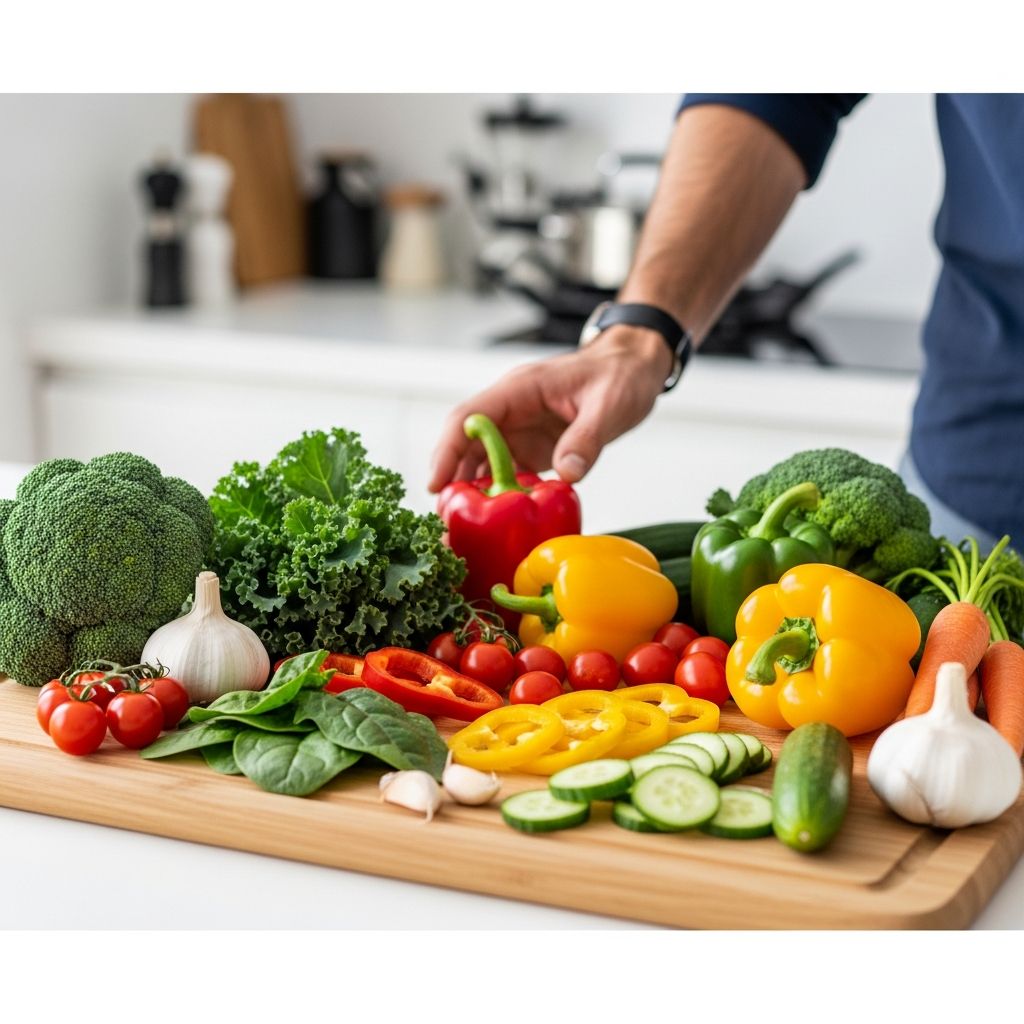
Vegetables contain
dietary fiber
,vitamins
,minerals
, andphytonutrients
that promote health as men age and help reduce the risk of chronic diseases like heart disease, diabetes, and certain cancers. Men face higher mortality rates from cardiovascular issues, with leafy greens providing protective benefits against these risks. Whether powering through workouts, managing family responsibilities, or tackling demanding projects, a vegetable-rich diet sustains energy and vitality throughout the day.Include a Variety of Veggies
A balanced eating pattern incorporating vegetables from all subgroups—**dark-green**,
red and orange
,starchy
,beans and peas
—fuels men’s demanding lifestyles. Dark-green vegetables like spinach, kale, and bok choy are rich in B vitamins, magnesium, vitamin C, vitamin K, and calcium, reducing risks of high blood pressure (affecting 47% of men vs. 43% of women), heart disease, cognitive decline, and osteoporosis.Red and orange veggies such as beets, red bell peppers, and sweet potatoes offer potent antioxidants. One cup of chopped red bell peppers or cooked broccoli exceeds daily vitamin C needs, supporting immune function and collagen production crucial for active men. Cruciferous vegetables like broccoli, cauliflower, Brussels sprouts, and bok choy contain sulforaphane, a powerful antioxidant and anti-inflammatory compound linked to cancer prevention, reduced depression, obesity, and improved cardiovascular symptoms.
Starchy vegetables like sweet potatoes provide sustained energy with fiber and beta-carotene, while beans and peas add plant-based protein, aiding muscle repair and satiety. Leafy greens lower blood pressure via potassium and vitamin K, improve cholesterol with soluble fiber, reduce inflammation through antioxidants like vitamin C and beta-carotene, and support low-calorie intake for weight management.
- Dark-Green Veggies: Spinach (rich in thylakoids to curb cravings), kale, bok choy—combat hypertension and bone loss.
- Red/Orange: Red bell peppers (high vitamin C, crunchy low-cal snack), beets, carrots—antioxidant powerhouses.
- Cruciferous: Broccoli, Brussels sprouts—sulforaphane fights cancer and inflammation.
- Starchy: Sweet potatoes, potatoes—insoluble fiber for digestion.
- Beans/Peas: High-protein, fiber-rich for heart health and fullness.
How Much Do You Need?
Adult men require
2½ to 4 cups of vegetables daily
, yet many consume far less. Distribute intake across meals and snacks: add ½ cup to sandwiches with roasted red peppers and sautéed mushrooms, use raw spinach in salads topped with roasted broccoli or beans.Experiment with roasting, grilling, steaming, or stir-frying to enhance flavor. Men’s Health experts recommend 2½ servings of dark-green and colorful veggies daily for antioxidants (vitamins C, E, beta-carotene), minerals (zinc, chromium, selenium), and dual fibers: soluble for cholesterol/blood sugar control, insoluble for gut motility.
| Vegetable Group | Daily Cups (Men) | Key Nutrients | Health Benefits |
|---|---|---|---|
| Dark-Green | 1.5-2 | Vit K, C, magnesium | BP control, bone health |
| Red/Orange | 5.5-6 | Vit A, C, fiber | Antioxidants, immunity |
| Beans/Peas | 1.5 | Protein, fiber | Muscle repair, satiety |
| Starchy/Other | 5-6 | Carbs, potassium | Energy, digestion |
Benefits for Men’s Specific Health Concerns
Men’s higher risks for heart disease, stroke, and diabetes make vegetables indispensable. Green leafy vegetables strongly associate with decreased cardiovascular disease risk, while cruciferous types contribute significantly. Fiber reduces blood cholesterol, lowering heart disease odds.
For weight loss, low-calorie, high-fiber veggies like spinach, arugula, bell peppers promote fullness and reduce cravings via thylakoids. Pairing with lean proteins enhances benefits: builds muscle, lowers BP, boosts HDL cholesterol.
Related Stories



Practical Tips to Boost Veggie Intake
- Start breakfast with spinach smoothies or veggie omelets.
- Mid-morning snack: carrot sticks or bell pepper slices.
- Lunch: Load salads with kale, broccoli, beans.
- Dinner: Grill asparagus, roast Brussels sprouts.
- Snacks: Roasted chickpeas or edamame for protein punch.
Incorporate variety to maximize phytonutrients: aim for rainbow plates daily.
Frequently Asked Questions (FAQs)
Q: Why are vegetables especially important for men’s health?
A: Men have higher rates of heart disease and hypertension; veggies provide potassium, fiber, and antioxidants for protection.
Q: How many cups of vegetables should men eat daily?
A: 2½ to 4 cups, spread across meals from all subgroups.
Q: Which vegetables are best for blood pressure?
A: Leafy greens like spinach, kale, watercress—high in potassium and vitamin K.
Q: Can vegetables help with weight loss?
A: Yes, high fiber and water content promote satiety; spinach and peppers are top choices.
Q: Are cruciferous veggies good for cancer prevention?
A: Sulforaphane in broccoli, kale reduces risks via anti-inflammatory effects.
Q: How to make veggies more appealing?
A: Roast, grill, or add to familiar dishes like burgers and sandwiches.
References
- Foods that best support men’s health — LifeBridge Health. 2023. https://www.lifebridgehealth.org/blogs/foods-best-support-mens-health
- Four Ways Leafy Greens Improve Men’s Health — B&W Quality Growers. 2023. https://bwqualitygrowers.com/in-the-news/four-ways-leafy-greens-improve-mens-health/
- Vegetables Are a Key Part of Nutrition for Men’s Health — Academy of Nutrition and Dietetics. 2023. https://www.eatright.org/food/food-groups/vegetables/vegetables-are-a-key-part-of-nutrition-for-mens-health
- 11 Delicious Vegetables That Are Great for Weight Loss — Men’s Health. 2023. https://www.menshealth.com/nutrition/a40589126/best-vegetables-for-weight-loss/
- Why to eat cruciferous vegetables — Mayo Clinic Health System. 2023. https://www.mayoclinichealthsystem.org/hometown-health/speaking-of-health/superfoods-why-you-should-eat-cruciferous-vegetables
- Vegetables and Fruits — Harvard T.H. Chan School of Public Health. 2023. https://nutritionsource.hsph.harvard.edu/what-should-you-eat/vegetables-and-fruits/
- Vegetable Group – One of the Five Food Groups — MyPlate.gov (USDA). 2023. https://www.myplate.gov/eat-healthy/vegetables
Similar Articles








Read full bio of medha deb