5 Vegetables That Can Cause Inflammation And How To Reduce Risk
Discover which vegetables might promote inflammation and how to enjoy them safely in your anti-inflammatory diet.
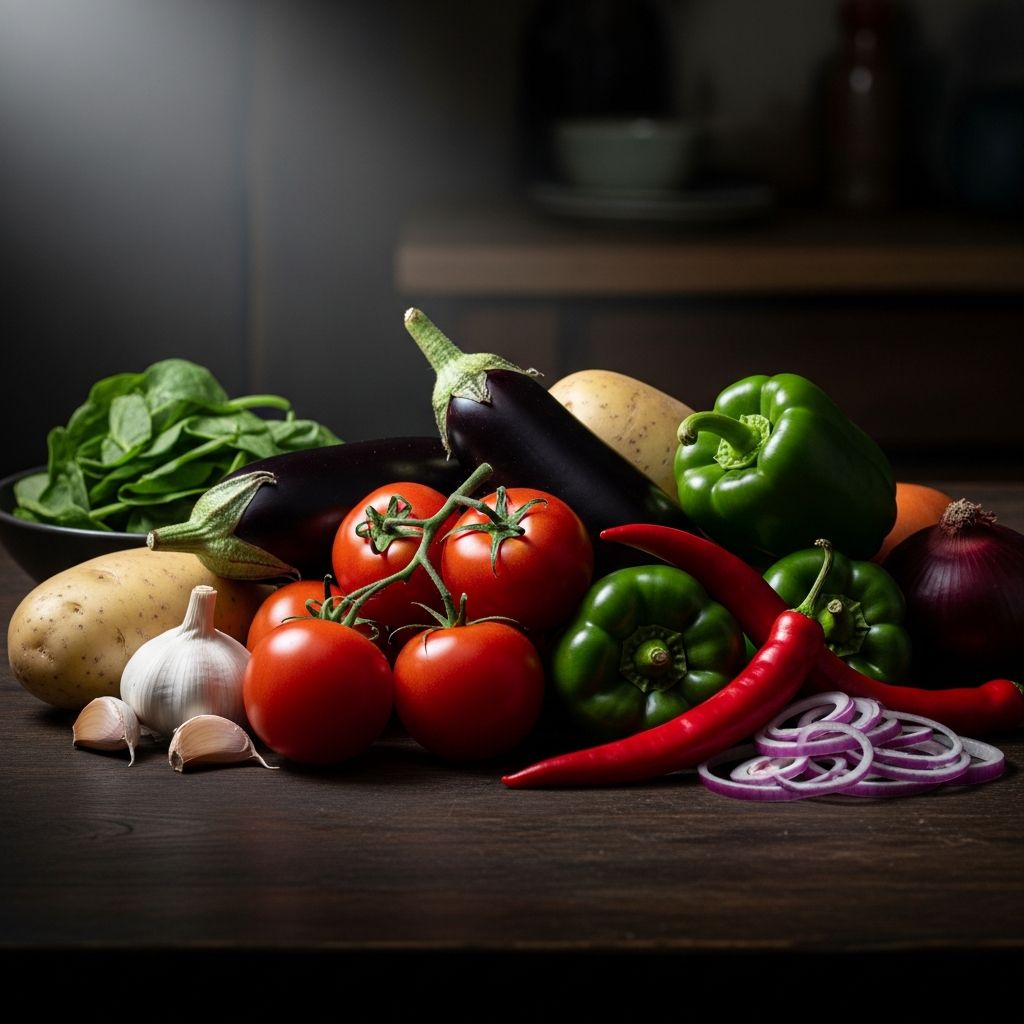
Vegetables are cornerstones of a healthy diet, packed with vitamins, minerals, and fiber. However, certain types may contribute to inflammation in some people, particularly those with sensitivities or autoimmune conditions. This article examines vegetables like nightshades, cruciferous varieties, and others that could trigger inflammatory responses, backed by scientific insights.
While most vegetables support an anti-inflammatory lifestyle, compounds in specific ones—such as solanine in nightshades or glucosinolates in crucifers—might exacerbate symptoms in susceptible individuals. Understanding these nuances helps tailor diets for optimal health.
What Is Inflammation?
Inflammation is the body’s natural immune response to injury, infection, or irritants. Acute inflammation aids healing, like swelling from a cut. Chronic inflammation, however, persists and damages tissues, linking to diseases like arthritis, heart disease, and diabetes.
Diet plays a key role. Pro-inflammatory foods include processed items and excess sugars, while anti-inflammatory ones like berries and fatty fish help. Yet, even vegetables aren’t universally benign; individual tolerances vary based on genetics, gut health, and conditions like leaky gut or arthritis.
Vegetables That May Promote Inflammation
Not all vegetables inflame equally. Here’s a breakdown of those most commonly associated with potential issues:
- Nightshade Vegetables: Tomatoes, potatoes, eggplants, and peppers contain solanine, an alkaloid that may irritate joints in sensitive people.
- Cruciferous Vegetables: Broccoli, cauliflower, and kale have glucosinolates, which can cause gas and bloating, indirectly fueling inflammation via gut distress.
- Legumes (Edible Pods): Green beans and peas, technically fruits, may trigger issues due to lectins and fibers.
- Onions and Garlic: Sulfur compounds like fructans can inflame the gut in those with IBS.
- Corn: High in omega-6 fatty acids, potentially pro-inflammatory if overconsumed.
Nightshade Vegetables
Nightshades (Solanaceae family) include tomatoes, white potatoes, bell peppers, and eggplant. They produce glycoalkaloids like solanine as a defense mechanism, which in high amounts can be toxic but are low in ripe produce.
For most, nightshades pose no problem. However, people with arthritis or autoimmune diseases report symptom flares. Anecdotal evidence suggests eliminating them reduces joint pain, though large studies are lacking. A 2023 review noted possible lectin-related gut permeability in sensitive individuals.
Tips for Nightshades:
- Peel potatoes and remove tomato seeds to lower alkaloid content.
- Cook thoroughly; heat reduces solanine.
- Test an elimination diet: Avoid for 4 weeks, then reintroduce.
Cruciferous Vegetables
Crucifers like broccoli, Brussels sprouts, cabbage, cauliflower, kale, and radishes contain goitrogens and glucosinolates. These sulfur compounds break down into isothiocyanates, which are mostly anti-inflammatory.
However, raw or excessive intake can suppress thyroid function (goitrogens) or cause digestive upset, mimicking inflammation. A study of 1,005 Chinese women found higher cruciferous intake linked to lower proinflammatory markers like TNF-α (12.66% reduction) and IL-6 (24.68% reduction), countering claims of harm. Despite this, those with thyroid issues or poor digestion may experience bloating.
Preparation Tips:
- Steam or cook to neutralize goitrogens.
- Limit raw kale smoothies if prone to gas.
- Pair with digestive aids like ginger.
Related Stories



Other Potential Culprits
Legumes and Pod Vegetables
Snap peas, green beans, and snow peas contain lectins and oligosaccharides, fermentable carbs that feed gut bacteria, producing gas. For IBS sufferers, this can inflame the gut lining.
Cooking mitigates lectins; soaking helps. Moderation is key in anti-inflammatory diets.
Onions and Garlic
Alliums owe pungency to fructans and sulfur. These FODMAPs trigger IBS symptoms in 10-15% of people, leading to bloating and low-grade inflammation.
Alternatives: Asafoetida or garlic-infused oil (fructan-free).
Corn
Often classified as a vegetable, corn’s high omega-6 (linoleic acid) can imbalance omega-3/6 ratios, promoting inflammation if diet lacks fish or flax. Opt for whole corn over processed.
Beets and Spinach
High-oxalate veggies like beets, spinach, and Swiss chard may contribute to kidney stones or joint pain in oxalate-sensitive people. Boiling reduces oxalates by 30-87%.
How to Enjoy These Vegetables Safely
Balance is essential. An anti-inflammatory diet emphasizes variety:
- Cook Smart: Heat deactivates most irritants.
- Portion Control: Rotate veggies; don’t overload on one type.
- Personalize: Track symptoms with a food diary.
- Boost with Anti-Inflammatories: Add turmeric, ginger, olive oil.
| Vegetable | Potential Issue | Mitigation Strategy |
|---|---|---|
| Tomatoes | Solanine | Remove seeds/skins, cook |
| Broccoli | Glucosinolates | Steam lightly |
| Onions | Fructans | Cook well, use alternatives |
| Corn | Omega-6 | Balance with omega-3s |
| Spinach | Oxalates | Boil and drain |
Signs Your Vegetables Might Be Causing Inflammation
Watch for:
- Joint pain or stiffness
- Bloating, gas, irregular bowels
- Skin rashes or fatigue
- Brain fog or headaches
Consult a doctor; rule out allergies or intolerances via testing.
Building an Anti-Inflammatory Plate
Fill half with non-triggering veggies (zucchini, carrots, leafy greens minus spinach). Add colorful fruits, lean proteins, healthy fats. Mediterranean-style eating reduces chronic inflammation.
Frequently Asked Questions (FAQs)
Can all vegetables cause inflammation?
No, most are anti-inflammatory. Issues arise from specific compounds in sensitive people.
Should I avoid nightshades completely?
Not unless symptomatic. Trial elimination first.
Are cooked cruciferous vegetables safe?
Yes, cooking reduces goitrogens and aids digestion.
What if I have IBS?
Follow low-FODMAP guidelines; limit onions, crucifers initially.
Do supplements help?
Turmeric or omega-3s may, but prioritize whole foods.
Expert Insights
Nutritionists stress context: A pro-inflammatory diet (ultra-processed foods, red meat) amplifies veggie issues. Focus on patterns, not single foods.
In summary, while vegetables like nightshades and crucifers offer immense benefits, mindful consumption prevents drawbacks. Personalize your plate for inflammation-free vitality.
References
- Cruciferous Vegetable Intake Is Inversely Correlated with Circulating Levels of Proinflammatory Markers in Women — Yu Jiang et al., American Journal of Clinical Nutrition (PMC). 2014-05-28. https://pmc.ncbi.nlm.nih.gov/articles/PMC4063312/
- What foods cause or reduce inflammation? — University of Chicago Medicine (Edwin McDonald, MD). 2020-09-01. https://www.uchicagomedicine.org/forefront/gastrointestinal-articles/2020/september/what-foods-cause-or-reduce-inflammation
Similar Articles








Read full bio of medha deb