Vegetables That Can Cause Inflammation: 5 To Watch
Discover which common vegetables might promote inflammation and learn how to enjoy them safely in your diet.
Vegetables are cornerstones of a healthy diet, packed with vitamins, minerals, and fiber that support overall wellness. However, certain vegetables can contribute to inflammation in some people due to compounds like lectins, solanine, or oxalates. While most individuals tolerate them well, those with autoimmune conditions, gut issues, or sensitivities may experience flare-ups. This article examines these vegetables, their mechanisms, and strategies to minimize risks while maximizing benefits.
What Is Inflammation?
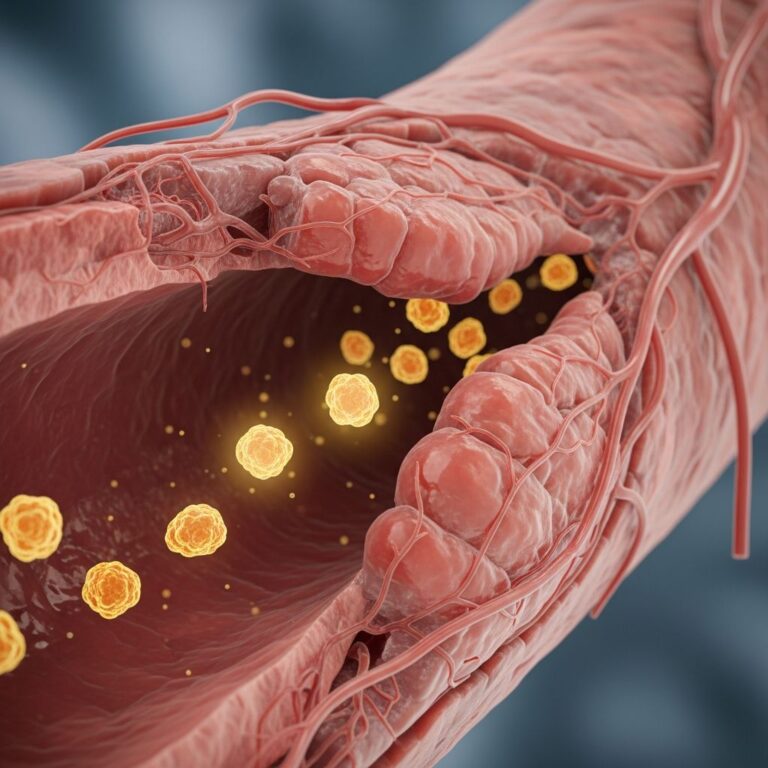
Inflammation is the body’s natural immune response to injury, infection, or irritants, involving redness, swelling, heat, and pain. Acute inflammation aids healing, but
chronic inflammation
can damage tissues, contributing to diseases like arthritis, heart disease, and diabetes. Diet plays a key role; pro-inflammatory foods exacerbate it, while anti-inflammatory ones, like most fruits and veggies, combat it. Factors like cooking methods, portion sizes, and personal health influence vegetable impacts.Vegetables That May Promote Inflammation
Not all vegetables are equal in their inflammatory potential. Here’s a breakdown of those most commonly linked:
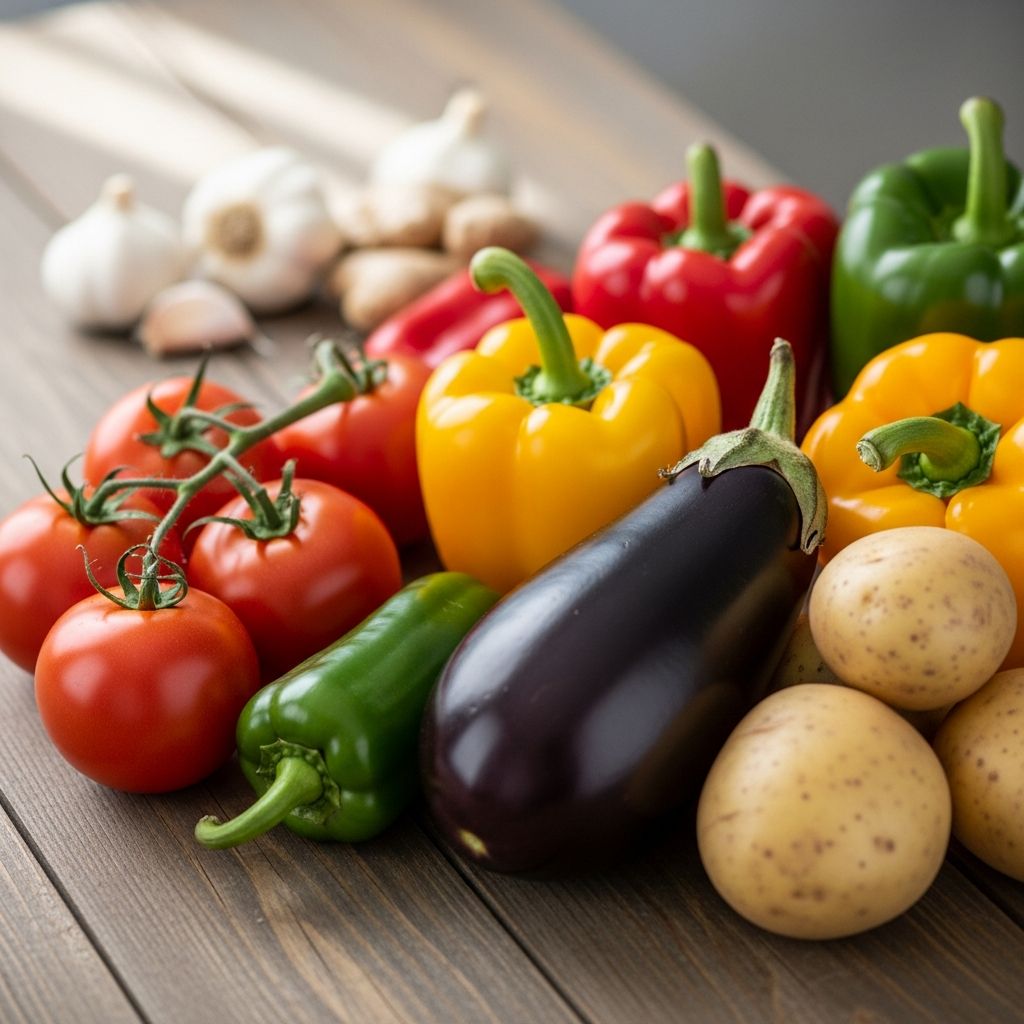
- Nightshade Vegetables (Tomatoes, Potatoes, Eggplants, Peppers): Contain solanine, an alkaloid that may irritate the gut lining and trigger inflammation in sensitive people, especially those with arthritis or IBS. Solanine inhibits enzymes like cholinesterase, potentially worsening joint pain.
- Cruciferous Vegetables (Broccoli, Cauliflower, Brussels Sprouts, Kale): Rich in glucosinolates, which break down into goitrogens that can interfere with thyroid function and cause gas or bloating, mimicking inflammation in the gut. Contrary to some views, studies show higher intake often correlates with lower inflammatory markers like TNF-α and IL-6.
- Legumes (Beans, Lentils): High in lectins, proteins that bind to gut cells, potentially increasing permeability (“leaky gut”) and systemic inflammation if not properly prepared.
- Spinach and Other Leafy Greens High in Oxalates: Oxalates can form crystals in joints or kidneys, promoting inflammation in gout or kidney stone sufferers.
- Corn: Often treated as a vegetable, its high sugar and lectin content may spike blood sugar and inflame the gut.
Nightshade Vegetables and Inflammation
Nightshades—tomatoes, white potatoes, eggplants, and peppers (excluding black pepper)—are nutrient-dense but controversial. Solanine, concentrated in green parts or sprouts, acts as a natural pesticide. In large amounts, it may disrupt acetylcholine, leading to muscle pain or inflammation. A 2023 survey by the Arthritis Foundation found 20% of rheumatoid arthritis patients reported symptom relief after eliminating nightshades, though evidence is anecdotal. Cooking reduces solanine by up to 50%, and peeling potatoes helps. For most, benefits (lycopene in tomatoes for heart health) outweigh risks.
| Vegetable | Key Compound | Potential Issue | Mitigation |
|---|---|---|---|
| Tomatoes | Solanine, Lectins | Joint pain, acid reflux | Cook thoroughly, remove skins |
| Potatoes | Solanine | Gut irritation | Peel, avoid green parts |
| Eggplants | Solanine | Skin rashes | Salt and rinse (draw out bitterness) |
| Peppers | Capsaicin (in hot varieties) | GI upset | Moderate spicy types |
Cruciferous Vegetables: A Double-Edged Sword
Broccoli, cauliflower, cabbage, kale, and Brussels sprouts belong to the Brassica family. They contain sulfur compounds that support detoxification but can cause bloating and gas via raffinose fermentation in the gut. Goitrogens may suppress iodine uptake, affecting thyroid health in excess. However, research from a cross-sectional study of 1,005 women showed higher cruciferous intake linked to 12-25% lower levels of pro-inflammatory cytokines (TNF-α, IL-1β, IL-6). Cooking deactivates goitrogens; steaming preserves nutrients best. Limit raw consumption if prone to IBS.
Other Vegetables with Inflammatory Potential
- Legumes: Lectins resist digestion, potentially causing leaky gut. Soaking, sprouting, fermenting, or pressure cooking reduces lectins by 90-100%.
- Oxalate-Rich Greens (Spinach, Swiss Chard, Beets): Bind calcium, forming painful crystals. Boiling leaches oxalates into water; pair with calcium-rich foods.
- Corn and Peas: High glycemic index promotes insulin spikes, fueling inflammation. Opt for whole grains instead.
- Onions and Garlic (Alliums): FODMAPs like fructans irritate IBS guts, causing bloating mistaken for inflammation.
Related Stories



How Cooking Affects Inflammatory Compounds
Preparation is crucial. Raw veggies retain more irritants; heat breaks down lectins, oxalates, and solanine.
- Boiling: Best for oxalates (discard water).
- Steaming: Retains antioxidants in cruciferous veggies.
- Fermenting: Neutralizes lectins in beans.
- Roasting: Enhances flavor, reduces nightshade alkaloids.
Avoid microwaving, which may preserve irritants unevenly. A University of Chicago Medicine review notes processed foods, not whole veggies, drive most dietary inflammation.
Who Should Be Cautious with These Vegetables?
Sensitivities vary. High-risk groups include:
- Autoimmune disorders (rheumatoid arthritis, lupus).
- Gut issues (IBS, SIBO, leaky gut).
- Thyroid conditions (hypothyroidism).
- Gout or kidney stones (oxalates).
- Histamine intolerance (fermented or aged veggies).
Elimination diets like Autoimmune Protocol (AIP) test tolerances over 4-6 weeks. Consult a dietitian before major changes.
Signs of Vegetable-Induced Inflammation
Monitor for: joint pain/stiffness, chronic bloating/gas, skin rashes, fatigue, brain fog, or digestive upset post-meal. Track symptoms in a food diary. Blood tests for CRP, ESR, or cytokines confirm chronic inflammation.
Alternatives and Anti-Inflammatory Swaps
Replace problematic veggies without sacrificing nutrition:
| Problem Veggie | Anti-Inflammatory Swap | Benefits |
|---|---|---|
| Nightshades | Sweet potatoes, carrots | Beta-carotene, fiber |
| Cruciferous (raw) | Cooked asparagus, zucchini | Low-FODMAP, gentle |
| High-Oxalate Greens | Kale (cooked), romaine | Lower oxalates |
| Legumes | Quinoa, properly prepared lentils | Complete proteins |
Building an Anti-Inflammatory Plate
Emphasize variety: 50% non-starchy veggies, colorful fruits, omega-3s (salmon, walnuts), turmeric, ginger. Mediterranean or plant-based diets reduce inflammation markers. Hydrate, exercise, manage stress. Most can enjoy these veggies in moderation.
Frequently Asked Questions (FAQs)
Can all vegetables cause inflammation?
No, most are anti-inflammatory. Issues arise from specific compounds in sensitive individuals.
Should everyone avoid nightshades?
Not unless symptomatic. Test via elimination diet.
Are raw cruciferous veggies bad?
They may cause bloating; cooking mitigates risks and enhances benefits.
How long to eliminate veggies for testing?
4-6 weeks, then reintroduce one at a time.
Do supplements help with veggie sensitivities?
Enzymes like alpha-galactosidase aid legume digestion; consult professionals.
Conclusion
Vegetables rarely “cause” inflammation broadly but can trigger it selectively. Balance knowledge with personalization for optimal health.
References
- Cruciferous Vegetable Intake Is Inversely Correlated with Circulating Levels of Proinflammatory Markers in Women — Yu Jiang et al., American Journal of Clinical Nutrition (PMC). 2014-05-28. https://pmc.ncbi.nlm.nih.gov/articles/PMC4063312/
- What foods cause or reduce inflammation? — University of Chicago Medicine. 2020-09-01. https://www.uchicagomedicine.org/forefront/gastrointestinal-articles/2020/september/what-foods-cause-or-reduce-inflammation
Similar Articles








Read full bio of Sneha Tete