Vegetarian Diet For Beginners: Easy 7-Day Meal Plan
Your complete guide to starting a vegetarian diet: benefits, meal ideas, nutrition tips, and easy recipes for beginners.
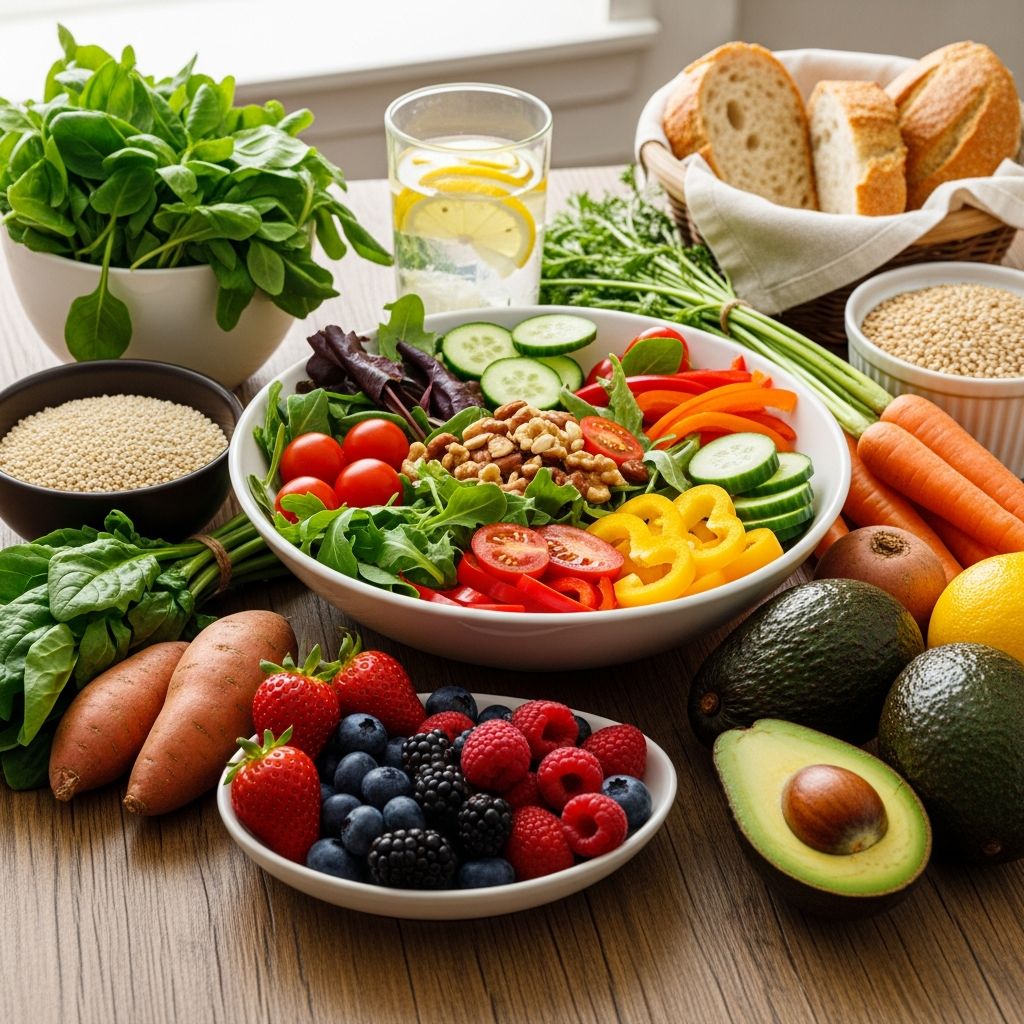
A vegetarian diet emphasizes plant-based foods while excluding meat, offering numerous health benefits like reduced risk of heart disease, diabetes, and certain cancers when well-planned. This guide covers everything beginners need to know, from types of vegetarianism to meal ideas and essential nutrients.
What Is a Vegetarian Diet?
A vegetarian diet focuses on fruits, vegetables, whole grains, legumes, nuts, and seeds, excluding meat such as beef, pork, lamb, and poultry. Some versions include dairy, eggs, or fish, making it flexible for beginners. A well-planned vegetarian diet meets nutritional needs for all ages, including pregnant individuals and athletes, by prioritizing nutrient-dense foods over processed items high in sugar, fat, and salt.
Vegetarian eating supports weight management and lowers chronic disease risks due to higher fiber, antioxidants, and lower saturated fat intake. Public health guidelines, like those from the UK and US, endorse balanced plant-based diets rich in whole foods.
Types of Vegetarian Diets
Vegetarian diets vary by excluded animal products. Here’s a breakdown:
- Lacto-vegetarian: Excludes meat, fish, poultry, and eggs but includes dairy like milk, cheese, and yogurt.
- Ovo-vegetarian: Excludes meat, poultry, seafood, and dairy but allows eggs.
- Lacto-ovo vegetarian: The most common; excludes meat, fish, and poultry but includes dairy and eggs.
- Pescatarian: Excludes meat and poultry but includes fish, and often dairy and eggs.
- Vegan: Excludes all animal products, including meat, dairy, eggs, and honey.
- Flexitarian: Mostly plant-based with occasional meat, ideal for beginners easing in.
Choose based on your goals, ethics, or health needs. Lacto-ovo is beginner-friendly due to familiar foods like cheese and eggs providing key nutrients.
Health Benefits of a Vegetarian Diet
Vegetarians often enjoy lower BMI, better cholesterol levels, and reduced inflammation. Studies link plant-based diets to a 20-30% lower heart disease risk and easier weight loss from high-fiber, low-calorie meals. They also promote gut health via fiber from beans, grains, and veggies, exceeding typical 5-A-Day fruit and vegetable recommendations.
Long-term adherents show lower rates of type 2 diabetes and some cancers, attributed to antioxidants in produce and nuts. However, benefits depend on variety—avoid relying on processed vegetarian junk food.
Nutrients to Focus On
Plant-based diets require attention to certain nutrients often abundant in meat. Key ones include:
- Protein: Abundant in beans, lentils, tofu, eggs, dairy, quinoa, and nuts. Staples like black beans or chickpeas provide complete proteins when varied.
- Iron: Found in spinach, lentils, fortified cereals; pair with vitamin C (citrus) for absorption.
- Calcium: From dairy (lacto), fortified plant milks, kale, broccoli.
- Vitamin B12: Essential; sources include dairy, eggs, fortified foods. Vegans need supplements.
- Vitamin D: Sun exposure, fortified foods, mushrooms; supplement if needed.
- Zinc and Iodine: Nuts, seeds, iodized salt, seaweed.
- Omega-3s: Flaxseeds, chia, walnuts, algae oil for vegans.
Related Stories



A registered dietitian can personalize plans. The UK Vegetarian Society’s adapted Eatwell Guide emphasizes these for balance.
Daily Food Amounts for a Healthy Vegetarian Diet
Based on a 2,000-calorie diet, aim for variety in nutrient-dense forms (low-fat, no added sugars/salts). Here’s a guide from U.S. Dietary Guidelines:
| Food Group | Daily Amount |
|---|---|
| Vegetables | 2½ cups |
| Fruits | 2 cups |
| Grains (mostly whole) | 6½ ounces |
| Dairy (low-fat) | 3 cups |
| Proteins (beans, eggs, nuts) | 5½ ounces |
| Oils | 27 grams |
Source: 2020-2025 Dietary Guidelines for Americans. Adjust for age, activity; vegans replace dairy/proteins with fortified alternatives.
How to Get Started on a Vegetarian Diet
Transition gradually to build habits:
- Ramp up: Start with 2-3 meatless days weekly. Boost veggies like spinach or kale in salads, smoothies.
- Substitute: Swap meat in recipes—use tofu in stir-fries, beans in chili, eggs in frittatas.
- Branch out: Explore vegetarian cookbooks, apps, ethnic cuisines like Indian dal or Mediterranean falafel.
- Stock staples: Beans, quinoa, eggs, peanut butter, oats for quick meals.
Meal prep simplifies: cook quinoa burgers or energy balls ahead.
7-Day Vegetarian Meal Plan for Beginners
This 1,200-2,000 calorie plan (adjust portions) features balanced, easy meals. Focus on variety for nutrients.
| Day | Breakfast | Lunch | Dinner | Snacks |
|---|---|---|---|---|
| Monday | Oatmeal with berries, chia seeds | Quinoa salad with chickpeas, veggies | Veggie stir-fry with tofu | Greek yogurt, apple |
| Tuesday | Yogurt parfait with nuts | Lentil soup, whole-grain bread | Eggplant parmesan | Almonds, carrot sticks |
| Wednesday | Smoothie with spinach, banana, peanut butter | Black bean wrap | Mushroom quinoa burgers | Cottage cheese, pear |
| Thursday | Whole-grain toast with avocado, egg | Chickpea salad | Vegetarian chili | Peanut butter energy balls |
| Friday | Chia pudding | Falafel pita | Cheese quesadilla with beans | Handful of walnuts |
| Saturday | Frittata with veggies | Veggie sushi rolls | Pasta primavera | Fruit salad |
| Sunday | Pancakes with fruit | Spinach salad with eggs | Stuffed peppers with rice, beans | Yogurt with granola |
Drink water; include fortified foods for B12.
Easy Vegetarian Recipes for Beginners
Mushroom Quinoa Veggie Burgers
High-protein, fiber-rich burgers. Ingredients (4 servings): 1 portobello mushroom, 1 cup cooked quinoa, ½ cup black beans, ¼ cup oats, spices, special sauce (ketchup, mustard, mayo).
- Process mushroom, beans, quinoa, oats. Form patties; cook 5 min/side.
- Mix sauce; serve on buns with toppings.
Per serving: ~250 cal, 12g protein.
Peanut Butter Energy Balls
Quick snack. Ingredients (20 balls): 2 cups oats, 1 cup peanut butter, ½ cup honey, chocolate chips, coconut.
- Mix all; roll into balls. Chill.
Perfect for on-the-go energy.
Other Ideas:
- Tofu scramble: Tofu, veggies, turmeric for breakfast.
- Bean tostadas: Beans, salsa, cheese.
- Frittata: Eggs, spinach, cheese for dinner.
Frequently Asked Questions (FAQs)
Is a vegetarian diet healthy for beginners?
Yes, when planned with variety; it reduces disease risks but watch protein, B12.
Can vegetarians get enough protein?
Absolutely—beans, eggs, dairy, quinoa provide ample amounts.
What if I’m transitioning from meat-heavy eating?
Go gradual: meatless Mondays, sub plant proteins.
Do I need supplements?
Lacto-ovo often don’t; vegans yes for B12, D.
How to meal prep vegetarian?
Batch-cook grains, beans, chop veggies; try burgers, energy balls.
Tips for Long-Term Success
Track intake initially via apps. Eat seasonally for affordability. Join communities for recipes. Consult pros for special needs. With planning, vegetarianism is sustainable and delicious.
References
- Vegetarian diet: How to get the best nutrition — Mayo Clinic Staff. 2020-2025 (ongoing). https://www.mayoclinic.org/healthy-lifestyle/nutrition-and-healthy-eating/in-depth/vegetarian-diet/art-20046446
- Nutritional advice — Vegetarian Society. Recent (post-2020). https://vegsoc.org/eating-veggie/nutritional-advice/
- How to Eat a Healthy Vegetarian Diet — EatingWell (YouTube). 2014-09-08. https://www.youtube.com/watch?v=NnYXxQRvgqA
- How to Meal Prep for a Vegetarian Diet — EatingWell (YouTube). 2020-08. https://www.youtube.com/watch?v=5V5Sv_rI4SY
Similar Articles








Read full bio of medha deb