Vegetarian Meal Plan for High Blood Pressure
A 7-day vegetarian meal plan designed to lower blood pressure with DASH-inspired, nutrient-rich plant-based foods and recipes.
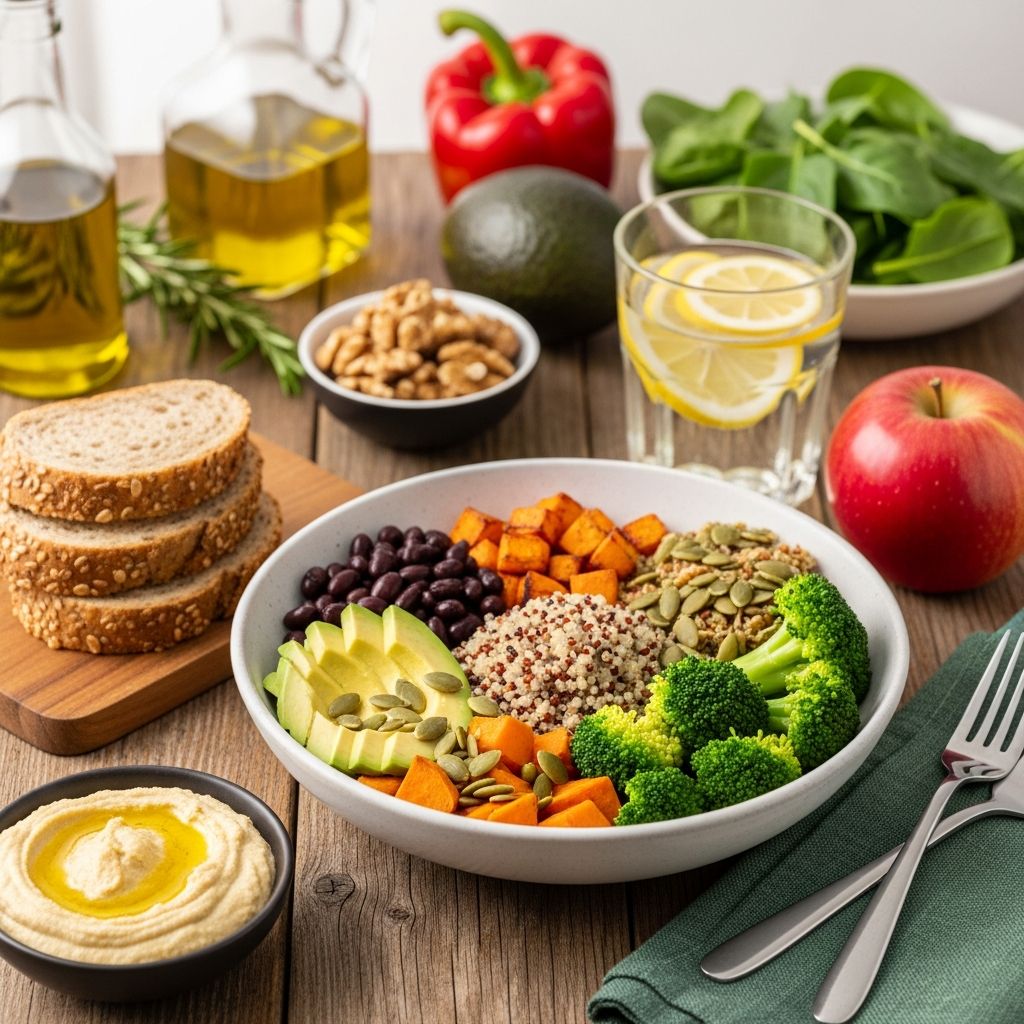
This 7-day vegetarian meal plan is crafted to help manage high blood pressure through a plant-based approach aligned with DASH (Dietary Approaches to Stop Hypertension) principles. It emphasizes low-sodium foods, potassium-rich fruits and vegetables, whole grains, and plant proteins to promote heart health while keeping daily calories around 1,500–2,000, adjustable for individual needs.
High blood pressure affects millions worldwide, but dietary changes can significantly lower it. Vegetarian diets rich in fiber, antioxidants, and minerals like potassium have been shown to reduce systolic blood pressure by up to 5–10 mmHg. This plan avoids meat, focuses on flavorful, satisfying meals, and includes daily snacks, breakfasts, lunches, and dinners.
How to Use This Vegetarian Meal Plan for High Blood Pressure
Follow this plan for one week to kickstart blood pressure management. Each day provides balanced meals totaling about 1,800 calories, with high potassium (4,700 mg daily goal), low sodium (under 2,300 mg), and ample fiber (30+ grams). Drink plenty of water, herbal teas like hibiscus, and limit processed foods. Consult a doctor or dietitian before starting, especially if on medication.
- Portion control: Use measuring cups initially to learn servings.
- Sodium swap: Choose no-salt-added canned goods and herbs over salt.
- Customization: Add more veggies for volume without calories; scale up for higher energy needs.
- Exercise pairing: Combine with 30 minutes daily walking for enhanced results.
7-Day Vegetarian Meal Plan for High Blood Pressure
Meals are simple, quick-prep (under 30 minutes most days), and use seasonal produce for freshness and affordability.
Day 1
- Breakfast: Oatmeal with banana slices, chia seeds, and almond milk (350 cal, 10g protein, 60g carbs, 8g fat).
- A.M. Snack: Apple with a handful of unsalted walnuts (200 cal, 4g protein, 25g carbs, 12g fat).
- Lunch: Quinoa salad with chickpeas, cucumber, tomatoes, lemon-tahini dressing (450 cal, 15g protein, 60g carbs, 15g fat).
- P.M. Snack: Carrot sticks with hummus (150 cal, 5g protein, 20g carbs, 6g fat).
- Dinner: Stir-fried tofu with broccoli, bell peppers, brown rice (500 cal, 20g protein, 70g carbs, 15g fat).
Daily totals: 1,650 cal, 54g protein, 235g carbs, 56g fat, 35g fiber, ~1,800mg sodium.
Day 2
- Breakfast: Greek yogurt parfait with berries, granola (low-sugar), flaxseeds (320 cal).
- A.M. Snack: Pear and almonds (180 cal).
- Lunch: Lentil soup with spinach salad, whole-grain roll (420 cal).
- P.M. Snack: Celery with peanut butter (160 cal).
- Dinner: Veggie stir-fry with tempeh, quinoa (480 cal).
Daily totals: 1,560 cal, high potassium from produce.
Day 3
- Breakfast: Smoothie: spinach, banana, almond milk, protein powder (plant-based) (300 cal).
- A.M. Snack: Orange segments (80 cal).
- Lunch: Black bean wrap with avocado, salsa, greens (440 cal).
- P.M. Snack: Edamame pods (120 cal).
- Dinner: Eggplant parmesan (baked, low-oil) with whole-wheat pasta (520 cal).
Day 4
Related Stories



- Breakfast: Chia pudding with mango, almond milk (300 cal, 8g protein).
- A.M. Snack: Baked sweet potato fries with guac (200 cal).
- Lunch: Spinach goat cheese quiche (vegetarian, side greens) (360 cal).
- P.M. Snack: Rice cakes with tomatoes, cottage cheese (150 cal).
- Dinner: Mushroom risotto, roasted asparagus (410 cal).
Day 5
- Breakfast: Avocado toast on whole grain, mixed berries (310 cal).
- A.M. Snack: Edamame (120 cal).
- Lunch: Veggie burger, whole-wheat bun, salad (360 cal).
- P.M. Snack: Yogurt with nuts (200 cal).
- Dinner: Eggplant parmesan, spaghetti (450 cal).
Day 6
- Breakfast: Whole-grain pancakes with fruit compote (340 cal).
- A.M. Snack: Kale chips (baked) (140 cal).
- Lunch: Chickpea curry salad (400 cal).
- P.M. Snack: Chia pudding (180 cal).
- Dinner: Stuffed bell peppers with quinoa, beans (460 cal).
Day 7
- Breakfast: Berry smoothie bowl (320 cal).
- A.M. Snack: Pumpkin seeds (roasted) (160 cal).
- Lunch: Falafel pita (whole-wheat, veggies) (430 cal).
- P.M. Snack: Caprese salad skewers (150 cal).
- Dinner: Vegetable curry with coconut milk, jasmine rice (420 cal).
Grocery List for the Week
This list serves one person; double for families. Organized by store section for efficiency. Total estimated cost: $60–80.
| Produce | Grains & Proteins | Dairy Alternatives | Pantry |
|---|---|---|---|
| Bananas (7), berries (2 pints), spinach (2 bunches), broccoli (2 heads), tomatoes (6), cucumbers (4), avocados (4), sweet potatoes (4), bell peppers (6) | Quinoa (1 lb), brown rice (1 lb), oats (1 lb), whole-wheat bread (1 loaf), tofu (2 packs), chickpeas (2 cans no-salt), lentils (1 lb), black beans (2 cans) | Almond milk (2 quarts), Greek yogurt (plain, low-fat, 32 oz), goat cheese (4 oz) | Hummus (no-salt, 8 oz), tahini, chia seeds (4 oz), walnuts/almonds (4 oz), olive oil, herbs/spices (basil, garlic powder) |
Foods to Eat and Avoid
Emphasize these for blood pressure control:
- Potassium-rich produce: Bananas, spinach, potatoes, avocados.
- Whole grains: Oats, quinoa, brown rice for fiber.
- Plant proteins: Legumes, tofu, tempeh, edamame.
- Healthy fats: Nuts, seeds, olive oil in moderation.
- Dairy alternatives: Unsweetened almond/soy milk.
Avoid or limit:
- High-sodium: Processed vegetarian meats, canned soups, cheese.
- Sugary drinks, refined carbs, excessive salt.
Meal-Prep Tips for Success
Prep ahead to stay on track: Cook grains and chop veggies Sunday. Portion snacks in bags. Freeze soups/curries. Use herbs like rosemary, garlic for flavor without sodium. Track BP weekly to monitor progress.
Health Benefits of This Plan
Vegetarian DASH-style eating lowers LDL cholesterol and BP, reducing heart disease risk. Studies show plant-based diets decrease hypertension risk via fiber and nitrates in veggies. Expect steady energy, weight management, and better digestion.
Frequently Asked Questions
Is this plan suitable for vegans?
Yes, swap yogurt/cheese for plant-based alternatives like cashew yogurt or nutritional yeast.
Can I adjust calories?
Add larger portions of veggies/grains for more calories; reduce nuts for fewer.
How does it lower blood pressure?
High potassium balances sodium; fiber aids weight control; antioxidants reduce inflammation.
What if I have other conditions like diabetes?
Low glycemic index foods help; consult a dietitian for personalization.
Are recipes provided?
Basic recipes are simple; e.g., quinoa salad: Cook quinoa, mix with drained chickpeas, chopped veggies, lemon juice, tahini.
References
- Hypertension Meal Plan for Vegetarian — Listonic. 2024-11-22. https://listonic.com/meal-plans/en/hypertension-meal-plan-for-vegetarian
- Heart-Healthy Eating Vegetarian Style — National Lipid Association. N/A (recent PDF). https://www.lipid.org/sites/default/files/vegetarian_eating_pattern_final_0.pdf
- Mediterranean Diet: Food List & Meal Plan — Cleveland Clinic. 2023. https://my.clevelandclinic.org/health/articles/16037-mediterranean-diet
- DASH Diet: Sample Menus — Mayo Clinic. 2024. https://www.mayoclinic.org/healthy-lifestyle/nutrition-and-healthy-eating/in-depth/dash-diet/art-20047110
Similar Articles








Read full bio of medha deb