Vegetarianism: Essential Guide To Types, Nutrients, And Benefits
Discover the essentials of vegetarian diets, from health benefits and nutrient needs to practical tips for success.
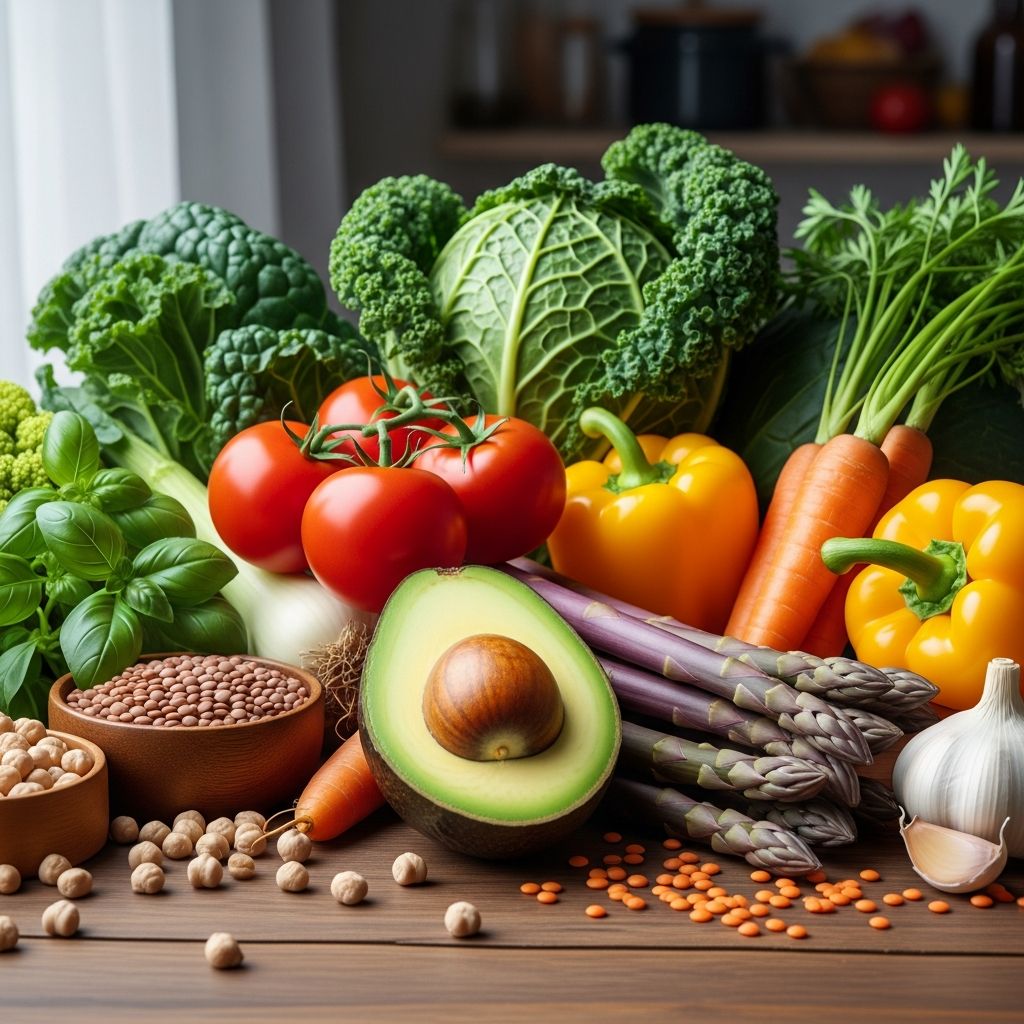
A vegetarian diet emphasizes plant-based foods while excluding or limiting meat. This eating pattern offers potential health advantages, environmental benefits, and versatility for various lifestyles when properly planned.
What Is Vegetarianism?
Vegetarianism involves choosing foods primarily from plant sources such as fruits, vegetables, whole grains, legumes, nuts, and seeds. Unlike omnivorous diets, vegetarians avoid meat, poultry, and fish to varying degrees, focusing instead on nutrient-dense whole foods.
People adopt vegetarianism for health, ethical, environmental, or religious reasons. Research links well-planned vegetarian diets to lower risks of chronic conditions, making it a sustainable choice for many.
Types of Vegetarians
Vegetarian diets exist on a spectrum, allowing flexibility based on personal preferences and nutritional needs:
- Lacto-ovo vegetarian: Excludes meat, fish, and poultry but includes dairy products and eggs. This is the most common type.
- Lacto-vegetarian: Avoids meat, fish, eggs, and poultry but consumes dairy like milk, yogurt, and cheese.
- Ovo-vegetarian: Includes eggs but excludes dairy, meat, fish, and poultry.
- Pescatarian: Avoids meat and poultry but includes fish and seafood, often alongside dairy and eggs.
- Vegan: The strictest form, excluding all animal products including meat, dairy, eggs, and honey.
- Flexitarian: Primarily plant-based with occasional meat or fish for flexibility.
Choosing a type depends on health goals, ethics, and ease of nutrient management. Lacto-ovo provides more natural sources of key nutrients like B12 and calcium.
Health Benefits of Vegetarian Eating
Vegetarian diets are nutrient-rich, often high in fiber, vitamins, minerals, protein, healthy fats, and phytonutrients from plants. These qualities contribute to significant health outcomes.
- Lower chronic disease risk: Associated with reduced obesity, heart disease, diabetes, high blood pressure, and certain cancers. Vegetarians tend to have lower BMI and better cardiovascular health.
- Improved weight management: Plant-based eating is typically lower in calories and saturated fat while higher in fiber, promoting satiety and weight control.
- Enhanced athletic performance: Rich in carbs for fuel, protein for recovery, and anti-inflammatory phytonutrients, supporting workouts.
- Better overall nutrition: Exceeds guidelines for fruit/vegetable intake, boosting fiber and antioxidants while lowering saturated fat.
Organizations like the American Heart Association and American Institute for Cancer Research endorse high plant-food intake for disease prevention. A vegetarian pattern can reduce death risk from cardiovascular disease and some cancers due to higher fiber and lower saturated fats.
Vegetarian Diets and Nutrients of Concern
While plant foods provide most essentials, some nutrients require attention, especially in stricter diets like vegan. Focus on variety and fortification to meet needs.
| Nutrient | Role | Vegetarian Sources |
|---|---|---|
| Protein | Builds tissues, supports immunity | Beans, lentils, soy (tofu, tempeh), nuts, seeds, quinoa, eggs, dairy |
| Iron | Oxygen transport | Leafy greens, beans, lentils, nuts, seeds, whole grains, fortified cereals. Pair with vitamin C for absorption |
| Calcium | Bone/muscle health | Fortified plant milks, tofu, leafy greens (kale, collards), almonds, dairy |
| Zinc | Immune function | Beans, nuts, seeds, whole grains, soy |
| Vitamin B12 | Red blood cells, nerves | Fortified plant milks/cereals, nutritional yeast, supplements (essential for vegans) |
| Vitamin D | Bone/immune health | Fortified milks/cereals, UV-exposed mushrooms, sunlight |
| Omega-3s | Anti-inflammatory | Walnuts, chia/flax seeds, soybeans |
| Iodine | Thyroid function | Iodized salt, seaweed |
Pulses (beans, peas, lentils) are low-fat protein powerhouses with fiber and minerals. Eggs, dairy, and soy bridge gaps in lacto-ovo diets. Vegans must prioritize B12 supplementation to avoid deficiency.
Planning a Healthy Vegetarian Diet
Success comes from variety, emphasizing whole foods over processed items. Limit refined grains and sweets to maximize benefits.
- Base meals on fruits, vegetables, whole grains, legumes.
- Incorporate nuts/seeds for healthy fats.
- Choose fortified foods for B12, D, calcium.
- Combine plant proteins (e.g., beans + rice) for complete amino acids.
MyPlate guidelines adapt well: fill half your plate with fruits/veggies, quarter grains, quarter protein, plus dairy or alternatives.
Related Stories



Vegetarian Eating for Athletes
Athletes thrive on vegetarian fuel: carbs from grains/fruits for energy, plant proteins for muscle repair, phytonutrients for recovery. Examples include quinoa salads, nut butters on whole-grain toast, lentil soups. Hydrate and monitor iron/zinc for performance.
Vegetarian Diets for Children
Growing kids need careful planning for protein, iron, B12, D, calcium, and zinc. Breastfeeding vegan moms should supplement B12. Offer varied foods: fortified cereals, dairy/plant milks, legumes, eggs. Consult dietitians for picky eaters or special needs.
Sample Vegetarian Meal Plan
A balanced day (approx. 2000 calories):
- Breakfast: Oatmeal with fortified plant milk, chia seeds, berries.
- Lunch: Lentil soup, whole-grain bread, spinach salad with tofu.
- Snack: Yogurt or nuts with fruit.
- Dinner: Quinoa stir-fry with veggies, tempeh, side of kale.
- Dessert: Fortified cereal with milk alternative.
Adjust portions for activity levels.
Frequently Asked Questions
Is a vegetarian diet healthy for everyone?
Yes, when well-planned with attention to key nutrients, it’s suitable for all ages and activity levels.
Do vegetarians get enough protein?
Absolutely; diverse plants like beans, soy, nuts provide ample high-quality protein.
Can vegetarians build muscle?
Yes, plant proteins support athletic gains with proper variety and calories.
What about vitamin B12 on a vegan diet?
Vegans need fortified foods or supplements as B12 is absent in plants.
Is vegetarian eating good for the environment?
Yes, it cuts carbon emissions significantly compared to meat-heavy diets.
Vegetarianism offers a flexible, healthful path. Consult registered dietitians for personalization.
References
- What you need to know about vegetarian diets — Human Performance Resources by CHAMP. 2023. https://www.hprc-online.org/nutrition/unique-nutrition-needs/what-you-need-know-about-vegetarian-diets
- Vegetarianism: The Basic Facts — Academy of Nutrition and Dietetics. 2023-10-01. https://www.eatright.org/health/wellness/vegetarian-and-plant-based/vegetarianism-the-basic-facts
- Nutrition & Health Info Sheets for Consumers – Vegetarian Diets — UC Davis Nutrition Department. 2024. https://nutrition.ucdavis.edu/outreach/nutr-health-info-sheets/consumer-vegetarian
- Vegetarian and vegan eating — Better Health Channel (Victoria Government). 2024. https://www.betterhealth.vic.gov.au/health/healthyliving/vegetarian-and-vegan-eating
- Why eat veggie? — Vegetarian Society. 2023. https://vegsoc.org/eating-veggie/why-eat-veggie/
- Vegetarian diet: How to get the best nutrition — Mayo Clinic. 2024-01-15. https://www.mayoclinic.org/healthy-lifestyle/nutrition-and-healthy-eating/in-depth/vegetarian-diet/art-20046446
Similar Articles








Read full bio of Sneha Tete