Vegging Out: Tips on Switching to a Meatless Diet
Practical steps and strategies for transitioning to a vegetarian or plant-based diet successfully while ensuring nutritional balance.
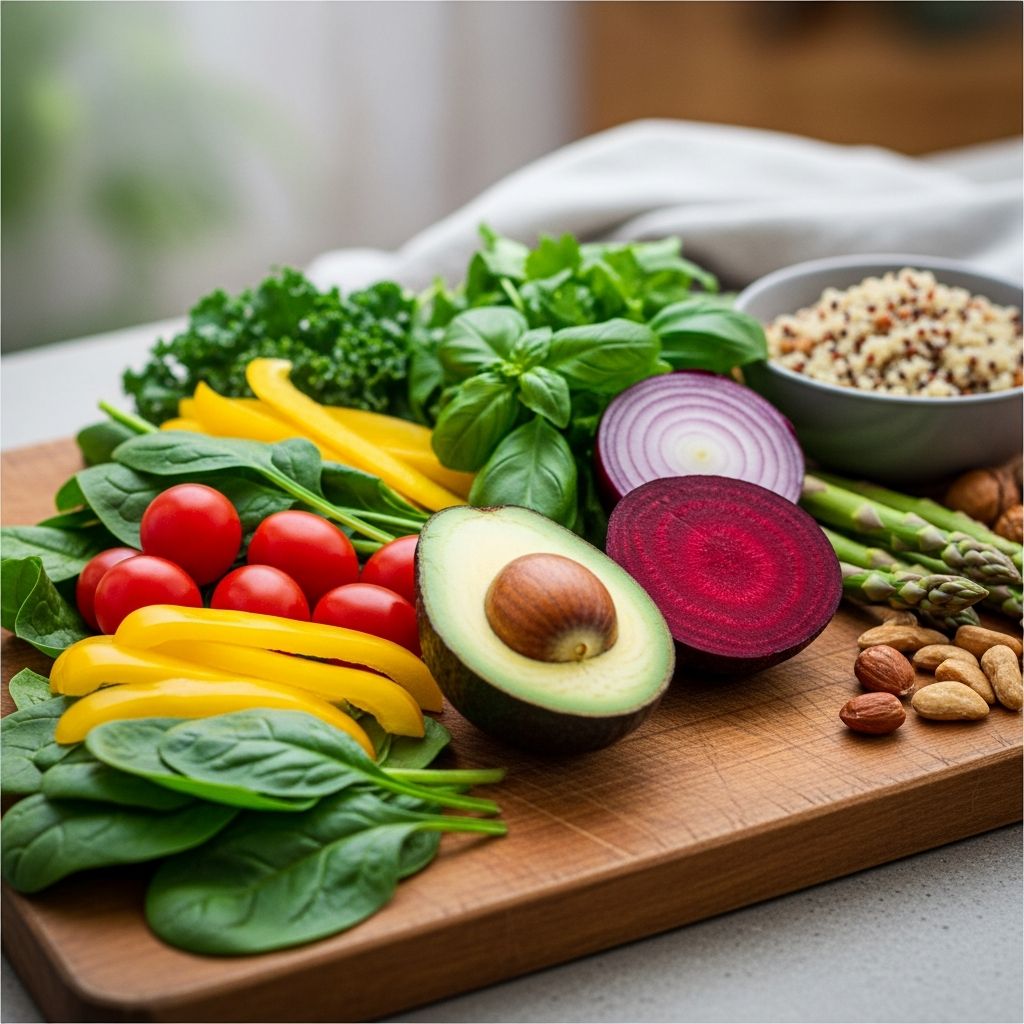
Switching to a vegetarian or plant-based diet can be motivated by health, ethics, religion, or environmental concerns, but for lifelong meat-eaters, the transition requires thoughtful steps to ensure enjoyment and nutritional balance. A gradual approach allows time to discover satisfying vegetarian foods while building sustainable habits.
Eat What You Like
Begin by assessing your current eating habits. List foods you regularly consume, highlighting vegetarian options you already enjoy, then expand with whole grains, fruits, vegetables, and beans. Incorporate vegetables into familiar dishes like pasta, rice, or soups to ease the shift.
Explore plant-based meat alternatives made from soybean proteins, wheat proteins, or other vegetable sources, available in grocery freezers as vegetarian burgers, sausages, chicken, or bacon. These enhance recipes like chili, casseroles, or stir-fries without compromising flavor. For vegans eliminating all animal products, opt for calcium-fortified soy milk, yogurt, or other dairy substitutes.
Vegetarian cookbooks and online recipes provide inspiration, especially from global cuisines like Asian, Indian, and Middle Eastern, which offer abundant meat-free options. Supermarkets stock international vegetarian ingredients and ready-to-eat meals, making experimentation accessible.
- Review daily meals and identify beloved plant foods.
- Add veggies to staples like pasta or rice.
- Try meat analogs in favorite recipes.
- Experiment with vegan dairy alternatives.
- Explore ethnic vegetarian dishes.
Become a Label Reader
Essential for vegetarians, label reading reveals hidden animal ingredients like lard, chicken fat, or gelatin in seemingly meat-free products. Ingredients are listed by quantity, from most to least, aiding informed choices.
A common myth is that vegetarians struggle with protein intake, but varied plant proteins from whole grains, beans, lentils, and nuts supply all essential amino acids when calorie needs are met. Daily variety optimizes protein utilization. The Academy of Nutrition and Dietetics affirms that appropriately planned vegetarian diets provide adequate protein.
| Plant Protein Sources | Examples | Benefits |
|---|---|---|
| Legumes | Beans, lentils, peas | High fiber, low saturated fat |
| Grains | Quinoa, brown rice, oats | Complete proteins in some, nutrient-dense |
| Nuts & Seeds | Almonds, chia, peanuts | Healthy fats, versatile |
| Soy Products | Tofu, tempeh, edamame | Complete protein, calcium-fortified options |
Healthy Vegetarian Eating Tips
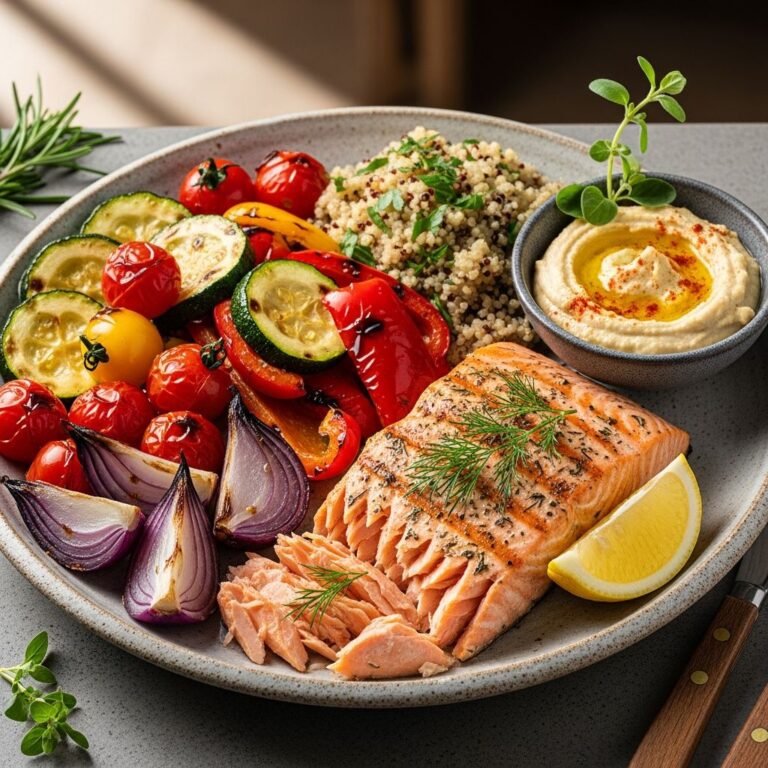
Center meals on whole grains, vegetables, fruits, beans, nuts, and seeds for balanced nutrients including fiber, protein, and phytochemicals. Use heart-healthy fats like canola or olive oil, rich in monounsaturated and polyunsaturated fats, and incorporate avocados, nuts, or seeds into salads and dishes.
Plant-based diets lower heart disease risk, aid weight management, and provide more fiber and vitamins compared to typical meat-heavy diets. The Dietary Guidelines recommend diverse proteins like beans, lentils, soy, nuts, and for lacto-ovo vegetarians, dairy and eggs.
- Build meals with grains + veggies + legumes.
- Cook with olive or canola oil.
- Add nuts/seeds/avocado for fats.
- Aim for variety daily for nutrient balance.
Start small, like meatless meals once or twice weekly, incorporating beans into soups or tofu in stir-fries, to reap benefits cost-effectively. Plant-forward eating, as in Mediterranean or Asian diets, prioritizes plants with minimal meat.
Types of Vegetarian Diets
Vegetarianism varies: Lacto-ovo vegetarians include dairy and eggs; lacto-vegetarians include dairy but no eggs; vegans exclude all animal products, including honey. Each can be nutritionally adequate with planning.
Related Stories



Health Benefits of Vegetarian Eating
Vegetarian patterns link to lower obesity, heart disease risk, and blood pressure, thanks to higher fiber, lower calories, and saturated fats. The Academy’s position supports long-term cardiometabolic health benefits.
Frequently Asked Questions (FAQs)
Q: Is it hard to get enough protein on a vegetarian diet?
A: No, a variety of beans, lentils, nuts, grains, and soy provides ample complete proteins with added fiber benefits.
Q: Can I switch to vegetarian gradually?
A: Yes, start with meatless days weekly, adding plant foods to familiar meals for sustainable change.
Q: What are good beginner meat substitutes?
A: Try veggie burgers, tofu, tempeh, or lentils in chilis and casseroles for meat-like texture and taste.
Q: Do vegetarians need supplements?
A: Planned diets are adequate, but vegans may monitor B12, iron, and omega-3s; consult a dietitian.
Q: Are vegetarian diets heart-healthy?
A: Yes, lower saturated fats and higher fiber reduce heart disease risk.
Sample 3-Day Meatless Meal Plan
| Day | Breakfast | Lunch | Dinner |
|---|---|---|---|
| Day 1 | Oatmeal with nuts & fruit | Bean burrito | Veggie stir-fry with tofu |
| Day 2 | Soy yogurt parfait | Lentil soup & salad | Quinoa bowl with veggies |
| Day 3 | Whole grain toast w/ avocado | Chickpea salad wrap | Vegetarian chili |
This plan emphasizes variety, using affordable plants for balance.
References
- Vegging Out: Tips on Switching to a Meatless Diet — Academy of Nutrition and Dietetics. 2023. https://www.eatright.org/health/wellness/vegetarian-and-plant-based/vegging-out-tips-on-switching-to-a-meatless-diet
- Meatless meals: The benefits of eating less meat — Mayo Clinic. 2024-06-12. https://www.mayoclinic.org/healthy-lifestyle/nutrition-and-healthy-eating/in-depth/meatless-meals/art-20048193
- New Position Paper on Vegetarian and Vegan Diets — Academy of Nutrition and Dietetics. 2024. https://www.eatrightpro.org/news-center/research-briefs/new-position-paper-on-vegetarian-and-vegan-diets
- Building a Healthy Vegetarian Diet: Myths and Facts — Academy of Nutrition and Dietetics. 2023. https://www.eatright.org/health/wellness/vegetarian-and-plant-based/building-a-healthy-vegetarian-diet-myths
- Going Meatless Once a Week — Academy of Nutrition and Dietetics. 2023. https://www.eatright.org/health/wellness/vegetarian-and-plant-based/going-meatless-once-a-week
- Vegetarianism: The Basic Facts — Academy of Nutrition and Dietetics. 2023. https://www.eatright.org/health/wellness/vegetarian-and-plant-based/vegetarianism-the-basic-facts
Similar Articles








Read full bio of Sneha Tete