Veins: Anatomy, Function & Circulatory Role
Understanding veins: Essential blood vessels that return oxygen-poor blood to your heart.
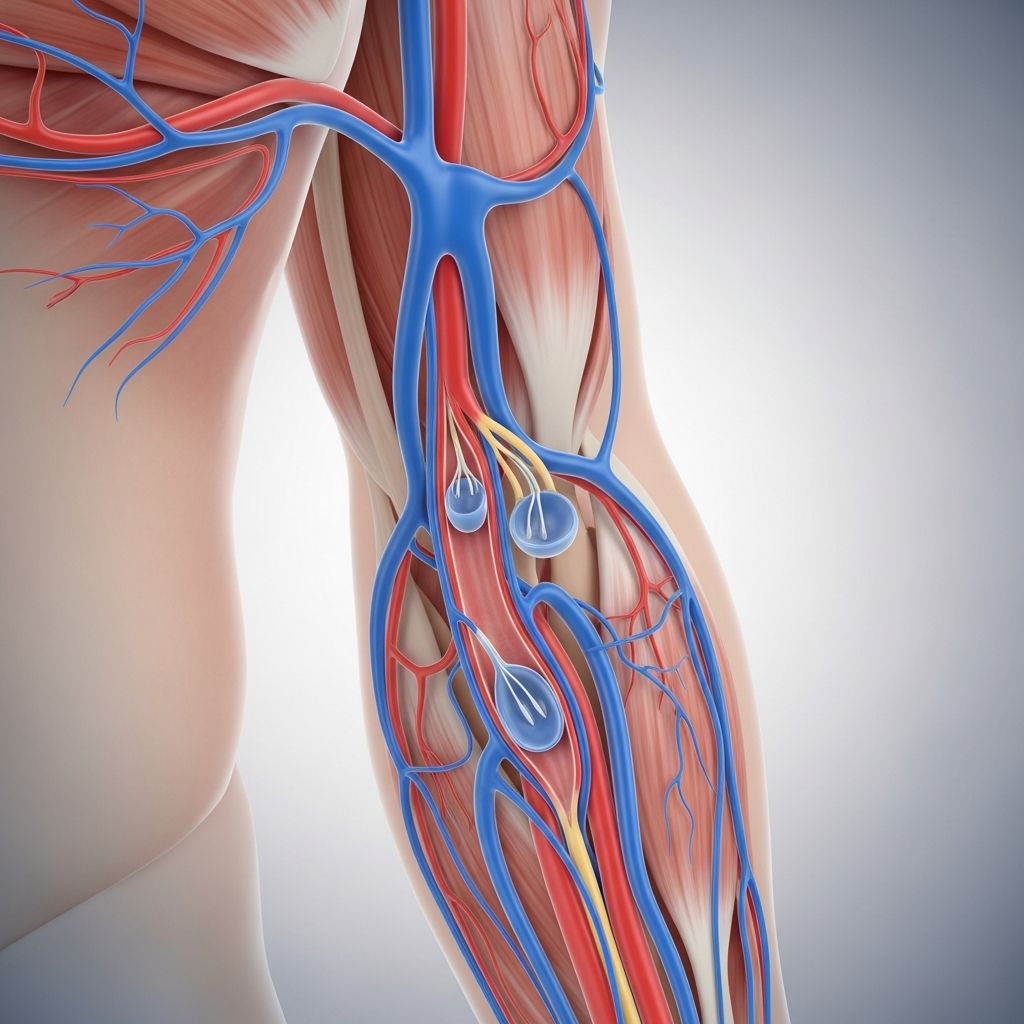
Veins: Anatomy and Function
Veins are specialized blood vessels that form a crucial component of your circulatory system, working constantly to maintain your body’s health and function. These remarkable vessels serve as the body’s return pathway, collecting oxygen-poor blood from tissues throughout your body and delivering it back to your heart for recirculation. Understanding the anatomy and function of veins provides valuable insight into how your cardiovascular system maintains the delicate balance necessary for survival.
What Are Veins?
Veins are blood vessels that carry blood back to the heart after it has circulated through your body’s tissues. Unlike arteries, which carry oxygen-rich blood away from the heart, veins specialize in returning oxygen-depleted blood laden with waste products to the heart and lungs. This distinction is fundamental to understanding how your circulatory system maintains equilibrium. Veins work in conjunction with your heart and other blood vessels to create a continuous loop that sustains life, distributing oxygen and nutrients while removing metabolic waste products.
The Structure of Veins
Veins possess a distinctive three-layered structure that differs from arteries, reflecting their specialized function in the circulatory system. Understanding this anatomy helps explain why veins behave differently and why certain conditions can affect them.
The Three Layers of Vein Walls
Veins consist of three distinct layers, each serving an important purpose:
- Tunica Intima (Inner Layer): The innermost layer provides a smooth surface that allows blood to flow easily without creating friction or causing clotting.
- Tunica Media (Middle Layer): This muscular layer is thinner in veins compared to arteries, reflecting the lower pressure at which venous blood travels through the system.
- Tunica Adventitia (Outer Layer): The outermost connective tissue layer provides structural support and helps veins maintain their shape.
Vein Size and Structure
Veins vary significantly in size, ranging from tiny venules that collect blood directly from tissue capillaries to large central veins that deliver blood to the heart. As veins travel toward the heart, they merge and enlarge, similar to tributaries combining into a river. This progressive enlargement allows veins to accommodate increasing volumes of blood as they approach their final destination. The largest veins in your body include the superior and inferior vena cava, which deliver blood directly to the right atrium of the heart.
How Veins Function
The function of veins extends beyond simple blood transport. These vessels perform multiple roles essential to maintaining cardiovascular health and overall bodily function.
Blood Return and Circulation
The primary function of veins is to return oxygen-poor blood from tissues back to the heart. After your heart pumps oxygen-rich blood through arteries to supply tissues throughout your body, cells utilize that oxygen for metabolic processes. This creates oxygen-poor blood that must return to the heart for reoxygenation in the lungs. Veins accomplish this critical task through a combination of mechanisms. When heart contractions create pressure waves through the arterial system, veins benefit from residual pressure. Additionally, skeletal muscle contractions compress nearby veins, pushing blood upward toward the heart—a phenomenon called the skeletal muscle pump.
Related Stories



The Role of Venous Valves
Veins possess one-way valves that prevent blood from flowing backward, ensuring efficient unidirectional flow toward the heart. These valves are particularly important in the legs, where blood must travel against gravity to return to the heart. Each valve consists of two leaflets that open when blood flows toward the heart and close when blood attempts to flow backward. This valve system is so efficient that many people can stand for extended periods without blood pooling in their legs. However, when these valves become damaged or weakened, blood can accumulate in veins, leading to conditions such as varicose veins or venous insufficiency.
Types of Veins in Your Body
The venous system includes several categories of veins, each adapted to specific functions within different regions of your body.
Superficial Veins
Superficial veins lie close to the skin surface and are visible to the naked eye. These include the saphenous veins in the legs and cephalic veins in the arms. While superficial veins may appear prominent, they typically carry a smaller portion of blood return compared to deep veins. Many cosmetic vein concerns involve superficial veins, including spider veins and varicose veins.
Deep Veins
Deep veins run alongside arteries within muscle tissue and are responsible for returning most of the blood from your limbs. These veins are not visible under normal circumstances and generally remain unseen beneath layers of muscle and fat. Deep veins are particularly important because they work in conjunction with muscle contractions to push blood back to the heart efficiently.
Pulmonary Veins
Pulmonary veins are unique among veins because they carry oxygen-rich blood rather than oxygen-poor blood.[10] These four veins collect oxygenated blood from the lungs after gas exchange occurs and transport it to the left atrium of the heart. From there, the heart pumps this oxygen-rich blood throughout the body via the systemic circulation.
Central Veins
The superior and inferior vena cava represent the largest veins in your body and serve as the main vessels collecting blood from the upper and lower body respectively. These great vessels deliver blood directly to the right atrium, completing the return circulation before blood is pumped to the lungs.
Veins and the Circulatory System
Veins work as an integrated component of your complete circulatory system, which includes your heart, arteries, capillaries, and lymphatic vessels. This interconnected network maintains constant communication to ensure adequate oxygen delivery and waste removal throughout your body. Your circulatory system circulates approximately five liters of blood continuously, with veins playing the essential return role in this endless cycle.
Integration with Other Blood Vessels
Veins connect with capillaries, the microscopic blood vessels where gas and nutrient exchange occurs between blood and tissues. Tiny venules drain blood from capillary beds and progressively merge to form larger veins. This hierarchical organization ensures efficient blood collection from even the most distant tissues. The relationship between arteries, capillaries, and veins demonstrates the elegant design of the circulatory system, where each component plays a specific role in maintaining homeostasis.
Common Vein Conditions
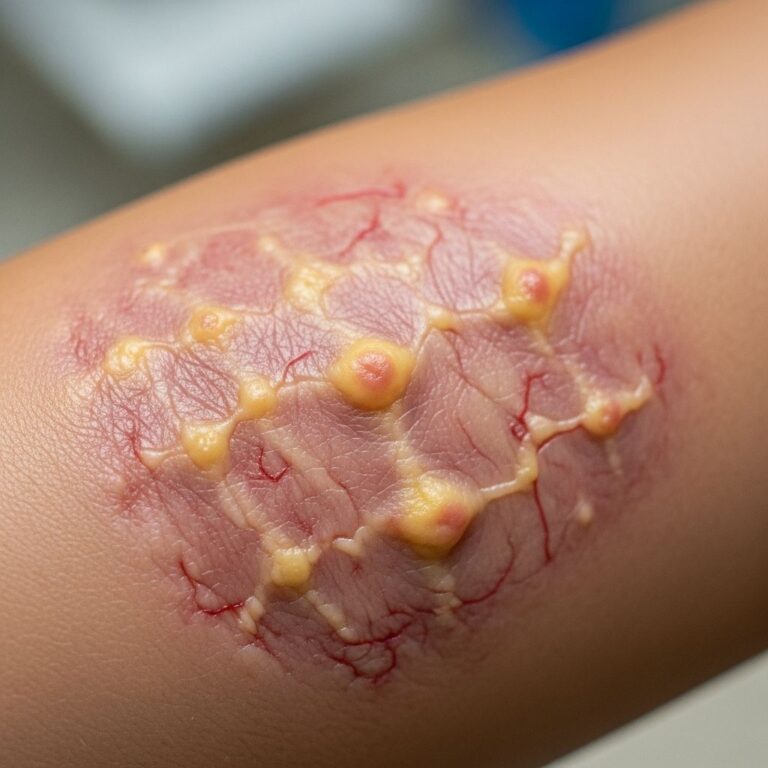
When veins become damaged, weakened, or diseased, various conditions can develop that affect both health and quality of life. Understanding these conditions helps explain why vein health matters beyond aesthetics.
Varicose Veins
Varicose veins represent enlarged, twisted veins usually appearing in the legs and feet. These occur when vein walls weaken or valves fail, allowing blood to accumulate and creating visible bulges. An estimated 30 to 60 percent of adults experience some degree of venous insufficiency over their lifetime.
Spider Veins
Spider veins are smaller, more delicate versions of varicose veins, creating web-like patterns on the skin’s surface. While primarily cosmetic concerns, spider veins can indicate underlying venous dysfunction requiring evaluation.
Deep Vein Thrombosis
Deep vein thrombosis (DVT) occurs when blood clots form within deep leg veins, potentially causing pain, swelling, and serious complications if clots travel to the lungs. This condition requires immediate medical attention and represents one of the most serious vein-related health concerns.
Vein Health and Prevention
Maintaining healthy veins involves adopting lifestyle practices that support optimal circulatory function. Regular physical activity strengthens muscles that assist in pushing blood back to the heart. Staying hydrated helps maintain appropriate blood viscosity. Elevating your legs when possible reduces the workload on leg veins. Compression stockings can provide external support for weakened veins. Avoiding prolonged sitting or standing prevents blood from pooling in leg veins. These conservative measures often suffice for managing mild venous symptoms and preventing progression to more serious conditions.
When to See a Healthcare Provider
Certain symptoms warrant evaluation by a vascular specialist. These include persistent leg swelling, pain or heaviness in the legs, skin changes or discoloration, non-healing wounds, or visible varicose veins causing concern. A vascular specialist can perform ultrasound imaging to evaluate your venous system and determine whether treatment is necessary. Modern vascular ultrasound technology allows physicians to visualize blood flow patterns and identify valve dysfunction, informing treatment decisions.
Treatment Options for Vein Conditions
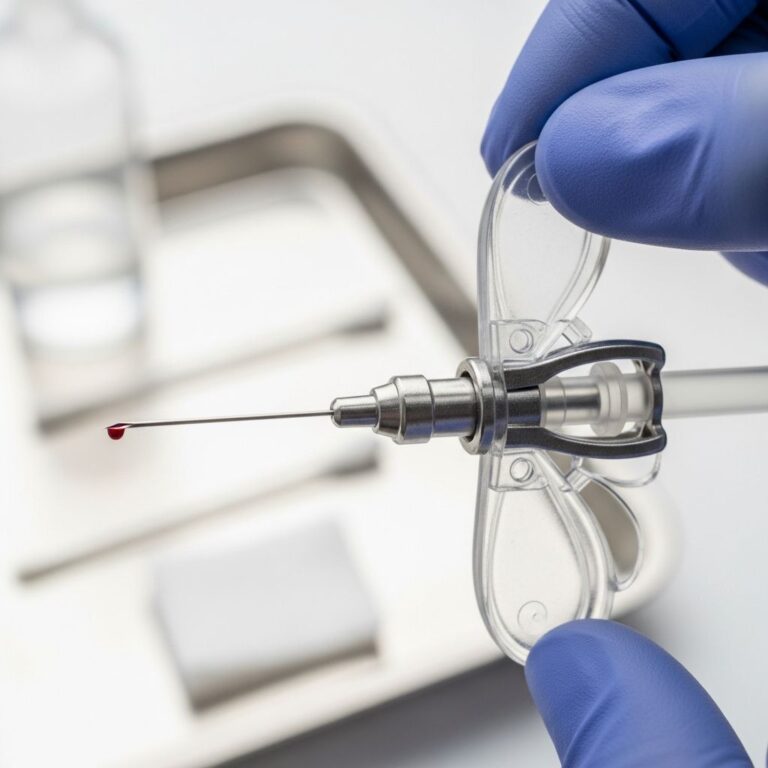
When conservative measures prove insufficient, various treatment options exist for addressing problematic veins. Sclerotherapy involves injecting affected veins with a solution that causes them to collapse and fade over time. Most patients see improvement within three to six weeks for spider veins and three to four months for larger varicose veins. Minimally invasive procedures offer advantages over traditional surgery, including reduced recovery time and lower complication rates. Many vein treatments can be performed in office settings with patients returning to normal activities immediately afterward.
Frequently Asked Questions
Q: What is the difference between veins and arteries?
A: Arteries carry oxygen-rich blood away from the heart, while veins return oxygen-poor blood back to the heart. Arteries have thicker, more muscular walls to withstand higher pressure, whereas veins have thinner walls and one-way valves to prevent backflow.
Q: Why are some veins visible and others are not?
A: Superficial veins run close to the skin surface and are visible, while deep veins run through muscle tissue and remain hidden. Visibility also depends on skin tone, body composition, and individual vein prominence.
Q: Can vein problems be prevented?
A: While some risk factors like genetics cannot be controlled, maintaining an active lifestyle, staying hydrated, elevating legs regularly, and avoiding prolonged immobility can significantly reduce vein problems.
Q: Are varicose veins dangerous?
A: Most varicose veins are primarily cosmetic concerns, though they can cause discomfort. However, they can lead to complications like skin changes, ulceration, or blood clots in some cases, warranting medical evaluation.
Q: What should I expect during vein treatment?
A: Most modern vein treatments are minimally invasive outpatient procedures. You can typically return to normal activities immediately, though compression stockings may be recommended for a period afterward.
References
- Vein Center — Cleveland Clinic. 2025. https://my.clevelandclinic.org/departments/heart/depts/vein-center
- Vein Treatments — Cleveland Clinic. 2025. https://my.clevelandclinic.org/podcasts/love-your-heart/vein-treatments
- Varicose veins: Newer, better treatments available — Cleveland Clinic Journal of Medicine, Vol. 72, No. 4. 2005. https://www.ccjm.org/content/ccjom/72/4/312.full.pdf
- Veins: Anatomy and Function — Cleveland Clinic. 2025. https://my.clevelandclinic.org/health/body/23360-veins
- Blood Vessels: Types, Function & Anatomy — Cleveland Clinic. 2025. https://my.clevelandclinic.org/health/body/21640-blood-vessels
- How Your Circulatory System Works — Cleveland Clinic. 2025. https://my.clevelandclinic.org/health/body/circulatory-and-cardiovascular-system
- Pulmonary Veins: Anatomy and Function — Cleveland Clinic. 2025. https://my.clevelandclinic.org/health/body/23242-pulmonary-veins
Similar Articles








Read full bio of medha deb