Vein Health: 5 Easy Ways To Improve Circulation
Discover how veins keep your body healthy and why their care is essential for overall well-being.
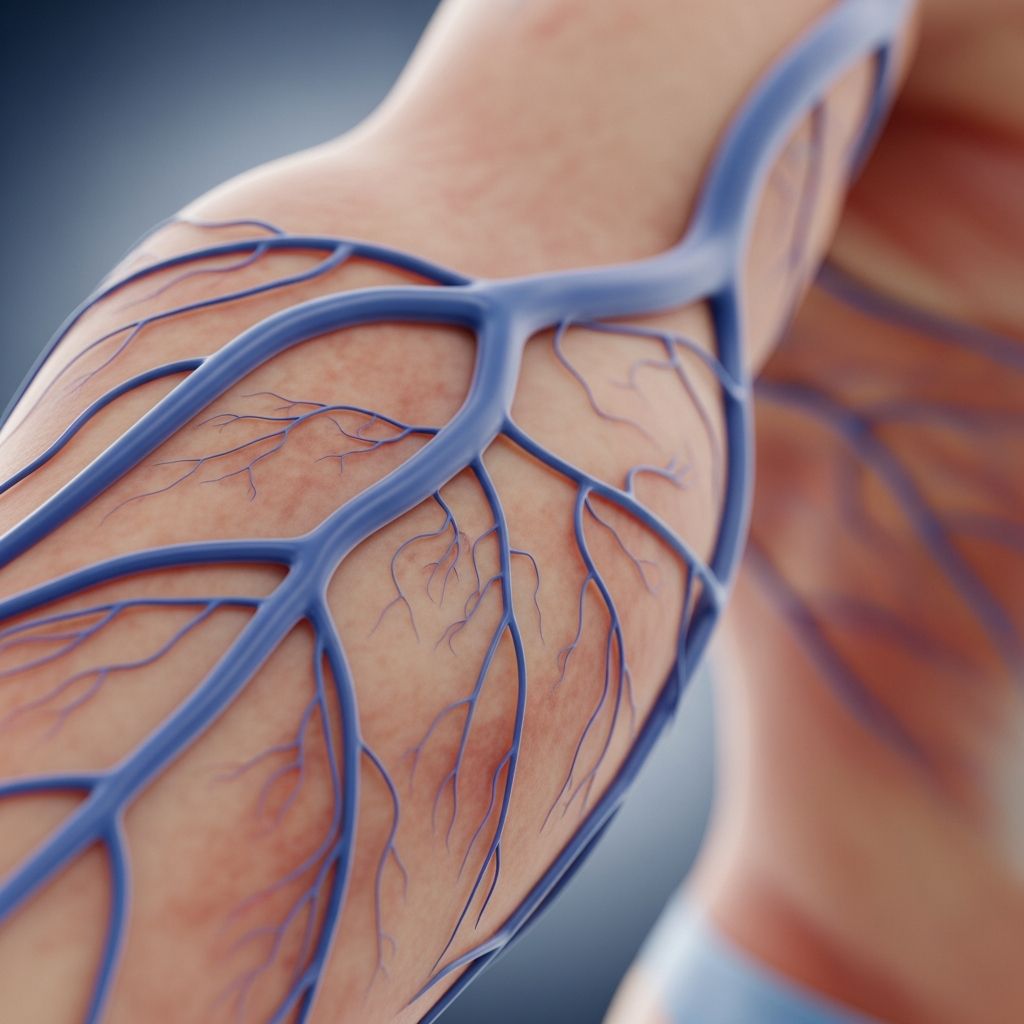
Veins: The Unsung Heroes of Circulation
Veins are often overlooked in discussions about the circulatory system, yet they play a crucial role in maintaining overall health. These blood vessels are responsible for carrying deoxygenated blood from the body’s tissues back to the heart, ensuring that oxygen-depleted blood is efficiently returned for reoxygenation. Understanding the structure and function of veins, as well as the importance of maintaining their health, is essential for preventing a range of vascular disorders and supporting optimal well-being.
The Role of Veins in the Circulatory System
The circulatory system is a complex network of blood vessels that includes arteries, capillaries, and veins. While arteries carry oxygen-rich blood from the heart to the body’s tissues, veins are tasked with the opposite function—returning oxygen-poor blood to the heart. This process is vital for maintaining the balance of oxygen and nutrients in the body.
Veins are equipped with one-way valves that prevent blood from flowing backward, especially in the legs where blood must travel against gravity. These valves ensure that blood moves efficiently toward the heart, reducing the risk of pooling and related complications.
Types of Veins: Superficial and Deep
Veins can be broadly categorized into two main types: superficial veins and deep veins. Each type has distinct characteristics and functions.
Superficial Veins
Superficial veins are located close to the surface of the skin and are often visible, especially in the arms, legs, and hands. These veins collect blood from tissues near the skin’s surface and transport it to deeper veins. Superficial veins are more prone to conditions like varicose veins and spider veins, which can be both unsightly and uncomfortable.
Deep Veins
Deep veins are found within the muscles and are not visible from the outside. They carry the majority of blood back to the heart, with the largest deep veins in the legs being the femoral and popliteal veins. Deep veins are crucial for maintaining efficient blood flow and are less likely to develop visible issues, but they are susceptible to serious conditions like deep vein thrombosis (DVT).
Vein Health and Common Disorders
Maintaining healthy veins is essential for preventing a range of vascular disorders. Some of the most common vein-related conditions include:
- Varicose Veins: Caused by weakened or damaged valves, leading to blood pooling and vein enlargement. Varicose veins often appear twisted or rope-like and can cause aching, heaviness, or swelling in the legs.
- Chronic Venous Insufficiency (CVI): A longer-term condition where valves in the leg veins cannot effectively return blood to the heart, leading to symptoms like leg swelling, cramping, and skin changes.
- Deep Vein Thrombosis (DVT): A serious condition where blood clots form in the deep veins, often in the legs. DVT can lead to life-threatening complications if the clot travels to the lungs.
Factors Affecting Vein Health
Several factors can influence the health of your veins, including:
- Genetics: Family history can play a significant role in the development of vein disorders.
- Age: As we age, the valves in our veins can weaken, increasing the risk of venous insufficiency.
- Lifestyle: Sedentary behavior, obesity, and lack of exercise can contribute to poor vein health.
- Pregnancy: Hormonal changes and increased blood volume during pregnancy can put additional strain on veins.
Strategies for Maintaining Vein Health
There are several steps you can take to support the health of your veins and reduce the risk of vascular disorders:
Related Stories



- Stay Active: Regular walking, cycling, or swimming promotes blood flow and reduces pooling in the legs.
- Elevate Your Legs: Elevating your legs above heart level can help reduce swelling and improve circulation.
- Wear Compression Stockings: Compression stockings can provide support to veins and help prevent blood from pooling.
- Maintain a Healthy Weight: Excess weight can put additional pressure on veins, increasing the risk of venous disorders.
- Avoid Prolonged Sitting or Standing: Taking breaks to move around can help keep blood flowing and reduce the risk of clot formation.
The Impact of Aging on Veins
As we age, our blood vessels, including veins, undergo changes that can affect their function. The endothelial cells that line blood vessels play a crucial role in maintaining vascular health. However, as these cells age, blood vessels can atrophy, new blood vessels may fail to form, and blood flow to various parts of the body can diminish. This process is particularly noticeable in muscles, which rely on a robust blood supply for their function.
Research has shown that the decline in certain molecules, such as NAD+ and SIRT1, can contribute to vascular aging. Boosting these molecules through interventions like exercise or supplementation may help stimulate blood vessel growth and improve overall vascular health.
FAQs About Veins
Are visible veins a sign of bad circulation?
Not always. Many healthy people have prominent veins due to genetics, body composition, or activity level. However, visible veins can sometimes be linked to circulation problems like chronic venous insufficiency.
Why do my veins show more when I work out?
During exercise, blood flow increases, and veins may become more visible as they work harder to return blood to the heart.
Can vein disorders be prevented?
While some risk factors like genetics cannot be changed, maintaining a healthy lifestyle, staying active, and managing weight can help reduce the risk of vein disorders.
What are the treatment options for varicose veins?
Treatment options for varicose veins include lifestyle changes, compression therapy, and minimally invasive procedures like sclerotherapy or laser treatment.
Conclusion
Veins are a key player in the body’s circulatory system, ensuring that deoxygenated blood is efficiently returned to the heart. Understanding the structure and function of veins, as well as the importance of maintaining their health, is essential for preventing vascular disorders and supporting overall well-being. By adopting healthy lifestyle habits and seeking medical attention when necessary, you can help keep your veins healthy and your circulation strong.
References
- Superficial Veins vs. Deep Veins: Two Different Venous Paths — Center for Vein Restoration. 2023. https://www.centerforvein.com/blog/superficial-veins-vs-deep-veins-two-different-venous-paths
- Why Are My Veins So Visible? — Texas Vascular Institute. 2023. https://texasvascular.com/blog/why-are-my-veins-so-visible/
- Vein Health: Strategies for Prevention and a Healthy Life — Vein Care Centers. 2023. https://veincarecenters.com/the-significance-of-vein-health/
Similar Articles








Read full bio of medha deb