Venlafaxine: Uses, Dosage, Side Effects Guide
Comprehensive guide to venlafaxine for depression, anxiety, and panic disorders: uses, dosage, side effects, and precautions.
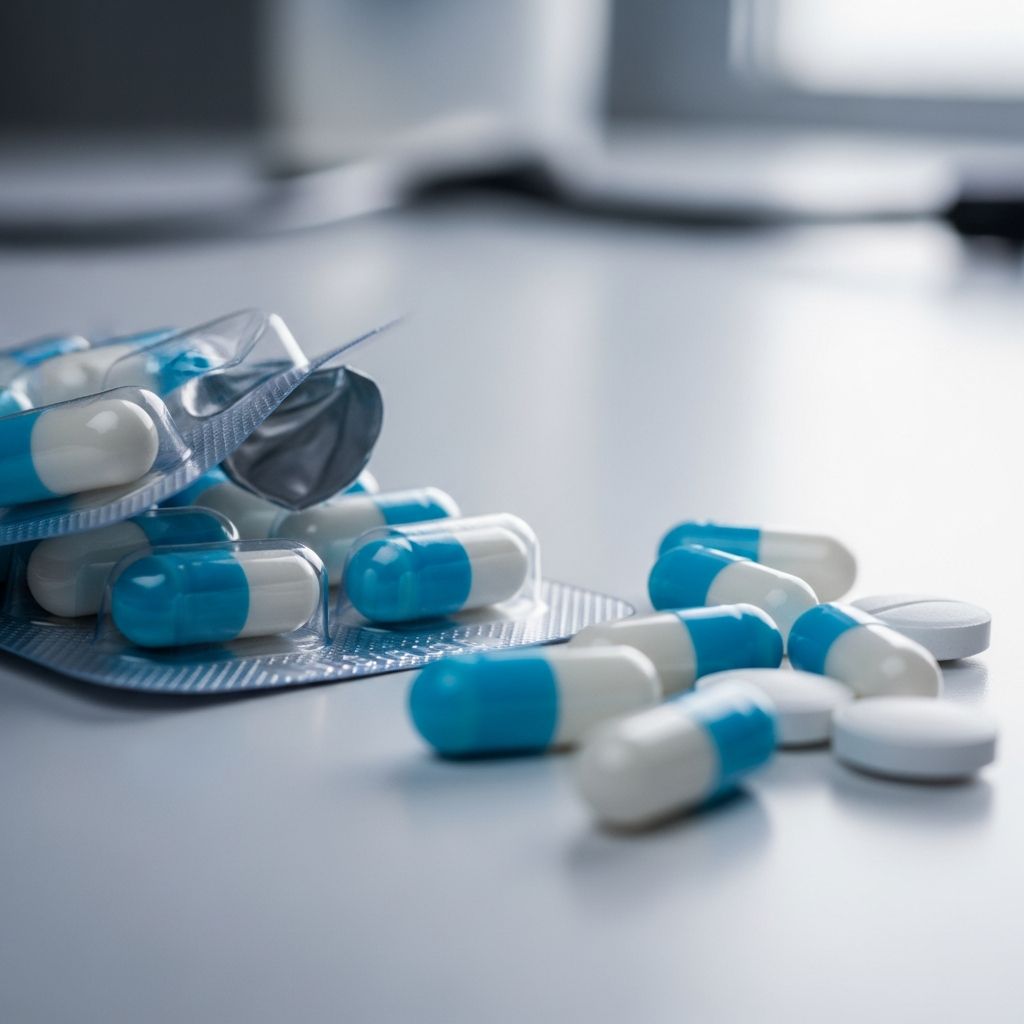
Venlafaxine, available as
Efexor XL
orEffexor XR
, is a serotonin-norepinephrine reuptake inhibitor (SNRI) used to treat major depressive disorder, generalised anxiety disorder (GAD), social anxiety disorder, and panic disorder. It works by increasing levels of serotonin and norepinephrine in the brain to improve mood and reduce anxiety symptoms.About venlafaxine
Venlafaxine belongs to the SNRI class of antidepressants, which balance brain chemicals to alleviate symptoms of depression and anxiety. Unlike SSRIs, it affects both serotonin and norepinephrine, potentially offering benefits for patients who do not respond to other treatments. It is typically prescribed when first-line therapies fail or for specific anxiety conditions.
Released in prolonged-release (extended-release) capsules, venlafaxine provides once-daily dosing for convenience. Common brand names include Efexor XL (UK) and Effexor XR (US). Treatment often requires several weeks to show full effects, and it should not be stopped abruptly.
Key facts
- Used for depression, GAD, social anxiety disorder, and panic disorder.
- Takes 1-2 weeks to feel benefits; full effects in 4-6 weeks.
- Common side effects: nausea, headache, dry mouth, sweating.
- Do not stop suddenly; taper gradually to avoid withdrawal.
- Not approved for children under 18.
About depression
Depression is a common mental health condition affecting mood, energy, sleep, and daily functioning. Symptoms include persistent sadness, loss of interest, fatigue, appetite changes, and suicidal thoughts. Venlafaxine helps by restoring neurotransmitter balance, often used when SSRIs are ineffective.
Treatment combines medication with therapy and lifestyle changes. If symptoms worsen or suicidal thoughts emerge, seek immediate help.
About generalised anxiety disorder
Generalised anxiety disorder involves excessive, uncontrollable worry about everyday matters, accompanied by physical symptoms like restlessness, fatigue, muscle tension, and sleep issues. Venlafaxine reduces these by modulating serotonin and norepinephrine.
About social anxiety disorder
Social anxiety disorder is intense fear of social situations, leading to avoidance and distress. Venlafaxine at 75 mg/day is recommended, with no added benefit from higher doses.
About panic disorder
Panic disorder features recurrent panic attacks with physical symptoms like heart palpitations, sweating, trembling, and fear of dying. Venlafaxine starts at 37.5 mg/day for 7 days, then increases.
How and when to take venlafaxine
Take venlafaxine once daily with food to reduce nausea. Swallow capsules whole; do not crush or chew. If you miss a dose, take it as soon as remembered unless near the next dose.
Dosage
| Condition | Starting Dose | Maintenance Dose | Maximum Dose |
|---|---|---|---|
| Major Depressive Disorder | 75 mg/day | 75-225 mg/day | 225 mg/day |
| Social Anxiety Disorder | 75 mg/day | 75 mg/day | 75 mg/day |
| Panic Disorder | 37.5 mg/day (7 days) | 75-225 mg/day | 225 mg/day |
| GAD | 75 mg/day | Up to 225 mg/day | 225 mg/day |
Increase doses at intervals of at least 4 days, up to every 2 weeks. Adjust for renal/hepatic impairment: reduce by 25-50%.
Common questions
How long does venlafaxine take to work?
Some improvement in 1-2 weeks, full effects in 4-6 weeks. Continue as prescribed even if feeling better.
Can you drink alcohol while taking venlafaxine?
Avoid alcohol; it worsens side effects and reduces effectiveness.
Cautions – before starting venlafaxine
Do not take if allergic to venlafaxine, on MAOIs (wait 14 days), or with uncontrolled glaucoma. Inform doctor of bipolar disorder, seizures, bleeding risks, low sodium, heart issues, or pregnancy.
- **Suicide risk:** Monitor for worsening depression or suicidal thoughts, especially in young adults.
- **Serotonin syndrome:** Risk with other serotonergic drugs.
- **QT prolongation:** Caution in cardiac patients.
- **Bleeding:** Increased risk with anticoagulants.
Related Stories



Cautions – while taking venlafaxine
Monitor blood pressure; venlafaxine can increase it. Avoid abrupt stops. Watch for angle-closure glaucoma symptoms. Use caution driving due to drowsiness.
Taking venlafaxine with other medicines and herbal supplements
Interactions with MAOIs (contraindicated), SSRIs, triptans, tramadol (serotonin syndrome risk). Dose adjustments with ketoconazole, metoprolol. Inform doctor of all medications.
Common side effects
Most side effects improve over time. Common (>10%): nausea, dizziness, dry mouth, sweating, insomnia, constipation.
| Side Effect | Frequency | Management |
|---|---|---|
| Nausea | Very common | Take with food |
| Headache | Common | Rest, hydration |
| Sexual dysfunction | Common | Discuss with doctor |
| Sweating | Common | Wear light clothes |
Serious side effects
Seek immediate help for serotonin syndrome (agitation, hallucinations, fever, fast heartbeat), severe allergic reactions, chest pain, seizures, suicidal thoughts, vision changes.
- Angle-closure glaucoma: blurred vision, eye pain.
- Interstitial lung disease: cough, fever, rash.
- Bleeding: unusual bruising.
Side effects: long-term use
Generally safe long-term, but monitor for weight changes, sexual issues, bone density loss. Sexual side effects may persist.
Stopping venlafaxine
Taper gradually over weeks/months to prevent withdrawal: dizziness, anxiety, electric shocks, flu-like symptoms. Doctor will guide schedule.
Venlafaxine and pregnancy
Not recommended; risk of newborn complications. Discuss alternatives. Effective contraception advised.
Venlafaxine and breastfeeding
Present in breast milk; weigh benefits vs. risks. Monitor infant for drowsiness, poor feeding.
Venlafaxine and fertility
May affect male fertility (abnormal ejaculation). Effects reversible.
What happens if you take too much venlafaxine?
Overdose symptoms: seizures, coma, ECG changes. Seek emergency care. Prescribe smallest quantity to minimize risk.
Frequently Asked Questions (FAQs)
Q: Is venlafaxine a controlled substance?
A: No, venlafaxine is not a controlled substance. It is a prescription antidepressant.
Q: Does venlafaxine cause weight gain?
A: Weight changes possible; some gain, some lose. Monitor and discuss with doctor.
Q: Can venlafaxine be taken at night?
A: Yes, but morning dosing preferred to avoid insomnia.
Q: How to manage venlafaxine withdrawal?
A: Taper slowly under medical supervision. Symptoms usually resolve.
Q: Is venlafaxine better than SSRIs?
A: Effective for some non-responders to SSRIs, especially severe depression.
References
- Efexor XR (venlafaxine HCl) Prescribing Information — Pfizer. 2023. https://labeling.pfizer.com/ShowLabeling.aspx?id=15295
- Efexor XL 75 mg prolonged-release capsules Patient Information Leaflet — Medicines.org.uk. 2023-10-01. https://www.medicines.org.uk/emc/files/pil.1219.pdf
- Venlafaxine (oral route) Description — Mayo Clinic. 2024-05-01. https://www.mayoclinic.org/drugs-supplements/venlafaxine-oral-route/description/drg-20067379
- Venlafaxine: MedlinePlus Drug Information — MedlinePlus (NIH). 2024. https://medlineplus.gov/druginfo/meds/a694020.html
- Venlafaxine (Effexor) – NAMI — National Alliance on Mental Illness. 2023. https://www.nami.org/about-mental-illness/treatments/mental-health-medications/types-of-medication/venlafaxine-effexor/
Similar Articles








Read full bio of medha deb