Venogram: Diagnostic Imaging for Vein Health
Comprehensive guide to venogram procedures: imaging techniques for diagnosing vein disorders and blood flow problems.
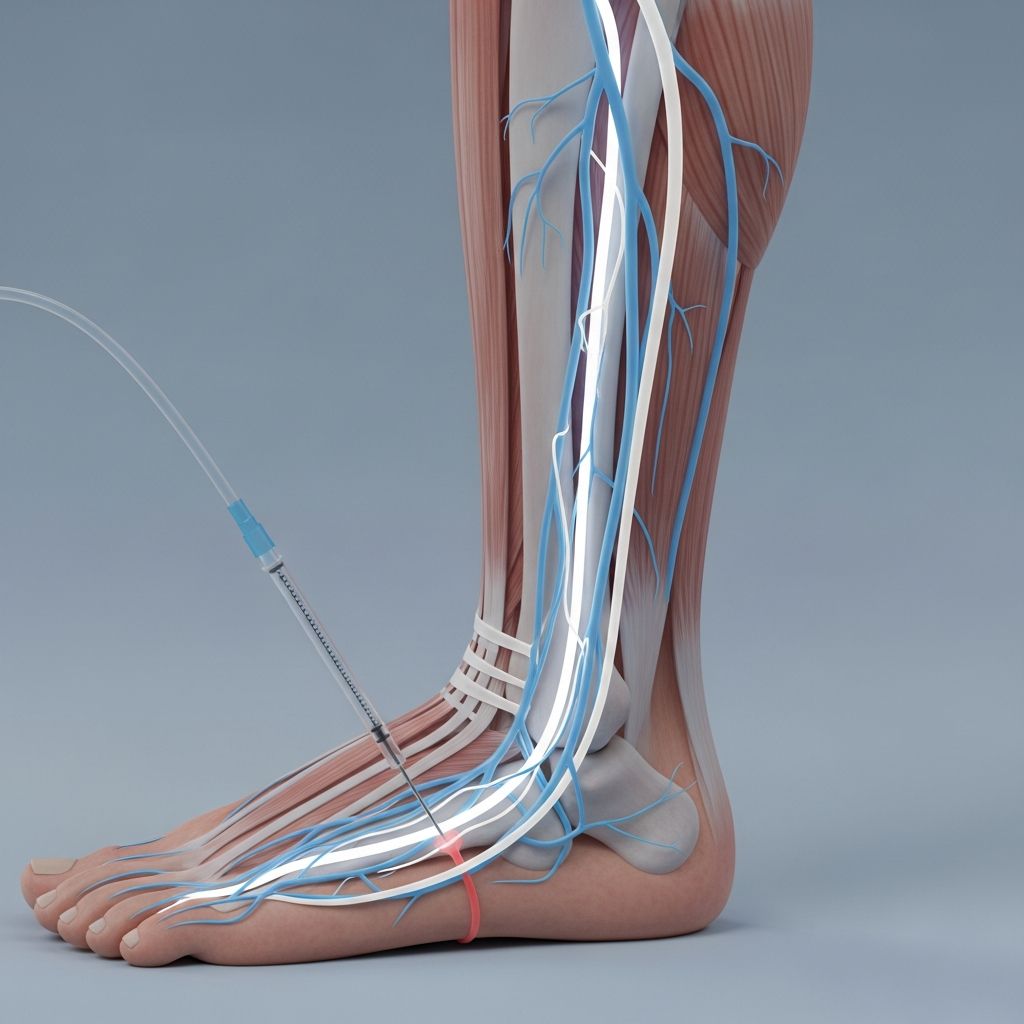
What Is a Venogram?
A venogram, also known as venography, is a diagnostic imaging procedure that uses X-rays and a special contrast dye to visualize the veins in your body and assess blood flow patterns. This minimally invasive test allows healthcare providers to see detailed images of your veins, particularly those in your legs, pelvis, and other areas of concern. The contrast material, injected directly into your veins through a catheter, makes blood vessels visible on X-ray images, enabling physicians to identify abnormalities, blockages, and circulation problems that might not be apparent through standard imaging techniques.
The term “venogram” comes from two parts: “veno” referring to veins, and “gram” meaning a record or picture. This accurately describes the procedure’s purpose—to create detailed visual records of your venous system. Unlike non-invasive imaging methods such as ultrasound, a venogram requires a small needle puncture to access your veins, making it an invasive diagnostic procedure reserved for cases where other imaging methods provide insufficient information.
Why Might You Need a Venogram?
Your healthcare provider may recommend a venogram for several clinical reasons. The most common indication is diagnosing deep vein thrombosis (DVT), a serious condition involving blood clots in the deep veins, typically in the legs. When ultrasound or other non-invasive tests cannot provide conclusive results, venography becomes an essential diagnostic tool.
Beyond DVT diagnosis, venograms serve multiple therapeutic and diagnostic purposes:
- Assess the structure and health of a vein or entire venous system
- Evaluate varicose veins before surgical intervention
- Identify blood clots and locate their precise position within veins
- Detect other types of blockages or venous obstructions
- Diagnose congenital vein abnormalities present from birth
- Locate suitable veins for bypass graft surgery
- Find appropriate vessels for dialysis access creation
- Guide placement of medical devices such as stents within veins
- Determine the cause of leg swelling, cramping, or other lower extremity symptoms
- Monitor the effectiveness of vein disease treatments
- Direct physician placement of IV lines or other medical devices in difficult cases
How Venograms Are Performed
Pre-Procedure Preparation
Before your venogram, your healthcare team will conduct a thorough evaluation to determine if this procedure is appropriate for you. Initial diagnostic testing typically includes duplex ultrasound studies of the affected extremity and ABI (ankle-brachial index) readings in the lower extremities. Your physician will also perform a physical examination, assessing pulse strength, skin temperature and color, and checking for non-healing wounds or ulcerations that might indicate vascular problems.
You will receive specific instructions about fasting and medication management before your appointment. Inform your doctor about any allergies, particularly to contrast dyes or iodine, as this information is critical for your safety. You may be asked to wear comfortable, loose-fitting clothing that allows easy access to the area being examined.
During the Procedure
Venograms are typically performed on an outpatient basis in a hospital X-ray department or interventional radiology suite, sometimes called a special procedures suite. The procedure generally takes between 30 and 90 minutes, depending on the complexity and extent of imaging required.
Once you arrive, you will lie on an X-ray table. Depending on which body part is being examined, the table may be repositioned to a standing position, and you will be secured with safety straps if necessary. The radiologist or interventional radiologist will prepare your skin with an antiseptic solution and apply local anesthesia to numb the area where the catheter will be inserted—commonly the foot or groin region.
After the local anesthesia takes effect, the physician inserts a needle into a vein in the targeted area. An intravenous (IV) line is threaded through the needle into your vessel. You may feel pressure or slight discomfort during needle insertion, but the numbing medication should prevent significant pain. A tourniquet may be placed on your leg to control blood flow and ensure the contrast material flows into the deeper veins being evaluated.
Once the catheter is properly positioned, the physician slowly injects the contrast dye through the IV line into your veins. As the contrast material flows through your venous system, you may experience a warm or burning sensation in the region where the dye is injected—this is a normal temporary reaction. The X-ray machine continuously captures images using a technique called fluoroscopy, which converts X-rays into real-time video images, allowing the physician to watch and guide the procedure as it happens.
You will be instructed to remain still and not move during image capture to ensure clarity and accuracy of the pictures. The physician may ask you to hold your breath briefly during certain imaging sequences. Multiple X-rays are taken as the contrast material progresses through your veins, and you may be moved into different positions so that images can be captured from various angles, providing comprehensive visualization of your venous system.
Post-Procedure Care
After the physician obtains all necessary images, the catheter and needle are removed from your vein. The technologist may ask you to wait briefly while the radiologist confirms that all required images have been successfully captured. Once imaging is complete, the IV site receives a pressure dressing to prevent bleeding and promote proper healing.
Fluids will be run through your IV to help remove the contrast material from your veins. You will be instructed to drink plenty of fluids for the next 24 hours to facilitate the elimination of contrast dye from your body. Most remaining contrast material will be naturally eliminated within a few days.
You will be observed in the recovery area for any signs of complications, such as bleeding from the injection site, infection, or allergic reaction. Most patients experience minimal discomfort during recovery and can return to normal activities within a few days, as this is a minimally invasive outpatient procedure requiring no hospital stay.
Types of Venography
Different venographic techniques are employed depending on your specific clinical situation and the area of your body requiring evaluation.
Ascending Venography
Ascending venography is commonly used to detect deep vein thrombosis and determine the exact location of blood clots within your veins. In this technique, contrast material is injected into a vein in the foot and travels upward through your venous system, allowing the physician to visualize the progression of blood flow and identify any obstructions or abnormalities.
Equipment and Technology
Venogram procedures utilize sophisticated medical imaging equipment designed to capture detailed pictures of your venous system. The typical setup includes a radiographic table, one or two X-ray tubes, and a video monitor. The fluoroscopy system converts X-rays into continuous video images, enabling real-time visualization during the procedure.
Additional equipment may include an intravenous line (IV), an ultrasound machine for locating vessels, and devices that monitor your heart rate and blood pressure throughout the procedure. This comprehensive monitoring ensures your safety and allows the physician to make adjustments as needed during the venogram.
What to Expect: Step-by-Step Overview
| Procedure Stage | What Happens | What You’ll Feel |
|---|---|---|
| Preparation | Skin cleaned with antiseptic; local anesthesia applied | Cool sensation; numbing effect within minutes |
| Needle Insertion | Small needle inserted into vein | Pressure sensation; minimal to no pain due to anesthesia |
| Catheter Placement | IV line threaded through needle into vessel | Mild pressure or tugging sensation |
| Contrast Injection | Contrast dye slowly injected into veins | Warm or burning sensation in injection area |
| Imaging | X-rays captured as contrast travels through veins | No pain; may hear buzzing or clicking sounds |
| Removal | Catheter removed; pressure dressing applied | Mild discomfort; brief pressure applied |
Potential Risks and Complications
While venography is generally a safe procedure, as with any invasive medical test, certain risks exist. Potential complications include allergic reactions to the contrast material, particularly in patients with iodine sensitivity. Bleeding or hematoma formation at the injection site, infection, and vascular injury are rare but possible complications.
Additionally, because venography involves X-ray radiation exposure, there is a small dose of radiation involved in the procedure. However, the diagnostic benefits typically outweigh this minimal radiation risk. Pregnant women should inform their healthcare providers before undergoing venography, as radiation exposure during pregnancy requires special consideration.
Advantages of Venography
Venography offers several significant advantages over other diagnostic imaging methods. Unlike ultrasound, which can be limited by body habitus and operator dependence, venography provides definitive visualization of blood flow dynamics. The real-time fluoroscopic imaging allows physicians to observe blood movement as it actually occurs, not just static snapshots.
Additionally, venography can guide therapeutic interventions simultaneously. If abnormalities are discovered during imaging, the physician can often perform corrective procedures during the same session, such as angioplasty or stent placement. This eliminates the need for separate procedures and reduces recovery time.
Recovery and Aftercare
Recovery from a venogram is typically straightforward. Most patients experience minimal discomfort and can resume normal activities within a few days. The pressure dressing at the injection site should remain in place as directed by your healthcare team, typically for 24 hours.
Drink plenty of fluids for the next 24 hours to help your body eliminate the contrast material. Avoid strenuous activity for the first few days following your procedure. You may experience slight bruising or discomfort at the injection site, which typically resolves within one to two weeks.
Your healthcare provider will discuss the venogram results with you and recommend specific treatment options based on the findings. If complications develop after discharge—such as increased bleeding, signs of infection, or unusual swelling—contact your healthcare provider immediately.
Frequently Asked Questions
Q: Is a venogram painful?
A: The local anesthesia numbs the injection site, so you should not experience significant pain during the procedure. You may feel pressure during catheter insertion and a warm sensation when contrast is injected, but these sensations are not painful.
Q: How long does a venogram take?
A: The procedure typically takes between 30 and 90 minutes, depending on the area being examined and the complexity of your case.
Q: Can I drive home after my venogram?
A: Most patients can drive home after a venogram, though some facilities may recommend having a companion drive for extra caution. Confirm this with your healthcare provider.
Q: Are there any dietary restrictions before a venogram?
A: Your healthcare team will provide specific pre-procedure instructions. Generally, you may need to fast for a few hours before the procedure, but confirm this with your facility.
Q: What happens if contrast allergy is discovered?
A: Inform your healthcare team immediately about any allergy history. Pre-medication protocols can often be employed to minimize allergic reactions in sensitive patients.
Q: How soon will I get results?
A: The radiologist reviews images immediately after the procedure. Your healthcare provider will typically discuss findings with you within 24 hours.
References
- Venogram (Venography) | Heart and Vascular Care — Mercy Health. Accessed 2025. https://www.mercy.com/health-care-services/heart-vascular/treatments/venogram
- Venography – Blood Flow Examination of Veins — Radiology Info. Accessed 2025. https://www.radiologyinfo.org/en/info/venography
- Venogram – Encyclopedia — University of Rochester Medical Center. Accessed 2025. https://www.urmc.rochester.edu/encyclopedia/content?contenttypeid=92&contentid=p08295
- Venogram: Procedure Details & Recovery — Cleveland Clinic. Accessed 2025. https://my.clevelandclinic.org/health/diagnostics/24929-venogram
- What Is a Venogram? Why Do I Need One? — Cardiology Tampa. Accessed 2025. https://www.cardiologytampa.com/blog/what-is-a-venogram-why-do-i-need-one
Similar Articles








Read full bio of Sneha Tete