Venous Leg Ulcers: Complete Guide To Healing And Prevention
Comprehensive insights into causes, symptoms, treatments, and prevention strategies for venous leg ulcers to improve healing and quality of life.
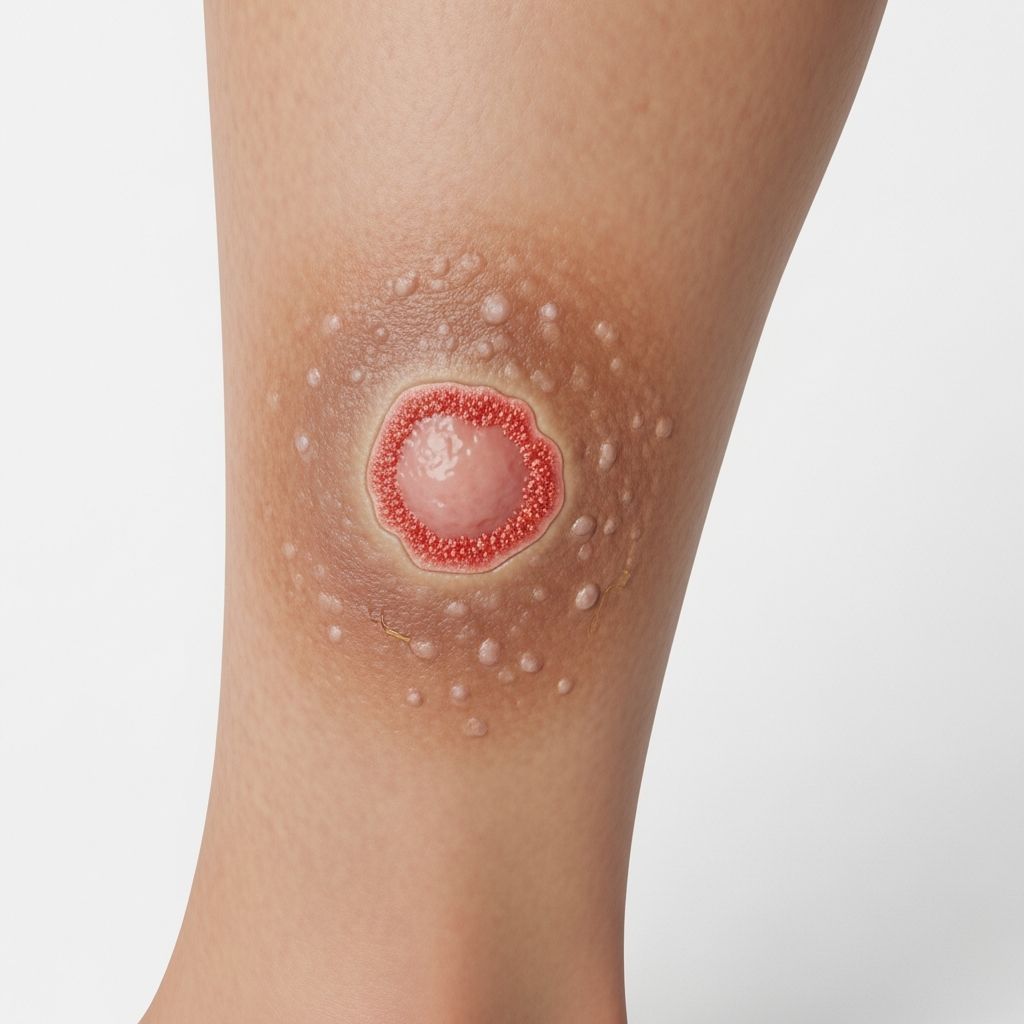
Venous leg ulcers represent a significant health challenge, particularly among older adults, stemming from impaired blood flow in the lower extremities. These persistent open sores arise when veins fail to efficiently return blood to the heart, leading to tissue damage and delayed healing.
Understanding the Roots of Venous Leg Ulcers
At the core of venous leg ulcers lies
chronic venous insufficiency (CVI)
, a condition where vein valves malfunction, causing blood to pool in the legs. This pooling elevates pressure within the veins, known as venous hypertension, which damages surrounding tissues over time. The process involves protein leakage from veins, forming fibrin cuffs that block oxygen and nutrients from reaching the skin, while triggering inflammation that hinders repair.Several risk factors amplify susceptibility. Advanced age reduces vein elasticity, making valve failure more likely. Conditions like diabetes impair circulation and slow healing. Additional contributors include obesity, which adds pressure on veins; prolonged standing or sitting, common in certain jobs; family history of vein issues; and prior leg injuries or blood clots. Women face higher risks, possibly due to hormonal influences on vein walls.
Recognizing Early Warning Signs and Progression
Venous leg ulcers often evolve gradually, starting with subtle changes before full sores develop. Initial indicators include leg heaviness, aching relieved by elevation, and swelling around the ankles that worsens later in the day. Skin alterations follow: discoloration to brown or red (stasis dermatitis), itching, thickening, or hardening (lipodermatosclerosis).
As the condition advances, the skin breaks down, revealing shallow ulcers with uneven edges, typically over the medial ankle (gaiter area). These wounds feature a moist base covered in yellowish slough or fibrin, surrounded by shiny, taut skin. Pain intensifies, accompanied by warmth, discharge signaling infection, or a foul odor. Unlike arterial ulcers, which are deep and pale with necrotic bases, venous ones are superficial and exude granulation tissue.
| Ulcer Type | Location | Appearance | Associated Pain |
|---|---|---|---|
| Venous | Medial ankle | Shallow, irregular, moist base | Aching, relieved by elevation |
| Arterial | Toes, feet | Deep, punched-out, pale/dry | Severe, worse with elevation |
| Neuropathic | Feet soles | Callus-bordered, insensate | Painless or burning |
This table highlights key distinctions to aid accurate diagnosis, as misidentification can delay proper care.
Comprehensive Diagnostic Approaches
Diagnosing venous leg ulcers begins with a clinical exam, assessing ulcer traits, skin changes, and pulses. The ankle-brachial index (ABI) differentiates venous from arterial issues; values above 0.9 suggest venous pathology. Duplex ultrasound visualizes vein reflux and obstruction, confirming CVI.
Further tests may include venography for detailed vein mapping or wound swabs for infection. Early detection through these methods prevents progression and guides tailored interventions.
Proven Treatment Strategies for Healing
Healing venous leg ulcers demands a multifaceted approach prioritizing circulation restoration and wound protection.
Compression therapy
forms the cornerstone, using multilayer bandages or stockings to counter venous hypertension and reduce edema. Multi-layer systems achieve sustained pressure (30-40 mmHg), promoting ulcer closure in 60-80% of cases within months.Related Stories



- Elevation: Raise legs above heart level for 30 minutes, several times daily, to drain fluid and ease swelling.
- Wound care: Cleanse with saline, debride necrotic tissue via surgical, autolytic, or larval methods, then apply moisture-balancing dressings.
- Infection management: Use topical or systemic antibiotics only for confirmed infections, avoiding overuse.
Adjunct medications like
pentoxifylline
enhance microcirculation and healing rates when combined with compression. For recalcitrant cases, endovenous ablation corrects superficial reflux, accelerating closure and slashing recurrence.Advanced and Surgical Interventions
When conservative measures falter, invasive options target underlying vein incompetence. Techniques include radiofrequency ablation, laser therapy, or sclerotherapy to seal faulty veins, restoring flow. Studies show early ablation yields faster healing and prolonged ulcer-free intervals versus delayed procedures.
Skin grafting covers large defects post-debridement, while pneumatic compression devices aid edema in non-ambulatory patients. Multidisciplinary input from vascular specialists optimizes outcomes.
Lifestyle Adjustments and Preventive Measures
Prevention and management extend beyond clinic visits. Maintain ideal weight to lessen vein strain. Exercise routines like walking or calf pumps bolster the venous muscle pump. Avoid tight clothing and prolonged immobility; take breaks to elevate legs.
Wear graduated compression stockings post-healing (20-30 mmHg) to deter recurrence, which affects up to 30% within a year without them. Monitor skin for dryness, moisturizing daily, and inspect legs for early changes. Smoking cessation improves circulation, and diabetes control mitigates risks.
Potential Complications and Long-Term Outlook
Untreated ulcers risk cellulitis, osteomyelitis, or malignant transformation (Marjolin’s ulcer). Recurrence is common without addressing CVI, emphasizing sustained therapy. With adherence, most heal within 12 weeks, though some persist months or recur.
Patient education empowers compliance, improving quality of life by reducing pain and mobility limits.
Frequently Asked Questions (FAQs)
How long do venous leg ulcers take to heal?
Typically 4-6 months with compression; severe cases may exceed a year.
Can venous ulcers be cured permanently?
Healing is achievable, but recurrence prevention requires ongoing vein care and lifestyle changes.
Is surgery always needed for venous leg ulcers?
No, compression and wound care suffice for most; surgery addresses persistent reflux.
What home remedies help venous leg ulcers?
Leg elevation, gentle exercise, and moisturizing; consult professionals before self-treatment.
Who is most at risk for developing these ulcers?
Older adults over 65, those with obesity, diabetes, or vein disease history.
Venous leg ulcers demand prompt, consistent care to avert chronicity. Integrating medical treatments with daily habits yields optimal recovery.
References
- Understanding Venous Leg Ulcers – Causes, Symptoms, Prevention — Restore First Health. 2023. https://restorefirsthealth.com/understanding-venous-leg-ulcers-causes-symptoms-and-prevention/
- Treating Venous Leg Ulcers — YouTube (Transcript). 2023. https://www.youtube.com/watch?v=WE6MBd5NU2s
- Understanding Venous Ulcers: Causes, Symptoms, and Treatment — Metro Vein Centers. 2024. https://www.metroveincenters.com/blog/symptoms-and-treatment-for-venous-ulcers
- Venous Leg Ulcer — NCBI Bookshelf (StatPearls). 2023-10-01. https://www.ncbi.nlm.nih.gov/books/NBK567802/
- Venous Ulcer: Symptoms, Causes, Treatment & Prevention — Cleveland Clinic. 2023-05-15. https://my.clevelandclinic.org/health/diseases/23165-venous-ulcer
- Diagnosis and Treatment of Venous Ulcers — American Academy of Family Physicians (AAFP). 2010-04-15. https://www.aafp.org/pubs/afp/issues/2010/0415/p989.html
- Venous leg ulcer – Treatment — NHS UK. 2023. https://www.nhs.uk/conditions/leg-ulcer/treatment/
Similar Articles








Read full bio of medha deb