Venous Malformation: Causes, Symptoms & Treatment
Comprehensive guide to understanding venous malformations and treatment options.
Understanding Venous Malformations
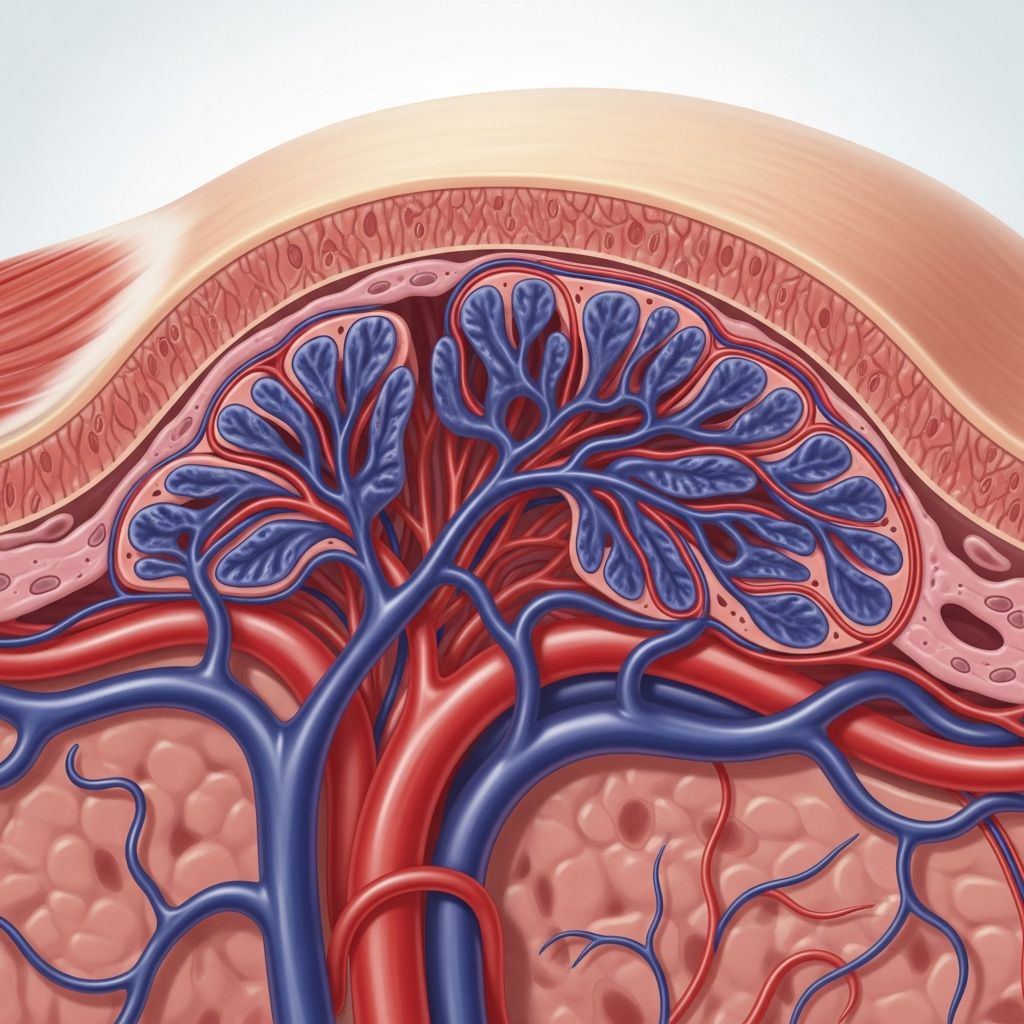
Venous malformations are abnormal formations of veins that develop as a result of errors in vascular development. These conditions involve one or more atypically shaped and swollen veins that differ from normal venous structures. Venous malformations are congenital conditions, meaning they are typically present at birth, though they may not become apparent until later in life. Unlike some other vascular conditions, venous malformations are composed of low-flow vascular channels that function differently from normal veins.
The condition arises from localized or regional abnormal development of vascular channels that occur during fetal development in utero. In some rare cases, an unrecognized injury to blood vessels can develop into a venous malformation over time. Hormonal changes during puberty or pregnancy may cause previously unnoticed malformations to become symptomatic and more apparent.
Types of Venous Malformations
Venous malformations exist in several distinct categories, each with unique characteristics and clinical presentations:
Glomovenous Malformations contain nerve cells that cause the malformations to become hardened and tense. These types are often inherited and frequently occur in multiple locations throughout the body, presenting particular challenges for treatment planning.
Blue Rubber Bleb Nevus Syndrome involves numerous rubbery lesions that can appear both externally on the skin and internally within the body. This syndrome represents a more complex presentation of venous malformation disease.
Gastrointestinal Venous Malformations affect the stomach and gastrointestinal tract and can cause severe abdominal pain and internal bleeding. These lesions typically require surgical intervention to prevent serious complications.
Maffucci’s Syndrome is characterized by the development of venous malformations alongside bony growths called enchondromas. This syndrome can result in serious deformities that may worsen with age and, in some cases, become malignant.
Symptoms and Clinical Presentation
Venous malformations present with a wide range of symptoms that vary depending on their size, location, and severity. Many individuals with venous malformations experience no symptoms at all, and the condition may be discovered incidentally during imaging tests conducted for unrelated reasons.
When symptoms do occur, venous malformations typically present with the following manifestations:
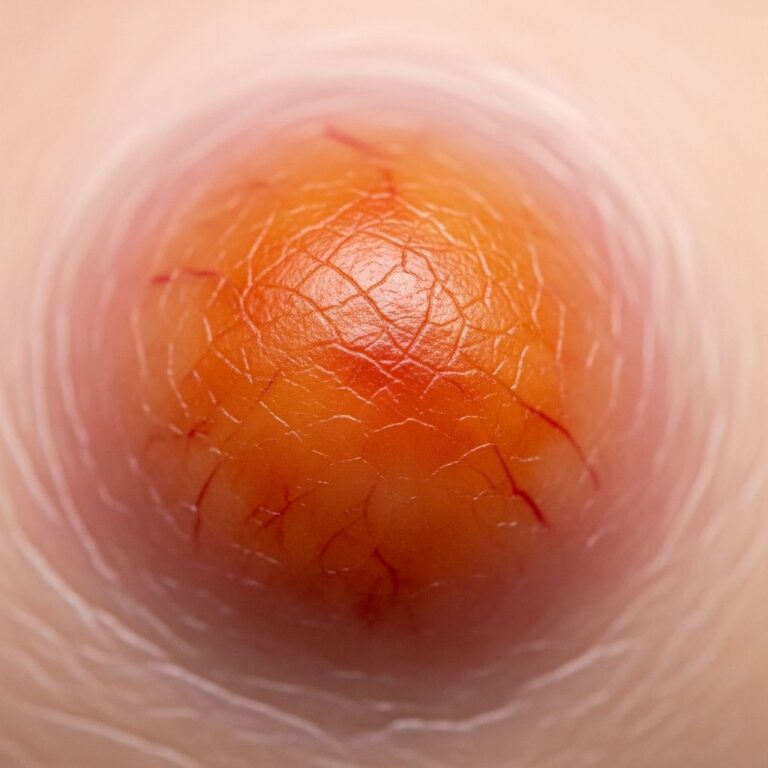
Physical Appearance: Venous malformations usually appear as bluish discoloration of the skin. The color intensity often correlates with the size and depth of the malformation. Surface lesions may be visible as raised, discolored areas, while deeper malformations may only cause subtle skin changes.
Swelling and Pain: Venous malformations can be extremely painful and sensitive to touch. When the malformations fill with blood and the blood remains in the abnormal veins, it causes swelling in the affected area. The swelling characteristically worsens when the affected area is positioned lower than the rest of the body, a phenomenon known as dependency. Additionally, swelling increases when venous pressure rises, such as when a person holds their breath or performs a Valsalva maneuver.
Related Stories



Progressive Changes: Venous malformations can expand due to age, injury, puberty, or pregnancy. These growth periods may suddenly make previously asymptomatic malformations become symptomatic and noticeable.
Complications: The abnormal veins may develop blood clots that make it difficult for blood to reach surrounding tissues. Skin ulcers, muscle cramping, and joint pain when walking may occur. People with large or multiple venous malformations may develop blood abnormalities that increase the risk of bleeding and clotting complications. Blood clots within superficial venous malformations can cause inflammation and pain, and the malformation may increase the risk of developing deep vein thrombosis.
Intracranial Symptoms: When venous malformations occur in the brain, they may cause headaches, seizures, dizziness, nausea and vomiting, muscle weakness or paralysis, loss of coordination, vision problems, difficulty speaking, and memory problems.
Causes and Risk Factors
The exact cause of venous malformations remains not fully understood by medical science. However, current evidence suggests that venous malformations result from a genetic abnormality in the affected tissue. These genetic factors likely cause errors in vascular development during fetal growth.
Certain hereditary conditions significantly increase the risk of developing venous malformations. These include hereditary hemorrhagic telangiectasia, Sturge-Weber syndrome, and Klippel-Trenaunay syndrome. A family history of venous malformations can increase an individual’s risk, though most types of venous malformations are not inherited.
Diagnosis Methods
Healthcare providers use a combination of clinical examination and specialized imaging to diagnose venous malformations. The diagnostic process typically begins with a thorough medical history and physical examination. During examination, physicians assess how the lesion appears and behaves under different conditions. Lesions in the head and neck region characteristically enlarge when the patient performs a Valsalva maneuver. When the affected area is placed in a dependent position below the heart level, swelling becomes more pronounced.
Specialized imaging tests are essential for confirming diagnosis and assessing the extent of the malformation. These imaging modalities may include ultrasound, magnetic resonance imaging (MRI), computed tomography (CT), and angiography. These tests visualize blood flow patterns and help determine the malformation’s size, location, and relationship to surrounding structures.
In some cases, physicians may recommend a biopsy to confirm the diagnosis or to obtain tissue for genetic testing. Due to the complexity and rarity of venous malformations, diagnosis and management are best accomplished using a team approach with healthcare providers from multiple specialties.
Treatment Options
Treatment decisions for venous malformations depend on whether the malformation causes symptoms and functional impairment. A venous malformation that is not causing symptoms does not require treatment and may simply be observed over time.
Conservative Management
Basic conservative treatment consists of using graded elastic compression stockings or sleeves for venous malformations of the leg or arm to prevent swelling. Low-dose aspirin may be prescribed to minimize the formation of painful blood clots. For patients with blood clotting problems within the venous malformation, blood thinners may be recommended to prevent deep vein thrombosis and other clotting complications.
Minimally Invasive Procedures
Sclerotherapy is one of the primary interventional approaches. This procedure occurs in an angiography suite, an operating room containing specialized X-ray and ultrasound equipment, usually under general anesthesia. During sclerotherapy, a physician places a needle into the venous malformation and injects contrast medium to outline the malformation on X-ray imaging. A sclerosant agent is then introduced into the abnormal veins, causing them to shrink gradually. Multiple procedures are usually necessary to achieve complete and permanent shrinkage of the malformation.
Endovenous Laser Therapy operates on similar principles to sclerotherapy but involves placing a diode laser fiber through a needle or catheter directly into the malformation. This approach is particularly useful for treating large venous channels or spaces. The combination of endovenous laser therapy with sclerosant injection appears to produce quicker response and easier recovery compared to either treatment alone.
Venous Embolization involves placing permanent devices, such as coils or embolization glue, through a catheter into the venous malformation to seal off the connection point where the malformation connects to the circulating veins. Physicians often perform this technique in combination with sclerotherapy or surgery to maximize effectiveness.
Surgical Approaches
Surgical excision involves removing the abnormal veins and the surrounding affected tissue. This approach is most often used with facial venous malformations to restore a more normal facial contour and appearance. Surgeons typically perform surgery after sclerotherapy, which helps reduce bleeding during the procedure and makes it easier to remove the malformation completely.
Combined Therapy
Surgery in combination with sclerotherapy can significantly improve both appearance and function. This multimodal approach often yields better outcomes than either treatment alone, particularly for complex or extensive malformations.
Adjunctive Treatments
Compression garments are tight-fitting clothes that press on the venous malformation to ease swelling, pain, and the potential for injury and bleeding. Cutaneous laser treatments target the surface of the skin to reduce discoloration associated with visible malformations. Physical therapy may be used to maintain normal function and prevent complications.
Prognosis and Long-term Outlook
Because venous malformations are believed to be caused by a genetic abnormality in the affected tissue, they are not curable through conventional treatment approaches. No matter which treatment method is employed, venous malformations usually recur after initial treatment. This recurrent nature of the condition means that except for small lesions, complete permanent elimination is difficult to achieve.
Extensive venous malformations often require a series of ablation procedures, with additional treatment frequently needed several years later. However, it is important to remember that treatment is helpful in the long term to control the growth of the malformation and manage symptoms effectively. The goal of treatment is symptom management and prevention of complications rather than permanent cure.
Venous malformations rarely cause any direct strain on the heart or major systemic complications. However, the local effects of the malformation, including pain, swelling, functional impairment, and risk of complications like deep vein thrombosis, make treatment worthwhile for symptomatic lesions.
When to Seek Medical Attention
Individuals should seek medical evaluation if they notice unexplained bluish discoloration of the skin, progressive swelling in localized areas, persistent pain in unusual locations, or symptoms consistent with intracranial venous malformations such as headaches, seizures, or neurological changes. Early diagnosis and management can help prevent complications and optimize outcomes.
Frequently Asked Questions
Q: What exactly is a venous malformation?
A: A venous malformation is an abnormal formation of veins composed of swollen, atypically shaped veins. These are congenital conditions typically present at birth, though they may not become apparent until later in life.
Q: Are venous malformations hereditary?
A: Most venous malformations are not inherited. However, certain types like glomovenous malformations can be inherited and may occur in multiple family members. Some hereditary conditions increase the risk of developing venous malformations.
Q: Do all venous malformations require treatment?
A: No. Venous malformations that cause no symptoms do not require treatment and can be monitored over time. Treatment is only recommended when the malformation causes pain, deformity, functional impairment, or bleeding complications.
Q: Can venous malformations be permanently cured?
A: Venous malformations cannot be permanently cured because they result from genetic abnormalities in tissue. They typically recur after treatment. However, various treatments can effectively control symptoms and prevent complications.
Q: What is sclerotherapy and how effective is it?
A: Sclerotherapy involves injecting a sclerosant agent directly into the abnormal veins to cause them to shrink. The procedure usually requires multiple sessions for complete results and is often combined with other treatments for better outcomes.
Q: What symptoms warrant immediate medical evaluation?
A: Seek immediate medical attention for severe pain, significant swelling that affects function, neurological symptoms like seizures or severe headaches, or signs of bleeding or infection in the affected area.
References
- Venous Malformations – Diagnosis & Treatment — Mount Sinai Health System. 2024. https://www.mountsinai.org/locations/cerebrovascular-center/conditions/vascular-malformations/venous
- Venous Malformations Diagnosis & Treatment — Columbia University Department of Neurological Surgery. 2024. https://www.neurosurgery.columbia.edu/patient-care/conditions/venous-malformations
- Vascular Malformations: Symptoms, Treatment and Outlook — Cleveland Clinic. 2024. https://my.clevelandclinic.org/health/diseases/23409-vascular-malformations
- Intracranial Venous Malformations – Symptoms and Causes — Mayo Clinic. September 20, 2024. https://www.mayoclinic.org/diseases-conditions/intracranial-venous-malformations/symptoms-causes/syc-20353336
- Venous Malformations — Lurie Children’s Hospital. 2024. https://www.luriechildrens.org/en/specialties-conditions/venous-malformations/
- Venous Malformations | Symptoms, Diagnosis & Treatment — Cincinnati Children’s Hospital Medical Center. 2024. https://www.cincinnatichildrens.org/health/v/venous-malformations
- Venous Malformation — UChicago Medicine. 2024. https://www.uchicagomedicine.org/comer/conditions-services/vascular-anomalies/venous-malformation
Similar Articles








Read full bio of Sneha Tete