Venous Stasis Dermatitis: Causes, Symptoms & Treatment
Comprehensive guide to managing venous stasis dermatitis: understand causes, recognize symptoms, and explore effective treatment options.
Understanding Venous Stasis Dermatitis
Venous stasis dermatitis is a chronic inflammatory skin condition that develops when blood pools in the lower legs and feet, creating pressure on the surrounding skin tissues. This condition occurs when the venous system fails to properly return blood from the lower extremities back to the heart, leading to a cascade of skin changes, discoloration, and potentially serious complications if left untreated.
The condition is also known by several alternative names, including venous eczema, stasis eczema, and gravitational dermatitis. It represents a significant cutaneous manifestation of underlying chronic venous insufficiency and typically affects older individuals, though it can develop in younger people with certain risk factors.
How Venous Stasis Dermatitis Develops
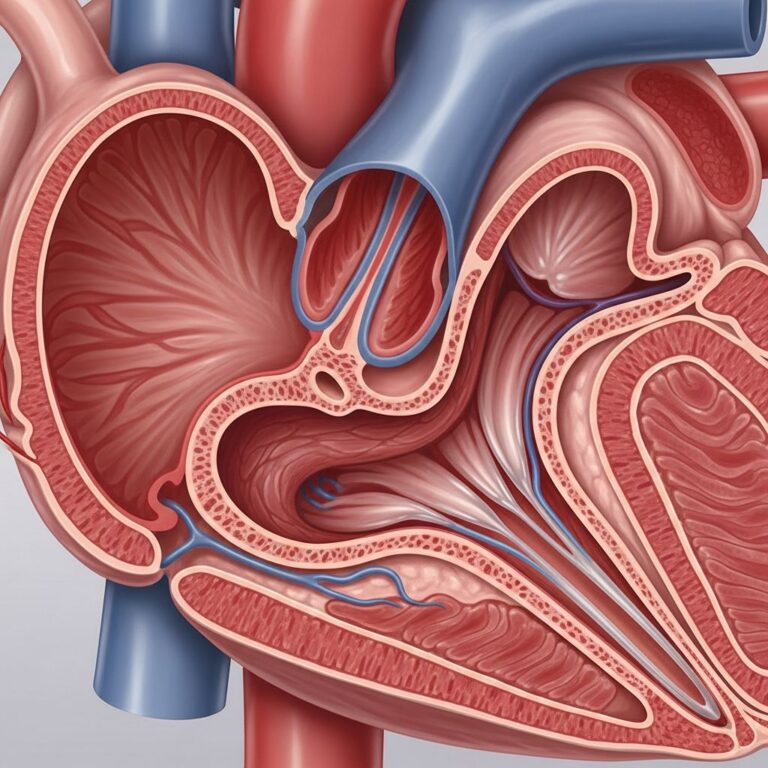
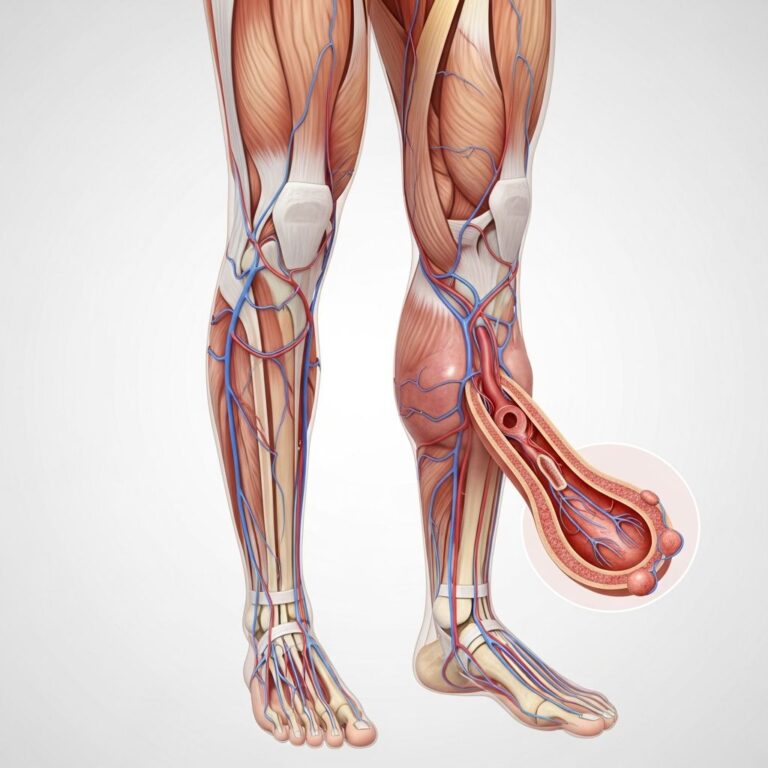
Understanding the mechanism behind venous stasis dermatitis requires knowledge of how the venous system functions. Veins contain valves that ensure blood flows in one direction—toward the heart—against the force of gravity. These valves become less effective over time as we age, and the veins themselves can stretch and lose elasticity.
Venous stasis dermatitis happens when blood collects in the lower legs or sometimes in the arms. This blood pooling, known as stasis, occurs due to chronic venous insufficiency where the veins cannot effectively pump blood back to the heart. Blood can also collect because of blood clots, injury, or surgical procedures that damage the venous system.
The venous hypertension that results from this blood pooling causes several pathological changes in the skin. Venous hypertension promotes the cellular accumulation of inflammatory cells, such as macrophages, as well as the extravasation of red blood cells in affected areas. The breakdown of hemoglobin from these extravasated red blood cells results in excessive iron buildup, which accumulates in the tissues as hemosiderin. This hemosiderin deposit induces further macrophage accumulation and promotes inflammation, leading to the characteristic skin changes seen in venous stasis dermatitis.
Recognizing the Symptoms of Venous Stasis Dermatitis
The symptoms of venous stasis dermatitis vary depending on the stage of the condition. Early recognition of these signs allows for prompt intervention and better management of the disease.
Early-Stage Symptoms
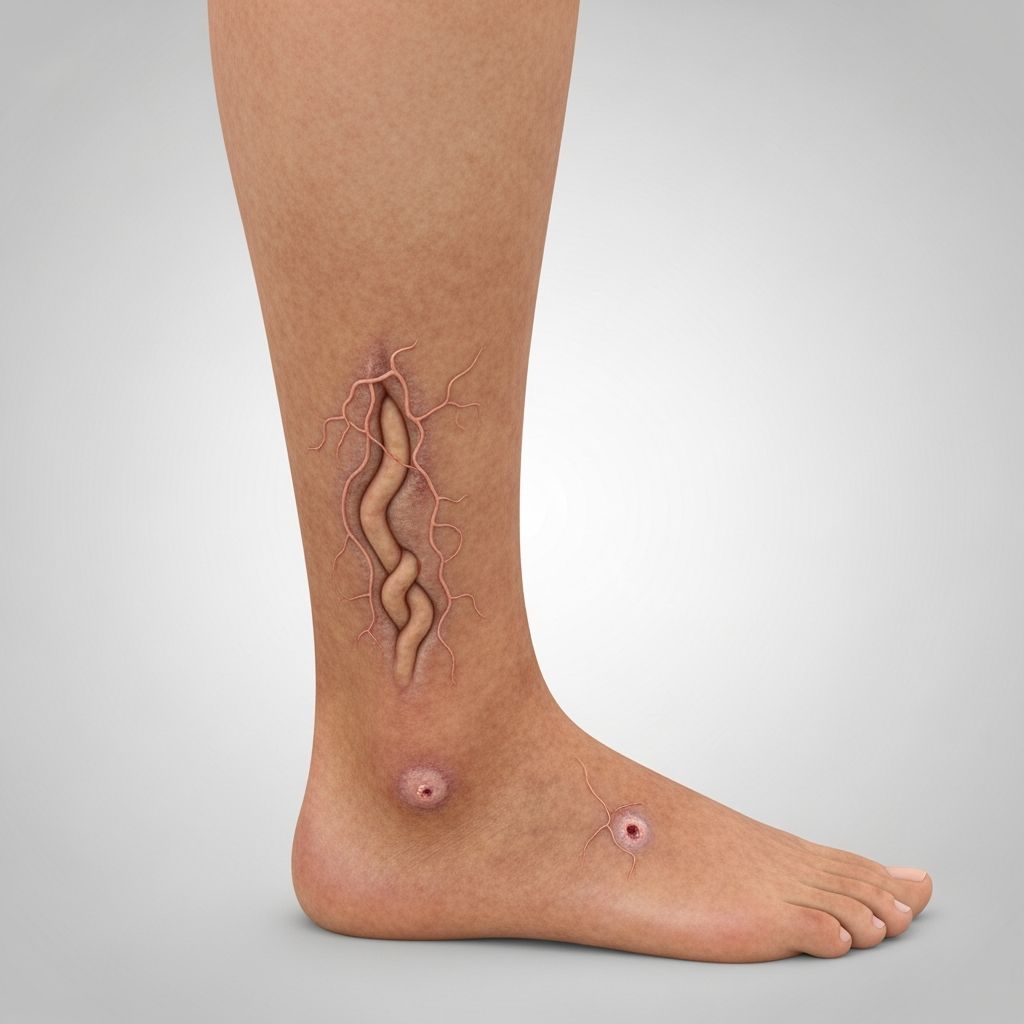
In early-stage venous stasis dermatitis, you may notice that your legs or ankles swell noticeably. The affected areas may appear discolored, typically with reddish or brownish patches. Common symptoms during this phase include:
– Redness or inflammation of the skin- Itching and burning sensations- A feeling of heaviness or achiness in the legs- Mild to moderate swelling of the ankles and lower legs- Skin texture changes- Fatigue in the affected limbs
Advanced-Stage Symptoms
When you don’t receive treatment, venous stasis dermatitis can progress to more severe stages. The condition can cause leg and foot ulcers that may become difficult to heal. An infection called cellulitis may develop, which requires immediate medical attention. The skin may become thickened and hardened, and pigmentation changes can become more pronounced, creating permanent alterations to the skin’s appearance.
Causes and Risk Factors
Venous stasis dermatitis stems from underlying venous insufficiency, where the deep venous system valves are insufficient, preventing proper return of blood to the central circulation through the muscular pumping action of the lower legs. Most cases result from this valve dysfunction.
Related Stories



Several factors increase your risk of developing venous stasis dermatitis:
– Advanced age and natural valve deterioration- Prior blood clots or thrombophlebitis- Congenital venous valve fragility- Obesity and excess weight- Prolonged standing or sitting- Previous leg surgery or injury- Pregnancy-related venous changes- Sedentary lifestyle- Varicose veins- A family history of venous insufficiency
Diagnosis of Venous Stasis Dermatitis
Venous stasis dermatitis is usually diagnosed after a healthcare provider has examined the person’s skin and reviewed their medical history. However, diagnosis can be challenging because of the clinical resemblance to other skin conditions and sometimes poor clinical recognition by physicians.
A dermatologist or primary care provider will typically:
– Perform a physical examination of the affected areas- Review your complete medical history- Assess the pattern and distribution of skin changes- Evaluate for other conditions that mimic stasis dermatitis- Consider your risk factors and lifestyle- Potentially order imaging studies to assess venous function
Treatment Options for Venous Stasis Dermatitis
Healthcare providers can’t cure venous stasis dermatitis, but you can help control the condition through proper treatment and management. A comprehensive treatment approach addresses both the underlying venous insufficiency and the skin symptoms.
Compression Therapy
The cornerstones of stasis dermatitis treatment are compression therapy to ameliorate pain and swelling, topical treatments to alleviate secondary skin changes, and interventional treatment options to correct the underlying causes of venous reflux. One primary way to treat venous stasis dermatitis is to reduce pain and swelling through applying pressure with compression stockings or bandages. These devices help facilitate proper blood flow back to the heart.
Topical Treatments
Topical treatments are essential for managing the skin lesions caused by stasis dermatitis. Although no treatments have been officially approved specifically for the skin symptoms associated with venous stasis dermatitis, topical corticosteroids are frequently used to address inflammation and itching. Additional topical agents may include moisturizers and protective ointments to maintain skin integrity.
Lifestyle Modifications
Managing venous stasis dermatitis lifelong requires consistent self-care practices. Elevation of the affected legs above heart level for extended periods helps reduce swelling and promotes blood flow. Regular skin checks allow you to monitor for changes and catch complications early.
Interventional Procedures
Minor surgery can treat the venous insufficiency that causes stasis dermatitis. Surgical intervention targeting venous pressure has resulted in complete and rapid resolution of stasis dermatitis symptoms in patients who underwent surgery. Additional interventional options may include endovenous procedures to address valve insufficiency and restore proper venous function.
Potential Complications of Untreated Venous Stasis Dermatitis
Chronic venous stasis dermatitis can cause serious complications if left untreated. The associated impairment of venous valves may cause significant swelling of the legs, leading to serious conditions including venous ulcerations.
Key complications include:
– Development of venous ulcers that are difficult to heal- Cellulitis and other serious skin infections- Blood clots in the affected limbs- Permanent skin scarring and discoloration- Loss of skin integrity and chronic wound development- Lipodermatosclerosis (hardening and scarring of subcutaneous tissues)- Reduced mobility and quality of life
Ongoing management of the condition helps avoid infection and other complications. If you notice changes in your skin, talk to your healthcare provider immediately. These changes may include redness, pain, or itching that worsens or spreads.
Self-Care and Management Strategies
Since venous stasis dermatitis is a lifelong condition, you can manage it by taking consistent steps to improve blood flow in your legs. Check your skin often, and if you notice any changes, see your healthcare provider promptly.
Daily Care Practices
– Wear prescribed compression stockings or bandages as directed- Elevate your legs above heart level for 30 minutes, several times daily- Keep skin clean and moisturized- Avoid scratching affected areas, even when itching is severe- Wear soft, non-irritating clothing- Maintain a healthy weight- Stay physically active with appropriate exercises- Avoid prolonged standing or sitting in the same position
Prevention Strategies
– Monitor for early signs of skin changes- Report new symptoms to your healthcare provider immediately- Follow prescribed treatment regimens consistently- Maintain good skin hygiene- Avoid injury to affected limbs- Stay well-hydrated- Manage other underlying health conditions
When to Seek Medical Attention
Venous stasis dermatitis isn’t contagious, but it does require professional medical management. A dermatologist or your primary care provider can be your partner in managing venous stasis dermatitis. If you have venous stasis, talk to your provider about the best ways to manage symptoms.
Seek immediate medical attention if you experience:
– Sudden increase in swelling or pain- Development of open sores or ulcers- Signs of infection (warmth, pus, increased redness)- Fever accompanying skin changes- Difficulty walking or bearing weight- Spreading redness or discoloration- Development of new symptoms
Frequently Asked Questions (FAQs)
Q: Can venous stasis dermatitis be cured?
A: Healthcare providers cannot cure venous stasis dermatitis permanently. However, symptoms can be effectively managed with proper treatment including compression therapy, topical medications, and in some cases, surgical intervention to address underlying venous insufficiency.
Q: Is venous stasis dermatitis contagious?
A: No, venous stasis dermatitis is not contagious. It is a chronic inflammatory skin condition caused by venous insufficiency and blood pooling, not by any infectious agent.
Q: How long does it take to see improvement with treatment?
A: The timeline for improvement varies depending on the severity of the condition and adherence to treatment. Compression therapy typically shows benefits within weeks, while complete resolution of skin changes may take several months of consistent management.
Q: Can I prevent venous stasis dermatitis?
A: While you cannot always prevent venous stasis dermatitis, maintaining a healthy weight, staying physically active, avoiding prolonged periods of standing or sitting, and elevating your legs regularly can help reduce your risk or delay onset.
Q: What is the difference between venous stasis dermatitis and other types of dermatitis?
A: Venous stasis dermatitis is specifically caused by venous insufficiency and blood pooling in the lower extremities, whereas other types of dermatitis may result from allergies, irritants, or other inflammatory conditions. The underlying cause and treatment approach differ significantly.
Q: Do I need to see a specialist for venous stasis dermatitis?
A: Your primary care provider can diagnose and manage venous stasis dermatitis. However, a dermatologist specializing in vascular conditions or a vascular surgeon may be beneficial for complicated cases or when considering surgical intervention.
Conclusion
Venous stasis dermatitis is a chronic condition that requires ongoing management and professional healthcare guidance. When blood pools in your legs and feet because veins don’t function properly, the resulting skin changes can significantly impact your quality of life. However, with appropriate treatment strategies including compression therapy, topical medications, lifestyle modifications, and potentially surgical intervention, you can effectively manage this lifelong condition and prevent serious complications.
The key to successful management lies in early recognition of symptoms, consistent adherence to treatment protocols, regular skin monitoring, and close collaboration with your healthcare provider. By taking proactive steps to improve blood flow in your legs and checking your skin regularly, you can control venous stasis dermatitis and maintain better long-term outcomes.
References
- Stasis Dermatitis: An Overview of Its Clinical Presentation, Pathophysiology, and Management — National Center for Biotechnology Information (NCBI). 2023-02-01. https://pubmed.ncbi.nlm.nih.gov/36800152/
- Stasis Dermatitis: An Overview of Its Clinical Presentation, Pathophysiology, and Management — PubMed Central (PMC). 2023-02-01. https://pmc.ncbi.nlm.nih.gov/articles/PMC9968263/
- Venous Stasis Dermatitis: Causes, Symptoms & Treatment — Cleveland Clinic. 2024. https://my.clevelandclinic.org/health/diseases/24388-venous-stasis-dermatitis
- Stasis Dermatitis May Present as Single Lesion — The Hospitalist Community. https://community.the-hospitalist.org/content/stasis-dermatitis-may-present-single-lesion
- Stasis Dermatitis: The Burden of Disease, Diagnosis, and Treatment — Mary Ann Liebert, Inc. 2022. https://www.liebertpub.com/doi/full/10.1089/derm.2022.0076
Similar Articles








Read full bio of medha deb