Ventricular Fibrillation: Causes, Symptoms & Treatment
Understanding ventricular fibrillation: A comprehensive guide to this life-threatening arrhythmia.
Ventricular Fibrillation: Understanding This Critical Heart Condition
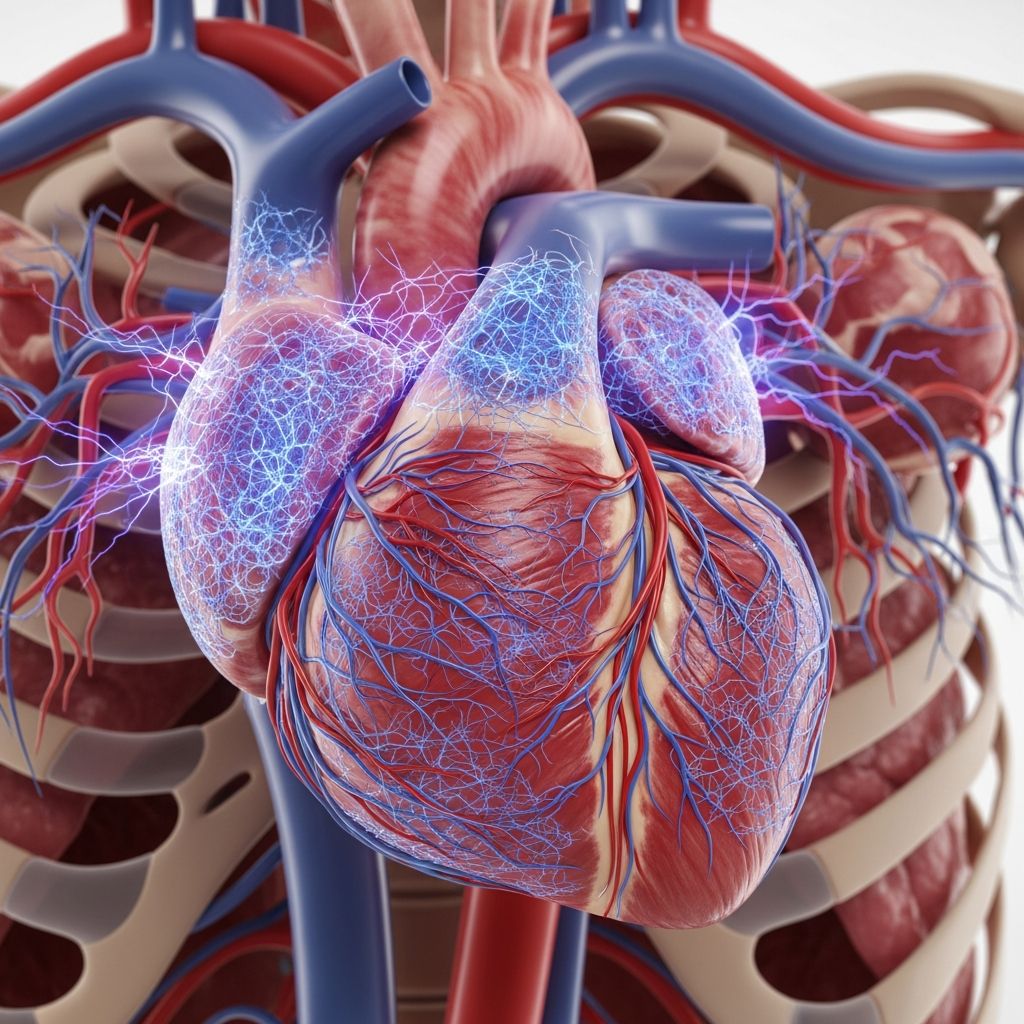
Ventricular fibrillation, commonly abbreviated as VF or V-fib, represents one of the most serious abnormal heart rhythms that can occur in humans. This life-threatening condition occurs when the heart’s lower chambers, known as ventricles, beat in a chaotic and uncoordinated manner rather than pumping blood effectively throughout the body. When ventricular fibrillation occurs, the heart cannot maintain adequate blood circulation, which can lead to sudden cardiac death within minutes if not treated immediately. Understanding this condition is critical for recognizing emergency situations and knowing how to respond appropriately.
What Is Ventricular Fibrillation?
Ventricular fibrillation is an abnormal heart rhythm, or arrhythmia, that affects the ventricles—the heart’s main pumping chambers. Normally, electrical signals flow through the heart in an organized manner, allowing the heart muscle to contract in a coordinated rhythm that pumps blood efficiently throughout the body. When ventricular fibrillation develops, these electrical signals become chaotic, causing the ventricles to quiver or “fibrillate” instead of contracting effectively.
During ventricular fibrillation, the heart cannot generate a pulse or maintain blood pressure. This means the brain and other vital organs receive no blood supply, leading to loss of consciousness within seconds. If the condition is not reversed immediately, irreversible brain damage and death can occur within minutes. This is why ventricular fibrillation is considered a true medical emergency requiring immediate intervention.
Causes and Risk Factors
Ventricular fibrillation can be triggered by various underlying heart conditions and other medical situations. Understanding these causes helps identify individuals at higher risk and enables better prevention strategies.
Common Causes of Ventricular Fibrillation
The most common cause of ventricular fibrillation is insufficient blood flow to the heart muscle or damage that occurs during an acute heart attack. When the heart muscle does not receive adequate blood flow, it becomes electrically unstable, creating the conditions necessary for dangerous heart rhythms to develop. A heart that has been damaged by a previous heart attack is particularly vulnerable to developing ventricular fibrillation.
Other significant causes include:
- Cardiomyopathy, a disease affecting the heart muscle
- Structural problems with the aorta
- Heart valve disease
- Heart failure
- Congenital heart disease
- Complications following heart surgery
- Problems with the heart’s electrical conduction system
Environmental and Medical Triggers
Beyond structural heart disease, several other factors can precipitate ventricular fibrillation. Drug toxicity, particularly from certain medications or illicit substances, can trigger this dangerous rhythm. Severe infections, known as sepsis, can also cause ventricular fibrillation in some patients. Electrolyte abnormalities, especially very high or very low potassium levels in the blood, represent another significant risk factor.
External trauma can also cause ventricular fibrillation. Electrocution accidents or direct injury to the heart can damage the heart muscle and trigger this life-threatening arrhythmia. Commotio cordis, a condition caused by a sudden blow to the chest directly over the heart, can also initiate ventricular fibrillation, even in young, otherwise healthy individuals.
Related Stories



Symptoms and Warning Signs
Recognizing the symptoms of ventricular fibrillation is crucial because this condition requires immediate emergency intervention. The symptoms develop suddenly and are severe, often rendering the person unable to help themselves.
Primary Symptoms
The most characteristic symptoms of ventricular fibrillation are loss of consciousness and difficulty breathing. Many people experiencing ventricular fibrillation lose consciousness within seconds because blood flow to the brain stops. The individual may stop breathing entirely or only gasp for air, as the body struggles without adequate circulation.
Symptoms that may occur immediately before or during the onset of ventricular fibrillation include:
- Chest pain or pressure (angina)
- Severe dizziness or lightheadedness
- Nausea
- Racing, erratic, or pounding heart rate (palpitations)
- Shortness of breath
- Confusion or impaired thinking
- Cold sweats
- General fatigue or unusual tiredness with exertion
When to Seek Emergency Care
If you experience any of these symptoms, especially loss of consciousness, difficulty breathing, or severe chest pain, call emergency services (911) immediately. Do not wait to see if symptoms resolve on their own. Ventricular fibrillation requires emergency medical intervention, and every minute counts when brain damage and death can occur within minutes of the onset of this condition.
Emergency Treatment and Response
Ventricular fibrillation is a life-threatening medical emergency that requires immediate action. The goal of emergency treatment is to restore blood flow as quickly as possible to prevent organ and brain damage.
Immediate Emergency Interventions
The first response to ventricular fibrillation typically involves cardiopulmonary resuscitation, commonly known as CPR. CPR is performed by trained healthcare providers or bystanders to maintain blood circulation to vital organs, including the brain and heart, when the patient’s heart cannot pump blood effectively.
The most important intervention for terminating ventricular fibrillation is defibrillation, which involves delivering an electric shock through the chest wall to the heart. This electrical shock momentarily stops the chaotic electrical activity in the heart, allowing the heart’s normal rhythm to potentially resume. Defibrillation can be delivered through an automated external defibrillator (AED), which can be used by trained laypersons, or through a manual defibrillator operated by healthcare professionals.
Time is critical when treating ventricular fibrillation. Early defibrillation significantly improves the chances of survival. If defibrillation is not performed within the first few minutes, brain damage and death become increasingly likely.
Hospital-Based Emergency Care
Once in the hospital, emergency physicians will continue CPR and provide medications to support the heart and maintain blood pressure. Anti-arrhythmic medications may be administered through intravenous lines to help restore normal heart rhythm. Oxygen therapy and mechanical ventilation may be necessary to ensure adequate oxygenation of the blood and support breathing.
Long-Term Treatment and Prevention
For patients who survive ventricular fibrillation, the treatment focus shifts to preventing future episodes and managing any underlying heart conditions that may have triggered the initial event.
Medications for Arrhythmia Management
Anti-arrhythmic medications are drugs that help control heart rhythm by suppressing abnormal electrical activity in heart tissue. These medications work through various mechanisms to slow the heart rate and prevent dangerous rhythms from developing. Beta-blockers, which lower blood pressure and slow heart rate, are commonly prescribed for patients at risk of ventricular fibrillation or sudden cardiac death. Other anti-arrhythmic drugs may be used depending on the individual patient’s condition and needs.
Implantable Cardioverter-Defibrillator (ICD)
For many patients who have experienced ventricular fibrillation or who are at high risk for this condition, an implantable cardioverter-defibrillator represents a crucial preventive device. An ICD is a small electronic device implanted under the skin, typically near the collarbone. This device continuously monitors the heart’s electrical activity and can deliver electrical therapy when it detects a dangerous arrhythmia.
If the ICD detects ventricular fibrillation or another life-threatening rhythm, it can deliver an electrical shock to restore normal heart rhythm. The patient may feel this shock or experience momentary discomfort. The ICD essentially serves as a “safety net” for patients at risk of sudden cardiac death.
Surgical and Interventional Procedures
If ventricular fibrillation was caused by a heart attack, coronary angioplasty with stent placement may be recommended. During this procedure, a catheter is inserted through an artery, usually in the groin, and advanced to the blocked coronary artery. A balloon on the catheter tip inflates to widen the blocked vessel and restore blood flow. A metal mesh stent may be placed to keep the artery open.
Coronary artery bypass grafting (CABG) may be recommended for patients with severe coronary artery disease. This surgical procedure creates a bypass around narrowed coronary arteries using blood vessels harvested from other parts of the body, improving blood flow to the heart and reducing the risk of future heart attacks and ventricular fibrillation.
For select patients, cardiac ablation or cardiac sympathetic denervation may be considered. These procedures destroy the abnormal signal pathways that contribute to dangerous arrhythmias.
Lifestyle Modifications and Prevention
For individuals who have experienced ventricular fibrillation or who are at high risk for this condition, lifestyle modifications are an important component of long-term management.
- Smoking cessation: Quit smoking entirely, as smoking damages the heart and increases arrhythmia risk
- Heart-healthy diet: Follow a diet rich in fruits, vegetables, whole grains, and lean proteins while limiting sodium and saturated fats
- Regular exercise: Engage in moderate exercise as directed by your healthcare provider to strengthen the heart and improve overall cardiovascular health
- Weight management: If overweight, work with your doctor on appropriate weight loss strategies
- Stress management: Practice stress-reduction techniques such as meditation, deep breathing, or counseling
- Limit alcohol and caffeine: Reduce consumption of alcohol and caffeine, which can trigger arrhythmias
- Regular medical follow-up: Keep all appointments with your cardiologist for routine check-ups and necessary testing
Recovery and Long-Term Outlook
Complete recovery from ventricular fibrillation is rare, and survivors often face lingering health issues and psychological challenges. The extent of recovery depends on factors such as how quickly treatment was initiated, how long the brain was without adequate blood flow, and the underlying cause of the ventricular fibrillation.
Patients who survive ventricular fibrillation face a significantly higher risk of the condition recurring. Therefore, ongoing medical care and management are essential. Healthcare providers will conduct tests to determine what caused the initial episode and recommend appropriate follow-up treatments and monitoring.
Psychological support is also important, as many survivors experience anxiety, depression, or difficulty coping with their experience and the knowledge that they have a life-threatening condition. Healthcare providers can offer guidance and connect patients with support resources to help them adjust and focus on living their best possible life.
Complications and Associated Conditions
Ventricular fibrillation is one of the most dangerous arrhythmias because it can rapidly lead to cardiac arrest and sudden cardiac death. It is often associated with ventricular tachycardia, another type of fast and dangerous heartbeat, which can degenerate into ventricular fibrillation.
Both ventricular fibrillation and ventricular tachycardia are life-threatening because they can prevent the heart from maintaining adequate circulation, leading to sudden loss of consciousness and death. In emergency situations, both conditions are typically treated with defibrillation, and the long-term treatment for both often involves implantation of an ICD.
Frequently Asked Questions
Q: What is the difference between ventricular fibrillation and ventricular tachycardia?
A: Ventricular tachycardia is a rapid heart rhythm originating in the ventricles, while ventricular fibrillation is a chaotic, uncoordinated rhythm. Ventricular tachycardia may sometimes maintain some pulse, while ventricular fibrillation does not. Ventricular tachycardia can sometimes degenerate into ventricular fibrillation.
Q: Can ventricular fibrillation happen to young, healthy people?
A: Yes, though it is more common in older adults with heart disease. Young people can develop ventricular fibrillation from congenital heart conditions, genetic disorders affecting heart rhythm, electrolyte abnormalities, or external trauma such as electrocution or commotio cordis from a blow to the chest.
Q: What should I do if someone near me collapses and becomes unresponsive?
A: Call 911 immediately. If trained in CPR, begin CPR chest compressions. If an automated external defibrillator (AED) is available, use it as instructed. Continue CPR until emergency medical personnel arrive or the person shows signs of life.
Q: After surviving ventricular fibrillation, will I need to take medications for the rest of my life?
A: This depends on the underlying cause and your individual situation. Your cardiologist will determine the appropriate long-term treatment plan, which may include medications, devices like an ICD, procedures, lifestyle modifications, or a combination of these approaches.
Q: What does it feel like when an ICD delivers a shock?
A: Patients who are conscious may describe an ICD shock as uncomfortable or painful, sometimes compared to a sudden jolt or kick in the chest. However, if you are unconscious when the ICD delivers therapy, you will not feel anything.
References
- Ventricular Fibrillation — American Heart Association. 2024. https://www.heart.org/en/health-topics/arrhythmia/about-arrhythmia/ventricular-fibrillation
- Ventricular Fibrillation – Symptoms & causes — Mayo Clinic. 2024. https://www.mayoclinic.org/diseases-conditions/ventricular-fibrillation/symptoms-causes/syc-20364523
- Ventricular Fibrillation – Diagnosis & treatment — Mayo Clinic. 2024. https://www.mayoclinic.org/diseases-conditions/ventricular-fibrillation/diagnosis-treatment/drc-20364524
- Ventricular Fibrillation — University of Rochester Medical Center. 2024. https://www.urmc.rochester.edu/encyclopedia/content?contenttypeid=134&contentid=230
- Ventricular Fibrillation (V-Fib): Symptoms & Treatment — Cleveland Clinic. 2024. https://my.clevelandclinic.org/health/diseases/21878-ventricular-fibrillation
- Ventricular Fibrillation Signs & Symptoms — Baptist Health. 2024. https://www.baptisthealth.com/care-services/conditions-treatments/ventricular-fibrllation
Similar Articles








Read full bio of medha deb