Ventricular Tachycardia: Causes, Symptoms, and Treatment
Understanding ventricular tachycardia: symptoms, causes, and life-saving treatments.
What Is Ventricular Tachycardia?
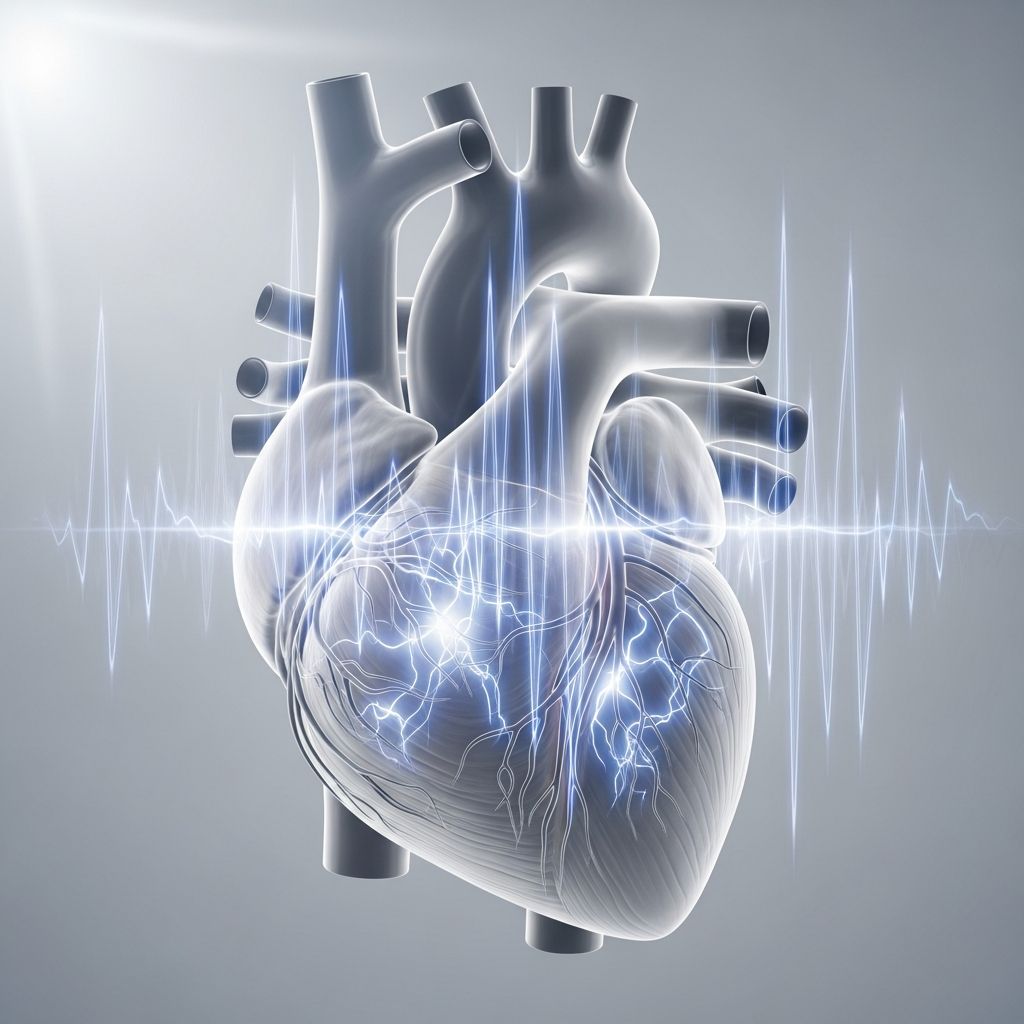
Ventricular tachycardia (VT) is a type of abnormal heart rhythm, or arrhythmia, that originates in the ventricles—the lower chambers of the heart. During VT, the heart beats much faster than normal, often exceeding 100 beats per minute and sometimes reaching rates of 200 beats per minute or more. This rapid heartbeat can prevent the heart from pumping blood effectively, leading to symptoms such as dizziness, chest pain, and even loss of consciousness. If not treated promptly, ventricular tachycardia can progress to ventricular fibrillation, a life-threatening condition that can cause sudden cardiac death.
Causes of Ventricular Tachycardia
Ventricular tachycardia can be caused by a variety of factors, including:
- Ischemic heart disease: Blockages in the coronary arteries reduce blood flow to the heart muscle, leading to scarring and abnormal electrical activity.
- Structural heart disease: Conditions such as cardiomyopathy or heart valve disease can cause scarring or enlargement of the heart, increasing the risk of VT.
- Prior heart attack: Scar tissue from a previous heart attack can disrupt the heart’s electrical system.
- Electrolyte imbalances: Abnormal levels of potassium, sodium, calcium, or magnesium can trigger VT.
- Medications: Certain drugs, including anti-arrhythmic medications, can paradoxically cause VT.
- Genetic conditions: Inherited disorders such as long QT syndrome or Brugada syndrome can predispose individuals to VT.
- Stimulant use: Cocaine, methamphetamine, and other stimulants can increase the risk of VT.
- Idiopathic VT: In some cases, the cause of VT cannot be determined.
Symptoms of Ventricular Tachycardia
The symptoms of ventricular tachycardia can vary depending on the severity and duration of the episode. Common symptoms include:
- Chest pain or discomfort
- Dizziness or lightheadedness
- Shortness of breath
- Rapid heartbeat or palpitations
- Fainting or loss of consciousness
- Weakness or fatigue
In some cases, VT may not cause any symptoms, especially if the episodes are brief or the heart rate is not extremely high.
Diagnosis of Ventricular Tachycardia
Diagnosing ventricular tachycardia typically involves a combination of medical history, physical examination, and diagnostic tests. Common diagnostic tools include:
- Electrocardiogram (ECG): This test records the electrical activity of the heart and can identify the characteristic pattern of VT.
- Holter monitor: A portable ECG device worn for 24 to 48 hours to capture intermittent episodes of VT.
- Event monitor: A device used for longer-term monitoring, especially if symptoms are infrequent.
- Echocardiogram: An ultrasound of the heart to assess its structure and function.
- Stress test: A test that monitors the heart’s response to physical activity.
- Blood tests: To check for electrolyte imbalances or other underlying conditions.
Treatment of Ventricular Tachycardia
The treatment of ventricular tachycardia depends on the underlying cause, the severity of symptoms, and the patient’s overall health. Treatment options include:
Emergency Treatment
In cases of hemodynamically unstable VT (when the patient is experiencing severe symptoms or is in cardiac arrest), immediate intervention is required. Emergency treatments may include:
- Cardiopulmonary resuscitation (CPR): To maintain blood flow until more advanced treatment can be provided.
- Cardioversion: The use of electrical shocks to restore a normal heart rhythm.
- Defibrillation: A stronger electrical shock used in cases of ventricular fibrillation.
- Intravenous medications: Drugs such as amiodarone, lidocaine, or procainamide may be administered to stabilize the heart rhythm.
Long-Term Treatment
For patients with recurrent or sustained VT, long-term treatment strategies may include:
- Medications: Anti-arrhythmic drugs such as beta-blockers, calcium channel blockers, or amiodarone can help prevent future episodes.
- Implantable cardioverter-defibrillator (ICD): A device implanted under the skin that can detect and treat VT by delivering electrical shocks.
- Catheter ablation: A procedure that destroys the abnormal heart tissue causing VT.
- Heart surgery: In some cases, surgical intervention may be necessary to correct underlying structural heart problems.
- Lifestyle changes: Managing risk factors such as high blood pressure, high cholesterol, and diabetes can help reduce the risk of VT.
Related Stories



Complications of Ventricular Tachycardia
If left untreated, ventricular tachycardia can lead to serious complications, including:
- Ventricular fibrillation
- Sudden cardiac death
- Heart failure
- Stroke
Prevention of Ventricular Tachycardia
Preventing ventricular tachycardia involves managing underlying heart conditions and reducing risk factors. Strategies include:
- Regular medical check-ups
- Controlling blood pressure and cholesterol levels
- Maintaining a healthy weight
- Avoiding stimulants such as cocaine and methamphetamine
- Following a heart-healthy diet
- Exercising regularly
- Taking prescribed medications as directed
Frequently Asked Questions (FAQs)
Q: What is the difference between ventricular tachycardia and atrial fibrillation?
A: Ventricular tachycardia originates in the ventricles (lower chambers) of the heart, while atrial fibrillation originates in the atria (upper chambers). VT is generally more dangerous and can lead to sudden cardiac death if not treated promptly.
Q: Can ventricular tachycardia be cured?
A: In some cases, VT can be cured with treatments such as catheter ablation or surgery. However, for many patients, the goal is to manage the condition and prevent future episodes.
Q: Is ventricular tachycardia hereditary?
A: Some forms of VT are associated with inherited genetic conditions, but most cases are caused by acquired heart disease or other risk factors.
Q: What should I do if I experience symptoms of VT?
A: If you experience symptoms such as chest pain, rapid heartbeat, or fainting, seek medical attention immediately. Call 911 if symptoms are severe or if you suspect cardiac arrest.
References
- Ventricular Tachycardia: Symptoms & Treatment — Cleveland Clinic. 2023. https://my.clevelandclinic.org/health/diseases/17616-ventricular-tachycardia
- Ventricular Tachycardia — MedlinePlus Medical Encyclopedia. 2023. https://medlineplus.gov/ency/article/000187.htm
- Ventricular Tachycardia – Diagnosis and treatment — Mayo Clinic. 2023. https://www.mayoclinic.org/diseases-conditions/ventricular-tachycardia/diagnosis-treatment/drc-20355144
- Ventricular Tachycardia — StatPearls – NCBI Bookshelf. 2023. https://www.ncbi.nlm.nih.gov/books/NBK532954/
- Ventricular Tachycardia – Symptoms and causes — Mayo Clinic. 2023. https://www.mayoclinic.org/diseases-conditions/ventricular-tachycardia/symptoms-causes/syc-20355138
- Tachycardia | Diagnosis & Disease Information — The Cardiology Advisor. 2023. https://www.thecardiologyadvisor.com/ddi/tachycardia/
- Tachycardia: Fast Heart Rate — American Heart Association. 2023. https://www.heart.org/en/health-topics/arrhythmia/about-arrhythmia/tachycardia–fast-heart-rate
Similar Articles








Read full bio of Sneha Tete