Verapamil: Uses, Dosage, Side Effects Guide
Verapamil treats high blood pressure, angina, abnormal heart rhythms, and protects the heart post-heart attack with calcium channel blockade.
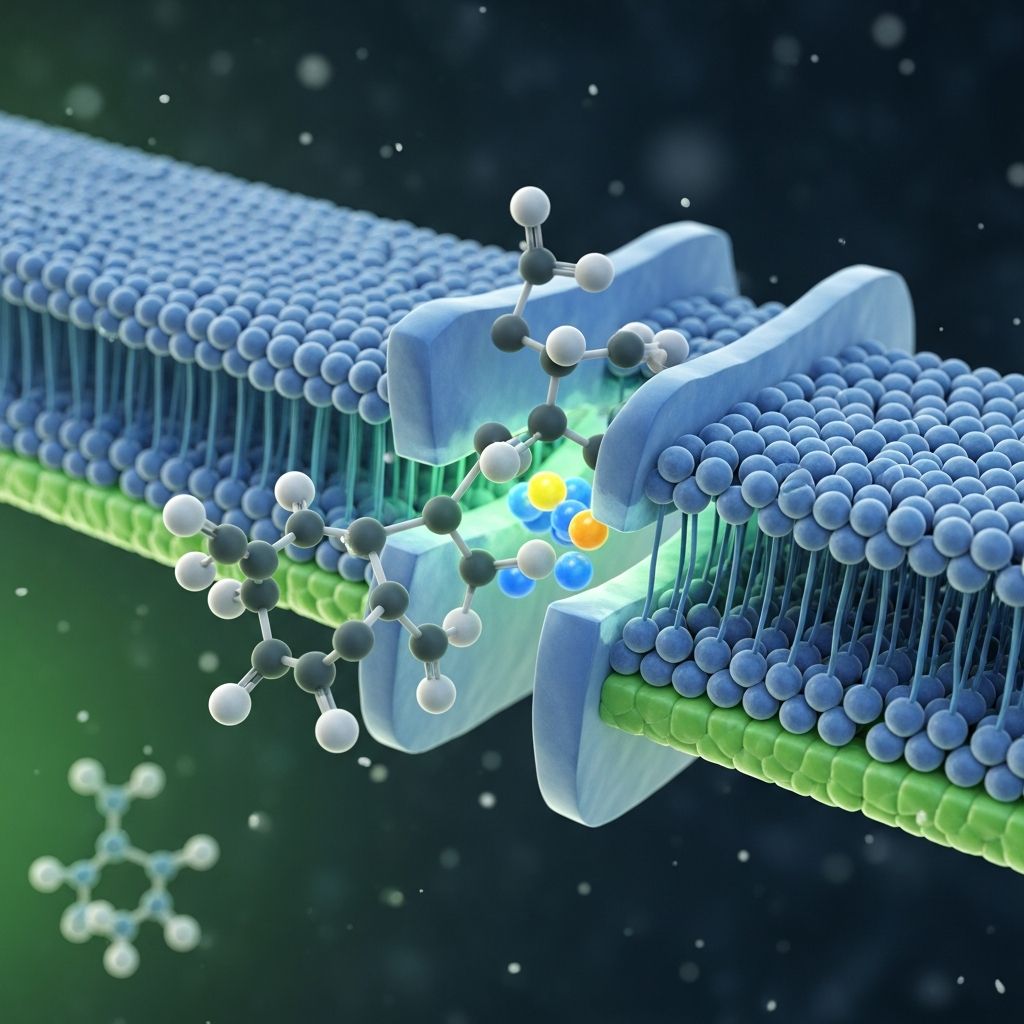
Verapamil is a medication classified as a
calcium-channel blocker
primarily used to manage cardiovascular conditions such as hypertension, angina, and abnormal heart rhythms. It is also employed to protect the heart following a myocardial infarction. By inhibiting calcium entry into heart and blood vessel muscle cells, verapamil relaxes arteries, lowers blood pressure, reduces heart workload, and stabilizes irregular heartbeats.About verapamil
| Type of medicine | A calcium-channel blocker |
|---|---|
| Used for | Abnormal heart rhythms (arrhythmias); high blood pressure (hypertension); angina (chest pain); protection after heart attack |
| Also called | Half Securon®, Securon®, Verapress®, Vera-Til® |
| Available as | Tablets; prolonged-release tablets and capsules; oral liquid medicine |
Verapamil belongs to the class of non-dihydropyridine calcium channel blockers, which specifically target L-type calcium channels in myocardial and vascular smooth muscle cells. These channels regulate calcium influx during cell depolarization, essential for muscle contraction. By blocking this influx, verapamil induces coronary vasodilation, reduces myocardial oxygen demand, and exerts negative chronotropic and inotropic effects, making it effective for hypertension, vasospastic angina, and supraventricular arrhythmias.
In patients with hypertension, verapamil widens arteries, decreasing peripheral vascular resistance and lowering blood pressure. For angina, it improves oxygen supply to the heart by dilating coronary vessels and reducing cardiac workload. In arrhythmias, particularly those involving the AV node like atrial fibrillation or supraventricular tachycardia, it slows conduction through the AV node by prolonging its refractory period. Post-heart attack, it helps prevent reinfarction by stabilizing rhythm and reducing oxygen demand.
Immediate-release formulations require dosing 3-4 times daily due to short half-life, while extended-release versions allow once-daily administration, improving patient compliance. Verapamil is prescription-only and available in various forms to suit different needs.
Key facts
- Verapamil starts working within 1-2 hours for immediate-release tablets, with peak effects in 4-8 hours; extended-release peaks in 7-8 hours.
- Full blood pressure reduction may take 1-2 weeks of consistent use.
- It is not suitable for everyone, particularly those with heart failure, severe hypotension, or certain conduction abnormalities.
- Common brand names include Securon®, Verapress®, and Half-Securon® SR for sustained-release.
- Verapamil can interact with many drugs, including beta-blockers, digoxin, and CYP3A4 inhibitors/inducers.
How does verapamil work?
Heart muscle and arterial walls contain specialized cells that require calcium ions to contract. Verapamil reduces calcium entry into these cells via L-type calcium channels, particularly in the myocardium and vascular smooth muscle. This leads to muscle relaxation, artery dilation, slowed heart rate, and reduced contraction force.
For
hypertension
, dilated arteries lower systemic vascular resistance (afterload), easing the heart’s pumping effort and decreasing blood pressure. Inangina
, enhanced coronary blood flow meets oxygen demands, especially during spasms, while reduced heart rate and contractility conserve oxygen. Forarrhythmias
, verapamil targets AV node conduction, slowing rapid rates without significantly affecting atrial rates.Unlike dihydropyridine blockers (e.g., amlodipine), verapamil has prominent cardiac effects, making it ideal for rate control in atrial fibrillation but cautious in systolic dysfunction.
When is verapamil prescribed?
Verapamil is indicated for:
- Hypertension: As monotherapy or combination therapy to achieve target blood pressure.
- Angina pectoris: Stable, vasospastic (Prinzmetal’s), or unstable angina unresponsive to other agents.
- Arrhythmias: Supraventricular tachycardias, atrial fibrillation/flutter with rapid ventricular response.
- Post-myocardial infarction: Secondary prevention in select patients without heart failure.
Related Stories



It is not first-line for heart failure due to negative inotropic effects.
Before taking verapamil
Inform your doctor if you have:
- Pregnancy, planning pregnancy, or breastfeeding (use only if benefits outweigh risks).
- Heart failure, low ejection fraction, or other cardiac conditions like sick sinus syndrome, second/third-degree AV block without pacemaker.
- Hypotension (low blood pressure).
- Liver impairment (dose adjustment needed).
- Porphyria or neuromuscular disorders like Duchenne’s muscular dystrophy.
- Allergies to verapamil or similar drugs.
**Drug interactions**: Critical with beta-blockers (risk of bradycardia, heart block, hypotension), digoxin (increased levels), CYP3A4 modulators (e.g., grapefruit juice increases levels, rifampin decreases), statins, and antiarrhythmics. St. John’s wort and NSAIDs may reduce efficacy.
How to take verapamil
Follow your doctor’s instructions and read the patient leaflet. Dosing varies:
| Condition | Typical Adult Dose |
|---|---|
| Hypertension | Immediate-release: 80-120 mg 3x/day; Extended-release: 180-240 mg once daily, up to 480 mg |
| Angina | 80 mg 4x/day or 180-360 mg extended-release daily |
| Arrhythmias | 240-480 mg/day divided; IV for acute |
- Swallow whole; do not crush/chew extended-release forms.
- Take with food if stomach upset occurs.
- Avoid alcohol; it heightens side effects and verapamil prolongs alcohol clearance.
- Miss a dose? Take as soon as remembered unless near next; do not double.
- Before surgery, inform anesthetist due to interactions.
Common questions about verapamil
- Are there alternatives? Yes, other calcium blockers (diltiazem, amlodipine), beta-blockers, ACE inhibitors.
- Can I drive? Yes, unless dizzy; effects improve over time.
- Does it affect fertility? No evidence in men; discuss if planning pregnancy.
- Traveling abroad? Carry prescription; same name internationally.
Side-effects of verapamil
Most side effects are mild and transient. Serious ones require immediate medical attention.
| Common side-effects | What can I do if I experience this? |
|---|---|
| Constipation (most common, 7-10%) | Eat high-fiber diet, drink 8-10 glasses water daily, exercise; consider laxatives if persistent |
| Feeling sick (nausea) or vomiting | Stick to bland foods; small frequent meals; ginger tea |
| Flushing, headache | Usually settles; paracetamol for headache, stay hydrated |
| Dizziness, tiredness | Avoid driving/machinery; rise slowly from sitting |
| Swollen ankles | Elevate feet; if persistent, see doctor |
Serious side-effects (rare): Bradycardia, hypotension, heart block, gingival hyperplasia, rash, gynecomastia (men), hyperglycemia in overdose. Seek emergency care for chest pain, fainting, severe dizziness, or swelling.
In toxicity, hyperglycemia, metabolic acidosis, profound bradycardia/hypotension occur due to calcium channel blockade in beta-cells and heart.
Frequently asked questions (FAQs)
How long does verapamil take to work?
Blood pressure lowers within hours, but optimal effects in 1-2 weeks. Angina relief quicker; arrhythmias may need monitoring.
Can I stop taking verapamil suddenly?
No; taper under doctor supervision to avoid rebound hypertension or angina.
Does verapamil cause weight gain?
Not typically; ankle swelling may mimic it. Constipation can indirectly affect weight.
Is verapamil safe in diabetes?
Generally yes, but monitor glucose; overdose risks hyperglycemia.
What if I overdose?
Symptoms: severe low BP, slow heart rate, shock. Call emergency; treatments include calcium gluconate, vasopressors, insulin.
Word count: 1728 (excluding metadata and references)
References
- Verapamil – StatPearls — NCBI Bookshelf. 2023-07-17. https://www.ncbi.nlm.nih.gov/books/NBK538495/
- Verapamil – a calcium-channel blocker — Patient.info. 2023. https://patient.info/medicine/verapamil-a-calcium-channel-blocker-securon-verapress
- Verapamil: Uses, Interactions, Mechanism of Action — DrugBank. 2024-01-15. https://go.drugbank.com/drugs/DB00661
- Verapamil (oral route) — Mayo Clinic. 2024-05-01. https://www.mayoclinic.org/drugs-supplements/verapamil-oral-route/description/drg-20071728
- Verapamil Tablets — Cleveland Clinic. 2023-11-20. https://my.clevelandclinic.org/health/drugs/20999-verapamil-tablets
- CALAN SR (verapamil hydrochloride) Label — FDA. 2019-08-30. https://www.accessdata.fda.gov/drugsatfda_docs/label/2019/019152s044lbl.pdf
- Verapamil — NHS. 2024-02-10. https://www.nhs.uk/medicines/verapamil/
Similar Articles








Read full bio of medha deb