Verrucous Carcinoma: Understanding Symptoms, Diagnosis & Treatment
Comprehensive guide to verrucous carcinoma: rare cancer overview, symptoms, diagnosis methods, and treatment options.
Understanding Verrucous Carcinoma
Verrucous carcinoma is a rare and highly treatable form of cancer that primarily develops in the mouth, though it can occasionally occur on the genitals or feet. This slow-growing cancer represents a specific subtype of squamous cell carcinoma (SCC), which originates from the flat, thin cells found throughout various tissues in the body, including the surface of the skin and the lining of the throat and mouth. Healthcare providers sometimes refer to this condition as Ackerman’s tumor, named after the pathologist who first described it.
The condition typically affects individuals over 40 years of age and demonstrates a generally favorable prognosis when detected and treated appropriately. Many people who receive prompt treatment recover completely from this disease, making early detection and intervention crucial components of successful management.
What is Verrucous Carcinoma?
Verrucous carcinoma is classified as a type of squamous cell carcinoma, a category of cancers arising from squamous cells located in various tissues throughout the body. When this cancer develops in the oral cavity—including areas such as the gums and cheeks—healthcare providers manage it as oral cancer. When it forms on the feet, it is typically managed as a skin cancer. The unique characteristic of verrucous carcinoma is its exceptionally slow growth rate, which means patients may not notice symptoms for an extended period.
The disease occurs when squamous cells in certain body areas begin to grow abnormally. These abnormal cellular changes represent the fundamental mechanism through which verrucous carcinoma develops and progresses throughout the affected tissue.
Risk Factors and Causes
Certain lifestyle habits and environmental factors significantly increase the risk of developing verrucous carcinoma. Understanding these risk factors can help individuals take preventive measures to reduce their likelihood of developing this disease.
Primary Risk Factors:
- Smoking and tobacco use (including chewing tobacco)
- Excessive alcohol consumption
- Vaping
- Traumatic injury to the skin
- Chronic skin irritation
People who combine multiple risk factors—such as smoking and heavy alcohol consumption—face substantially elevated risks. Additionally, verrucous carcinoma can sometimes develop following traumatic skin injuries or in areas where the skin experiences prolonged irritation. Age also plays a role, as the condition more commonly affects individuals over 40 years old.
Symptoms and Signs of Verrucous Carcinoma
The symptoms of verrucous carcinoma vary depending on the location of the lesion or tumor. Because the disease grows slowly, individuals may remain unaware of its presence for an extended time before noticeable symptoms appear.
Common Symptoms Include:
- Mouth sores (lesions) in the oral cavity
- Sores on the genitals
- Sores on the soles of the feet
- Reddish or white patches in the mouth
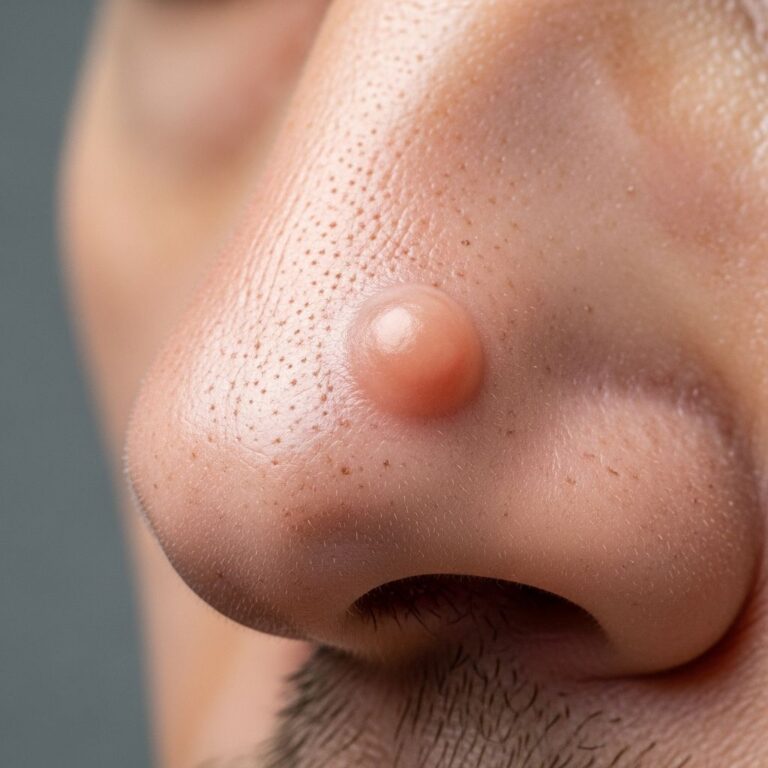
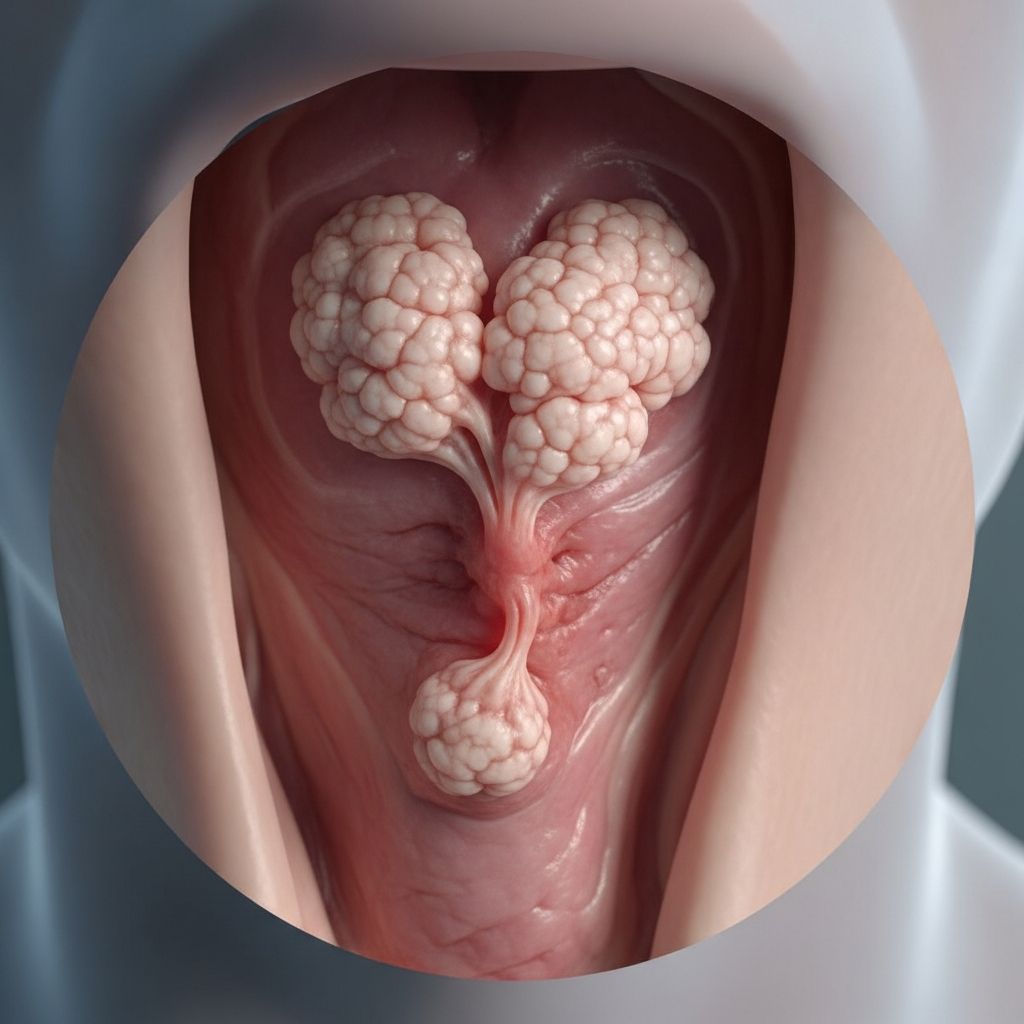
- Mass or tumor resembling a wart (papillary tumor)
- Unusual lumps or growths
One critical distinction is that verrucous carcinoma is not contagious, so individuals need not worry about transmitting the condition to others. However, delayed recognition and treatment of these symptoms can allow the cancer to spread or worsen, making prompt medical attention essential when any of these signs appear.
Diagnostic Procedures and Pathology
Accurate diagnosis requires a systematic approach involving physical examination and laboratory analysis. Healthcare providers typically begin with a thorough clinical evaluation to identify the location and characteristics of any lesion or tumor.
Diagnostic Steps:
- Physical examination to locate lesions or tumors
- Comprehensive medical history assessment
- Discussion of smoking and tobacco habits
- Inquiry about lifestyle factors and symptoms
- Tissue biopsy for definitive diagnosis
Related Stories



Biopsy represents the primary diagnostic tool for confirming verrucous carcinoma. During this procedure, healthcare providers obtain a tissue sample from the affected area, which a pathologist then examines under a microscope. Pathology—the detailed analysis of tissues and cells involved in disease—is essential for confirming the diagnosis and determining the specific characteristics of the cancer.
Depending on the lesion or tumor location and whether healthcare providers suspect cancer has spread, patients may also undergo imaging studies to assess the extent of disease and determine appropriate treatment strategies.
Treatment Options
Healthcare providers employ various treatment approaches based on the disease location, extent of spread, and individual patient factors. The primary treatment modality differs from some other cancer types.
Primary Treatment Approach:
Surgery remains the first-line treatment for verrucous carcinoma. Healthcare providers typically perform surgical procedures to remove the tumor completely. This approach works particularly well for this cancer type because verrucous carcinoma often does not spread beyond the original tumor site.
Additional Treatment Options:
When cancer has spread into surrounding tissues or when patients have multiple lesions, healthcare providers may recommend:
- Chemotherapy to attack cancer cells throughout the body
- Combined chemotherapy and radiation therapy (chemoradiation)
- Radiation therapy following surgical removal
It is important to note that healthcare providers do not typically use radiation therapy as a primary treatment for verrucous carcinoma. However, depending on disease location, radiation may follow surgery to eliminate any remaining cancer cells. Healthcare providers will discuss individualized treatment options with each patient based on their specific circumstances.
Prognosis and Recovery Outlook
The prognosis for most individuals with verrucous carcinoma is favorable. After appropriate treatment, many patients achieve complete recovery. The slow-growing nature of this cancer and its tendency to remain localized contribute to generally positive outcomes when the disease is detected and treated promptly.
Most patients who have their tumors removed do not experience cancer recurrence. However, it is important to understand that verrucous carcinoma can occasionally return. Healthcare providers will discuss recurrence treatment options if this occurs in any particular patient.
In rare cases where verrucous carcinoma affects the foot and remains untreated for extended periods, the disease may spread into bone tissue. This progression underscores the importance of seeking medical attention promptly when suspicious symptoms appear.
Potential Complications and Side Effects
While verrucous carcinoma generally carries a good prognosis, patients should be aware of potential complications associated with treatment.
Possible Post-Treatment Effects:
- Scarring on the skin following surgical tumor removal
- Bone removal in cases where cancer has spread
- Recurrence of the cancer requiring additional treatment
Healthcare providers will discuss these possibilities during treatment planning and provide appropriate support and management strategies if complications develop.
Prevention Strategies
Individuals can significantly reduce their risk of developing verrucous carcinoma by making informed lifestyle choices and practicing preventive measures.
Primary Prevention Methods:
- Avoid all tobacco products, including cigarettes, cigars, and chewing tobacco
- Limit alcohol consumption significantly
- Discontinue vaping
- Perform regular skin self-examinations
- Treat any skin irritations promptly
- Report unusual lesions or growths to healthcare providers immediately
Early detection through self-awareness and regular medical check-ups dramatically improves treatment outcomes. Individuals should become familiar with the appearance of their skin and oral tissues, noting any changes that warrant professional evaluation.
Frequently Asked Questions
Q: Is verrucous carcinoma contagious?
A: No, verrucous carcinoma is not contagious. It is a type of cancer that develops from abnormal cell growth within an individual’s body and cannot be transmitted to other people through contact or any other means.
Q: How quickly does verrucous carcinoma grow?
A: Verrucous carcinoma is characterized as a slow-growing cancer. This means that patients may not notice symptoms for an extended period, which underscores the importance of regular self-examinations and prompt reporting of any suspicious changes to healthcare providers.
Q: What is the survival rate for verrucous carcinoma?
A: The prognosis for most people with verrucous carcinoma is good. After treatment, many people recover completely. Most people with verrucous carcinoma do not experience cancer spread beyond the tumor site, and surgical removal typically results in successful outcomes.
Q: Can verrucous carcinoma come back after treatment?
A: Yes, verrucous carcinoma can recur, though this is not common. Healthcare providers will discuss treatment options if the condition returns and will monitor patients for any signs of recurrence during follow-up appointments.
Q: What should I do if I notice suspicious symptoms?
A: You should tell your healthcare provider right away if you notice sores or lumps in your mouth, on your genitals, or on your feet. Delaying treatment gives verrucous carcinoma a chance to spread or worsen. Early detection and intervention significantly improve treatment outcomes.
Q: Where does verrucous carcinoma most commonly develop?
A: Verrucous carcinoma most commonly develops in the mouth (oral cavity), including areas such as the gums and cheeks. It can occasionally occur on the genitals or feet, though these locations are less common.
Key Takeaways
Verrucous carcinoma represents a rare, slow-growing form of squamous cell cancer that typically occurs in the mouth. The disease generally carries a favorable prognosis when detected and treated promptly. Risk factors include tobacco use, excessive alcohol consumption, and skin irritation. Symptoms may include mouth sores, reddish or white patches, or wart-like tumors. Diagnosis primarily relies on tissue biopsy and pathological examination. Surgery remains the principal treatment approach, often resulting in complete recovery. Individuals can reduce their risk through lifestyle modifications and vigilant self-monitoring. Healthcare providers strongly encourage prompt reporting of any suspicious lesions or growths for optimal treatment outcomes.
References
- Verrucous Carcinoma: Diagnosis, Treatment, Symptoms & Pathology — Cleveland Clinic. 2024. https://my.clevelandclinic.org/health/diseases/22286-verrucous-carcinoma
- Understanding Oral Cancer: A Comprehensive Guide — Mouthwatchers. 2024. https://www.mouthwatchers.com/blogs/blog/understanding-oral-cancer-a-comprehensive-guide
- Buccal Mucosa Cancer: Symptoms, Causes & Treatment — Cleveland Clinic. 2024. https://my.clevelandclinic.org/health/diseases/23423-buccal-mucosa-inner-cheek-cancer
- Early Squamous Cell Carcinoma of the Oral Tongue With Histologically Benign Lymph Nodes — PubMed Central. 2020. https://pmc.ncbi.nlm.nih.gov/articles/PMC7723468/
- Verrucous squamous cell carcinoma of the vagina: Case report — Cleveland Clinic Journal of Medicine. 2010. https://www.ccjm.org/content/ccjom/48/2/305.full.pdf
Similar Articles








Read full bio of medha deb