Vertigo Exercises: 6 Moves to Relieve Dizziness
Discover effective vertigo exercises like the Epley and Foster maneuvers to manage BPPV symptoms at home safely.
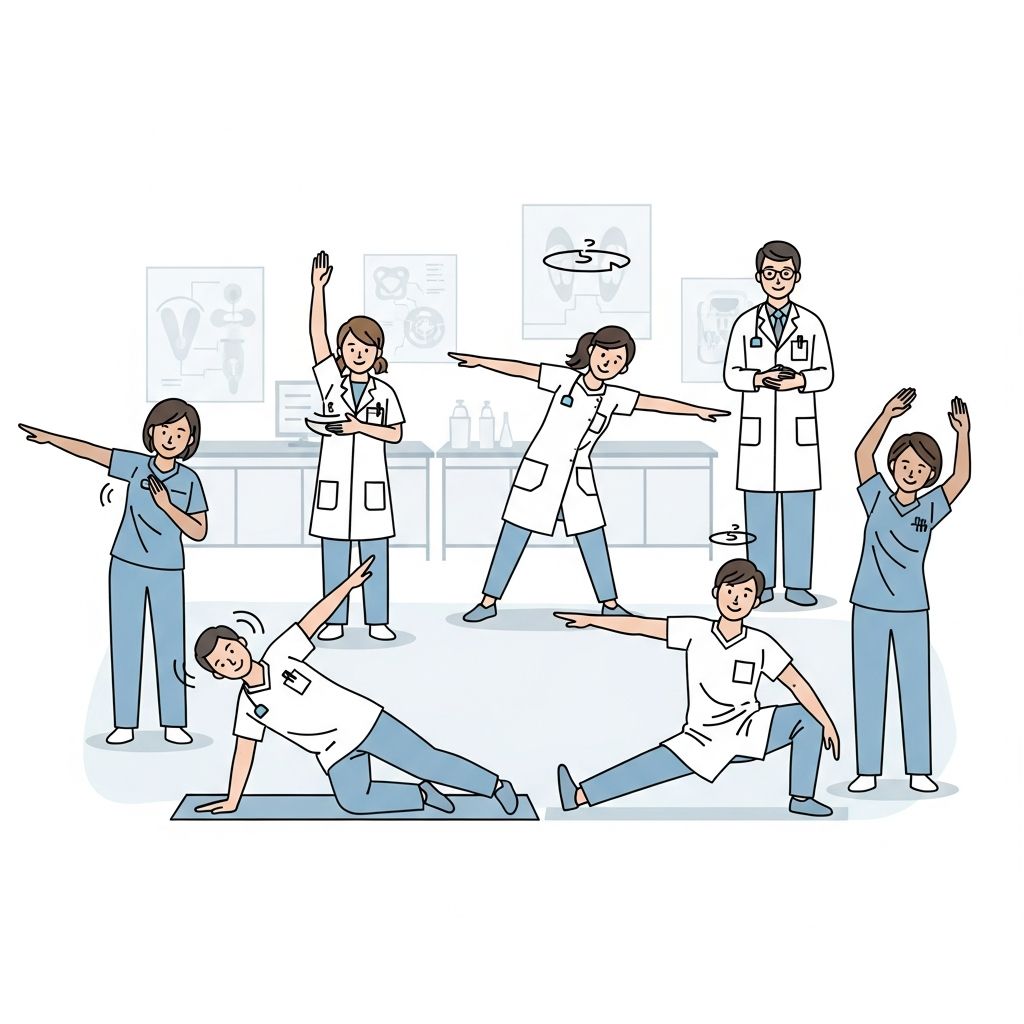
Vertigo, characterized by a sudden sensation of spinning or dizziness, often stems from
benign paroxysmal positional vertigo (BPPV)
, where tiny calcium crystals in the inner ear dislodge and disrupt balance signals. Thesevertigo exercises
can reposition these crystals, providing quick relief without medication or surgery. Developed by experts like Dr. Carol Foster and Dr. John Epley, maneuvers such as the Epley, Foster (half-somersault), Brandt-Daroff, and Semont target the semicircular canals in the inner ear. Vestibular rehabilitation therapy (VRT) incorporates gaze stabilization and balance exercises for long-term management. Always consult a healthcare provider for diagnosis, as these are primarily for peripheral BPPV, not central vertigo causes like migraines or strokes.What Is Vertigo?
Vertigo is not just dizziness; it’s a false perception of movement, often feeling like the room is spinning. It affects about 20-30% of people over 65 and can result from inner ear issues, head injuries, or aging.
BPPV
is the most common type, triggered by head position changes, lasting seconds to minutes. Symptoms include nausea, imbalance, and falls risk. Unlike lightheadedness from low blood pressure, vertigo involves vestibular system disruption.Vertigo Causes
The primary cause of peripheral vertigo suitable for these exercises is
BPPV
, where otoconia (calcium carbonate crystals) migrate into the semicircular canals, causing them to float freely and send erroneous signals to the brain during movement. Other triggers include head trauma, ear surgery, prolonged bed rest, or migraines. Central vertigo from brain issues (e.g., tumors) requires different treatment and won’t respond to repositioning maneuvers.- BPPV specifics: Affects posterior canal 85-90% of cases; horizontal or anterior less common.
- Risk factors: Age over 50, female gender, vitamin D deficiency.
Symptoms of Vertigo
Key symptoms include intense spinning triggered by rolling in bed, looking up, or bending over. Nystagmus (involuntary eye movements), nausea, vomiting, and unsteadiness follow. Episodes are brief but recurrent, increasing fall risks, especially in older adults. If accompanied by hearing loss, severe headache, or weakness, seek immediate medical attention for central causes.
Who Should Avoid Vertigo Exercises?
Not everyone can safely perform these maneuvers. Avoid if you have neck/back issues, severe spinal problems, unstable blood pressure, or recent surgery. Pregnant individuals or those with central vertigo (e.g., stroke symptoms) should not attempt without supervision. Children under 10 and those with limited mobility need modifications. Stop if pain, worsening dizziness, or new symptoms occur; consult a physical therapist for VRT assessment.
6 Exercises for Vertigo
These evidence-based exercises treat BPPV by guiding crystals out of canals via gravity. Success rates: Epley ~90%, Foster reduces complications. Perform on a firm surface, ideally after diagnosis via Dix-Hallpike test. Repeat as needed, waiting 15-30 minutes between tries.
1. Brandt-Daroff Exercises
Ideal for self-treatment of posterior or horizontal canal BPPV. Builds habituation over time. Do 5 reps per side, twice daily for 2 weeks.
- Sit on bed edge, turn head 45° right.
- Lie left side, head angled 45° up; hold 30 seconds or until dizziness subsides.
- Sit up; hold 30 seconds.
- Repeat left side (head 45° left).
- One set: 5 reps each side. Morning and night.
Related Stories



**Tip:** Progress to no dizziness before standing.
2. Semont Maneuver
Liberatory maneuver for quick posterior canal relief. Requires speed; best with therapist first. For right ear BPPV:
- Sit on bed, turn head 45° right.
- Lie swiftly left (head still 45° right), hold 1-3 minutes.
- In one motion, swing upright to right side (face floor), hold 1-3 minutes.
- Sit up slowly.
Repeat 3-5 times if needed. Effective in 90% cases.
3. Epley Maneuver (Home Version)
Gold standard for posterior canal BPPV. For left ear:
- Sit on bed, legs extended, pillow behind.
- Turn head 45° left.
- Lie back quickly (head on pillow), hold 30 seconds + dizziness time.
- Turn head 90° right, hold 30 seconds.
- Roll body right (nose down), hold 30 seconds.
- Sit up slowly.
~90% effective; use right-side mirror for opposite ear.
4. Foster (Half-Somersault) Maneuver
Invented by Dr. Carol Foster for easy home use, no bed/assistant needed. Reduces complications vs. Epley. For right ear:
- Kneel, hands on floor; tilt head up/back to feel dizziness pass.
- Forehead to floor, chin to knees (half-somersault).
- Turn head 45° right (toward elbow), hold 30 seconds.
- Keep angle, lift head level with back, hold 30 seconds.
- Sit upright.
Repeat 4-5 times; patients report fewer side effects.
5. Gaze Stabilization Exercises
Part of VRT for habituation. Retrains brain/eyes.
- X1 Viewing: Focus on ‘X’ on wall, turn head side-to-side 20x (10 each way), 3x/day.
- Vertical: Nod yes/no while focusing.
- Increase speed as tolerated.
6. Balance Exercises (Romberg & Marching)
For vestibular compensation post-maneuvers.
- Romberg: Stand feet together, eyes closed 30 seconds; progress to foam surface.
- Sway: Sway front/back, side-to-side.
- Marching: High knees in place, eyes closed.
Level 1 beginners; advance gradually.
Benefits of Vertigo Exercises
Drug-free, 80-95% success for BPPV. Immediate relief possible; VRT reduces recurrence by 50%. Improves balance, cuts fall risk, boosts confidence. Cost-effective home option.
| Exercise | Success Rate | Best For |
|---|---|---|
| Epley | 90% | Posterior canal |
| Foster | High, fewer complications | Home solo |
| Brandt-Daroff | 80% | Habituation |
When to See a Doctor
Seek help if first episode, symptoms >1 week, hearing changes, severe headaches, vision issues, or falls. PT evaluation confirms BPPV and tailors plan.
Frequently Asked Questions (FAQs)
How long do vertigo exercises take to work?
Many feel relief after 1-3 tries; full resolution in days. VRT may take weeks.
Can I do vertigo exercises every day?
Yes, Brandt-Daroff twice daily; others as needed until clear.
Do vertigo exercises work for everyone?
Best for BPPV (90%); not central vertigo.
Is the Foster maneuver better than Epley?
Foster easier solo, fewer risks per research.
Can exercises prevent vertigo recurrence?
VRT reduces by retraining brain; combine with vitamin D.
References
- Two home exercises to treat vertigo — CU Anschutz Newsroom. 2023-approx. https://news.cuanschutz.edu/news-stories/two-home-exercises-treat-vertigo
- Physical Therapy for Vertigo: Natural Relief in Movement — Sword Health. 2024-approx. https://swordhealth.com/articles/physical-therapy-for-vertigo
- Exercises for Peripheral Vertigo: 4 Options to Try — Healthline. 2023-approx. https://www.healthline.com/health/exercises-for-vertigo
- Vertigo: Balance Exercises — The Health Plan. 2024-approx. https://www.healthplan.org/library/articles/ug1297
Similar Articles








Read full bio of medha deb