Vertigo: Causes, Symptoms, And Treatment Guide
Understanding vertigo: Learn about symptoms, causes, types, and effective treatment options for balance disorders.

What is Vertigo?
Vertigo is a specific type of dizziness characterized by a false sensation of spinning or movement, even when you remain completely still. Unlike general dizziness, which might make you feel lightheaded or unbalanced, vertigo creates a distinct spinning sensation that can be disorienting and distressing. This condition affects your vestibular system, which is responsible for maintaining balance and spatial orientation.
The key difference between vertigo and dizziness lies in the type of sensation experienced. While dizziness encompasses a broad range of sensations related to imbalance or lightheadedness, vertigo specifically involves the illusion of rotational movement. Understanding this distinction is crucial for proper diagnosis and treatment, as the underlying causes differ significantly between the two conditions.
Common Symptoms of Vertigo
Vertigo manifests through various symptoms that can range from mild to severe. The primary symptom is the sensation of spinning, but additional symptoms often accompany this main complaint:
- Nausea and vomiting
- Balance issues and loss of coordination
- Hearing loss in one or both ears
- Tinnitus (ringing in your ears)
- Involuntary eye movements (nystagmus)
- Difficulty walking
- General feeling of imbalance or unsteadiness
The severity and combination of symptoms can vary significantly from person to person. Some individuals experience mild symptoms that last only seconds, while others may suffer from severe, prolonged episodes that significantly impact their daily activities and quality of life.
Types of Vertigo
Vertigo is classified into two main categories based on the location and cause of the problem:
Peripheral Vertigo
Peripheral vertigo is the most common type, accounting for the majority of vertigo cases. This type occurs when there’s an issue with your inner ear or vestibular nerve, both of which are essential for maintaining balance and spatial awareness. The inner ear contains fluid-filled structures and tiny crystals that help your brain understand your body’s position and movement.
Peripheral vertigo subtypes include:
- Benign Paroxysmal Positional Vertigo (BPPV) – The most common cause of vertigo, occurring when tiny calcium carbonate crystals move out of their proper location in the inner ear
- Vestibular Neuritis – Inflammation of the vestibular nerve, often caused by viral infections
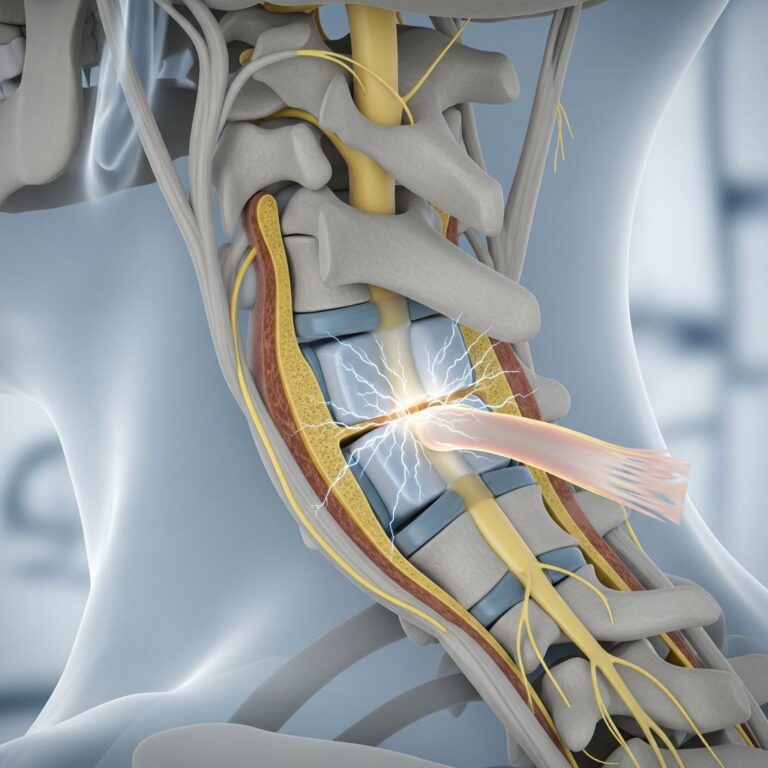
- Cervical Vertigo – Dizziness related to neck issues or cervical spine injuries
Central Vertigo
Central vertigo is less common and occurs when there’s a condition affecting your brain. Potential causes include infections, stroke, or traumatic brain injury. People with central vertigo typically experience more severe symptoms, including severe instability, difficulty walking, and other neurological signs. Central vertigo usually requires more urgent medical attention due to the serious nature of the underlying conditions.
Causes of Vertigo
The underlying causes of vertigo depend on whether it’s peripheral or central in nature. Understanding these causes helps healthcare providers determine the appropriate treatment approach.
Common Peripheral Vertigo Causes
- Inner ear disorders affecting the vestibular system
- Inflammation of the vestibular nerve
- Viral or bacterial infections of the inner ear
- Displacement of calcium carbonate crystals in the semicircular canals
- Neck injuries or cervical spine problems
- Meniere’s disease
- Head trauma or traumatic brain injury
Related Stories



Central Vertigo Causes
- Stroke or transient ischemic attack (TIA)
- Brain infections such as meningitis or encephalitis
- Traumatic brain injury
- Brain tumors
- Multiple sclerosis affecting the brainstem
- Medication side effects
Additionally, stress and anxiety can trigger vertigo symptoms or make existing symptoms worse, regardless of the underlying cause. This connection between emotional state and vertigo underscores the importance of comprehensive treatment approaches that address both physical and psychological factors.
Diagnosis of Vertigo
Accurate diagnosis is essential for determining the appropriate treatment plan. Since vertigo symptoms can overlap with other conditions, healthcare providers employ various diagnostic methods:
Diagnostic Tests and Procedures
- Dix-Hallpike Maneuver – A positional test that helps identify BPPV by observing eye movements and symptoms when the head is moved into specific positions
- Supine Roll Maneuver – Another positional test used to diagnose certain types of vertigo
- Videonystagmography (VNG) – Tests eye movements and tracks involuntary eye movements
- Caloric Testing – Evaluates how your inner ear responds to temperature changes
- MRI or CT Scans – Imaging tests to rule out serious conditions like stroke or tumors
- Blood Tests – To identify infections or other medical conditions
- Audiometry – Hearing tests to assess if hearing loss is associated with vertigo
During the diagnostic process, your healthcare provider will also take a detailed medical history, perform a physical examination, check your blood pressure, review any medications you’re taking, and conduct a cranial nerve examination to look for any abnormal eye movements or neurological signs.
Treatment Options for Vertigo
Treatment approaches for vertigo vary depending on the underlying cause, severity of symptoms, and individual patient factors. Healthcare providers tailor treatment plans to address specific needs.
Physical Therapy and Vestibular Rehabilitation
Vestibular rehabilitation therapy is a highly effective treatment option for many types of vertigo. This therapeutic approach involves a range of exercises designed to improve balance, reduce dizziness, stabilize vision, and enhance overall coordination. Common exercises include:
- Stretching and strengthening exercises
- Eye movement control exercises
- Balance training and proprioceptive exercises
- Marching in place and gait training
- Head and eye coordination exercises
Your healthcare provider will teach you how to perform these exercises at home so you can manage symptoms during vertigo episodes. Consistent practice often leads to significant improvement in symptoms over time.
Repositioning Maneuvers
For BPPV specifically, the Epley maneuver or Semont maneuver can effectively reposition displaced crystals in the inner ear. These specific head movements guide the calcium carbonate crystals back to their proper location, often providing immediate relief from symptoms.
Medication
Various medications can help manage vertigo symptoms, including:
- Antihistamines to reduce dizziness
- Anticholinergics to decrease nausea and vomiting
- Benzodiazepines for anxiety and muscle tension
- Antiviral medications for vertigo caused by viral infections
- Corticosteroids to reduce inflammation
Lifestyle Modifications
Managing vertigo often involves making adjustments to daily activities:
- Avoiding rapid head movements and position changes
- Moving slowly when changing positions
- Using proper lighting to maintain visual stability
- Staying hydrated and maintaining balanced nutrition
- Stress management and relaxation techniques
- Getting adequate sleep
When to Seek Medical Help
While many cases of vertigo resolve on their own or respond well to treatment, certain situations require prompt medical attention. Seek immediate care if you experience:
- Sudden, severe vertigo accompanied by severe headache
- Vertigo with difficulty speaking or facial drooping
- Loss of consciousness or confusion
- Severe vomiting or inability to keep down fluids
- Vertigo lasting more than a few days
- Vertigo occurring after head injury
- Vision changes or hearing loss accompanying vertigo
Living with Vertigo
Vertigo can significantly impact quality of life, making even simple daily tasks challenging. However, with proper diagnosis and appropriate treatment, most people experience substantial symptom improvement. The key to managing vertigo effectively involves working closely with your healthcare provider to identify the underlying cause and develop a personalized treatment plan.
Understanding your condition, following treatment recommendations diligently, and maintaining open communication with your healthcare team can help you regain stability and confidence in your daily activities. Many people find that combining multiple treatment approaches—such as physical therapy, medication, and lifestyle modifications—provides the best outcomes.
Frequently Asked Questions
Q: How long does vertigo typically last?
A: The duration varies depending on the cause. BPPV episodes may last seconds to minutes, while vestibular neuritis can last weeks to months. If vertigo persists beyond a few days or worsens, contact your healthcare provider.
Q: Is vertigo dangerous?
A: While vertigo itself is usually not life-threatening, it can indicate a serious underlying condition, especially if accompanied by other symptoms like severe headache or neurological changes. Central vertigo can indicate stroke or other brain conditions requiring urgent care.
Q: Can vertigo be prevented?
A: While not all vertigo can be prevented, you can reduce risk by avoiding head injuries, managing stress, maintaining good posture, and treating inner ear infections promptly. For some conditions like BPPV, prevention is difficult as it often occurs without clear cause.
Q: Are there any home remedies for vertigo?
A: Home remedies include moving slowly, avoiding sudden position changes, staying hydrated, and performing prescribed vestibular exercises. However, proper medical diagnosis and treatment are essential for effective management.
Q: Can medication completely cure vertigo?
A: Medication manages symptoms but doesn’t always cure the underlying condition. Treatment effectiveness depends on the cause. Some conditions like BPPV may resolve with repositioning maneuvers, while others require ongoing management.
References
- Vertigo: Symptoms, Causes & Treatment — Cleveland Clinic. 2024. https://my.clevelandclinic.org/health/symptoms/21769-vertigo
- Benign Paroxysmal Positional Vertigo: Effective Diagnosis and Management — Cleveland Clinical Journal of Medicine. 2022. https://www.ccjm.org/content/89/11/653
- Vestibular Neuritis: Symptoms, Causes & Treatment — Cleveland Clinic. 2024. https://my.clevelandclinic.org/health/diseases/15227-vestibular-neuritis
- Cervical Vertigo (Cervicogenic Dizziness): Symptoms & Treatment — Cleveland Clinic. 2024. https://my.clevelandclinic.org/health/diseases/23174-cervical-vertigo
- Dizziness vs. Vertigo: Understanding the Difference — Cleveland Clinic Abu Dhabi. 2024. https://www.clevelandclinicabudhabi.ae/en/health-byte/health/dizziness-vs-vertigo-understanding-the-difference
Similar Articles








Read full bio of medha deb