Vertigo: Symptoms, Causes, and Treatments
Understand vertigo symptoms, explore common causes like BPPV and migraines, and discover effective treatments for lasting relief.
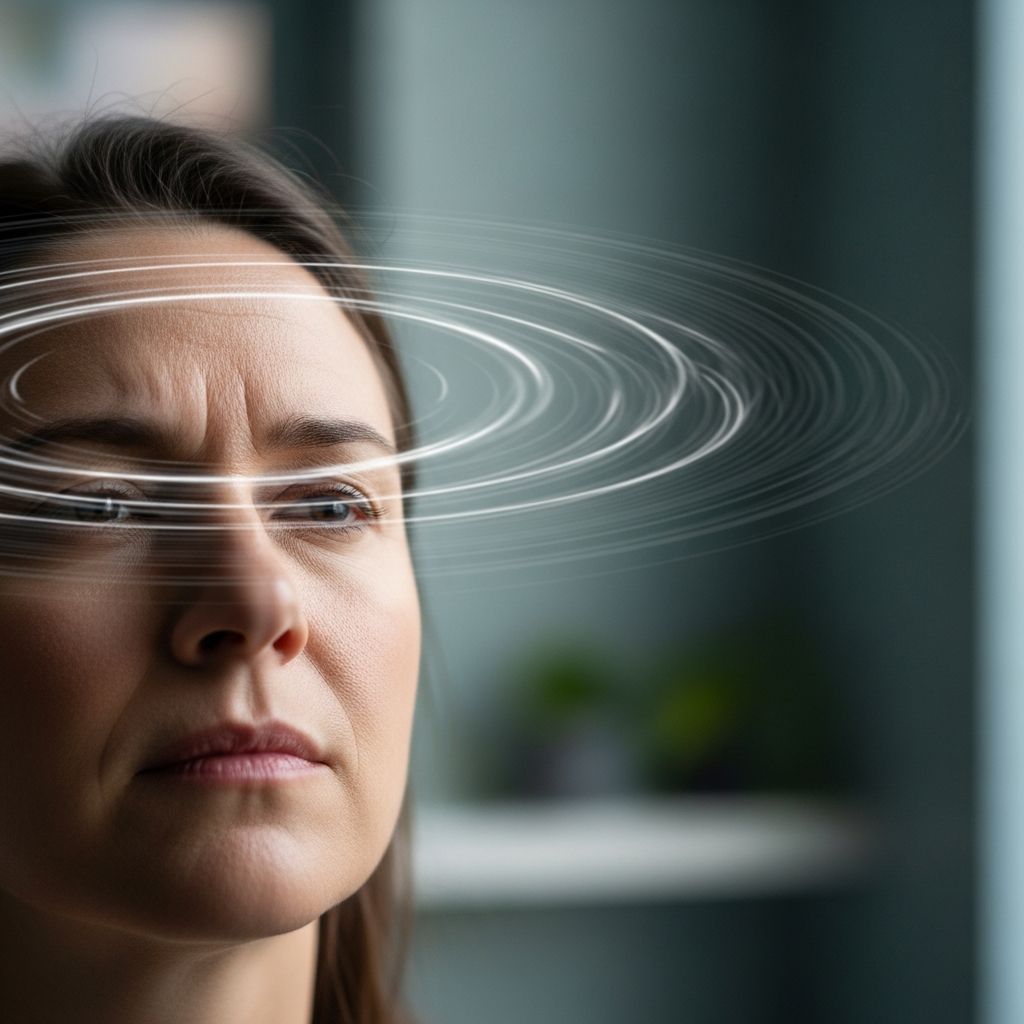
Vertigo is a specific type of dizziness characterized by a false sensation that you or your surroundings are spinning or moving. Unlike general lightheadedness, it often feels like the room is rotating around you, leading to nausea, imbalance, and potential falls. This symptom arises from issues in the inner ear, brain, or sensory nerve pathways, affecting millions worldwide.
What Is Vertigo?
Vertigo is not a disease but a symptom of underlying vestibular dysfunction, where the body’s balance system misfires. The vestibular system, located in the inner ear, detects head movements and spatial orientation, sending signals to the brain via the vestibular nerve. When disrupted, it creates an illusion of motion.
Approximately 80% of vertigo cases are peripheral, originating from inner ear problems, while 20% are central, involving the brain stem or cerebellum. It can strike suddenly, lasting seconds to days, and impacts daily activities like driving or walking.
Vertigo Symptoms
The hallmark symptom is a spinning sensation, often worsened by head movements. Accompanying signs include:
- Balance problems and unsteadiness
- Lightheadedness or motion sickness
- Nausea and vomiting
- Tinnitus (ringing in the ears)
- A feeling of fullness in the ear
- Headaches
- Nystagmus (uncontrollable eye movements, typically side-to-side)
- Increased sweating
- Hearing loss (in some cases)
These symptoms vary by cause; for instance, benign paroxysmal positional vertigo (BPPV) episodes last under a minute, while Meniere’s disease attacks endure hours. Stress can exacerbate symptoms without directly causing them.
Vertigo Causes
Vertigo stems from peripheral or central issues. Peripheral causes dominate, involving the inner ear or vestibular nerve.
Benign Paroxysmal Positional Vertigo (BPPV)
The most common cause, BPPV occurs when calcium carbonate crystals (otoconia) dislodge from the utricle and enter semicircular canals. Head movements trigger false motion signals, causing brief vertigo spells under 60 seconds, often with nausea. Risk factors include head injury, aging, and prolonged bed rest. Recurrence rate is about 50% over 5 years.
Labyrinthitis and Vestibular Neuritis
These inflammatory conditions, usually viral, affect the labyrinth (inner ear structure) or vestibular nerve. Symptoms include sudden, severe vertigo lasting days, with hearing loss, tinnitus, ear pain, and headaches in labyrinthitis. Recovery occurs via central nervous system adaptation over weeks.
Meniere’s Disease
Excess fluid buildup in the inner ear leads to episodic vertigo lasting 20 minutes to hours, plus tinnitus, hearing loss, and ear fullness. Episodes are recurrent and paroxysmal.
Vestibular Migraine
Affecting one in three migraine sufferers, vertigo accompanies or precedes headaches, lasting minutes to hours (or days). It’s a common episodic cause alongside BPPV.
Central Vertigo
Related Stories



Less common but serious, caused by brain issues like strokes, tumors, multiple sclerosis, or cerebellar problems. Symptoms include focal neurology like diplopia, weakness, or dysarthria.
Other Causes
Head/neck trauma, certain medications (e.g., those causing ototoxicity), infections like Ramsay Hunt syndrome (herpes zoster), and anxiety can contribute.
Vertigo Diagnosis
Diagnosis starts with history: symptom timing, triggers, associated signs. Distinguish peripheral (brief, nausea-dominant) from central (persistent, neurological deficits). Key exams include:
- Dix-Hallpike maneuver for BPPV (provokes nystagmus)
- Head impulse test for vestibular neuritis
- Neurological exam for focal signs
- Hearing tests, audiometry for Meniere’s
- Imaging (MRI/CT) if central causes suspected
Interprofessional teams (neurologists, ENT specialists, therapists) enhance accuracy.
Vertigo Treatment
Treatment targets the cause, with most peripheral cases resolving well via neuroplasticity.
Epley Maneuver for BPPV
This canalith repositioning procedure guides crystals back to the utricle. Performed by clinicians or at home, it relieves symptoms in 80-90% of cases after 1-3 sessions.
Medications
Antiemetics (e.g., meclizine) for nausea; vestibular suppressants short-term. Avoid long-term use to allow adaptation. For Meniere’s, diuretics reduce fluid.
Vestibular Rehabilitation Therapy (VRT)
Exercises promote compensation, effective for neuritis, labyrinthitis, and chronic cases. Includes gaze stabilization and balance training.
Surgery
Rare, for refractory Meniere’s (endolymphatic sac decompression) or tumors.
Migraine Management
Preventive meds (beta-blockers, triptans) and lifestyle changes.
Prognosis is excellent for peripheral vertigo; central varies by etiology.
When to See a Doctor for Vertigo
Seek immediate care for:
- Sudden severe vertigo with headache, speech issues, weakness, or vision changes (stroke risk)
- Persistent vertigo >1 day
- Hearing loss, tinnitus, or facial weakness
- Vertigo post-head injury
- Falls or injury
Early intervention prevents complications.
Vertigo Prevention and Home Remedies
Prevent recurrences with:
- Sleep with head elevated for BPPV
- Avoid rapid head turns; rise slowly from bed
- Stress reduction (yoga, meditation)
- Hydration, low-salt diet for Meniere’s
- Balance exercises daily
Home Epley: Lie back quickly with head turned 45 degrees, hold 30 seconds, etc. Consult a doctor first.
Vertigo vs. Dizziness
| Aspect | Vertigo | Dizziness/Lightheadedness |
|---|---|---|
| Sensation | Spinning/motion | Faintness, wooziness |
| Duration | Seconds to days | Brief, constant |
| Causes | Vestibular | Dehydration, low BP, anxiety |
| Eye Movements | Nystagmus common | Rare |
Vertigo specifically involves rotational illusion.
Frequently Asked Questions (FAQs)
What triggers vertigo episodes?
Common triggers: head position changes (BPPV), infections, migraines, stress.
How long does vertigo last?
BPPV: <1 min; Meniere’s: 20+ min; Neuritis: days; Migraine: min-hours.
Can vertigo be cured permanently?
Many cases resolve with treatment; BPPV recurs in 50%, but manageable.
Does stress cause vertigo?
Not directly, but worsens it and raises stroke risk.
Is vertigo dangerous?
Rarely, but signals serious issues like stroke; falls are a risk.
References
- Vertigo: Causes, symptoms, and treatments — Medical News Today. 2023-10-15. https://www.medicalnewstoday.com/articles/160900
- Vertigo in Clinical Practice: Evidence-Based Diagnosis and Treatment — NCBI Bookshelf (StatPearls). 2023-07-17. https://www.ncbi.nlm.nih.gov/books/NBK482356/
- Vertigo: Symptoms, Causes, Treatment, and More — Healthline. 2023-11-20. https://www.healthline.com/health/vertigo
- What doctors wish patients knew about vertigo — American Medical Association. 2023-05-10. https://www.ama-assn.org/public-health/prevention-wellness/what-doctors-wish-patients-knew-about-vertigo
Similar Articles








Read full bio of Sneha Tete