Vervain Benefits: Traditional Herb with Modern Scientific Support
Discover the science-backed benefits of vervain, from anxiety relief to gum health and cognitive support.
What Is Vervain?
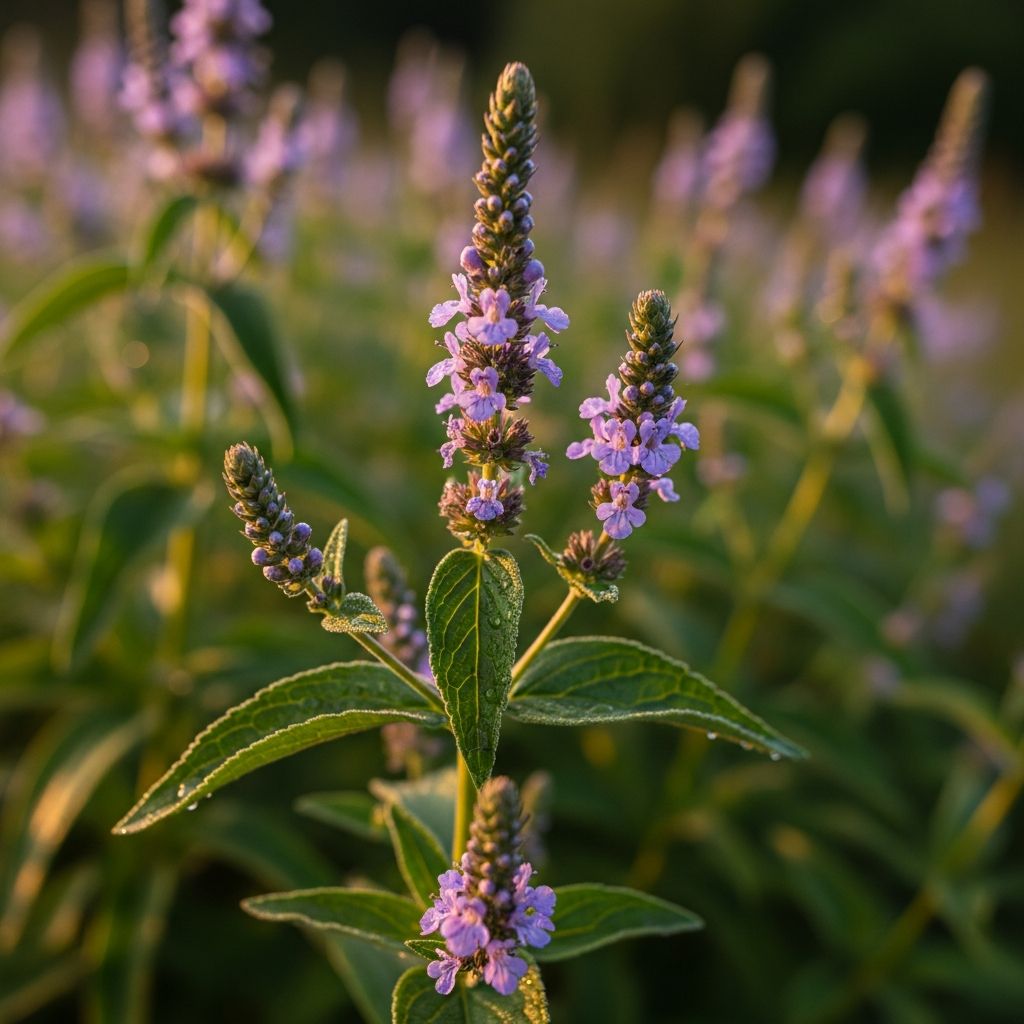
Vervain, also known as Verbena officinalis, is a perennial herb with a lengthy history of medicinal use across various cultures and traditional medicine systems. This lesser-known herbal remedy has been employed for centuries to address multiple health concerns, from nervous system support to digestive issues. The plant contains numerous beneficial compounds, including glycosides, triterpenoids, essential oils, flavonoids, and tannins—all of which contribute to its diverse therapeutic properties. Despite its long-standing traditional use, vervain has only recently begun receiving significant scientific attention, with modern research validating many of its historical applications and uncovering new potential health benefits.
Key Compounds in Vervain
Vervain’s therapeutic potential stems from its rich chemical composition. The herb contains several bioactive compounds that work synergistically to produce health benefits. Verbenalin, also known as cornin, is one of the most significant compounds and has been extensively studied for its neuroprotective and cardioprotective effects. Flavonoids and tannins present in vervain contribute to its anti-anxiety and sedative properties. Additionally, the plant’s glycosides and essential oils have been shown in test-tube and animal studies to possess antitumor, antimicrobial, and anti-inflammatory activities. Understanding these compounds helps explain why vervain has been valued in traditional herbal medicine and why modern researchers continue to investigate its potential applications.
Anxiety and Stress Relief
One of vervain’s most significant benefits is its potential to reduce anxiety and promote relaxation. Researchers have linked vervain’s anxiety-reducing properties to its content of flavonoids and tannins, both of which are known to possess anti-anxiety and sedative properties. This scientific backing supports centuries of traditional use, where the herb was employed to promote calmness and emotional well-being. Animal studies have demonstrated that vervain extract may help manage stress-related conditions, though more human clinical trials are needed to fully establish optimal dosages and treatment protocols. For individuals seeking natural alternatives to support relaxation and nervous system function, vervain represents a promising option backed by both traditional wisdom and emerging scientific evidence.
Neurological Protection and Brain Health
Vervain extract shows remarkable potential for protecting and supporting brain function, particularly in conditions involving reduced blood flow or cellular damage. Studies in rats demonstrate that vervain’s glycoside verbenalin—also known as cornin—may significantly improve brain damage after a stroke. The compound works by promoting the development of new blood vessels in the brain, which supply it with oxygen, and improves mitochondrial function. Mitochondria are cellular structures responsible for energy production, and they require adequate oxygen to function properly. Without sufficient oxygen, energy production decreases, leading to issues in regular cellular activity and potentially contributing to nervous system diseases.
Beyond stroke recovery, vervain has been investigated for its potential effects on cognitive function. One study published in the Journal of Neuropharmacology found vervain extract to possess novel neuroprotective effects by supporting the normal function of neurons. The herb’s traditional use as a nervous system tonic, combined with emerging research on its antioxidant and mild calming properties, suggests it may benefit overall brain health and cognitive performance. These findings position vervain as a potentially valuable botanical for those concerned with maintaining neurological health and supporting recovery from brain-related injuries.
Seizure and Convulsion Management
Research suggests that vervain may help manage convulsions or seizures in individuals with neurological diseases such as epilepsy. Studies in rats have concluded that vervain extract may help prolong the onset time and shorten the duration of seizures. This benefit is primarily attributed to verbenin, an essential component in vervain. Notably, verbenin was even favored over bromide, a compound traditionally used in epilepsy treatment. While these findings are promising, particularly given that animal studies suggest efficacy comparable to or exceeding conventional treatments, human clinical trials are still limited. Individuals with epilepsy or seizure disorders should consult healthcare professionals before adding vervain to their treatment regimen, as it may interact with existing medications.
Related Stories



Anti-Inflammatory and Gum Health Support
Inflammation underlies many chronic and acute health conditions, making anti-inflammatory therapies particularly valuable. Vervain possesses notable anti-inflammatory properties that work both internally and topically. The topical application of vervain extract appears to have an anti-inflammatory effect on swelling caused by fluid retention. Beyond general inflammation reduction, one of vervain’s most well-documented benefits relates to oral health.
A significant clinical study involving 260 people demonstrated that a vervain decoction (herbal infusion) may benefit the management of chronic gingivitis or gum inflammation. In another double-blind, randomized, controlled multicenter clinical trial involving over 200 people, vervain extract supported better gum health when used short-term. Participants in the test group rinsed their mouths with vervain mouthwash in addition to regular brushing and flossing. Results showed that the vervain test group decreased their scores on both the Gingival Index (GI) and Plaque Index (PI)—lower scores indicate healthier gums. Researchers attributed these improvements to vervain’s bacterial balancing properties and antioxidant support, which may positively impact the oral microbiome. The anti-inflammatory benefits observed suggest that vervain could be particularly beneficial for those managing chronic gum disease or seeking to maintain optimal oral health naturally.
Heart Health and Cardiovascular Support
Emerging research indicates that vervain may offer cardioprotective benefits. A 2016 study isolated cornin (verbenalin), a naturally occurring plant glycoside found in vervain, to examine its possible protective effects against myocardial ischemia—a condition characterized by reduced blood flow to the heart due to partial or complete blockage of the heart’s arteries. Animal studies have shown that treatment with verbenalin reduced heart tissue death and damage from inadequate blood supply. These findings suggest that vervain’s active compounds may help protect heart tissue during periods of reduced oxygen availability, potentially reducing the severity of cardiac events. While these results are encouraging, human clinical trials are necessary to determine whether vervain can provide similar protective effects in people and to establish appropriate dosing guidelines for cardiovascular support.
Potential Antitumor Effects
Test-tube and animal studies suggest that vervain’s glycosides, triterpenoids, and essential oils may help inhibit tumor growth and induce the death of cancerous cells. In a mouse study, high doses of vervain extract at 18 grams per pound (40 grams per kilogram) of body weight inhibited tumor growth by more than 30% compared with controls. Additionally, lab studies have examined the antioxidant effects of vervain’s flavonoids on colorectal cancer. While these preliminary findings are intriguing and suggest potential applications in cancer prevention or treatment, the evidence remains in very early stages. Substantially more rigorous investigation is required before vervain could be recommended as a treatment for cancer. Individuals with cancer should continue following their oncologist’s recommended treatment protocols and discuss any complementary herbal approaches with their healthcare team.
Digestive Support
Traditionally, herbalists have used vervain to improve digestion, taking advantage of its bitter taste to stimulate digestive function. The herb has been suggested for various digestive problems, including indigestion, bloating, and appetite loss. One animal study concluded that vervain root extract significantly delayed the volume and frequency of diarrhea compared with a control, suggesting antidiarrheal activity. While these traditional uses have substantial historical backing, modern scientific evidence remains limited. Vervain may support healthy digestive function through its bitter compounds, which traditionally trigger digestive secretions. However, individuals with active digestive conditions should consult healthcare professionals before using vervain to ensure it complements rather than interferes with existing treatments.
Antioxidant and Liver Support
Vervain contains various types of antioxidants, such as flavonoids, which support cell health by curbing the effects of free radicals. Free radicals are unstable molecules that can cause cell damage if left unchecked. As a source of flavonoids and other antioxidants, vervain provides antioxidant support that may benefit inflammatory response, cell function, normal aging, and more. Traditionally, vervain has also been suggested for liver and gallbladder support, though scientific evidence specifically validating these uses remains preliminary. The herb’s antioxidant properties could theoretically support liver health through reduced oxidative stress, but more targeted research is needed to confirm these applications and determine optimal use protocols.
Women’s Health and Reproductive Function
Vervain has been traditionally used to address various reproductive and women’s health concerns. Historically, the herb was employed to stimulate breast milk flow in nursing mothers, to alleviate insomnia, and to ease menstrual pain. Beyond these traditional applications, vervain has been suggested for broader menstrual health support and reproductive function. However, there remains limited meaningful scientific evidence to comprehensively support these specific uses. Pregnant women and nursing mothers should exercise particular caution with vervain, as its safety profile during these critical periods has not been thoroughly established. Women interested in using vervain for reproductive or menstrual health should consult with healthcare providers familiar with herbal medicine to ensure safe and appropriate use.
Antimicrobial Properties
Test-tube studies have revealed vervain’s power to fight infections, demonstrating antimicrobial and antibacterial activity. These properties support vervain’s traditional use in addressing various infections and suggest potential applications for supporting immune function. The antimicrobial effects likely contribute to vervain’s benefits for oral health and may extend to broader applications in supporting the body’s natural defenses against pathogenic organisms. However, human clinical studies specifically evaluating vervain’s antimicrobial efficacy remain limited, and more rigorous investigation is necessary before making definitive claims about its effectiveness as a primary antimicrobial agent.
How to Use Vervain
Vervain can be consumed and applied in several forms, each offering different advantages. The herb is commonly consumed as tea, prepared by steeping dried vervain in hot water. It is also available as a tincture—a concentrated herbal extract—in powder form for convenient dosing, and as a topical cream for localized applications. For oral health specifically, vervain mouthwash and decoctions have been used in clinical studies demonstrating gum health benefits. The appropriate form and dosage depend on the intended use and individual health circumstances. Standard recommendations suggest consulting with qualified herbalists or healthcare providers to determine the most suitable preparation and dosage for your specific needs.
Safety Considerations and Side Effects
While vervain is generally considered a relatively safe and well-tolerated herb, its complete safety profile has not been thoroughly established, particularly concerning its use during pregnancy, in nursing mothers, and in children. Pregnant women should avoid vervain due to insufficient safety data, and nursing mothers should seek professional guidance before use. The herb may interact with certain medications, and individuals taking prescription drugs should discuss vervain use with their healthcare providers. Additionally, some people may experience sensitivity or allergic reactions to vervain. Those considering vervain for therapeutic purposes should approach it with appropriate caution and consult healthcare professionals for personalized advice tailored to their individual health circumstances and medical history.
Frequently Asked Questions
Q: What is the main active compound in vervain?
A: Verbenalin, also known as cornin, is one of vervain’s most significant active compounds. The herb also contains glycosides, triterpenoids, essential oils, flavonoids, and tannins, all of which contribute to its therapeutic benefits.
Q: Can vervain help with anxiety?
A: Yes, research suggests vervain may help reduce anxiety. The herb’s flavonoids and tannins possess anti-anxiety and sedative properties, supporting its traditional use for promoting calmness and relaxation.
Q: Is vervain safe for pregnant women?
A: Vervain’s safety profile during pregnancy has not been thoroughly established, and pregnant women should avoid it. Those planning pregnancy or nursing should consult healthcare professionals before use.
Q: What forms of vervain are available?
A: Vervain can be consumed as tea, tincture, powder, or applied topically as a cream. For oral health, vervain mouthwash and decoctions are also available.
Q: Does vervain have clinical evidence supporting its benefits?
A: Vervain has scientific backing for several uses, including gum health support and anti-anxiety effects. However, many traditional applications require more rigorous human clinical trials to establish full efficacy.
Q: Can vervain interact with medications?
A: Vervain may interact with certain medications. Individuals taking prescription drugs should discuss vervain use with their healthcare providers before beginning supplementation.
References
- Vervain (Verbena): Benefits, Uses, and Side Effects — Healthline. Accessed January 13, 2026. https://www.healthline.com/nutrition/vervain-verbena
- Vervain’s Therapeutic Uses — EBSCO Research Starters. Accessed January 13, 2026. https://www.ebsco.com/research-starters/complementary-and-alternative-medicine/vervains-therapeutic-uses
- Vervain: 5 Health Benefits of a Mystical Herbal Remedy — Dr. Axe. Accessed January 13, 2026. https://draxe.com/nutrition/vervain/
- How to Use Vervain to Support Sleep, Digestion, Relaxation, & More — Gaia Herbs. Accessed January 13, 2026. https://www.gaiaherbs.com/blogs/seeds-of-knowledge/vervain-benefits
Similar Articles








Read full bio of medha deb