Vesicovaginal Fistula: Causes, Symptoms & Treatment
Understanding vesicovaginal fistula: causes, symptoms, diagnosis, and surgical treatment options.
What Is a Vesicovaginal Fistula?
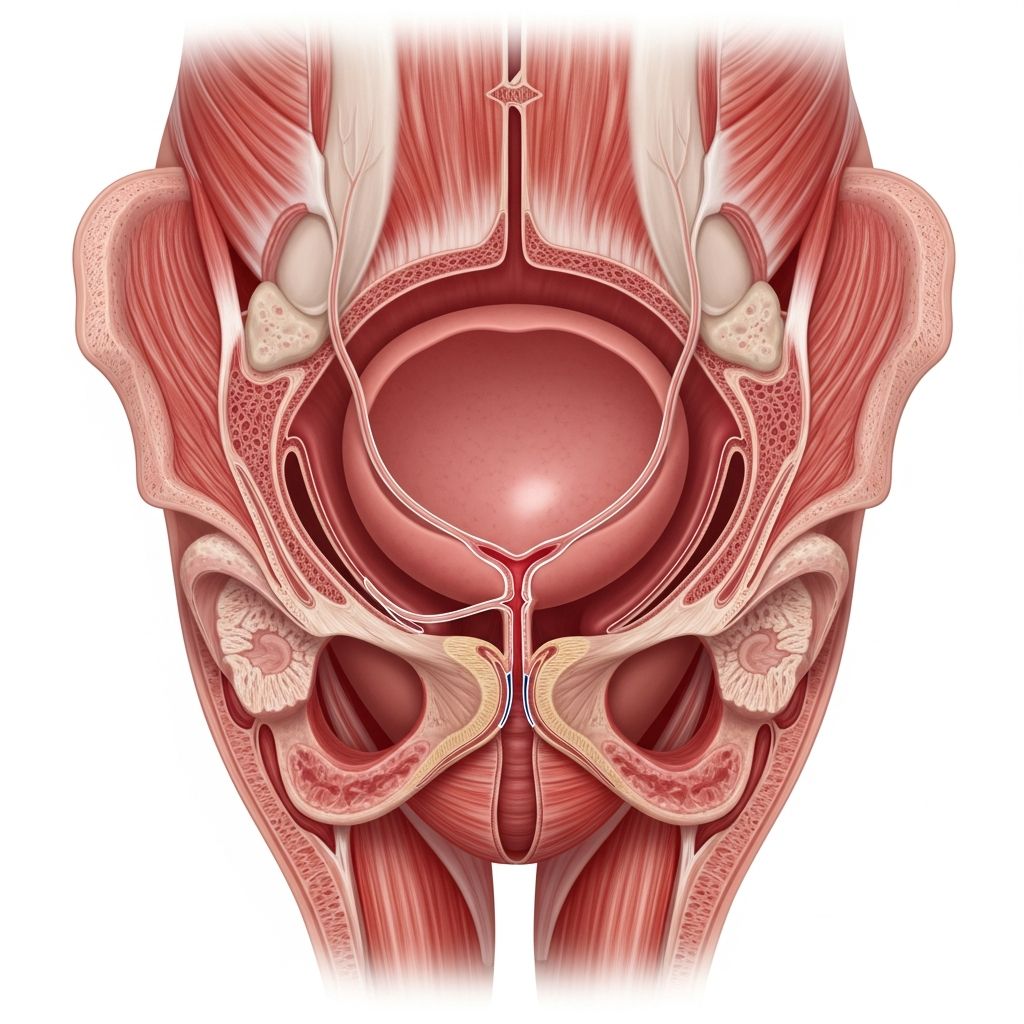
A vesicovaginal fistula (VVF) is an abnormal opening that forms between the bladder and the wall of the vagina. This condition allows urine to leak from the bladder into the vagina, bypassing the urethra. While VVF is a physical health issue, it can also cause significant emotional distress due to its impact on daily life and personal relationships.
Causes of Vesicovaginal Fistula
Vesicovaginal fistulas most commonly develop as a result of:
- Pelvic surgery: Especially gynecologic procedures such as hysterectomy or radical surgery for gynecologic malignancies.
- Complications during childbirth: Prolonged or obstructed labor can lead to tissue damage and fistula formation.
- Radiation therapy: Treatment for pelvic cancers can damage tissues and increase the risk of fistula.
- Infections or trauma: Rarely, severe infections or pelvic trauma can result in VVF.
Symptoms of Vesicovaginal Fistula
The primary symptom of a vesicovaginal fistula is continuous leakage of urine from the vagina. Other symptoms may include:
- Constant wetness in the vaginal area
- Frequent urinary tract infections
- Odor or irritation due to urine exposure
- Emotional distress or embarrassment
Diagnosis of Vesicovaginal Fistula
Diagnosing a vesicovaginal fistula involves several steps:
- Medical history and physical exam: Your healthcare provider will ask about your symptoms and medical history, and perform a pelvic exam.
- Exclusion of ureteral leaks: It’s important to confirm that the leak is not coming from a ureter (the tube from the kidney to the bladder), as this requires a different treatment approach.
- Diagnostic tests: These may include:
- Cystoscopy (looking inside the bladder)
- Dye tests (using methylene blue to identify the fistula)
- Imaging studies (such as CT or MRI)
Treatment Options for Vesicovaginal Fistula
The main treatment for a vesicovaginal fistula is surgery to close the abnormal opening. However, some small, very new fistulas may close with conservative management.
Conservative Management
For small, recent fistulas, continuous bladder drainage using a Foley catheter for several weeks may allow the fistula to heal on its own. This approach is not effective for larger or chronic fistulas.
Surgical Repair
Surgery is the primary treatment for most vesicovaginal fistulas. The surgical approach depends on the size, location, and complexity of the fistula, as well as the patient’s overall health and previous surgeries.
Vaginal Approach
The vaginal approach is often preferred because it is less invasive and has a high success rate. Techniques include:
- Latzko procedure: A modification that involves closing the fistula and reinforcing the tissue.
- Layered closure: Closing the fistula in layers, sometimes with a Martius flap (a tissue graft from the labia majora).
Abdominal Approach
The abdominal approach may be necessary for complex or recurrent fistulas. Techniques include:
- Bivalve technique: Involves opening the bladder and closing the fistula from inside.
- Fistula excision: Removing the fistula and closing the defect.
Transvesical Approach
In select cases, a transvesical approach (directly through the bladder) may be used, especially with robotic assistance. This approach is rare but can be beneficial for patients with complex anatomy or previous failed surgeries.
Related Stories



Success Rates and Complications
The success rate for surgical repair of vesicovaginal fistula varies depending on the approach and patient factors:
| Approach | Success Rate |
|---|---|
| Vaginal | 85% – 95% |
| Abdominal | 85% – 95% |
| Transvesical (robotic) | Varies (case-specific) |
Complications can include infection, bleeding, recurrence of the fistula, and damage to surrounding organs.
Recovery After Vesicovaginal Fistula Surgery
Recovery from vesicovaginal fistula surgery typically takes six to eight weeks. During this time, patients are advised to:
- Keep the surgical site clean and dry
- Avoid strenuous activities
- Follow specific instructions from their healthcare provider
- Attend follow-up visits to monitor healing
Post-Surgical Care
After surgery, a Foley catheter is usually left in place for two to three weeks to ensure proper healing. Patients should report any worsening symptoms or new symptoms to their healthcare provider.
Frequently Asked Questions (FAQs)
Q: Can a vesicovaginal fistula heal on its own?
A: Small, very new fistulas may close with continuous bladder drainage, but most require surgical repair.
Q: How long does it take to recover from VVF surgery?
A: Recovery typically takes six to eight weeks, but this can vary depending on the individual and the complexity of the surgery.
Q: What are the risks of VVF surgery?
A: Risks include infection, bleeding, recurrence of the fistula, and damage to surrounding organs.
Q: Is the vaginal approach better than the abdominal approach?
A: The vaginal approach is often preferred because it is less invasive and has a high success rate, but the best approach depends on the individual case.
Q: Can VVF recur after surgery?
A: Yes, recurrence is possible, especially in complex or radiated cases. Some patients may need a second surgery.
References
- Vesicovaginal Fistula: Symptoms, Causes & Treatment — Cleveland Clinic. 2023. https://my.clevelandclinic.org/health/diseases/16442-vesicovaginal-fistula
- Guidelines of how to manage vesicovaginal fistula — PubMed. 2003. https://pubmed.ncbi.nlm.nih.gov/14693342/
- When to Consider a Transvesical Approach for Vesicovaginal Fistula Repair — Cleveland Clinic. 2023. https://consultqd.clevelandclinic.org/when-to-consider-a-transvesical-approach-for-vesicovaginal-fistula-repair
Similar Articles








Read full bio of Sneha Tete