Vestibular Migraine: Symptoms, Causes, and Treatment
Understanding vestibular migraine: symptoms, causes, and effective management strategies.
What Is Vestibular Migraine?
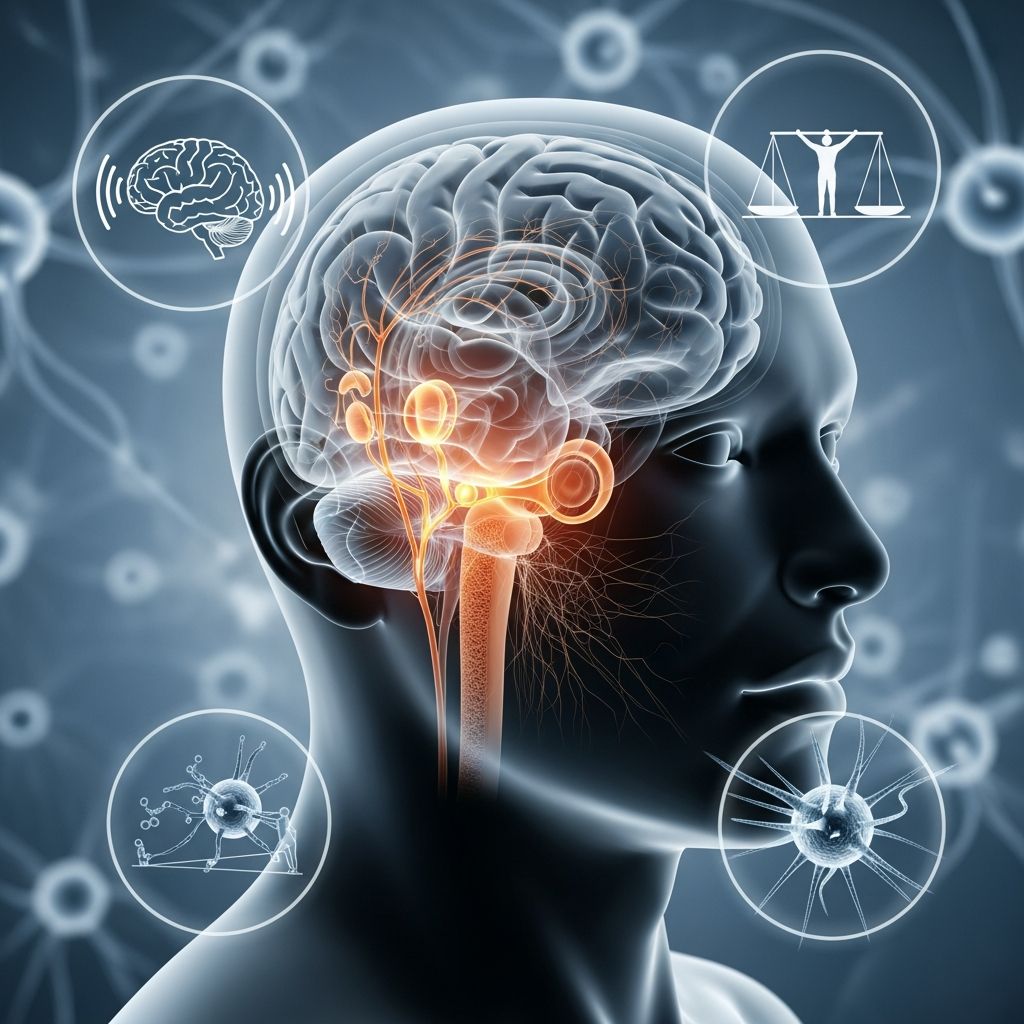
Vestibular migraine is a neurological disorder characterized by recurrent episodes of vertigo, dizziness, and imbalance, often accompanied by migraine headaches. It is one of the most common causes of vertigo and can significantly impact daily life. Unlike typical migraines, vestibular migraine primarily affects the vestibular system, which controls balance and spatial orientation.
Symptoms of Vestibular Migraine
The hallmark symptom of vestibular migraine is vertigo, which is a sensation of spinning or movement when there is none. Other symptoms may include:
- Dizziness or imbalance
- Nausea and vomiting
- Sensitivity to light and sound
- Headache (not always present)
- Visual disturbances (blurred vision, flashing lights)
- Difficulty concentrating
- Neck pain
- Ear fullness or ringing (tinnitus)
Symptoms can last from minutes to hours, and in some cases, days. The severity and frequency of episodes vary among individuals.
Causes and Triggers
The exact cause of vestibular migraine is not fully understood, but it is believed to involve abnormal activity in the brain pathways that control balance and pain. Factors that may trigger vestibular migraine include:
- Stress
- Lack of sleep
- Dehydration
- Weather changes or changes in barometric pressure
- Menstruation
- Certain foods and drinks (e.g., caffeine, alcohol, aged cheeses)
- Strong odors
- Physical exertion
Identifying and avoiding triggers is an important part of managing vestibular migraine.
Diagnosis of Vestibular Migraine
Diagnosing vestibular migraine can be challenging because its symptoms overlap with other conditions, such as Meniere’s disease, benign paroxysmal positional vertigo (BPPV), and vestibular neuritis. A healthcare provider will typically:
- Take a detailed medical history
- Perform a physical examination
- Order tests to rule out other causes of vertigo (e.g., hearing tests, imaging studies)
There are no specific diagnostic tests for vestibular migraine, so diagnosis is based on clinical criteria and the exclusion of other conditions.
Treatment Options for Vestibular Migraine
There is no cure for vestibular migraine, but various treatments can help manage symptoms and reduce the frequency of attacks. Treatment strategies include:
Lifestyle and Behavioral Modifications
Many cases of vestibular migraine can be managed with lifestyle changes and trigger avoidance. Recommendations include:
- Getting adequate sleep
- Staying hydrated
- Reducing stress through relaxation techniques
- Avoiding known triggers (e.g., certain foods, strong odors)
- Regular exercise
Medications
Medications are often used to treat acute attacks and prevent future episodes. Commonly prescribed medications include:
- Anti-nausea drugs (e.g., prochlorperazine, ondansetron)
- Antihistamines (e.g., meclizine)
- Sedatives (e.g., diazepam)
- Non-steroidal anti-inflammatory drugs (NSAIDs) (e.g., ibuprofen, naproxen)
- Triptans (e.g., sumatriptan, almotriptan)
- Preventive medications (e.g., propranolol, amitriptyline, topiramate, flunarizine)
It is important to take medications as prescribed and to consult a healthcare provider before starting any new treatment.
Related Stories



Vestibular Rehabilitation Therapy
Vestibular rehabilitation therapy (VRT) is a specialized form of physical therapy that helps improve balance and reduce dizziness. VRT exercises are tailored to the individual and may include:
- Balance training
- Eye movement exercises
- Head movement exercises
VRT can be beneficial for all patients with vestibular migraine, especially those with persistent balance problems.
Other Therapies
In some cases, additional therapies may be recommended, such as:
- Cognitive behavioral therapy (CBT) to manage stress and anxiety
- Neuromodulation devices (e.g., vagus nerve stimulator, external trigeminal nerve stimulator)
- Greater occipital nerve blocks
Prevention of Vestibular Migraine
Preventing vestibular migraine attacks involves a combination of lifestyle changes, trigger avoidance, and medication. Strategies include:
- Identifying and avoiding triggers
- Maintaining a regular sleep schedule
- Staying hydrated
- Managing stress
- Taking preventive medications as prescribed
Regular follow-up with a healthcare provider is important to monitor progress and adjust treatment as needed.
Living with Vestibular Migraine
Living with vestibular migraine can be challenging, but with the right management strategies, many people are able to improve their quality of life. Tips for living with vestibular migraine include:
- Keeping a symptom diary to track triggers and patterns
- Seeking support from family, friends, or support groups
- Staying informed about new treatments and research
- Practicing relaxation techniques (e.g., deep breathing, meditation)
Frequently Asked Questions (FAQs)
What is the difference between vestibular migraine and other types of migraine?
Vestibular migraine is distinguished by episodes of vertigo and dizziness, which may occur with or without a headache. Other types of migraine primarily involve headache pain.
Can vestibular migraine be cured?
There is no cure for vestibular migraine, but symptoms can be managed with lifestyle changes, medications, and therapy.
How long do vestibular migraine attacks last?
Attacks can last from minutes to hours, and in some cases, days. The duration varies among individuals.
When should I see a doctor for vestibular migraine?
You should see a doctor if you experience recurring vertigo or dizziness, especially if it affects your daily life or is accompanied by other symptoms such as headache, nausea, or sensitivity to light and sound.
Are there any dietary recommendations for vestibular migraine?
It is recommended to avoid known triggers such as caffeine, alcohol, and aged cheeses. Staying hydrated and eating a balanced diet can also help.
References
References
- The Treatment of Vestibular Migraine: A Narrative Review — PMC. 2021. https://pmc.ncbi.nlm.nih.gov/articles/PMC7887465/
- Vestibular Migraine — Migraine Trust. https://migrainetrust.org/understand-migraine/types-of-migraine/vestibular/
- Understanding Vestibular Migraines — ENT Health. https://www.enthealth.org/be_ent_smart/understanding-vestibular-migraines/
- What to Know About Vestibular Migraine — American Migraine Foundation. https://americanmigrainefoundation.org/resource-library/vestibular-migraine/
- Vestibular (Dizzy) Migraine — Spencer Fox Eccles School of Medicine. https://medicine.utah.edu/neurology/education/dizzy-school/vestibular-migraine
- Vestibular Migraines: Symptoms, Causes & Treatment — Cleveland Clinic. https://my.clevelandclinic.org/health/diseases/25217-vestibular-migraine
- Vestibular Migraine — The Royal Victorian Eye and Ear Hospital. https://eyeandear.org.au/patients-visitors/fact-sheets/vestibular-migraine/
- Vestibular Migraine — National Headache Foundation. https://headaches.org/resources/vestibular-migraine/
Similar Articles








Read full bio of Sneha Tete