Vestibular Neuritis And Labyrinthitis: Causes, Symptoms, Care
Comprehensive guide to vestibular neuritis and labyrinthitis: symptoms, causes, diagnosis, and effective treatment strategies for recovery.
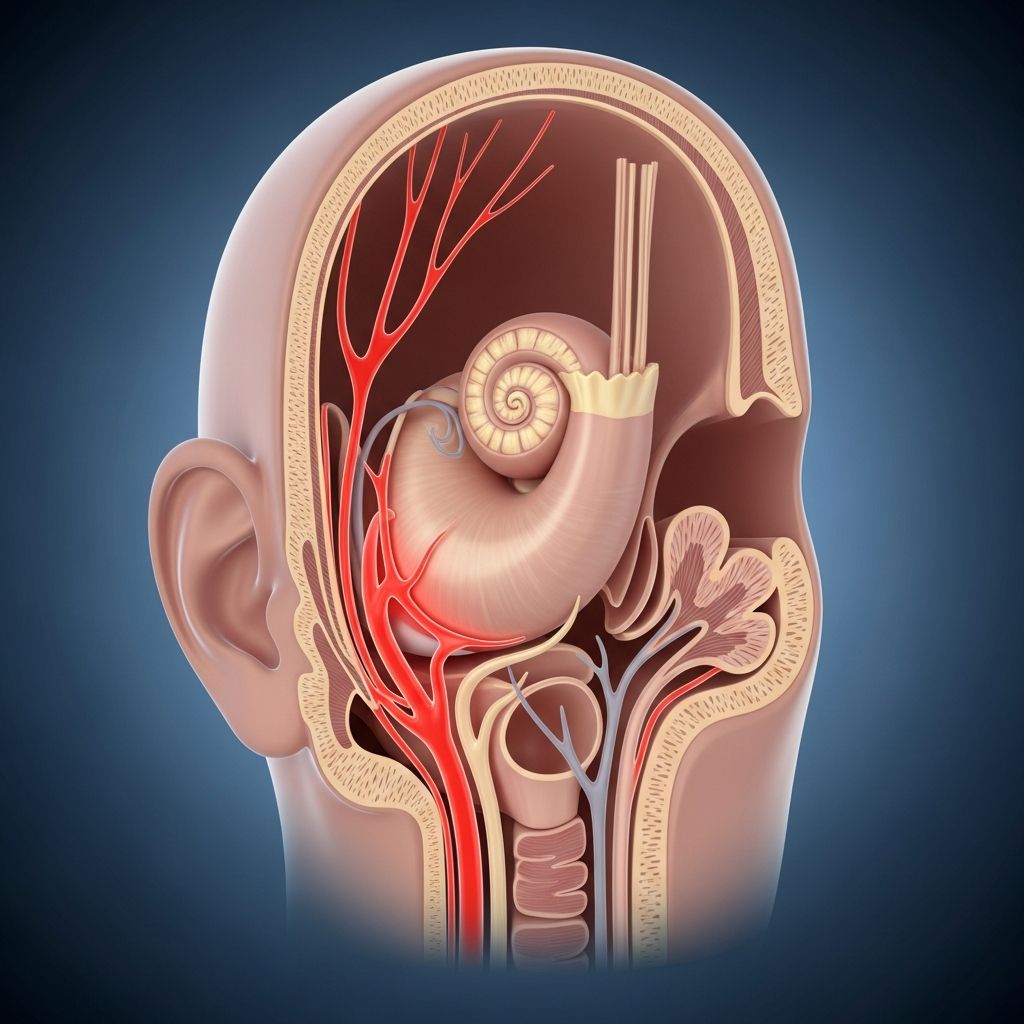
Vestibular neuritis and labyrinthitis are inflammatory conditions affecting the inner ear or its connecting nerve, leading to sudden vertigo, dizziness, and balance problems. These disorders often stem from viral infections and require prompt management to aid recovery.
What are vestibular neuritis and labyrinthitis?
Vestibular neuritis involves inflammation of the vestibular nerve, which transmits balance signals from the inner ear to the brain. This results in acute unilateral vestibular loss, causing intense vertigo without hearing impairment.
Labyrinthitis is inflammation of the labyrinth, encompassing both balance (vestibular) and hearing (cochlear) components of the inner ear. It typically presents with vertigo alongside sensorineural hearing loss or tinnitus.
Both conditions disrupt the brain’s integration of balance signals from the ears, leading to mismatched inputs and symptoms like spinning sensations. The inner ear’s labyrinth includes semicircular canals for detecting rotational movement, utricle and saccule for linear acceleration, and the cochlea for sound processing.
Symptoms
Symptoms of both conditions onset acutely, often over hours, with severe vertigo lasting days followed by prolonged imbalance.
- Common to both: Vertigo (spinning sensation), nausea, vomiting, dizziness, loss of balance, lightheadedness, motion sensitivity, blurred vision, difficulty concentrating.
- Vestibular neuritis specific: Spontaneous nystagmus (involuntary eye movements) >24 hours, no hearing changes.
- Labyrinthitis specific: Hearing loss (often profound and irreversible), tinnitus, possible otorrhea if bacterial.
Initial episodes can be debilitating, confining patients to bed, with symptoms worsening on head movement. Recovery varies; vestibular neuritis often improves over weeks to months via central compensation.
Causes
Most cases (90-95%) are viral, following upper respiratory infections like influenza, herpes simplex, or varicella-zoster. Bacterial labyrinthitis arises from middle ear infections (otitis media), cholesteatoma, or meningitis spreading to the inner ear.
Other causes include autoimmune diseases, syphilis, inner ear malformations, or idiopathic inflammation. Recent viral illness precedes 50-70% of cases.
| Condition | Primary Causes | Affected Structures |
|---|---|---|
| Vestibular Neuritis | Viral (HSV, VZV), idiopathic | Vestibular nerve |
| Labyrinthitis | Viral, bacterial (otitis media complication) | Labyrinth (cochlea + vestibular organs) |
Diagnosis
Diagnosis relies on history and exam; vertigo with nystagmus and no central signs supports peripheral cause.
- Key tests: Head-thrust test (positive in vestibular loss), Dix-Hallpike (to exclude BPPV), audiometry (hearing loss in labyrinthitis), vestibular function tests (calorics, VNG).
- Imaging: MRI/CT to rule out stroke, tumor, or stroke mimics if atypical (e.g., headache, focal neurology).
Differentiate from BPPV (positional vertigo), Meniere’s (recurrent with hearing fluctuation), or central vertigo (persistent nystagmus, ataxia).
Treatment
Treatment is symptomatic with vestibular rehabilitation as cornerstone; acute suppression aids comfort but not recovery.
- Corticosteroids: Oral (e.g., prednisone 50mg taper over 10 days) or intratympanic for inflammation reduction, especially early (<3 days). Improves recovery in vestibular neuritis.
- Vestibular suppressants: Short-term (3 days max) betahistine, meclizine, or benzodiazepines for vertigo/nausea.
- Antiemetics: Ondansetron, prochlorperazine.
- Antivirals/Antibiotics: Acyclovir if herpes suspected; IV antibiotics for bacterial labyrinthitis.
Vestibular rehabilitation therapy (VRT) starts after acute phase: gaze stabilization, habituation exercises, balance training. Essential for compensation, reducing chronic dizziness.
Recovery and Complications
Related Stories



Acute vertigo resolves in 1-2 weeks; full balance recovery takes 3-6 months via neural plasticity. 30-50% have residual imbalance.
Complications: Chronic dizziness, anxiety, oscillopsia (visual instability), permanent hearing loss in labyrinthitis. Early rehab minimizes this.
When to Seek Urgent Care
- Sudden hearing loss: ENT referral within 24-48 hours.
- Persistent vertigo >24h, headache, slurred speech, weakness: Stroke rule-out (MRI urgent).
- Fever, otorrhea: Suspect bacterial infection.
Self-Help and Prevention
- Stay hydrated, rest in acute phase.
- Avoid sudden movements; use support for walking.
- Gradual exposure to movement via home exercises.
- Prevent via vaccination (influenza, varicella), treat ear infections promptly.
Frequently Asked Questions (FAQs)
Q: How long does vestibular neuritis last?
A: Acute vertigo lasts 1-3 days, imbalance weeks to months; most recover fully with rehab.
Q: Can labyrinthitis cause permanent hearing loss?
A: Yes, sensorineural loss is often irreversible in viral cases.
Q: Is vestibular neuritis contagious?
A: No, but preceding viral infections are.
Q: What exercises help recovery?
A: Brandt-Daroff, gaze stabilization (X1 Viewing), walking with head turns under physio guidance.
Q: Difference between labyrinthitis and vestibular neuritis?
A: Labyrinthitis affects hearing; neuritis spares it.
References
- Labyrinthitis and vestibular neuritis — BMJ Best Practice. 2023. https://bestpractice.bmj.com/topics/en-us/72
- Labyrinthitis and Vestibular Neuritis — Ohio State Wexner Medical Center. 2024-01-10. https://wexnermedical.osu.edu/ear-nose-throat/hearing-and-balance/labyrinthitis-and-vestibular-neuritis
- Vestibular Neuritis and Labyrinthitis — Children’s Hospital Colorado. 2023. https://www.childrenscolorado.org/conditions-and-advice/conditions-and-symptoms/conditions/labyrinthitis-neuritis/
- Labyrinthitis and vestibular neuritis — Better Health Channel (Victoria.gov.au). 2024. https://www.betterhealth.vic.gov.au/health/conditionsandtreatments/labyrinthitis-and-vestibular-neuritis
- Labyrinthitis and Vestibular Neuritis — Loyola Medicine. 2023. https://www.loyolamedicine.org/services/otolaryngology-ent/otolaryngology-conditions/labyrinthitis-vestibular-neuritis
- Labyrinthitis and Vestibular Neuritis — Vestibular Disorders Association. 2023. https://vestibular.org/article/diagnosis-treatment/types-of-vestibular-disorders/labyrinthitis-and-vestibular-neuritis/
Similar Articles








Read full bio of Sneha Tete