Vestibulodynia: Symptoms, Diagnosis, And Treatment Guide
Understanding vestibulodynia: causes, symptoms, diagnosis, and effective treatment strategies for this common cause of vulvar pain.
Authorised by: Australasian College of Dermatologists
Acknowledgement: The Vulval Pain Society of Australia and New Zealand
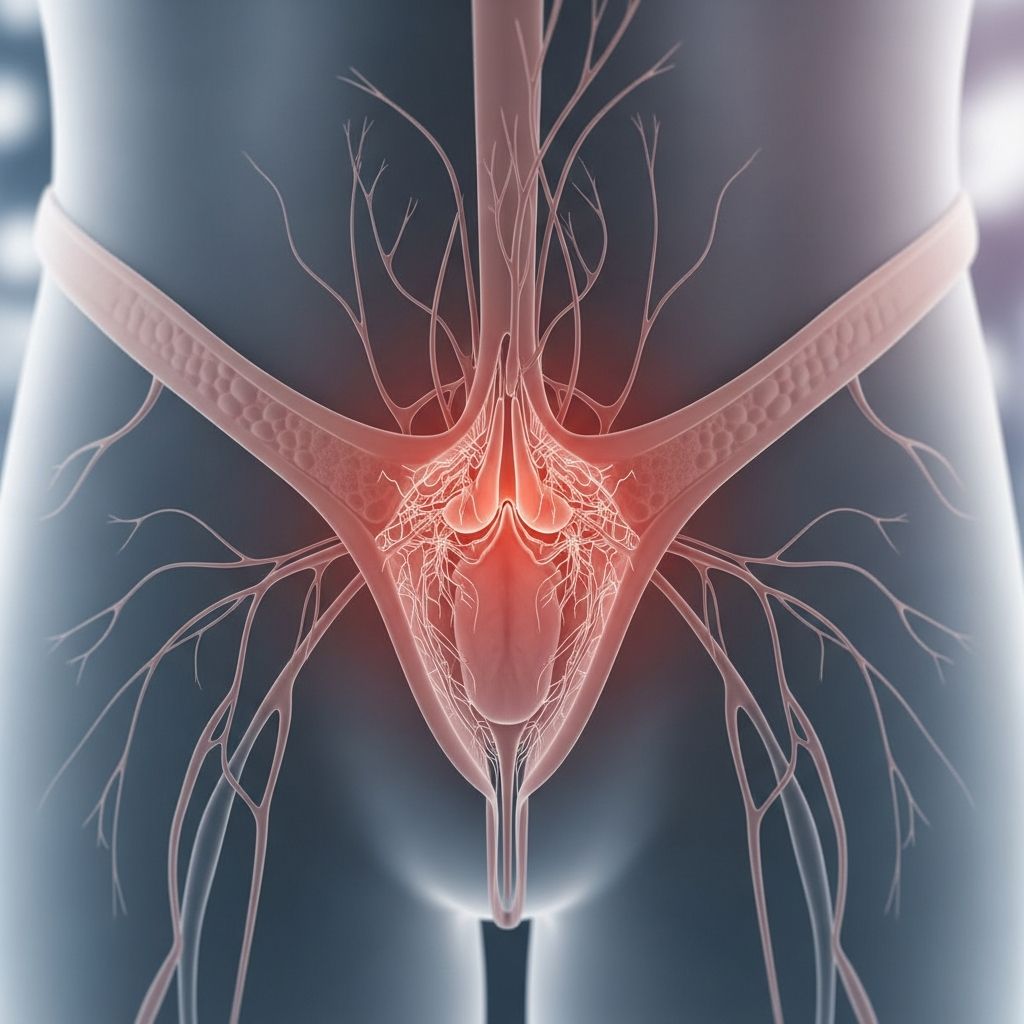
Vestibulodynia is a form of vulvodynia characterized by chronic pain localized to the vulval vestibule, the area between the labia minora at the entrance to the vagina. This condition affects approximately 8–15% of women at some point, often leading to dyspareunia (painful intercourse) and significant impacts on quality of life. Pain is typically provoked by pressure, such as during sexual activity, tampon insertion, or cycling, and may persist for months or years without visible abnormalities.
What is the vulval vestibule?
The vulval vestibule is the boat-shaped mucosal tissue surrounding the vaginal opening, bounded laterally by the labia minora inner surfaces and posteriorly by the posterior fourchette. It contains glands such as minor vestibular glands (homologous to male urethral glands) and Bartholin glands (homologous to male bulbourethral glands), which secrete mucus to lubricate the vagina. The vestibule has a rich nerve supply, making it highly sensitive to pain when irritated or inflamed.
- Key anatomical features include the urethral meatus anteriorly and hymenal remnants inferiorly.
- No hair-bearing skin or squamous epithelium like the perineum; instead, it features transitional mucosa prone to neuropathic pain.
Who gets vestibulodynia?
Vestibulodynia predominantly affects reproductive-age women, with prevalence estimates of 1 in 6 to 1 in 10. It is classified into primary (pain since first provoked touch, e.g., tampon use) and secondary (pain developing later after pain-free intercourse). Risk factors include hormonal contraceptive use, pelvic floor hypertonicity, recurrent infections (e.g., yeast, HPV), and genetic predispositions to inflammation.
- Primary vestibulodynia: Innate nerve proliferation from birth, unresponsive to initial conservative therapies.
- Secondary vestibulodynia: Triggered by trauma, infections, or allergies leading to mast cell activation and nerve growth factor release.
What causes vestibulodynia?
The exact etiology is multifactorial, involving neuropathic, muscular, hormonal, and inflammatory components. No single cause is identified in most cases, but common contributors include:
- Neuropathic proliferation: Increased density of pain-sensing nerve endings (C-fibers) in vestibular mucosa, often due to mast cell release of nerve growth factor post-trauma or infection.
- Pelvic floor dysfunction: Hypertonic pelvic muscles reduce blood flow, causing secondary vestibular irritation and pain.
- Hormonal factors: Estrogen deficiency from contraceptives lowers tissue resilience.
- Inflammatory/genetic: Chronic low-grade inflammation or genetic polymorphisms impair healing.
Conditions to exclude: dermatoses (lichen sclerosus, planus), infections (herpes, candidiasis), and hormonal deficiencies.
What are the symptoms of vestibulodynia?
Symptoms are provoked by touch, without spontaneous pain:
- Severe burning, stinging, or sharp pain at vestibule entry points (1, 4, 5, 7, 11 o’clock positions).
- Dyspareunia, tampon intolerance, vulval wiping pain.
- Possible hypertonic pelvic floor symptoms: urinary urgency, bowel issues.
- Psychosexual impacts: anxiety, relationship strain.
Pain is localized via Q-tip test: calibrated pressure eliciting ≥3/10 pain.
How is vestibulodynia diagnosed?
Diagnosis is clinical, requiring:
- Detailed history: pain onset, triggers, prior intercourse/tampon experience.
- Physical exam: normal mucosa, positive Q-tip test at ≥2 vestibule sites.
- Cotton-tipped swab anesthetic challenge: pain relief post-lidocaine confirms neuropathic component.
- Rule out confounders: swabs for infection, biopsy if lesion suspected, pelvic floor assessment.
Related Stories



Classification into primary/secondary guides therapy.
What is the treatment of vestibulodynia?
Treatment is multimodal, tailored to subtype, with 70–90% improvement possible. Start conservatively; escalate if needed.
Conservative measures
- Avoid irritants: unscented products, loose cotton underwear, no vulval wiping.
- Lubricants for intercourse; pause penetrative sex initially.
Pelvic floor physical therapy
Essential for hypertonicity: manual therapy, biofeedback, dilators relax levator ani, improve blood flow. Effective in 60–80% of cases; combine with others.
Medications
| Category | Examples | Mechanism | Efficacy |
|---|---|---|---|
| Topical | Lidocaine 5% ointment, estrogen/testosterone cream | Numbs nerves, restores hormones | Symptom relief |
| Oral neuromodulators | Amitriptyline, gabapentin | Reduces nerve hypersensitivity | 50–70% response |
| Muscle relaxants | Cyclobenzaprine, Botox injections | Relaxes pelvic floor | Pain resolution in trials |
Surgery
Vestibulectomy (excision of affected vestibule) for refractory primary cases: 85–95% success. Performed after failed conservatives; includes perineoplasty if needed. Not first-line for secondary.
Which specialist treats vestibulodynia?
- Vulval dermatologists, gynecologists, sexual pain experts.
- Multidisciplinary: pelvic PT, psychologists, pain specialists.
What is the outcome for vestibulodynia?
Most achieve relief with combined therapies; primary responds best to surgery post-conservatives. Recurrence rare if triggers managed. Lifestyle integration key for long-term success.
Frequently asked questions
Is vestibulodynia the same as a yeast infection?
No. Yeast infections cause itch/discharge; vestibulodynia is touch-provoked pain without visible changes.
Can hormonal birth control cause it?
Yes, via estrogen drop; discontinuing often helps.
Does pelvic floor therapy cure it?
It addresses muscle component effectively, often combined with meds.
Is surgery risky?
Vestibulectomy is safe outpatient procedure with high success in select cases.
Can it affect pregnancy?
Pain may complicate exams/sex but doesn’t impact fertility.
References
- Vestibulodynia — San Diego Sexual Medicine. 2023. https://www.sdsm.info/female-issues/vestibulodynia
- Pain With Sex? It Could Be Vestibular Vulvodynia (Vestibulodynia) — The Origin Way. 2024. https://www.theoriginway.com/blog/vestibulodynia-treatment-painful-sex
- Vulvodynia and Vulvar Vestibulitis Treatments — Aetna Clinical Policy Bulletin. 2025-01-15. https://www.aetna.com/cpb/medical/data/700_799/0759.html
- Vestibulodynia: Causes, Symptoms & Treatment — Cleveland Clinic. 2024-06-12. https://my.clevelandclinic.org/health/diseases/23514-vestibulodynia
- Vestibulodynia — Baylor College of Medicine. 2023. https://www.bcm.edu/healthcare/specialties/obstetrics-and-gynecology/ob-gyn-conditions/vestibulodynia
- Evaluation and Treatment of Vulvodynia: State of the Science — National Library of Medicine (PMC). 2023-04-10. https://pmc.ncbi.nlm.nih.gov/articles/PMC10107324/
Similar Articles








Read full bio of Sneha Tete