Veterans And Parkinson’s Care: 5 Steps To Maximize VA Benefits
Discover essential VA resources, specialized centers, and support programs for U.S. veterans managing Parkinson's disease effectively.
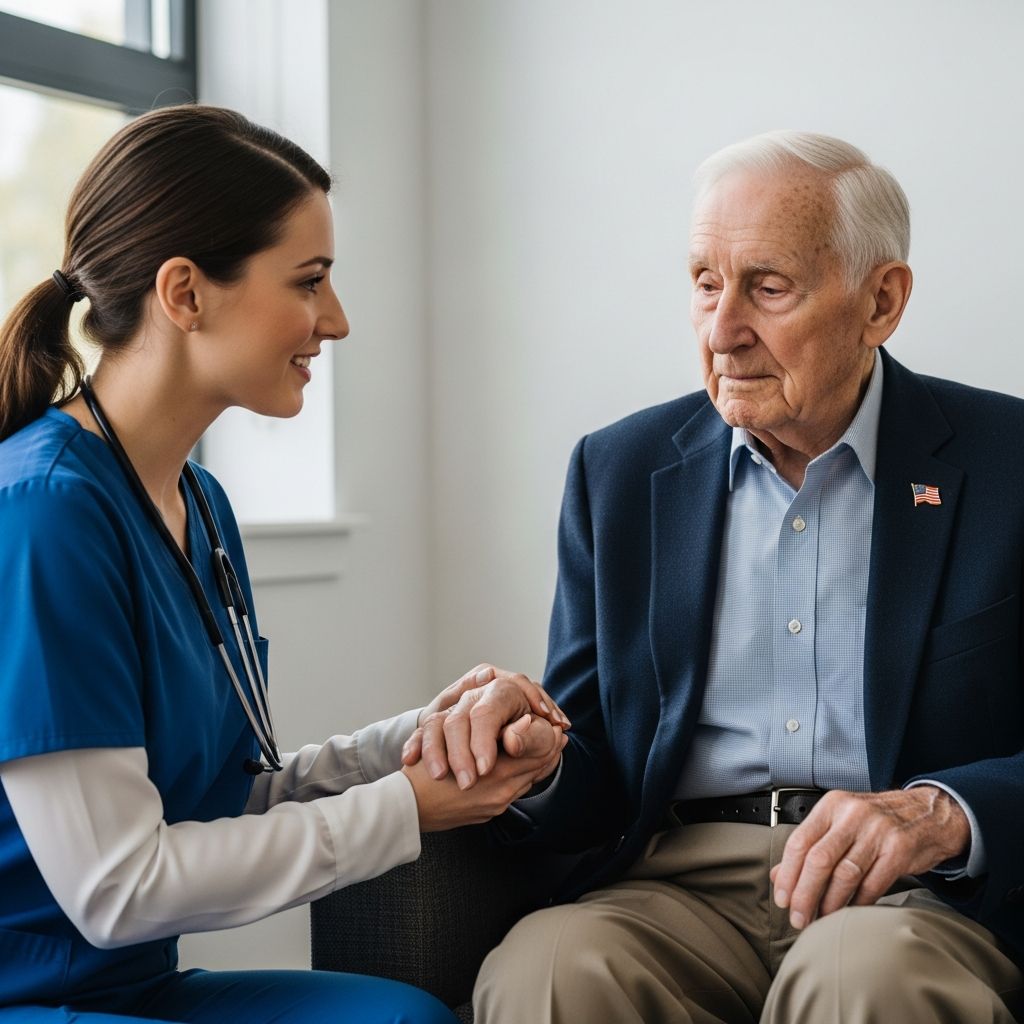
U.S. military veterans diagnosed with Parkinson’s disease have access to a robust network of specialized medical services, financial support, and caregiver resources through the Department of Veterans Affairs (VA). Approximately 110,000 veterans live with this progressive neurological condition, which the VA recognizes as presumptive for certain service-related exposures like Agent Orange and traumatic brain injuries. This article outlines key pathways to care, eligibility criteria, and practical strategies for navigating these benefits.
Understanding VA Eligibility Basics
Qualification for VA benefits hinges on honorable discharge from active duty service in branches such as the Army, Navy, Air Force, Marine Corps, or Coast Guard. Reservists and National Guard members may qualify based on active duty periods excluding training. Parkinson’s often links to service through environmental toxins or injuries, granting presumptive status that simplifies claims for disability compensation and health care enrollment.
Veterans should start by enrolling in VA health care via va.gov or by calling 877-222-8387. Priority groups determine copays, with service-connected disabilities like Parkinson’s placing many in lower or zero-copay tiers.
Specialized Parkinson’s Treatment Centers
The VA operates six Parkinson’s Disease Research, Education, and Clinical Centers (PADRECCs) in Philadelphia, Richmond, Houston, Los Angeles, San Francisco, and Portland/Seattle. These hubs deliver multidisciplinary care from neurologists, therapists, and researchers focused on movement disorders.
Over 50 affiliated Consortium Centers extend this expertise nationwide, ideal for veterans unable to travel. Staffed by movement disorder specialists, these sites collaborate with PADRECCs for consistent, high-quality treatment including telemedicine options. To connect, veterans request referrals from primary care providers via parkinsons.va.gov.
- Key PADRECC Services: Advanced diagnostics, medication management, physical/occupational/speech therapy, mental health support, and research trial access.
- Consortium Benefits: Local access to specialists, educational workshops, and coordinated care plans.
- Telehealth Expansion: Virtual visits for remote monitoring and adjustments.
Comprehensive Health Care Options
VA facilities provide inpatient and outpatient services covering surgery, orthopedics, radiology, pharmacy, and rehabilitation tailored to Parkinson’s symptoms like tremors, rigidity, and balance issues. Geriatric programs address complex needs in older veterans, while extended care offers long-term support at home, in communities, or VA centers.
Home-based primary care brings interdisciplinary teams to veterans’ doors, minimizing travel for those with mobility challenges. This integrates seamlessly with PADRECC oversight. Additional offerings include durable medical equipment (e.g., walkers, prosthetics) often not covered by other insurances.
| Service Type | Description | Eligibility Notes |
|---|---|---|
| Rehabilitation Therapy | PT, OT, speech for motor and swallowing issues | VA-enrolled with PD diagnosis |
| Mental Health | Counseling for depression, anxiety | All VA patients; integrated with PD care |
| Home Health | Bathing, grooming assistance | Based on functional needs |
| Hospice/Palliative | End-of-life planning, symptom relief | Advanced disease stages |
Financial Assistance Programs
Disability compensation provides tax-free monthly payments for service-connected Parkinson’s, with presumptive approval for Agent Orange, Camp Lejeune, or TBI exposures. Pensions support low-income veterans, enhanced by Aid and Attendance for those needing daily help or housebound status.
Apply online at va.gov, via mail, or with Veteran Service Organizations (VSOs) for free assistance. Average compensation varies by rating (e.g., 30-100% based on impairment).
Related Stories



Empowering Caregivers and Families
Caregivers access the VA Caregiver Support Line (1-855-260-3274) for immediate guidance and local coordinators at every VA center. The Program of Comprehensive Assistance for Family Caregivers (PCAFC) offers stipends, training, respite care, and health coverage for eligible partners of post-9/11 veterans; eligibility expanded recently.
- General support: Peer groups, skill-building classes, mental health resources.
- Respite services: Temporary relief to prevent burnout.
- Social engagement: Community programs and adult day health.
Caregivers play vital roles in hospital advocacy, ensuring timely medications—a common hospitalization pitfall for Parkinson’s patients. Pre-fill the Parkinson’s Foundation Medication Form and alert specialists pre-admission. Watch for depression signs like withdrawal or appetite changes.
Research and Educational Opportunities
PADRECCs lead clinical trials advancing Parkinson’s therapies, prioritizing veteran participation. Educational outreach includes webinars, symptom management classes, and family resources via parkinsons.va.gov. Partnerships with organizations like the Parkinson’s Foundation amplify tools and awareness.
Frequently Asked Questions
How do I find the nearest PADRECC or Consortium Center?
Visit parkinsons.va.gov, enter your location, and request a referral from your VA provider.
Am I eligible for caregiver stipends?
Check PCAFC at caregiver.va.gov; post-9/11 veterans with serious injuries often qualify for paid support.
What if Parkinson’s isn’t deemed service-connected?
Appeal with medical evidence or explore secondary connections; VSOs assist free.
Are there costs for VA Parkinson’s care?
Many services are free for service-connected ratings; others have minimal copays based on income.
How does the VA handle advanced Parkinson’s needs?
Palliative care, hospice, and home programs address symptoms, goals-of-care discussions.
Steps to Maximize Your Benefits
- Enroll in VA health care immediately.
- Secure a PADRECC referral for expert evaluation.
- File for disability compensation online.
- Connect caregivers to support programs.
- Prepare emergency plans with medication lists.
By leveraging these resources, veterans with Parkinson’s can achieve better symptom control, independence, and quality of life. Stay proactive—contact your VA team today.
References
- Veterans Benefits | Parkinson’s Foundation — Parkinson’s Foundation. 2023. https://www.parkinson.org/living-with-parkinsons/finding-care/veterans/benefits
- Military Service and Parkinson’s Disease: Risks, Resources and Research — Michael J. Fox Foundation. 2023. https://www.michaeljfox.org/news/military-service-and-parkinsons-disease-risks-resources-and-research
- Veterans Resources for Parkinson’s Disease — Stanford Medicine. 2024-02-23. https://med.stanford.edu/parkinsons/resources-support/veterans.html
- Resources for Veterans with Parkinson’s Disease — VA/YouTube Webinar. 2023. https://www.youtube.com/watch?v=h23xoWr33CQ
- Resources for Veterans | American Parkinson Disease Assoc. — APDA. 2023. https://www.apdaparkinson.org/resources-support/national-veteran-resources/
- Caring for a Veteran with Parkinson’s — Parkinson’s Foundation. 2023. https://www.parkinson.org/living-with-parkinsons/finding-care/veterans/caring-for-veterans
- For Veterans and Family – Parkinson’s Disease Research, Education — VA.gov. 2024. https://www.parkinsons.va.gov/patients.asp
Similar Articles








Read full bio of Sneha Tete