VEXAS Syndrome: Comprehensive Guide To Diagnosis And Treatment
Understanding VEXAS syndrome: a systemic autoinflammatory disorder with prominent skin, ear, and hematologic manifestations in older males.
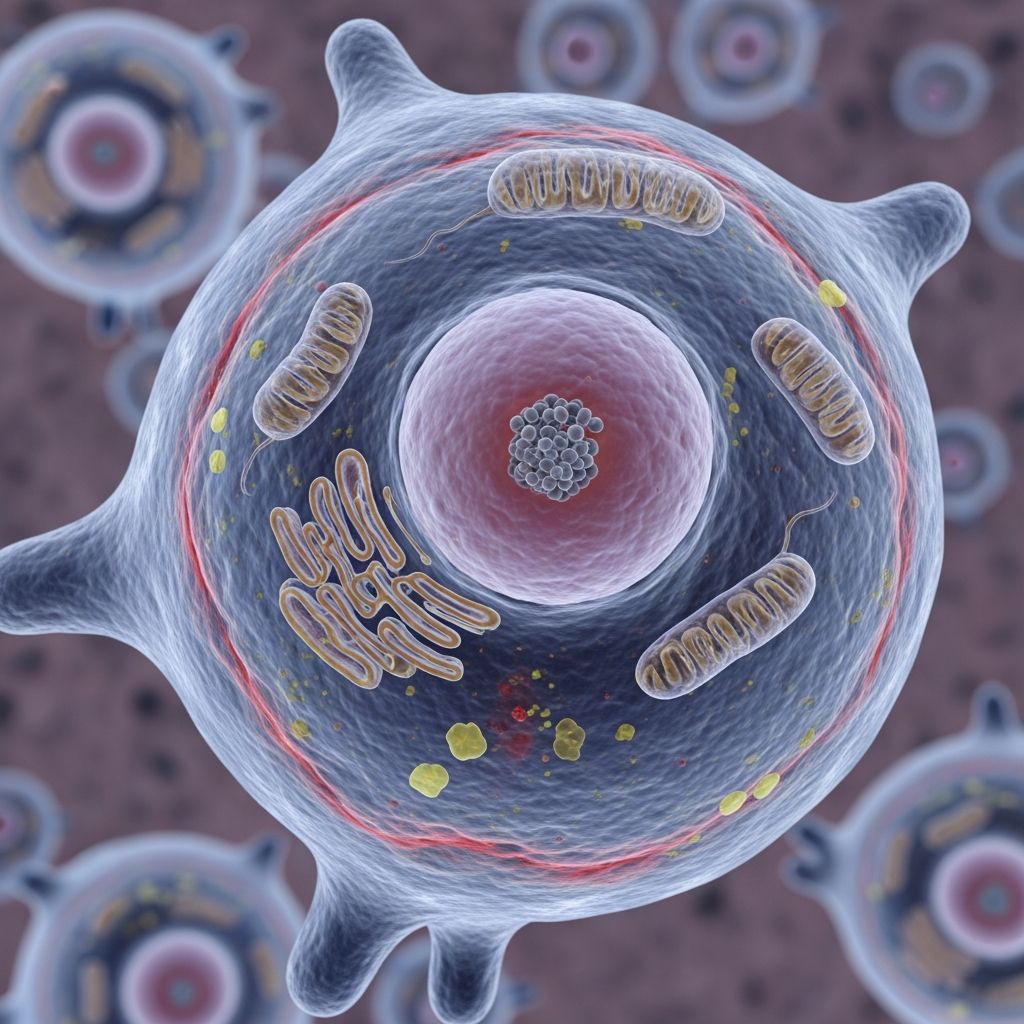
VEXAS syndrome, an acronym for vacuoles, E1 enzyme, X-linked, autoinflammatory, somatic syndrome, is a recently identified adult-onset multisystem autoinflammatory disorder primarily affecting older males. It arises from acquired somatic mutations in the UBA1 gene on the X chromosome, leading to defective ubiquitination, systemic inflammation, progressive bone marrow failure, and characteristic inflammatory skin lesions. First described in 2020, VEXAS has an estimated prevalence of 1 in 4269 men over 50 years, often presenting with skin involvement as the initial feature in 61% of cases.
What is the cause of VEXAS syndrome?
VEXAS syndrome results from post-zygotic somatic mutations in UBA1, which encodes the ubiquitin-activating enzyme E1, essential for protein ubiquitination and cellular homeostasis. These mutations, typically missense variants at methionine-41 (e.g., p.Met41Leu, p.Met41Val) or splice-site alterations, occur in hematopoietic stem cells, leading to clonal hematopoiesis with inflammatory myeloid bias. Affected males (99% of cases) develop symptoms in adulthood, often after age 50, with a median onset around 64-69 years. The X-linked nature explains male predominance, as females require biallelic hits for expression, which is rare.
Who gets VEXAS syndrome?
VEXAS predominantly affects older males (median age 69 years, range 39-79), with 96% over 50 and 94% White in reported cohorts. Nearly all patients (99%) are male due to X-linkage. Symptoms often precede diagnosis by 4-5 years, with skin issues as the harbinger in most. Risk factors include age-related clonal hematopoiesis, but no environmental triggers are confirmed.
What are the clinical features of VEXAS syndrome?
VEXAS is clinically heterogeneous, featuring recurrent fevers, inflammatory skin lesions (83% of patients), chondritis, pulmonary issues, vasculitis, and macrocytic anemia. Systemic inflammation causes fatigue, weight loss, and elevated acute-phase reactants.
Skin findings
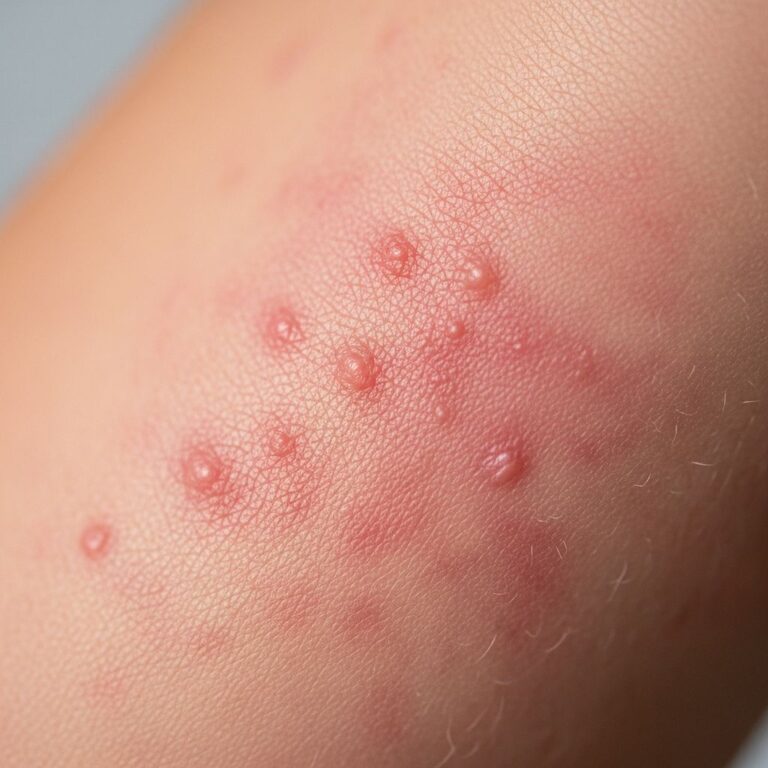
Skin involvement occurs in 83% and is the presenting feature in 61%. Common manifestations include:
- Neutrophilic dermatoses (34% histologically): Tender, erythematous to violaceous plaques on face, trunk, limbs, resembling Sweet syndrome or histiocytoid variants, often arcuate or edematous.
- Leukocytoclastic vasculitis (36%): Palpable purpura, urticaria-like lesions on limbs.
- Perivascular dermatitis (30%): Infiltrated red-brown papules/plaques on chest, shoulders, neck.
- Other: Periorbital edema, lip/emoral swelling, oral ulcers.
p.Met41Leu variant links to neutrophilic infiltrates (82%), while p.Met41Val associates with vasculitis (55%).
Chondritis
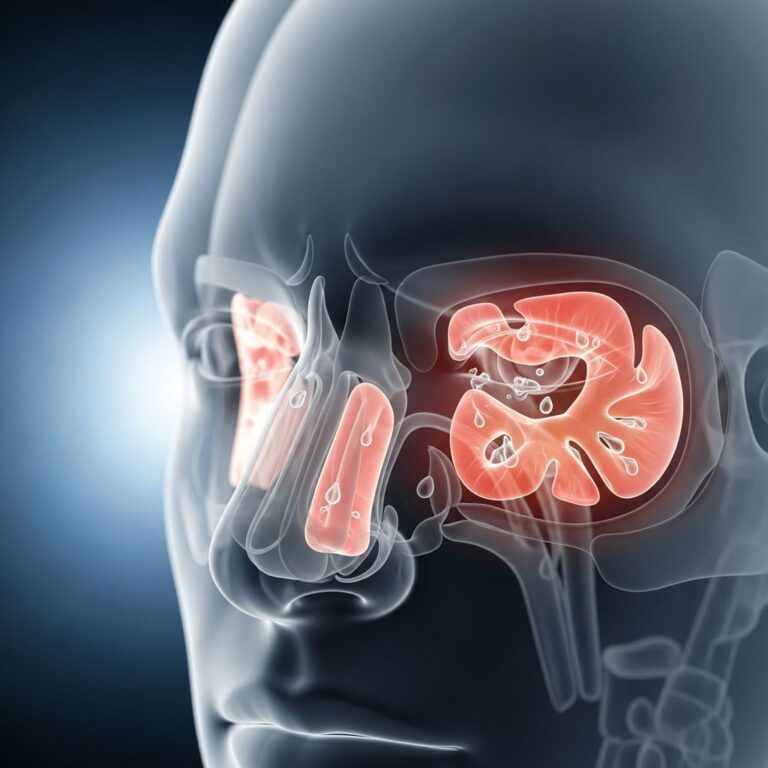
Nondestructive inflammation of ear/nose cartilage mimics relapsing polychondritis, causing red, swollen, tender ears (common) or nasal bridge saddle deformity.
Systemic features
- Hematologic: Macrocytic anemia, thrombocytopenia, lymphocytosis, vacuolated bone marrow precursors (hallmark).
- Pulmonary: Infiltrates, dyspnea, pleural effusions.
- Other: Fevers, uveitis, thrombosis, splenomegaly.
How is VEXAS syndrome diagnosed?
Diagnosis combines clinical suspicion (older male with inflammatory skin/hematologic features unresponsive to therapy), histopathology, and genetic confirmation of UBA1 mutation in blood/marrow. Key clues for dermatologists: neutrophilic dermatitis, vasculitis, chondritis in context of fever/anemia.
Investigations
- Blood tests: Anemia, elevated CRP/ESR, monoclonal gammopathy.
- Skin biopsy: Neutrophilic infiltrates, leukocytoclasia, myxoid stroma, perivascular mixed infiltrates.
- Bone marrow: Vacuolization in erythroid/myeloid precursors.
- Genetic: Next-generation sequencing for UBA1 variants (sensitivity high in peripheral blood).
| Feature | Prevalence | Histology |
|---|---|---|
| Neutrophilic dermatosis | 34% | Dermal neutrophilic infiltrates, histiocytoid Sweet-like |
| Leukocytoclastic vasculitis | 36% | Fibrinoid necrosis, mixed leukocytic |
| Perivascular dermatitis | 30% | Myxoid stroma around vessels/nerves |
What is the treatment for VEXAS syndrome?
Related Stories



No cure exists; management targets inflammation and complications. High-dose corticosteroids (e.g., prednisone) improve skin lesions in 92%. Responses vary for systemic features.
- First-line: Oral prednisone (effective for skin).
- Second-line: Methotrexate (36% use), tocilizumab (25%), topical steroids (24%).
- Other: Anakinra (75% injection-site reactions, avoid). JAK inhibitors, hypomethylating agents for marrow failure.
- Supportive: Thromboprophylaxis, transfusions.
Prognosis is poor with high mortality from marrow failure/cancer.
Frequently Asked Questions
What is VEXAS syndrome?
VEXAS is a somatic UBA1-driven autoinflammatory syndrome with skin rashes, chondritis, fever, and hematologic abnormalities in older men.
Who is at risk for VEXAS?
Primarily males over 50; skin symptoms often first.
What does VEXAS skin rash look like?
Erythematous plaques (Sweet-like), purpura (vasculitis), periorbital edema.
How is VEXAS diagnosed?
By UBA1 sequencing plus clinical/histologic features.
Is VEXAS treatable?
Symptoms respond to steroids; no cure, poor prognosis.
Can women get VEXAS?
Rarely, due to X-linkage.
Related topics: Sweet syndrome, relapsing polychondritis, leukocytoclastic vasculitis.
References
- Skin Manifestations of VEXAS Syndrome and Associated Genotypes — JAMA Dermatology (PubMed). 2024-06-12. https://pubmed.ncbi.nlm.nih.gov/38865133/
- Skin Manifestations of VEXAS Syndrome and Associated Genotypes [PDF] — JAMA Dermatology via vexas.org. 2024-06. https://vexas.org/wp-content/uploads/2024/06/skin-manifestations-jamadermatology.pdf
- VEXAS Syndrome—Diagnostic Clues for the Dermatologist — PMC (NCBI). 2023-12. https://pmc.ncbi.nlm.nih.gov/articles/PMC10733701/
- VEXAS syndrome – DermNet — DermNet NZ. 2024. https://dermnetnz.org/topics/vexas-syndrome
Similar Articles








Read full bio of Sneha Tete