Vibratory Urticaria: Guide To Causes, Symptoms, And Treatment
Understanding vibratory urticaria: causes, symptoms, diagnosis, and effective management strategies for this rare skin condition.
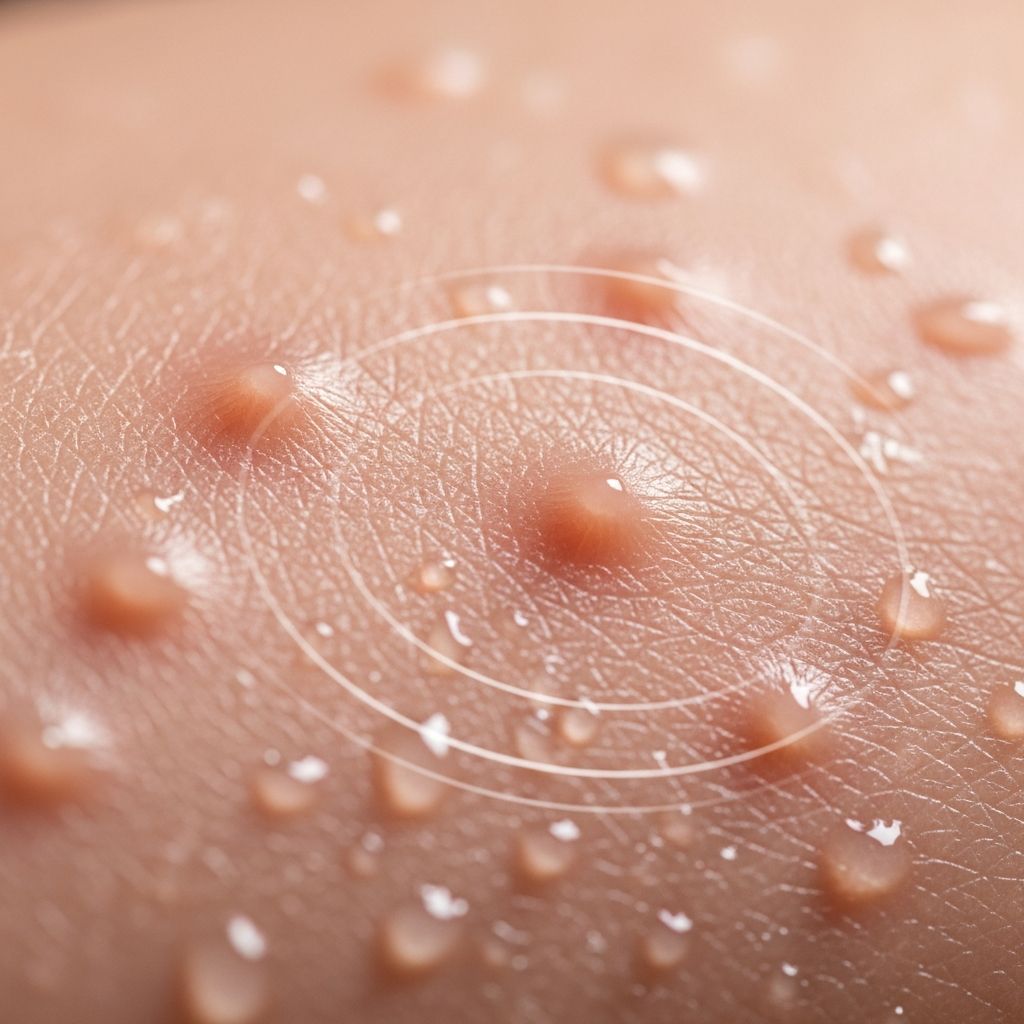
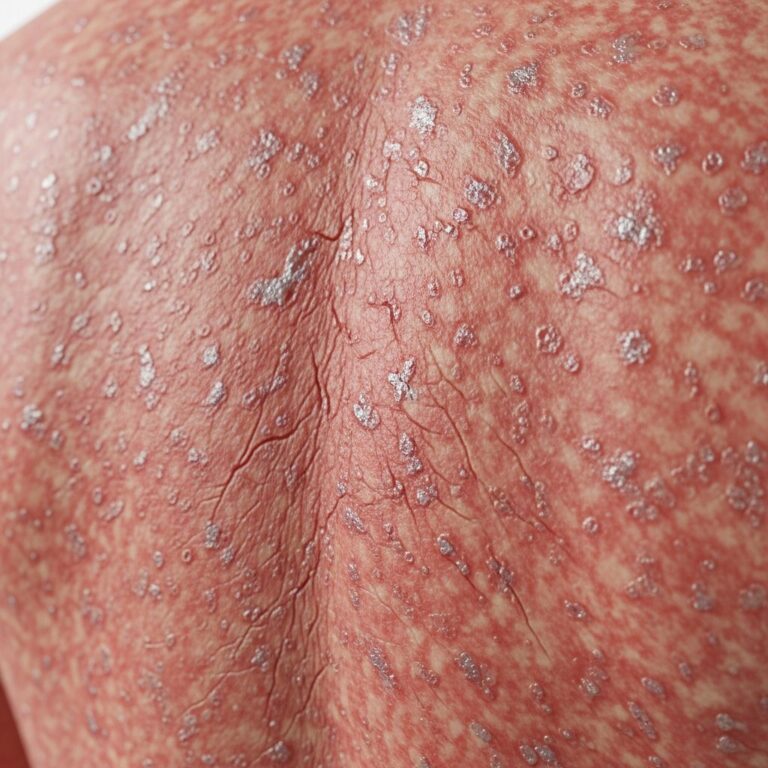
Vibratory urticaria is an uncommon form of chronic inducible urticaria characterised by the rapid development of urticarial weals following exposure to vibratory stimuli on the skin. This condition, distinct from vibratory angioedema, manifests within minutes of trigger exposure and typically resolves within 1 6 hours.
Introduction
Vibratory urticaria belongs to the spectrum of physical urticarias, where mechanical stimuli provoke mast cell degranulation leading to histamine release and localised inflammatory responses. Unlike common spontaneous urticaria, this subtype is specifically induced by vibration, friction, or repetitive stretching of the skin. First described in medical literature decades ago, it affects individuals during everyday activities involving mechanical oscillation, making awareness crucial for proper diagnosis and management.
Historically, vibratory urticaria and vibratory angioedema were grouped together, but current understanding distinguishes them as separate entities. Vibratory urticaria primarily involves superficial dermal reactions like hives, whereas angioedema affects deeper tissues. This differentiation aids in precise clinical assessment and tailored interventions.
Demographics
Vibratory urticaria is a rare condition with no comprehensive epidemiological data on global prevalence due to its uncommon nature. DermNet notes that while severe cases are infrequent, mild forms may be more prevalent than recognised, potentially affecting a notable subset of patients with chronic urticaria. Orphanet classifies it as a rare genetic urticaria, emphasising its low incidence.
Familial cases suggest an autosomal dominant inheritance pattern, linked to mutations in the ADGRE2 gene on chromosome 19p13. Affected families report multiple members experiencing symptoms from activities like mowing lawns or riding motorcycles. Idiopathic cases without genetic basis also occur, indicating possible acquired or multifactorial origins in some patients. It impacts both genders equally, with onset typically in adulthood, though paediatric cases are documented.
Causes
The core mechanism involves mechanical stimulation activating dermal mast cells, prompting rapid degranulation and release of histamine, leukotrienes, and other mediators. This triggers vascular permeability, leading to erythema, oedema, and pruritus localised to the stimulated area.
In familial vibratory urticaria, gain-of-function mutations in the ADGRE2 gene (encoding the adhesion G protein-coupled receptor E2) lower the activation threshold for mast cells under shear stress or vibration. This genetic variant explains hereditary transmission and consistent symptom provocation. MedlinePlus Genetics confirms that heterozygous mutations cause autosomal dominant vibratory urticaria, with symptoms emerging minutes post-exposure.
Non-genetic cases may stem from heightened mast cell sensitivity or unknown factors. Triggers universally include any source of sustained vibration or friction, such as:
- Using power tools or machinery
- Riding motorcycles or bumpy vehicles
- Mowing lawns or gardening with vibratory equipment
- Jogging, running, or high-impact exercises
- Towel drying vigorously or clapping hands
- Horseback riding or mountain biking
These activities generate repetitive mechanical forces that provoke the response, often most prominently on hands, trunk, or areas of direct contact.
Clinical Features
Symptoms onset within 1 6 minutes of vibratory exposure, peaking at 15 30 minutes and resolving in 1 62 hours. Localised signs dominate:
- Urticarial weals: Reddish, oedematous hives with surrounding flare
- Pruritus: Intense itching confined to affected skin
- Erythema: Reddening due to vasodilation
- Oedema: Swelling, occasionally with warmth
Hands and trunk are predilection sites due to frequent exposure. Systemic symptoms occur rarely with prolonged or extensive stimulation, including facial flushing, headache, metallic taste, fatigue, blurry vision, or widespread urticaria. Anaphylaxis is undocumented for vibratory urticaria but reported in angioedema variant.
Related Stories



Skin biopsy during episodes reveals dermal mast cell degranulation without eosinophilic infiltration, distinguishing it from other urticarias.
Complications
Vibratory urticaria is generally benign with self-limited episodes. No fatalities are reported, and chronic sequelae like scarring are absent. Occupational impacts arise when triggers are unavoidable, such as in manual labour involving tools. Quality-of-life reductions stem from activity limitations, anxiety over unpredictable flares, and sleep disruption from nocturnal itching if triggered.
Rare systemic progression after massive exposure may mimic anaphylactoid reactions, necessitating epinephrine readiness in severe cases, though undocumented. Long-term, untreated cases risk secondary infections from excoriation or psychological distress from chronic symptoms.
Diagnosis
Diagnosis is clinical, based on history of wealing post-vibratory stimuli. Confirmation uses provocation testing: a vortex mixer or electric toothbrush applies vibration to the forearm or back for 1 5 minutes at varying intensities. Positive response shows weals within minutes, with response threshold noting speed, duration, and pressure.
Differential diagnoses include:
| Condition | Key Distinguishing Features |
|---|---|
| Pressure urticaria | Delayed onset (4 6 hours), prolonged duration |
| Cholinergic urticaria | Triggered by heat/sweat, pinpoint hives |
| Spontaneous urticaria | No mechanical trigger |
| Dermatographism | Linear weals from stroking |
| Vibratory angioedema | Deeper swelling, possible anaphylaxis |
Genetic testing for ADGRE2 variants confirms familial cases. Laboratory tests show elevated serum histamine during episodes; tryptase may rise mildly.
Differential Diagnoses
Beyond the table, consider aquagenic urticaria (water-induced), exercise-induced anaphylaxis, or mastocytosis. Allergy testing rules out contact dermatitis. Imaging or systemic workup is unnecessary unless atypical features suggest vasculitis or autoinflammatory disorders.
Treatment
Primary management is trigger avoidance: padded gloves for tools, suspension seats for vehicles, low-vibration alternatives. Prophylactic non-sedating H1-antihistamines (cetirizine 10mg daily, loratadine 10mg) prevent episodes effectively. Up-dosing to 4x standard if needed, per urticaria guidelines.
For refractory cases, add H2-blockers (ranitidine), leukotriene antagonists (montelukast), or omalizumab (anti-IgE monoclonal). Topical antipruritics or cool compresses soothe acute flares. Severe occupational exposure warrants workplace accommodations.
No curative therapies exist; genetic counselling for familial cases.
Outcome
Prognosis is excellent with adherence to avoidance and antihistamines. Remission rates are unknown, but many experience symptom attenuation over time. Regular dermatologist follow-up monitors control and adjusts therapy.
Frequently Asked Questions
Is vibratory urticaria genetic?
Yes, familial cases are autosomal dominant due to ADGRE2 mutations; idiopathic forms exist.
How is vibratory urticaria diagnosed?
Via history and provocation testing with vortex mixer or similar.
What triggers vibratory urticaria?
Vibration from tools, exercise, vehicles, etc.
Can vibratory urticaria be cured?
No cure, but excellent control with avoidance and antihistamines.
Does vibratory urticaria cause anaphylaxis?
Not documented; rare systemic symptoms possible.
References
- Vibratory urticaria: Symptoms, causes, treatment, and FAQ 6 Medical News Today. 2023-10-12. https://www.medicalnewstoday.com/articles/vibratory-urticaria
- Vibratory urticaria 6 DermNet NZ. 2024-01-15. https://dermnetnz.org/topics/vibratory-urticaria
- Vibratory urticaria 6 Orphanet. 2023-05-20. https://www.orpha.net/en/disease/detail/493342
- Vibratory Urticaria 6 MalaCards. 2024-02-10. https://www.malacards.org/card/vibratory_urticaria
- Vibratory urticaria 6 MedlinePlus Genetics (U.S. National Library of Medicine). 2023-11-08. https://medlineplus.gov/genetics/condition/vibratory-urticaria/
Similar Articles








Read full bio of Sneha Tete