Vibrio Vulnificus: Symptoms, Risks, Treatment & Prevention
Understanding Vibrio vulnificus: A dangerous bacterium in warm coastal waters causing severe infections from seafood or wounds.
What is Vibrio vulnificus?
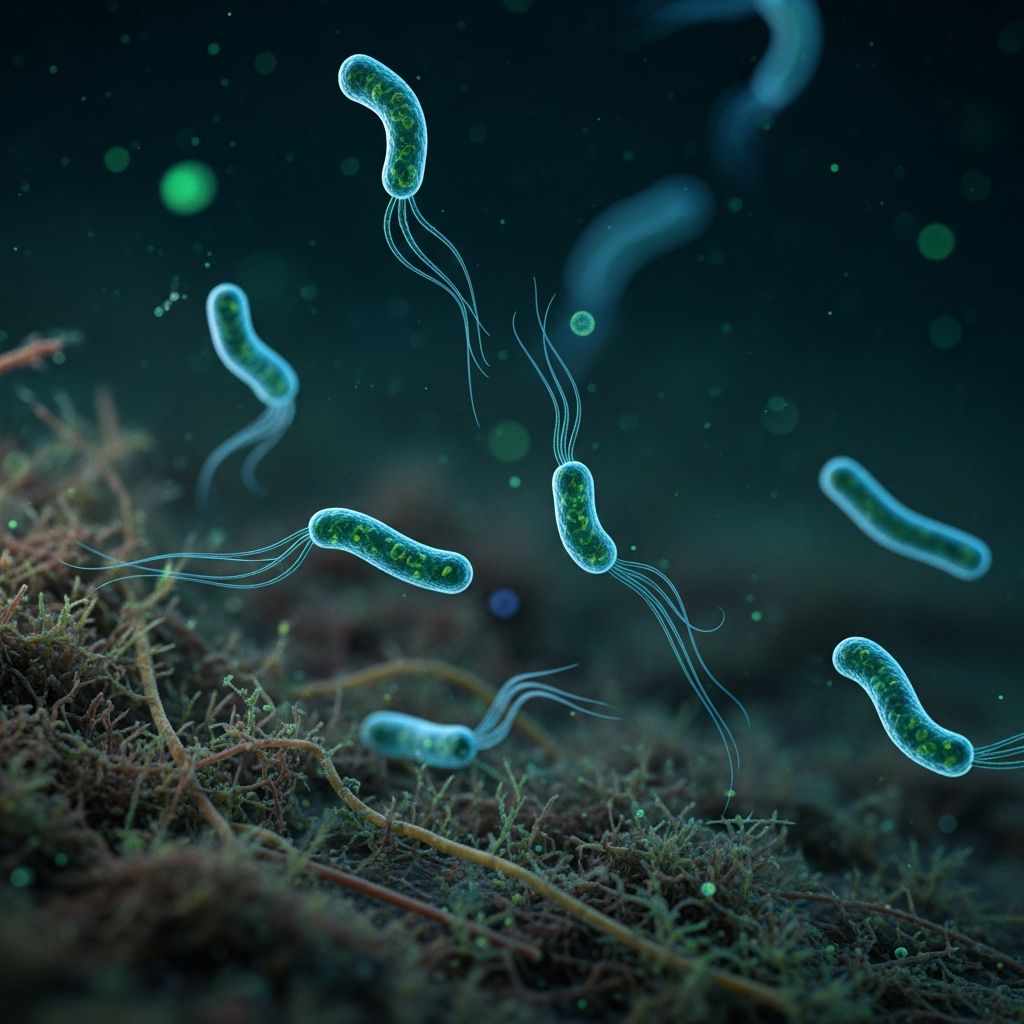
Vibrio vulnificus is a motile, gram-negative, halophilic bacterium naturally residing in warm brackish (mix of salt and fresh) coastal waters worldwide, thriving in temperatures above 13°C (55°F), with peak presence from May to October in regions like the US Gulf Coast. It forms part of the estuarine microbiome and proliferates after events like hurricanes or floods that warm waters. This pathogen enters humans via two main routes: ingestion of contaminated raw or undercooked seafood, primarily oysters, or exposure of open wounds to seawater or seafood drippings. In the US, it causes about 100 infections annually, with a 33% mortality rate and over 95% of seafood-related deaths. Healthy individuals may experience mild symptoms, but those with liver disease (e.g., cirrhosis), diabetes, cancer, HIV, thalassemia, or on immunosuppressants face severe risks including sepsis and tissue necrosis. Virulence factors like proteases enable tissue invasion, edema, and immune evasion via sialic acid-like molecules and biofilms.
Who is at risk?
High-risk groups include individuals with chronic liver disease (cirrhosis increases severity dramatically), diabetes mellitus, malignancies, HIV, hemochromatosis, thalassemia, or those receiving immunosuppressive therapy or proton pump inhibitors that reduce stomach acid. Iron overload conditions exacerbate infection as V. vulnificus exploits iron for growth. Even healthy people risk wound infections from cuts exposed to brackish water, but systemic spread is rare without comorbidities. Coastal residents, fishermen, and raw seafood consumers in warm climates are most exposed, with infections surging post-storms.
Transmission
Transmission occurs primarily through:
- Ingestion: Consuming raw or undercooked shellfish, especially filter-feeding oysters from warm estuaries that concentrate the bacteria. Less commonly, other seafood like clams or fish.
- Wound exposure: Open wounds (pre-existing cuts, punctures from fishhooks, crabs, coral, or new injuries in water) contacting brackish seawater or raw seafood juices.
No person-to-person spread occurs. Bacteria levels peak in summer; avoid Gulf of Mexico oysters during outbreaks.
Clinical features
V. vulnificus causes a spectrum of illnesses: primary septicemia (most common, 58% of cases), wound infections (33%), and gastroenteritis.
Gastroenteritis
In healthy people, ingestion leads to self-limited watery diarrhea, nausea, vomiting, abdominal cramps, fever, and chills lasting days. Severe cases in vulnerable patients progress to septicemia.
Primary septicemia
Onset 18 hours (up to 14 days) post-ingestion with sudden fever, chills, vomiting, diarrhea, and limb pain. Rapid progression to shock; characteristic hemorrhagic bullae (50-75% of cases), purpura, ecchymoses, cellulitis, or pustules appear on legs/arms within 24-36 hours. Bullae are blood-filled blisters on erythematous, edematous skin, exquisitely painful. Hypotension and multi-organ failure follow; mortality ~50% despite treatment. Histology shows epidermal necrosis, neutrophilic abscesses, dermal edema, and subcutaneous destruction.
Wound infections
Begin as cellulitis: rapid redness, warmth, swelling, pain at wound site. Progresses to hemorrhagic bullae, necrosis, or necrotizing fasciitis with black eschars, blistering, and purulent discharge. Systemic fever/chills possible; untreated leads to sepsis. Necrotizing fasciitis destroys fascia/muscle, requiring debridement.
Diagnosis
Suspect in summer at-risk patients with bullae/cellulitis post-seafood/wound exposure. Confirm by culture of blood, stool, wound exudate, or bullae fluid on thiosulfate-citrate-bile salts-sucrose (TCBS) agar (green colonies). PCR or MALDI-TOF for rapid ID. Blood tests show leukocytosis, thrombocytopenia, elevated creatinine; imaging (MRI/CT) assesses fasciitis. Differential: Aeromonas, Streptococcus, Staphylococcus infections.
Treatment
Immediate hospitalization for suspected cases.
- Antibiotics (empiric): Doxycycline (100mg IV BID) + ceftazidime (2g IV q8h) or third-generation cephalosporin; alternatives: ciprofloxacin + ceftazidime. Children: trimethoprim-sulfamethoxazole + aminoglycoside. Duration: 7-14 days IV, then oral.
- Wound care: Surgical debridement/exploration for necrosis; fasciotomy/amputation if needed.
- Supportive: Fluids, vasopressors for shock, wound cleaning.
Delay >72 hours halves survival.
Prevention
- Cook seafood to 63°C (145°F); boil/steam oysters fully; avoid raw.
- Wear waterproof gloves handling seafood; cover wounds near water.
- Avoid brackish/swimming post-hurricanes if high-risk.
- Post-exposure prophylaxis rare, but antibiotics for high-risk wounds.
Investigations
- Cultures: Blood (2 sets), wound, stool on TCBS agar.
- Labs: CBC (leukocytosis), LFTs (elevated bilirubin in liver disease), lactate, creatinine.
- Imaging: X-ray/US for gas in tissues; MRI for fasciitis depth.
- Biopsy: Confirms necrosis, thrombosis, bacterial invasion.
Complications
Sepsis, septic shock, multi-organ failure, amputation (20-30% wound cases), death (33-50%). Survivors risk chronic wounds, lymphedema.
| Type | Onset | Symptoms | Mortality |
|---|---|---|---|
| Gastroenteritis | Hours-days | Diarrhea, nausea | Low |
| Septicemia | 18h median | Bullae, shock | ~50% |
| Wound/Necrotizing | Hours | Cellulitis to necrosis | 15-33% |
Frequently Asked Questions
Q: Can healthy people get severe V. vulnificus infections?
A: Rare, but wound infections can occur; septicemia typically affects those with comorbidities.
Q: Is it safe to eat cooked oysters?
A: Yes, thorough cooking kills the bacteria; avoid raw.
Q: What to do if exposed with a wound?
A: Clean vigorously, seek medical care promptly, especially if high-risk.
Q: Where is V. vulnificus most common?
A: Warm coastal waters like US Gulf Coast, summers.
Q: How is it diagnosed?
A: Blood/wound cultures on special media.
(Word count: 1678)
References
- What to Know About Vibrio vulnificus — JAMA Network. 2023-10-10. https://jamanetwork.com/journals/jama/fullarticle/2801603
- Vibrio vulnificus: Review of Mild to Life-threatening Skin Infections — PubMed. 2021-05-01. https://pubmed.ncbi.nlm.nih.gov/33891847/
- Vibrio vulnificus: Review of Mild to Life-threatening Skin Infections (PDF) — Poison.org (Coerdt & Khachemoune). 2021. https://www.poison.org/-/media/files/pdf-for-article-dowloads-and-refs/coerdt-and-khachemoune-vibrio-vulnificus.pdf
- Vibrio vulnificus – DermNet — DermNet NZ. 2023. https://dermnetnz.org/topics/vibrio-vulnificus
- Vibrio vulnificus Infection — NCBI StatPearls. 2023-07-17. https://www.ncbi.nlm.nih.gov/books/NBK554404/
Similar Articles








Read full bio of Sneha Tete