Victoza: Liraglutide for Type 2 Diabetes
Discover how Victoza (liraglutide) helps manage type 2 diabetes, lowers blood sugar, supports weight loss, and reduces heart risks in adults and children.
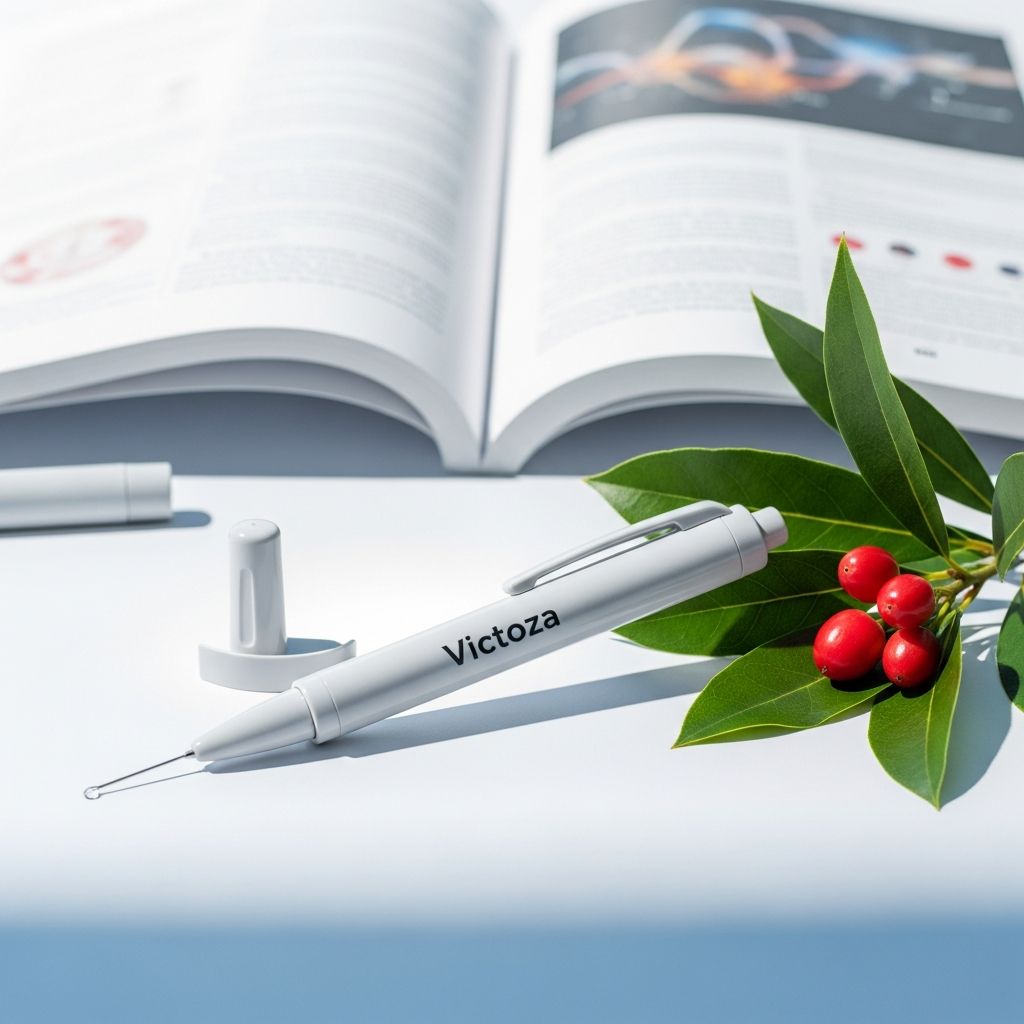
Victoza, containing the active ingredient liraglutide, is a once-daily injectable medication designed to help control blood sugar levels in people with type 2 diabetes. Approved for use in adults and children aged 10 and older, it works alongside diet and exercise to improve glycemic control and offers additional benefits like weight reduction and cardiovascular risk lowering.
Understanding Type 2 Diabetes and Victoza’s Role
Type 2 diabetes occurs when the body does not produce enough insulin or cannot use it effectively, leading to elevated blood glucose levels. This chronic condition affects millions worldwide and increases risks for heart disease, stroke, and other complications. Victoza belongs to a class of drugs called GLP-1 receptor agonists, which mimic natural gut hormones known as incretins. These hormones stimulate insulin release in response to meals, suppress glucagon (a hormone that raises blood sugar), and slow gastric emptying to stabilize post-meal glucose spikes.
By addressing these mechanisms, Victoza helps maintain steadier blood sugar throughout the day. Clinical evidence shows it reduces HbA1c—a key marker of long-term glucose control—by 0.8% to 1.5% on average, depending on dose and combination therapy.
How Victoza Works in the Body
Liraglutide, the key component in Victoza, binds to GLP-1 receptors on pancreatic beta cells, prompting insulin secretion only when blood sugar is high. This glucose-dependent action minimizes hypoglycemia risk compared to some other diabetes drugs. Additionally, it signals the brain to reduce appetite and promotes satiety, contributing to weight loss observed in many users.
- Insulin Boost: Increases insulin production during meals.
- Glucagon Suppression: Lowers glucagon to prevent excess glucose release from the liver.
- Slowed Digestion: Delays food movement from stomach to intestines, reducing glucose absorption speed.
- Appetite Control: Acts on brain centers to decrease hunger and cravings.
These combined effects make Victoza versatile for monotherapy or in combination with drugs like metformin or sulfonylureas.
Clinical Evidence: Efficacy in Blood Sugar Control
Extensive trials demonstrate Victoza’s effectiveness. In a monotherapy study, adults taking 1.8 mg daily saw HbA1c drop by 1.1 percentage points, outperforming glimepiride’s 0.5-point reduction. Dual therapy trials showed Victoza plus metformin or glimepiride achieving about 1% greater HbA1c reductions than placebo combinations.
In children and adolescents aged 10+, a study of 134 participants found Victoza reduced HbA1c by 0.64 points versus a 0.42-point increase with placebo. Many patients reach A1C goals below 7%, aligning with American Diabetes Association targets.
| Study Type | Victoza Dose | HbA1c Reduction | Comparison |
|---|---|---|---|
| Monotherapy (Adults) | 1.8 mg | 1.1% | Glimepiride: 0.5% |
| Dual Therapy (Adults) | 1.8 mg + Metformin | ~1% | Placebo + Metformin: 0% |
| Pediatric (10+) | Standard | 0.64% | Placebo: +0.42% |
Benefits often appear within two weeks, with sustained control over two years.
Weight Management Benefits
Weight loss is a notable side benefit, especially valuable since many with type 2 diabetes are overweight. In studies, adults on Victoza lost 4.6 to 6.2 pounds on average over a year, with higher doses yielding greater results. A review of trials showed 8.8 to 13 pounds lost when combined with diet and exercise, with more participants achieving 5-10% body weight reduction than placebo.
Related Stories



This stems from reduced appetite, fewer cravings, and increased fullness, aiding adherence to calorie-controlled diets. The American Diabetes Association endorses weight loss for overweight individuals with diabetes.
Cardiovascular Protection
Victoza stands out for reducing major adverse cardiovascular events (MACE) in high-risk patients. The LEADER trial with 9,340 adults with type 2 diabetes and established heart disease showed a 13% risk reduction in MACE (non-fatal heart attack, stroke, or CV death) versus placebo. It also cut CV death by 22% and all-cause mortality by 15%.
The FDA approved this indication based on these findings, making Victoza unique among type 2 diabetes treatments for proven CV benefits. Patients with prior heart attack, stroke, or angina particularly benefit.
Proper Dosing and Administration
Victoza is a pre-filled pen delivering 1.2 mg or 1.8 mg doses subcutaneously once daily, anytime, with or without food. Start at 0.6 mg for one week to minimize side effects, then increase to 1.2 mg, and optionally to 1.8 mg if needed.
- Site: Abdomen, thigh, or upper arm; rotate weekly.
- Storage: Refrigerate unused pens; room temperature ok for 30 days.
- Miss a Dose: Skip if less than 12 hours until next; otherwise, take soon.
Consult a healthcare provider for personalized dosing, especially with kidney/liver issues.
Common and Serious Side Effects
Most side effects are gastrointestinal and tend to improve over time.
- Common (>5%): Nausea (up to 28%), diarrhea, vomiting, constipation, headache, dyspepsia.
- Serious (Rare): Pancreatitis, gallbladder issues, thyroid tumors (boxed warning), severe allergic reactions, hypoglycemia (with other drugs), kidney problems.
Monitor for symptoms like persistent abdominal pain (pancreatitis) or neck lumps (thyroid). Not for type 1 diabetes or diabetic ketoacidosis. Pregnant or breastfeeding individuals should discuss risks.
Who Should Use Victoza?
Ideal for those with inadequate control on oral meds, especially needing weight loss or CV protection. Approved as monotherapy if metformin-intolerant, or combined with other agents. Pediatric use from age 10+ requires specialist oversight.
Contraindicated in personal/family history of medullary thyroid carcinoma or multiple endocrine neoplasia syndrome type 2.
Combining Victoza with Lifestyle Changes
Best results come with diet, exercise, and monitoring. A balanced, low-glycemic diet complements Victoza’s effects, while 150 minutes weekly aerobic activity enhances insulin sensitivity. Regular A1C checks track progress.
Frequently Asked Questions (FAQs)
Is Victoza insulin?
No, it’s a GLP-1 agonist that boosts your body’s insulin response.
Does Victoza cause weight gain?
Typically causes loss; some may gain, but average is reduction.
How soon does Victoza lower blood sugar?
Effects start in 2 weeks; full benefits in months.
Can children use Victoza?
Yes, from age 10+ for type 2 diabetes.
What’s the difference between Victoza and Ozempic?
Both GLP-1s; Victoza daily, Ozempic weekly; similar benefits.
Monitoring and Long-Term Use
Regular doctor visits assess A1C, weight, and side effects. Long-term data supports safety and efficacy, with CV benefits persisting. Discontinue if serious side effects occur; alternatives like other GLP-1s available.
References
- Victoza | European Medicines Agency (EMA) — European Medicines Agency. 2023. https://www.ema.europa.eu/en/medicines/human/EPAR/victoza
- Blood Sugar and A1C Benefits – Victoza — Victoza.com. 2023. https://www.victoza.com/about-victoza-/benefits-of-victoza-.html
- Victoza for Weight Loss: How It Works, Side Effects, & More — ForHers. 2023. https://www.forhers.com/blog/victoza-for-weight-loss
- Victoza (liraglutide) is approved in the US as the only type 2 diabetes treatment indicated to reduce the risk of three major adverse cardiovascular events — PR Newswire. 2017-08-25. https://www.prnewswire.com/news-releases/victoza-liraglutide-is-approved-in-the-us-as-the-only-type-2-diabetes-treatment-indicated-to-reduce-the-risk-of-three-major-adverse-cardiovascular-events-300509713.html
- Victoza (Liraglutide): Uses, Side Effects, Alternatives & More — GoodRx. 2023. https://www.goodrx.com/victoza/what-is
- Victoza®: Cardiovascular Benefits – Lowers Risk of CV Events — Victoza.com. 2023. https://www.victoza.com/about-victoza-/cardiovascular-benefits-of-victoza-.html
Similar Articles








Read full bio of Sneha Tete