Vildagliptin Guide For Type 2 Diabetes: Benefits & Dosing
Comprehensive insights into vildagliptin for effective type 2 diabetes control and patient care strategies.
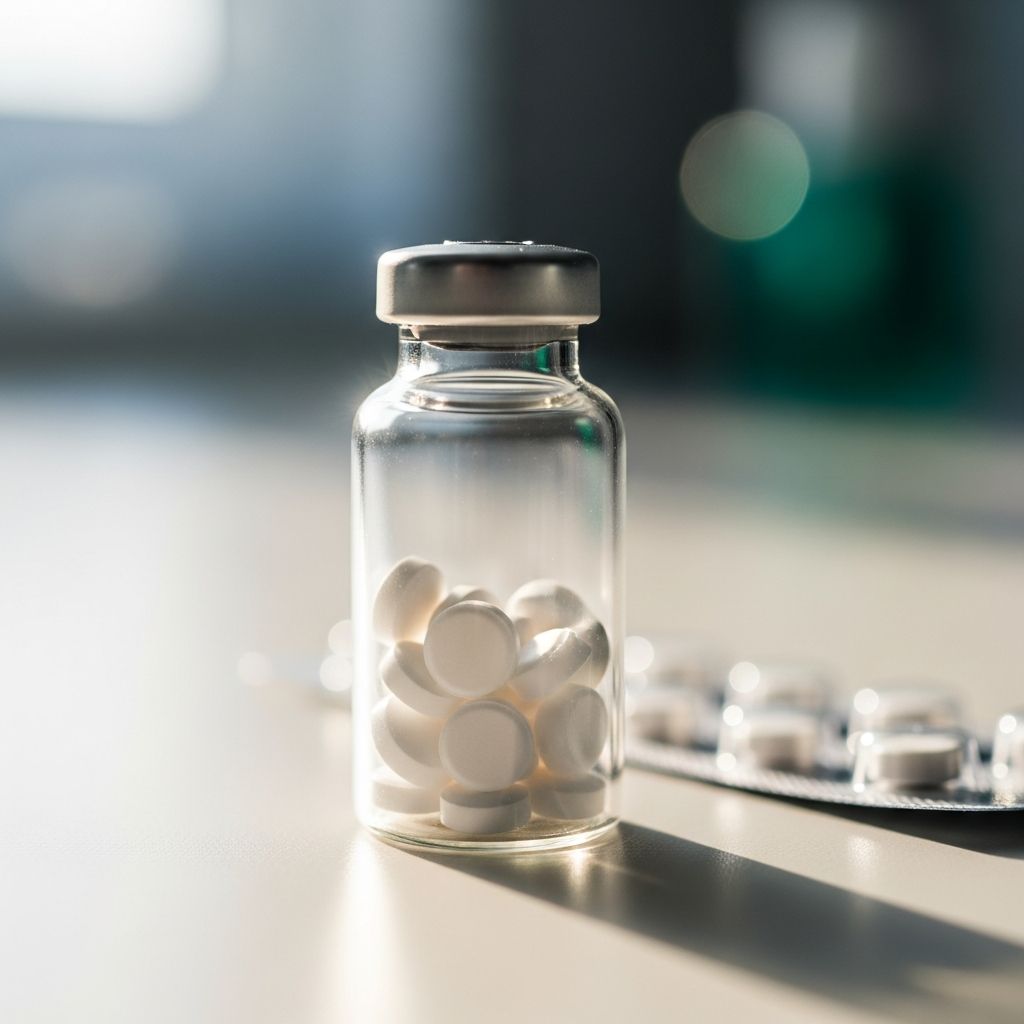
Vildagliptin serves as a key oral medication for adults with type 2 diabetes, working alongside diet and exercise to regulate blood glucose levels when lifestyle measures alone prove insufficient. By targeting the dipeptidyl peptidase-4 (DPP-4) enzyme, it prolongs the activity of incretin hormones, fostering improved insulin secretion and reduced glucagon output in a glucose-dependent manner.
Understanding the Science Behind Vildagliptin
The core mechanism of vildagliptin revolves around inhibiting DPP-4, an enzyme responsible for breaking down glucagon-like peptide-1 (GLP-1) and glucose-dependent insulinotropic polypeptide (GIP). These incretins naturally rise after meals to stimulate insulin release from pancreatic beta cells while suppressing glucagon from alpha cells, thereby curbing hepatic glucose production. Clinical studies demonstrate that vildagliptin elevates active GLP-1 and GIP levels, enhancing alpha- and beta-cell sensitivity to glucose fluctuations.
This selective action minimizes risks associated with non-glucose-dependent therapies, such as excessive insulin release leading to hypoglycemia. Research involving thousands of patients confirms its potency, with stronger DPP-4 binding and a suitable half-life compared to peers like sitagliptin, resulting in more consistent suppression of post-meal glucagon spikes. Long-term data also suggest benefits in preserving beta-cell function, potentially slowing disease progression in early-stage type 2 diabetes.
Clinical Applications in Diabetes Care
Vildagliptin finds primary use in adults with type 2 diabetes whose glycemic targets remain unmet by diet and physical activity. It functions effectively as monotherapy when metformin is contraindicated or poorly tolerated, or in combinations with agents like metformin, sulfonylureas, thiazolidinediones, or insulin.
For patients on metformin alone, adding vildagliptin significantly lowers HbA1c—a marker of average blood glucose over 2-3 months—often matching thiazolidinedione add-ons but with superior tolerability profiles, including fewer gastrointestinal issues. In sulfonylurea or insulin regimens, it bolsters control without amplifying hypoglycemia risks substantially. Studies in impaired glucose tolerance and mild hyperglycemia cohorts indicate potential for early intervention, attenuating beta-cell decline.
| Therapy Type | HbA1c Reduction | Key Advantages |
|---|---|---|
| Monotherapy | 0.5-1.0% | Weight-neutral, low hypo risk |
| + Metformin | 0.7-1.1% | Reduces GI side effects |
| + Sulfonylurea | 0.6-0.9% | Improved postprandial control |
| + Insulin | 0.6-0.8% | Preserves beta-cell function |
Optimal Dosing and Administration
Standard dosing for vildagliptin is 50 mg once or twice daily, taken with or without food to accommodate patient routines. Dual therapy with metformin or sulfonylureas typically employs 50 mg twice daily, while triple combinations or insulin pairings follow similar protocols, adjusted per response and tolerance.
- Monotherapy: 50 mg once daily, titrate to 50 mg bid if needed.
- Combination: 50 mg bid with metformin (up to 1000 mg bid) or other agents.
- Renal Impairment: No dose adjustment for mild-moderate; caution in severe cases, often contraindicated.
Adherence improves with once-daily options where effective, but twice-daily ensures steady DPP-4 inhibition. Regular HbA1c monitoring guides adjustments, aiming for targets below 7% per guidelines.
Benefits Extending Beyond Glycemic Control
Beyond HbA1c reductions of 0.5-1.2% across trials, vildagliptin offers weight neutrality—no significant gain or loss—contrasting sulfonylureas or insulin. It maintains lipid profiles, sometimes lowering total cholesterol and fasting lipolysis, beneficial for cardiovascular risk in diabetes.
Low edema incidence and neutral blood pressure effects (some studies note modest DBP/SBP drops) enhance its profile. Postprandial glucose excursions diminish notably, addressing a common unmet need. In drug-naïve patients, it elevates prandial GLP-1 robustly, amplified further with metformin. Sustained efficacy up to two years underscores reliability.
Related Stories



Navigating Potential Side Effects
Vildagliptin generally exhibits excellent tolerability, with hypoglycemia rates akin to placebo in monotherapy (under 1%) and mildly elevated in combinations. Common effects include headache, nasopharyngitis, and dizziness, resolving without intervention.
Rarely, hypersensitivity reactions like rash or urticaria occur; discontinue if severe. Liver enzyme elevations warrant monitoring, especially in hepatic impairment where it’s contraindicated. No notable QT prolongation or cardiovascular signals in extensive exposure data (~7000 patient-years). Pancreatitis risk mirrors class concerns—monitor symptoms like abdominal pain.
- Frequent (>5%): Upper respiratory infections, headache.
- Uncommon (1-5%): Tremor, fatigue, GI upset.
- Rare (<1%): Hepatic issues, skin reactions, arthralgia.
Critical Safety Considerations and Contraindications
Avoid in type 1 diabetes, diabetic ketoacidosis, severe renal (eGFR <30 mL/min) or hepatic impairment, or pregnancy/breastfeeding due to limited data. Use cautiously with heart failure (NYHA III/IV) pending further evidence. Drug interactions are minimal; no major CYP450 effects, but monitor with rifampicin (potential under-dosing) or sulfonylureas (hypo risk).
Periodic lab checks include liver function tests at baseline, 3, and 6 months, then annually. Educate on hypo symptoms in combinations, though rarer than alternatives.
Integrating Vildagliptin into Lifestyle Management
Optimal outcomes pair vildagliptin with balanced nutrition—emphasizing low glycemic index foods, fiber, and portion control—and 150 minutes weekly moderate exercise. This synergy amplifies incretin effects, enhancing insulin sensitivity naturally.
Patient education on self-monitoring blood glucose (SMBG), recognizing hypo/hyperglycemia, and medication adherence is vital. Multidisciplinary care involving dietitians and educators boosts compliance. Long-term, it supports cardiovascular health via better control, underscoring holistic diabetes strategies.
Recent Insights and Future Directions
Post-approval data reaffirm vildagliptin’s role in diverse populations, including elderly and those with comorbidities. Ongoing research explores cardiovascular outcomes and beta-cell preservation in prediabetes. As a weight-neutral option, it fits obesity-prevalent diabetes management.
Frequently Asked Questions (FAQs)
Can vildagliptin cause low blood sugar?
Hypoglycemia is rare in monotherapy (placebo-like rates) but possible with sulfonylureas or insulin; carry glucose sources.
Is vildagliptin safe for kidneys?
Suitable for mild-moderate impairment; avoid severe (eGFR <30).
How quickly does vildagliptin work?
Effects on postprandial glucose appear within weeks; HbA1c improvements in 3-6 months.
Does it lead to weight gain?
No—it’s weight-neutral across studies.
Can I drink alcohol on vildagliptin?
Moderation advised; excess raises hypo risk with combinations.
References
- Vildagliptin – Drugs – Scholars in Medicine — Scholars in Medicine. 2023. https://scholarsinmedicine.com/resources/drugs/755
- Profile of vildagliptin in type 2 diabetes: efficacy, safety, and patient… — PMC (PubMed Central). 2013-06-25. https://pmc.ncbi.nlm.nih.gov/articles/PMC3694507/
- Vildagliptin: a new oral treatment for type 2 diabetes mellitus – PMC — PMC (PubMed Central). 2009-03-04. https://pmc.ncbi.nlm.nih.gov/articles/PMC2663430/
- Spotlight on vildagliptin – Medsafe — Medsafe (New Zealand Government). 2019-09. https://www.medsafe.govt.nz/profs/PUArticles/September2019/Spotlight-vildagliptin.htm
- Vildagliptin – HealthHub — HealthHub (Singapore Government). 2023. https://www.healthhub.sg/medication-devices-and-treatment/medications/vildagliptin
Similar Articles








Read full bio of medha deb