Viral Conjunctivitis: Causes, Symptoms & Treatment
Comprehensive guide to viral conjunctivitis: understanding symptoms, transmission, and effective management strategies.
What is Viral Conjunctivitis?
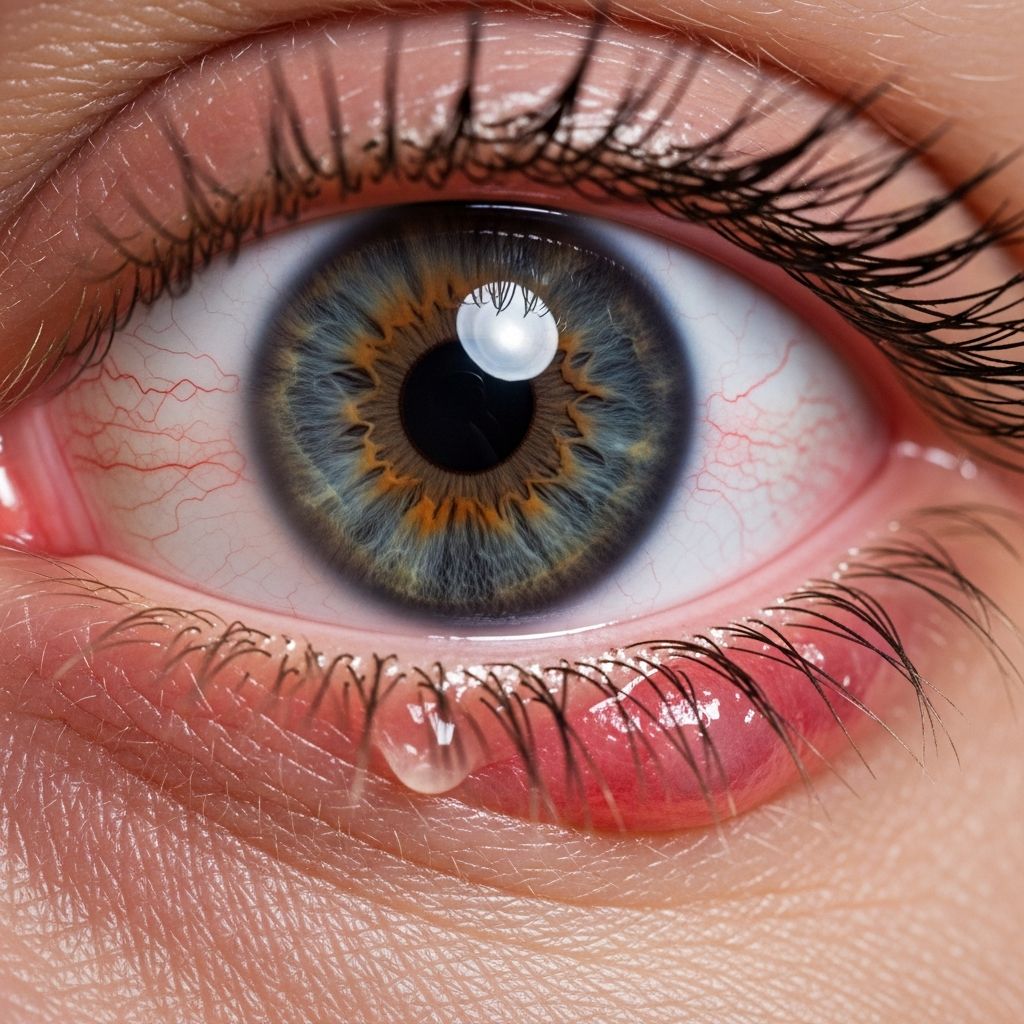
Viral conjunctivitis, commonly known as “pink eye,” is an infection of the conjunctiva caused by a viral pathogen. The conjunctiva is a thin, clear membrane that covers the white part of the eyeball (the sclera) and lines the inner surface of the eyelid. This condition represents the most common cause of infectious conjunctivitis, accounting for up to 75% of all conjunctivitis cases. Unlike bacterial or allergic forms, viral conjunctivitis is highly contagious and spreads readily in schools, workplaces, and other crowded environments.
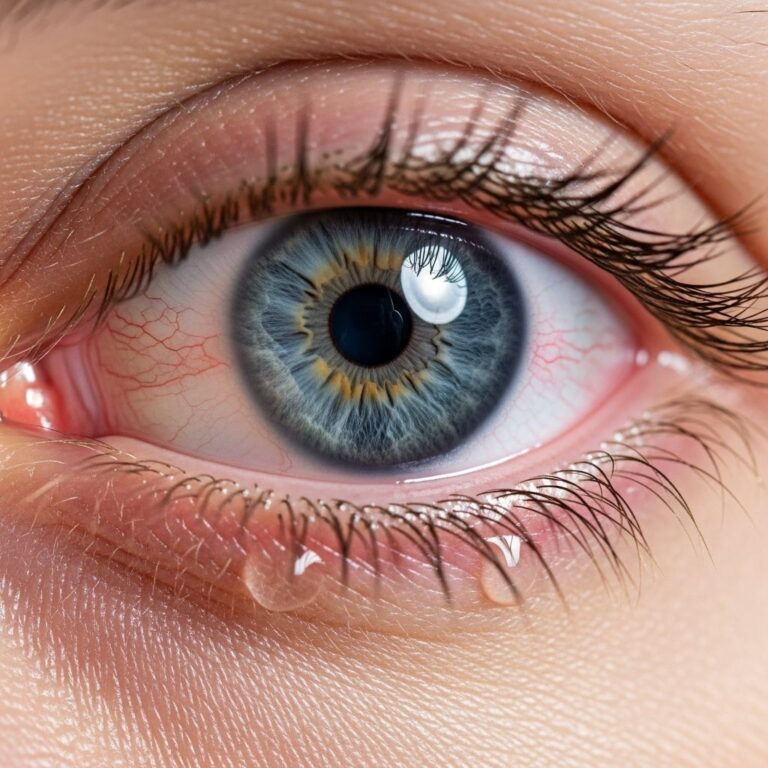
Conjunctivitis in general is one of the most prevalent eye conditions affecting patients of all ages and socioeconomic backgrounds. The hallmark feature of viral conjunctivitis is the inflammation of blood vessels within the conjunctiva, which creates the characteristic redness and increased tear production associated with the condition.
Causes and Epidemiology
Primary Causative Agents
Adenoviruses are responsible for the vast majority of viral conjunctivitis cases, causing up to 90% of all cases. Adenoviruses belong to the Adenoviridae family and consist of nonenveloped, double-stranded DNA viruses. These pathogens frequently cause multiple infections in humans, including upper respiratory tract infections, eye infections, and gastrointestinal illness in children.
The adenovirus that causes the common cold is the most common culprit behind viral conjunctivitis. Other viral causes include:
- Herpes Simplex Virus (HSV): Responsible for 1.3–4.8% of acute conjunctivitis cases, HSV conjunctivitis is particularly concerning as it can lead to keratitis and vision complications.
- Varicella-Zoster Virus: Causes chickenpox and shingles; varicella-zoster conjunctivitis can be serious and potentially result in vision loss.
- Coronavirus: SARS-CoV-2, the virus causing COVID-19, can produce conjunctivitis in infected individuals.
- Rubeola: The virus responsible for measles can cause conjunctival inflammation.
Transmission Methods
Viral conjunctivitis spreads through multiple transmission routes, making it highly contagious:
- Direct contact with an infected person’s bodily fluids, particularly through hand-to-eye contact
- Respiratory droplets from coughing or sneezing
- Airborne transmission of viral particles
- Contact with contaminated surfaces such as swimming pools or shared objects
- Close proximity in crowded environments
Children are particularly susceptible to viral infections, while adults tend to experience higher rates of bacterial conjunctivitis. Poor contact lens hygiene, poorly fitting lenses, and use of decorative contact lenses also increase infection risk.
Clinical Presentation and Symptoms
Characteristic Symptoms
Patients with viral conjunctivitis typically present with symptoms of sudden onset:
- Red or pink eyes (erythema)
- Foreign body sensation
- Watery discharge (rather than purulent discharge)
- Itching or burning sensations
- Light sensitivity (photophobia)
- Eyelid swelling
- Occasionally sticky discharge upon waking
Unlike bacterial conjunctivitis, viral conjunctivitis rarely produces pain or significant blurry vision, and patients typically experience watery rather than thick, pus-like discharge. The condition usually begins in one eye and may spread to the other eye within a few days if proper hygiene measures are not followed.
Associated Symptoms
Patients often have a recent history of upper respiratory tract infection or contact with a sick individual. Some individuals may experience systemic symptoms including runny nose, sore throat, congestion, fever, and swollen lymph nodes.
Related Stories



In cases of pharyngoconjunctival fever (PCF) in children caused by adenovirus types 3, 4, and 7, acute follicular conjunctivitis occurs alongside fever and pharyngitis with periauricular lymphadenopathy.
Special Considerations: Herpetic Conjunctivitis
Herpes simplex virus conjunctivitis is common in both adults and children and presents with follicular conjunctivitis. This form requires special attention because it can lead to keratitis and potentially compromise vision. With HSV infection, vesicles (fluid-filled blisters) may appear on the face or eyelids, and corneal involvement may occur.
Varicella-zoster conjunctivitis can develop through direct contact with skin lesions or inhalation of aerosolized particles, particularly when the first and second branches of the trigeminal nerve are involved. A characteristic linear dermatomal pattern of vesicles appears, and the conjunctiva presents with redness and mucopurulent discharge. Like HSV conjunctivitis, varicella-zoster infection can be serious and potentially cause permanent vision loss.
Diagnosis
Clinical Examination
Diagnosis of viral conjunctivitis is primarily clinical, based on patient history and physical examination findings. Key diagnostic features include:
- Presence of follicles on the palpebral conjunctiva (inner eyelid)
- Reactive and tender preauricular lymph nodes upon palpation
- Watery rather than purulent ocular discharge
- Recent upper respiratory tract infection history
- Recent contact with an infected individual
While follicles are typically present in viral conjunctivitis, the presence of papillae does not exclude a viral etiology. Palpation of preauricular lymph nodes helps differentiate viral conjunctivitis from bacterial forms, as these nodes are characteristically reactive and tender to touch in viral infections.
Treatment and Management
Supportive Care and Symptom Relief
Treatment for viral conjunctivitis focuses on symptomatic relief rather than attempting to eradicate the self-limiting viral infection. There is no single treatment modality that effectively eliminates the virus, so management centers on comfort measures:
- Artificial Tears: Use preservative-free artificial tears four to ten times daily for lubrication and comfort
- Cold Compresses: Apply cool, wet washcloths or clean cotton wool balls soaked in saline to the periocular area to provide symptomatic relief
- Antihistamines: Over-the-counter antihistamine eye drops can help relieve itching
- NSAIDs: Oral nonsteroidal anti-inflammatory drugs such as ibuprofen (Advil or Motrin) may help manage discomfort
Duration of Illness
Viral conjunctivitis typically resolves within 7 to 14 days without treatment and without long-term consequences. However, in some cases, the condition may persist for 2 to 3 weeks or longer before complete resolution. The condition often worsens during the first several days before slowly improving.
Specialized Treatments
Antiviral Medications: For more serious viral forms, particularly those caused by herpes simplex virus or varicella-zoster virus, a healthcare provider may prescribe antiviral medication in oral or topical form. Povidone-iodine 2% monotherapy has demonstrated resolution of symptoms, and combinations of povidone-iodine with corticosteroids are undergoing phase 3 clinical trials.
Corticosteroids: Topical corticosteroids are indicated in select cases when pseudomembranes form or when subepithelial infiltration develops, particularly if accompanied by photophobia and decreased vision. Tacrolimus 1% and 2% cyclosporine A eye drops have proven effective for managing visual symptoms caused by subepithelial infiltrates.
Antibiotic Use: Importantly, antibiotic eye drops are not effective for viral conjunctivitis and should not be used, as they may increase bacterial resistance without providing benefit. Antibiotics are only appropriate for bacterial conjunctivitis.
Membrane Management
In cases where pseudomembranes or true membranes form on the conjunctiva, removal may be necessary to reduce discomfort and prevent scarring.
Prevention and Transmission Control
Hygiene and Isolation Measures
Since the vast majority of viral conjunctivitis is caused by adenoviruses, implementing effective prevention strategies is critical for reducing community transmission:
- Hand Washing: Frequent and thorough hand washing with soap and water is the cornerstone of prevention
- Disinfection: Regular disinfection of surfaces, particularly in schools and crowded places
- Isolation: Conjunctivitis patients should be isolated from others to prevent spread
- Contact Lens Hygiene: Proper cleaning and storage of contact lenses; avoid using poorly fitting or decorative lenses
- Avoid Touching: Refrain from touching eyes and face, particularly before hand washing
- Separate Towels: Use individual towels and avoid sharing eye cosmetics or contact lens equipment
When to Seek Medical Attention
While most cases of viral conjunctivitis are mild and self-limiting, medical evaluation is recommended if:
- Vision becomes blurry or significantly affected
- Symptoms persist beyond 3 weeks
- Severe eye pain develops
- Herpes simplex or varicella-zoster involvement is suspected
- Immunocompromised patients develop conjunctivitis
- Symptoms worsen despite supportive care
- The condition affects both eyes severely
Frequently Asked Questions
Q: Is viral conjunctivitis contagious?
A: Yes, viral conjunctivitis is highly contagious and spreads easily through direct contact, respiratory droplets, and contaminated surfaces. It typically spreads in schools and crowded places. The condition is most contagious during the first week of symptoms.
Q: How long does viral conjunctivitis last?
A: Most cases resolve within 7 to 14 days without treatment. However, some cases may take 2 to 3 weeks or longer to completely clear. Symptoms often worsen initially before improving.
Q: Can antibiotics treat viral conjunctivitis?
A: No, antibiotics are ineffective against viruses and will not improve viral conjunctivitis. They should not be used for viral infections, as they may contribute to antibiotic resistance. Antibiotics are only appropriate for bacterial conjunctivitis.
Q: What is the difference between viral and bacterial conjunctivitis?
A: Viral conjunctivitis produces watery discharge and typically follows an upper respiratory infection, while bacterial conjunctivitis produces thick, yellow or green purulent discharge. Bacterial conjunctivitis is more likely to cause eyelid mattering upon waking.
Q: Should I wear contact lenses if I have viral conjunctivitis?
A: No, contact lenses should be avoided during a viral conjunctivitis infection to prevent further irritation and to allow proper healing. Resume lens wear only after symptoms have completely resolved.
Q: Are cold compresses or warm compresses better for viral conjunctivitis?
A: Cool or cold compresses are generally preferred as they help reduce inflammation and provide symptomatic relief. However, some individuals find warm compresses more comforting. Use whichever provides better relief, ensuring the compress is clean.
References
- Viral Conjunctivitis – StatPearls — National Center for Biotechnology Information (NCBI), National Institutes of Health (NIH). Accessed January 2026. https://www.ncbi.nlm.nih.gov/books/NBK470271/
- Viral Conjunctivitis (Pink Eye) — Prevent Blindness. Accessed January 2026. https://preventblindness.org/viral-conjunctivitis-pink-eye/
- Pink Eye (Conjunctivitis): Symptoms, Causes, Treatment, & Prevention — North Georgia Eye. Accessed January 2026. https://northgeorgiaeye.com/pink-eye-conjunctivitis-symptoms-causes-treatment-prevention/
- Infectious Conjunctivitis — Kaiser Permanente My Doctor Online. Accessed January 2026. https://mydoctor.kaiserpermanente.org/ncal/structured-content/infectious-conjunctivitis-1334459
- Pink Eye (Conjunctivitis) – Diagnosis and Treatment — Mayo Clinic. Accessed January 2026. https://www.mayoclinic.org/diseases-conditions/pink-eye/diagnosis-treatment/drc-20376360
- How to Treat Pink Eye — Centers for Disease Control and Prevention (CDC). Accessed January 2026. https://www.cdc.gov/conjunctivitis/treatment/index.html
- Pink Eye (Conjunctivitis): Symptoms, Treatment & Causes — Cleveland Clinic. Accessed January 2026. https://my.clevelandclinic.org/health/diseases/pink-eye-conjunctivitis
Similar Articles








Read full bio of medha deb