Viral Hepatitis: Types, Symptoms, Causes & Treatment
Comprehensive guide to viral hepatitis A, B, C: symptoms, transmission, and treatment options.
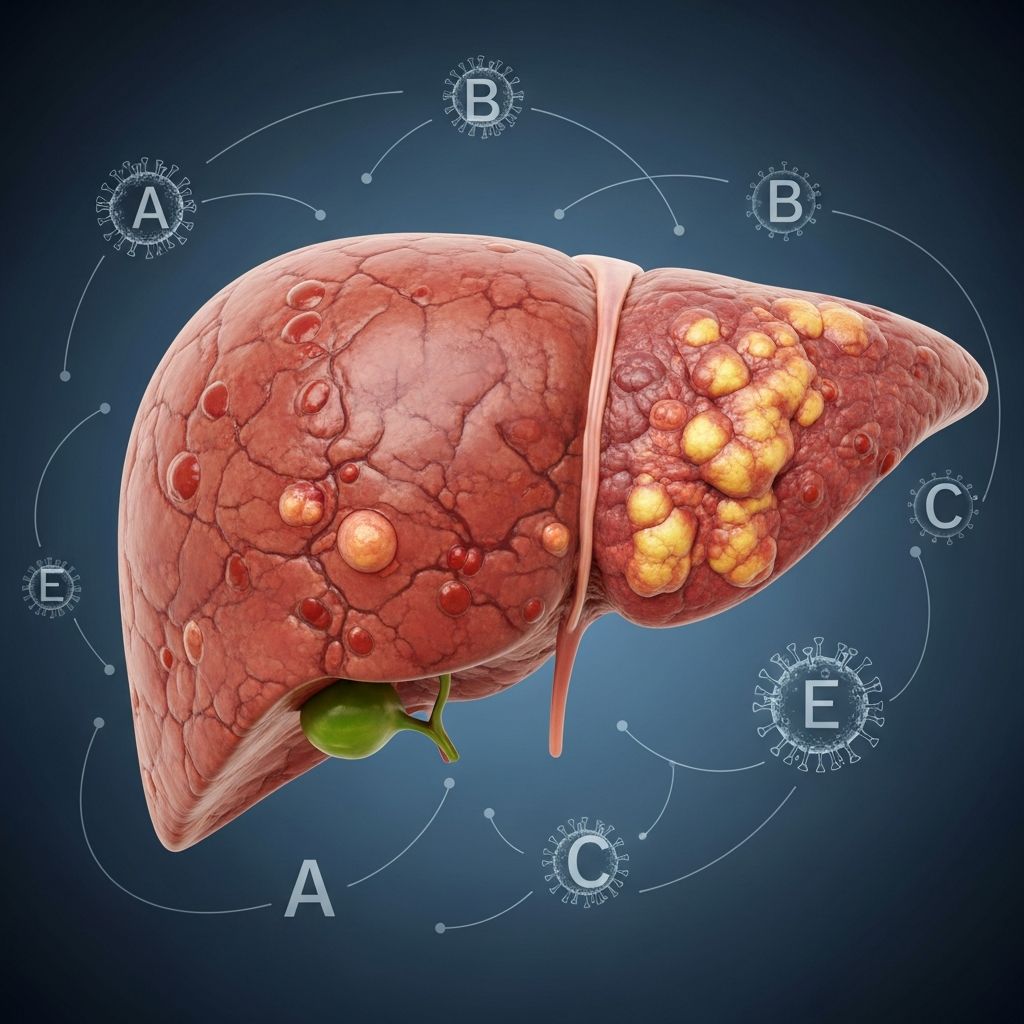
Understanding Viral Hepatitis: A Comprehensive Guide
Viral hepatitis is an inflammation of the liver caused by different viruses. The condition occurs when hepatitis viruses enter your body and infect liver cells, triggering an inflammatory response. Some people with viral hepatitis experience mild symptoms or no symptoms at all, while others may develop significant liver cell damage that can progress to liver failure if left untreated. The severity and progression of viral hepatitis depend on the type of virus, your immune system’s response, and how quickly you receive treatment. Understanding the different types of viral hepatitis, their transmission routes, symptoms, and available treatments is essential for maintaining liver health and preventing serious complications.
Types of Viral Hepatitis
There are five known types of viral hepatitis, though three types are most commonly encountered in clinical practice. Each type has distinct characteristics, transmission methods, and treatment approaches.
Hepatitis A
Hepatitis A is a viral infection that causes inflammation in the liver and typically goes away on its own, though it can make you feel ill for several months. This virus is transmitted through contaminated food and water, particularly in areas with poor sanitation. Hepatitis A spreads through the fecal-oral route, meaning the virus is present in the stool of infected individuals and can contaminate food and water supplies. Healthcare workers and people living in crowded conditions face higher risk of exposure. Unlike hepatitis B and C, hepatitis A does not cause chronic infection and does not lead to long-term liver disease.
Hepatitis B
Hepatitis B is a viral infection of the liver caused by transmission through blood and body fluids. The virus can spread through unprotected sexual contact, sharing contaminated needles, or from mother to child during childbirth. Like other chronic liver diseases, hepatitis B can cause inflammation that leads to scarring of liver tissue (fibrosis) or even cirrhosis. Patients with hepatitis B are at risk for developing liver failure and hepatocellular carcinoma (liver cancer). Chronic hepatitis B infection may or may not require treatment, but patients should be monitored regularly by a liver specialist to assess disease progression and determine if antiviral therapy is necessary.
Hepatitis C
Hepatitis C is a viral infection that affects the liver and is typically transmitted through blood contact. It can cause acute infection that often produces no symptoms but sometimes causes fever, nausea, vomiting, jaundice, and elevated liver enzymes. Most people with acute hepatitis C infection remain unaware of their infection at diagnosis. However, the majority progress to develop chronic hepatitis C, a long-term illness leading to chronic liver disease. Approximately one in three individuals with chronic hepatitis C infection will develop progressive liver disease that can advance to cirrhosis, complications of advanced liver disease, and liver cancer. The good news is that hepatitis C is now highly treatable with modern antiviral medications.
Viral Hepatitis Transmission and Risk Factors
Understanding how viral hepatitis spreads is crucial for prevention. Contact with infected blood or bodily fluids is the main transmission route for most types of viral hepatitis. Different viruses have different transmission mechanisms:
Hepatitis A transmission occurs through contaminated food and water, poor hygiene practices, and close contact with infected individuals. Community outbreaks can occur in settings with poor sanitation.
Hepatitis B transmission happens through sexual contact with an infected person, sharing needles or other injection equipment, needlestick injuries in healthcare settings, or transmission from mother to baby during childbirth. People with active HBV infection have higher transmission rates than asymptomatic carriers.
Related Stories



Hepatitis C transmission primarily occurs through blood-to-blood contact, including sharing needles, accidental needlestick injuries, or receiving blood transfusions before screening protocols were implemented.
Recognizing Viral Hepatitis Symptoms
Common symptoms of viral hepatitis include fatigue, dark-colored urine, pale or clay-colored stool, abdominal pain and discomfort, nausea and vomiting, and jaundice (yellowing of skin and eyes). Viral hepatitis symptoms develop over time as the condition progresses. Healthcare providers consider your symptoms and other factors when staging viral hepatitis to determine disease severity and appropriate treatment.
| Symptom | Hepatitis A | Hepatitis B | Hepatitis C |
|---|---|---|---|
| Onset Timeline | 2-7 weeks after exposure | 45-160 days after exposure | 6-7 weeks after exposure |
| Jaundice | Common | May occur | Sometimes present |
| Acute Symptoms | Typically symptomatic | May be asymptomatic | Often asymptomatic |
| Chronic Infection | Does not occur | Can develop in 5-10% of adults | Develops in 75-85% of cases |
Acute vs. Chronic Viral Hepatitis
All types of hepatitis can present as acute (short-term) illnesses that may resolve on their own. Acute viral hepatitis typically progresses through four general stages. The distinction between acute and chronic infection is important for determining treatment approaches and prognosis:
Acute viral hepatitis refers to infection lasting less than six months. In many cases, the body’s immune system clears the virus, and the infection resolves without long-term consequences. Symptoms may range from mild to severe during the acute phase.
Chronic viral hepatitis refers to persistent infection lasting more than six months. This occurs more commonly with hepatitis B and C infections. Healthcare providers use different standards to stage chronic viral hepatitis, assessing liver damage through imaging studies, laboratory tests, and sometimes liver biopsy.
Diagnostic Testing for Viral Hepatitis
Accurate diagnosis is essential for appropriate treatment planning. Screening for hepatitis C can be accomplished through a simple blood test that can be ordered by your primary care or liver provider. Recent years have seen expanded screening recommendations to include more of the population, even those without obvious hepatitis C risk factors. The CDC now recommends hepatitis C screening for all adults ages 18-79, with particular emphasis on baby boomers (people born 1945-1965), who have higher prevalence rates.
When you visit a liver specialist for evaluation, they will review your diagnosis, determine if you need screening for other viral illnesses, assess the extent of your liver disease, and discuss treatment options. Blood tests measure liver enzymes and function, while additional testing can identify the specific virus type and viral load (amount of virus in your blood).
Treatment Approaches for Viral Hepatitis
Treatment varies depending on factors like the virus type, disease stage, and your overall health status. There are treatments to manage viral hepatitis symptoms, and healthcare providers may prescribe antiviral medications for hepatitis B and C infections.
Hepatitis A Treatment
There is no specific treatment for hepatitis A, as the immune system typically clears the virus independently. Healthcare providers may recommend rest, adequate nutrition, and staying hydrated. Symptoms of hepatitis A last as long as it takes for your immune system to defeat the virus. Most people recover within two months, though those with weakened immune systems may take up to six months to recover. Sometimes symptoms may appear to resolve but then return in a relapse pattern.
Hepatitis B Treatment
Chronic hepatitis B may or may not require treatment, but patients should be monitored by a liver specialist. If treatment becomes necessary, specialists have a multidisciplinary team approach that includes clinical pharmacists to help optimize therapy. Modern antiviral medications can suppress viral replication and slow disease progression. A liver transplant may be necessary for patients with end-stage liver disease.
Hepatitis C Treatment
Treating hepatitis C used to be very difficult with significant side effects and limited success rates. Over recent years, there have been incredible advances in hepatitis C treatment. Now using oral medications (pills), treatment can be accomplished in 8 to 12 weeks for the majority of patients with minimal side effects and success rates approaching 100 percent. Hepatitis C is the only viral hepatitis for which there is a cure, making early diagnosis and treatment highly beneficial.
Prevention Through Vaccination
Vaccination is an effective prevention strategy for certain types of viral hepatitis. A vaccine has been available for hepatitis B prevention since the 1980s and has become a standard vaccine for all children and young adults. Vaccination is also recommended for adults with certain medical conditions, including those with chronic liver diseases and solid organ transplant recipients. Hepatitis B vaccination is available at most healthcare facilities.
For hepatitis A, routine immunization of children with active vaccine is the most effective way to prevent infection in individuals and reduce overall incidence in the population. Vaccination is also recommended for travelers to areas with poor sanitation and adults with certain risk factors.
Currently, no vaccine exists for hepatitis C, making prevention through avoiding exposure and early treatment of infection critical priorities.
Complications of Untreated Viral Hepatitis
Without treatment, the viruses can lead to life-threatening liver disease. Untreated hepatitis can progress to severe liver damage or failure. Advanced complications include cirrhosis (scarring of liver tissue), liver cancer, hepatic encephalopathy (brain dysfunction from liver failure), ascites (fluid accumulation in the abdomen), and bleeding from esophageal varices. Patients with advanced liver disease may need evaluation for liver transplantation as a treatment option when the liver can no longer function adequately.
Living with Viral Hepatitis
A diagnosis of viral hepatitis can feel overwhelming, but modern treatment options offer hope. Working closely with a liver specialist ensures you receive appropriate monitoring and treatment. Your healthcare team will develop a personalized care plan based on your specific diagnosis, disease stage, and overall health.
If you have hepatitis, do not hesitate to ask your healthcare provider questions about what to expect after treatment, lifestyle modifications, and any concerns you have. Your provider will be glad to discuss steps that may help you manage hepatitis and its impact on your life.
Frequently Asked Questions About Viral Hepatitis
Q: Can viral hepatitis be cured?
A: The answer depends on the type of hepatitis. Hepatitis A usually resolves on its own without treatment. Hepatitis C can be cured with modern antiviral medications in 8-12 weeks with success rates near 100 percent. Hepatitis B may require lifelong management, though a liver transplant can cure chronic hepatitis B in some cases.
Q: How is viral hepatitis diagnosed?
A: Diagnosis involves blood tests that check liver function and screen for antibodies or antigens specific to each virus type. Your healthcare provider may also order imaging studies or other tests to assess liver damage.
Q: Is viral hepatitis contagious?
A: Yes, viral hepatitis is contagious. Hepatitis A spreads through contaminated food and water. Hepatitis B and C spread through blood and bodily fluid contact. The specific transmission route depends on the virus type.
Q: Can I prevent viral hepatitis?
A: Vaccines are available for hepatitis A and B, which are highly effective prevention strategies. For hepatitis C, prevention focuses on avoiding exposure through blood contact and seeking early treatment if infected. Safe food and water practices prevent hepatitis A transmission.
Q: What should I do if I think I have viral hepatitis?
A: Contact your primary care physician or a liver specialist for evaluation. They can order appropriate tests and determine the cause of your symptoms. Early diagnosis and treatment lead to better outcomes.
Q: Can viral hepatitis lead to liver cancer?
A: Yes, chronic hepatitis B and C infections increase the risk of developing hepatocellular carcinoma (liver cancer). Regular monitoring by a liver specialist helps detect potential complications early.
References
- Viral Hepatitis: What It Is, Symptoms, Causes & Treatment — Cleveland Clinic. 2025-03-27. https://my.clevelandclinic.org/health/diseases/4245-hepatitis-viral-hepatitis-a-b–c
- Advanced Diagnostics and Treatment for Viral Hepatitis (A, B, C, D, and E) — University Hospitals Cleveland Medical Center. https://www.uhhospitals.org/services/digestive-health-services/conditions-and-treatments/liver-disease/conditions-and-treatments/viral-hepatitis
- Hepatitis A: What It Is, Symptoms & Transmission — Cleveland Clinic. https://my.clevelandclinic.org/health/diseases/21198-hepatitis-a
- Hepatitis: What It Is, Symptoms, Transmission & Treatments — Cleveland Clinic. 2025-02-08. https://my.clevelandclinic.org/health/diseases/hepatitis
- The ABCs of Viral Hepatitis 2019 — Case Western Reserve University School of Nursing, Cleveland Clinic Foundation. https://case.edu/nursing/sites/default/files/2019-10/Jenkins2019-09-13%20CCF%20Jenkins%20Viral%20Hepatitis%20Update%202019.pdf
- Viral hepatitis guide for practicing physicians — Cleveland Clinic Journal of Medicine. https://www.ccjm.org/content/ccjom/67/7_suppl_1/SI-6.full.pdf
Similar Articles








Read full bio of medha deb