Viral Infection: Comprehensive Guide To Symptoms And Treatment
Understand viral infections: causes, symptoms, diagnosis, treatment, prevention, and when to seek medical help.
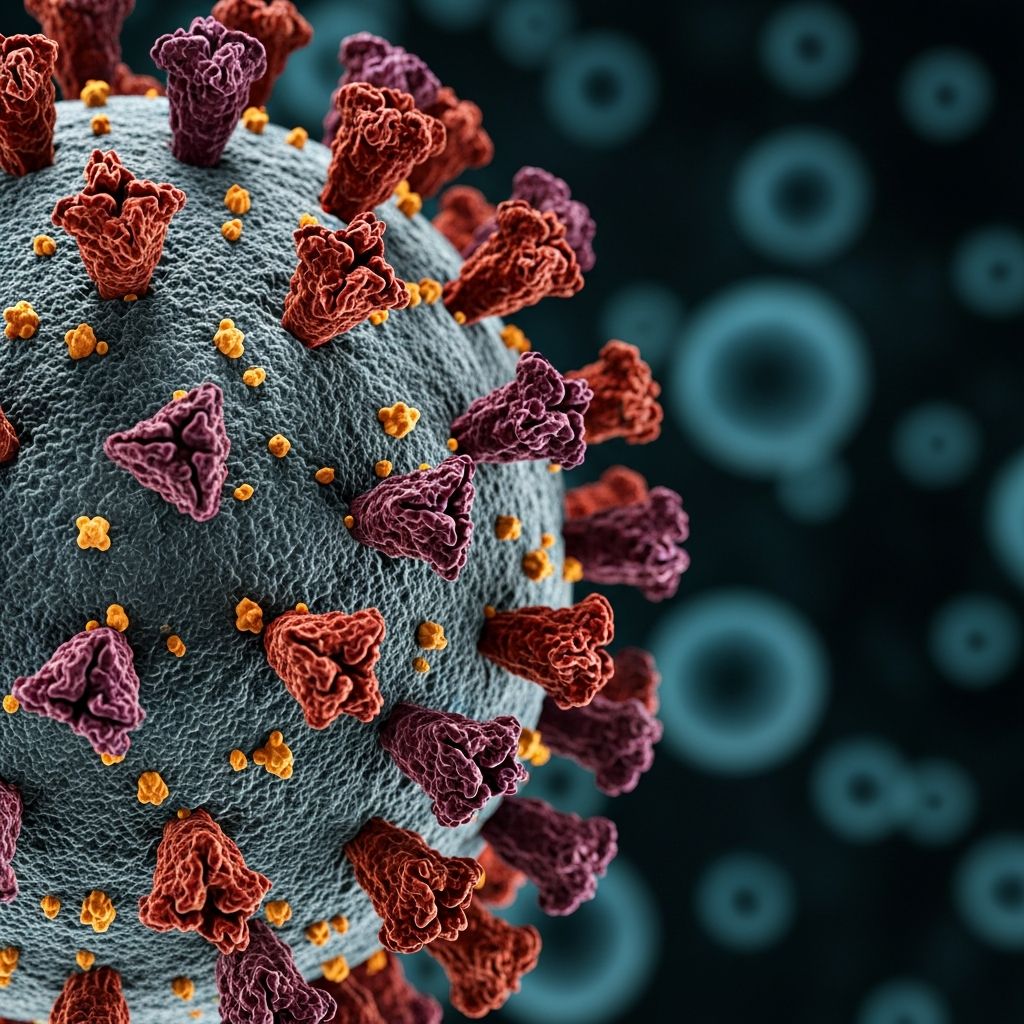
Viral infections occur when viruses invade the body’s cells, using them to replicate and spread, leading to illnesses from mild colds to severe diseases like COVID-19 or HIV. These infections affect millions annually and are diagnosed through symptoms, tests, and managed with supportive care or antivirals.
What Is a Viral Infection?
A
viral infection
happens when a virus—a tiny infectious agent smaller than bacteria—enters the body and hijacks healthy cells to multiply. Unlike bacteria, viruses cannot reproduce independently and require host cells, making them obligate intracellular pathogens. Common examples include the flu, common cold, COVID-19, norovirus (stomach flu), human papillomavirus (HPV) causing warts, and herpes simplex virus leading to cold sores. These infections can be acute, resolving in days or weeks, or chronic, persisting for months or years like hepatitis or HIV.Viruses target specific body parts: respiratory viruses affect lungs and airways, gastrointestinal ones cause stomach issues, and others like HPV impact skin or genitals. Nearly all viral infections are contagious, spreading person-to-person via droplets, contact, or bodily fluids. The body’s immune system typically fights them off, but vulnerable groups like infants, elderly, or immunocompromised individuals face higher risks.
Symptoms of Viral Infections
Symptoms vary by virus and affected area but often mimic bacterial infections, including
fever
,cough
,fatigue
,rash
,sore throat
,runny nose
,muscle aches
,diarrhea
, orvomiting
. Respiratory viruses like influenza or RSV cause cough and breathing issues; gastrointestinal ones like norovirus lead to nausea and dehydration; skin viruses produce blisters or warts.- Respiratory symptoms: Cough, congestion, shortness of breath (e.g., flu, COVID-19).
- Gastrointestinal symptoms: Nausea, vomiting, diarrhea (e.g., norovirus, rotavirus).
- Skin symptoms: Rashes, blisters, warts (e.g., herpes, HPV, chickenpox).
- Systemic symptoms: Fever, chills, body aches, swollen lymph nodes (common across many viruses).
- Neurological symptoms: Headache, confusion, meningitis-like signs in CNS infections (e.g., enteroviruses, HSV).
Symptoms usually appear 1-4 days after exposure and last 3-10 days for mild cases. Severe infections may cause pneumonia, encephalitis, or organ failure.
Causes of Viral Infections
Viruses spread through multiple routes: respiratory droplets (coughing/sneezing), direct contact (touching contaminated surfaces), fecal-oral route (poor hygiene), sexual contact, blood, or vectors like mosquitoes. Common viruses include:
| Virus | Disease | Transmission |
|---|---|---|
| Influenza | Flu | Droplets, contact |
| SARS-CoV-2 | COVID-19 | Droplets, aerosols |
| Norovirus | Stomach flu | Fecal-oral, contact |
| HPV | Warts, cervical issues | Skin contact, sexual |
| Herpes simplex | Cold sores, genital herpes | Contact, sexual |
| Varicella-zoster | Chickenpox, shingles | Droplets, contact |
| Hepatitis viruses | Hepatitis A/B/C | Fecal-oral, blood |
Risk factors include close contact in crowds, weakened immunity, lack of vaccination, and poor hygiene. Zoonotic viruses jump from animals to humans, evolving for transmissibility.
Diagnosis of Viral Infections
Healthcare providers diagnose based on symptoms and exam, but confirmation requires tests since viruses mimic bacteria. Methods include:
- PCR/swabs: Nasal/throat swabs detect viral genetic material (gold standard for flu, COVID-19).
- Antigen tests: Rapid tests for influenza, RSV via immunofluorescence or lateral flow assays.
- Blood tests: Antibody detection for past/current infection (e.g., HIV, hepatitis).
- Culture: Virus isolation in cell lines (slow, rarely used).
- Imaging: Chest X-rays for pneumonia.
Related Stories



Collect specimens at peak shedding for accuracy. Electron microscopy is limited.
Treatment for Viral Infections
Most viral infections resolve with rest, fluids, and symptom relief—no antibiotics, as they target bacteria. Specific treatments:
- Antivirals: Oseltamivir for flu, remdesivir/Paxlovid for COVID-19, acyclovir for herpes, antiretrovirals for HIV/hepatitis.
- Supportive care: Fever reducers (acetaminophen), decongestants, hydration.
- Post-exposure prophylaxis (PEP): Antivirals/immunoglobulins prevent illness after exposure (e.g., flu, HIV, mpox).
- Convalescent plasma: Antibodies from recovered patients for severe cases.
Severe cases need hospitalization for oxygen or IV fluids. Chronic viruses require lifelong management.
Prevention of Viral Infections
**Prevention** is key, as treatment is limited. Strategies include:
- Vaccines: Flu, COVID-19, HPV, hepatitis A/B, measles, chickenpox—reduce severity and spread.
- Hygiene: Handwashing with soap, especially after contact or bathroom use; core for influenza, norovirus, RSV.
- Masks: Surgical masks for source control or protection, effective for flu, COVID-19 nosocomial spread.
- Isolation: Quarantine symptomatic individuals; contact precautions (gloves/gowns) for RSV, norovirus.
- Safe practices: Condoms for HPV/herpes, safe food handling for hepatitis A/norovirus.
For outbreaks like SARS or norovirus, single-room isolation and cohort nursing slashed transmission. Hand hygiene within 36 hours prevents household flu spread.
Complications of Viral Infections
While most are mild, complications include:
- Pneumonia: From flu, COVID-19, RSV.
- Encephalitis/meningitis: Enteroviruses, HSV (incidence 0.26-17/100,000).
- Chronic disease: HIV, hepatitis leading to liver failure/cancer.
- Secondary infections: Bacterial superinfections.
- Post-viral syndromes: Long COVID, Guillain-Barré.
Nosocomial RSV affects 40% of young children; norovirus outbreaks hit hospitals/cruise ships.
When to See a Doctor
Seek care for high fever (>103°F), difficulty breathing, chest pain, persistent vomiting, dehydration, confusion, seizures, or symptoms lasting >10 days. High-risk groups (infants, elderly, pregnant, immunocompromised) should see providers early. Rapid tests guide antivirals if given timely.
Frequently Asked Questions
Are viral infections contagious?
Yes, nearly all spread person-to-person via droplets, contact, or fluids. Good hygiene and vaccines prevent transmission.
Do antibiotics work for viruses?
No, antibiotics treat bacteria only. Use antivirals or supportive care for viruses.
Can viral infections go away on their own?
Most mild ones like colds resolve in days with rest. Severe/chronic cases need medical intervention.
How long do viral infections last?
Typically 3-10 days for acute; chronic ones persist lifelong without treatment.
What’s the difference between viral and bacterial infections?
Viruses replicate inside cells; bacteria are independent. Symptoms overlap, but tests distinguish them.
References
- Viral Infections, an Overview with a Focus on Prevention of … — National Center for Biotechnology Information (PMC). 2020-03-16. https://pmc.ncbi.nlm.nih.gov/articles/PMC7157453/
- Viral Infection: Causes, Symptoms, Tests & Treatment — Cleveland Clinic. 2023-08-28. https://my.clevelandclinic.org/health/diseases/24473-viral-infection
- Infection: Types, causes, and differences — Medical News Today. 2023-05-05. https://www.medicalnewstoday.com/articles/196271
- Viral Infections — Physiopedia. Accessed 2026. https://www.physio-pedia.com/Viral_Infections
- Viral Infections: Care Instructions — Kaiser Permanente. Accessed 2026. https://healthy.kaiserpermanente.org/health-wellness/health-encyclopedia/he.viral-infections-care-instructions.abn3526
Similar Articles








Read full bio of Sneha Tete